
Understanding Acoustic Noise Barriers: A Comprehensive Guide
In today’s increasingly noisy world, effective acoustic noise barriers are essential for creating peaceful and productive environments. Whether you’re looking to mitigate noise pollution from highways, industrial sites, or residential areas, understanding the principles, types, and applications of these barriers is crucial. This article will delve into the world of sound control, providing a comprehensive overview of acoustic noise barriers and how fencing wire mesh plays a vital role in their construction. We’ll explore the benefits, materials, and factors influencing their effectiveness, ensuring you have the knowledge to make informed decisions for your noise control needs.
What are Acoustic Noise Barriers?
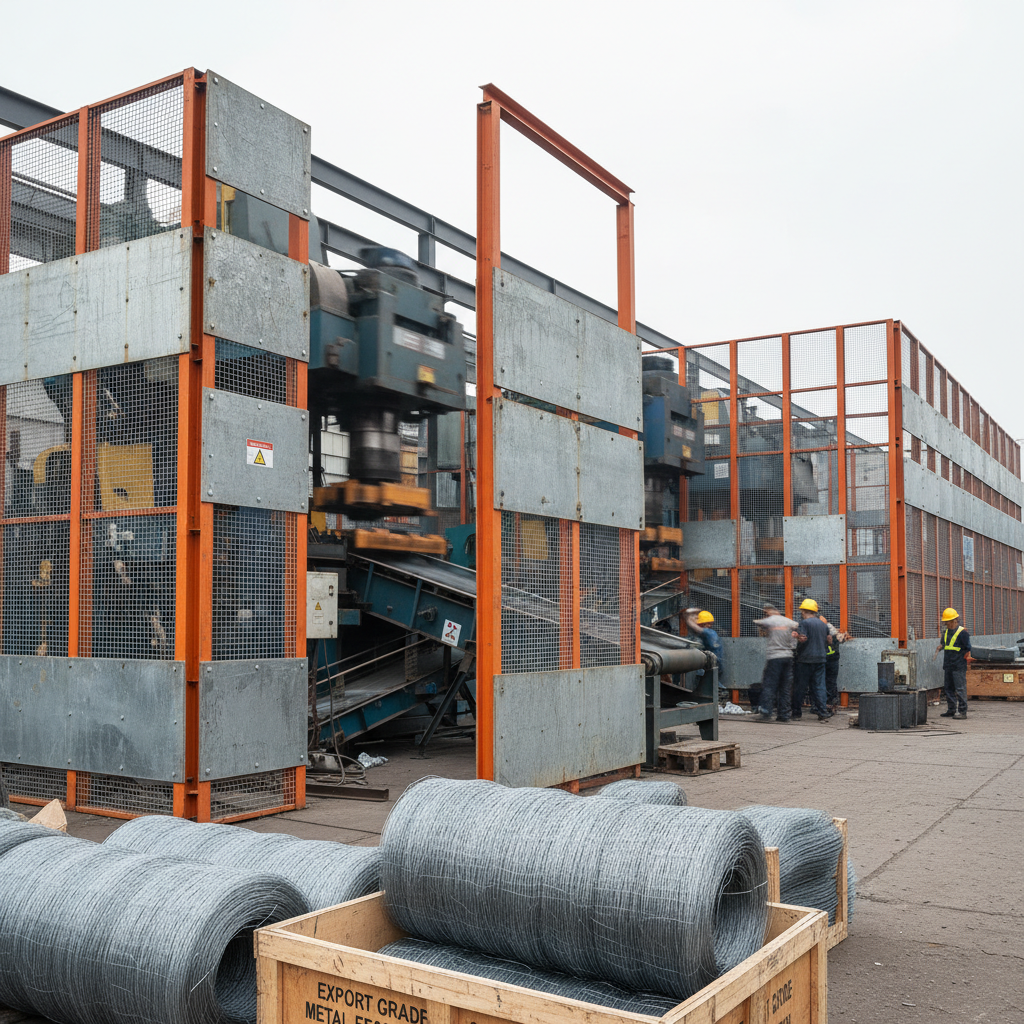
Acoustic noise barriers are structures designed to reduce sound transmission from a source to a receiver. They work by blocking the direct path of sound waves, causing them to be reflected, absorbed, or diffracted. These barriers are commonly used along highways to protect nearby communities, around industrial facilities to minimize noise impact on surrounding areas, and in residential settings to create quieter spaces. Effective barriers consider factors such as height, length, material density, and placement relative to the noise source and receiver. They aren't simply walls; they're engineered solutions to a pervasive environmental issue.
Key Highlights: Acoustic noise barriers minimize sound transmission through blocking, reflection, absorption, and diffraction. They are essential for environmental and health well-being.
Types of Acoustic Noise Barriers
There are several types of acoustic noise barriers, each suited to different applications and budget considerations. Common types include concrete barriers, earth berms, and barriers constructed from materials like wood, metal, and composite panels. Increasingly, barriers incorporating wire mesh fencing are becoming popular due to their cost-effectiveness, durability, and aesthetic appeal. The choice depends on factors such as required noise reduction, site conditions, visual impact, and long-term maintenance.
Common Barrier Types:
• Concrete Barriers: Heavy, effective, but visually obtrusive.
• Earth Berms: Natural looking, but require significant land area.
• Wood Barriers: Aesthetically pleasing, but require regular maintenance.
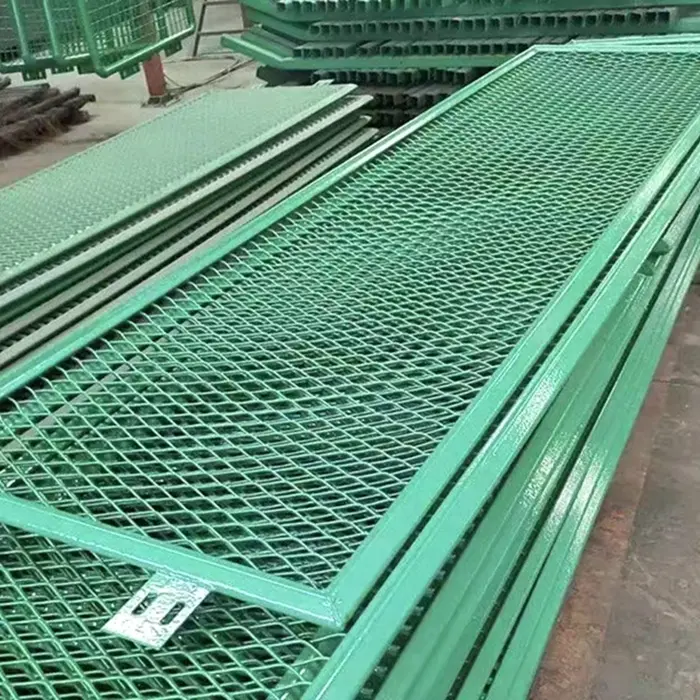
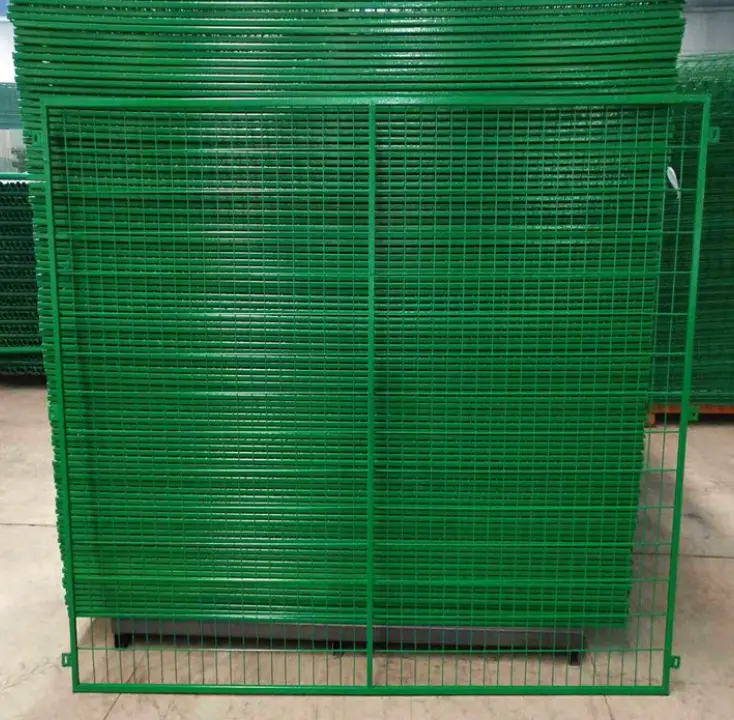
• Metal/Wire Mesh Barriers: Cost-effective, durable, and customizable.
The Role of Fencing Wire Mesh in Acoustic Noise Barriers
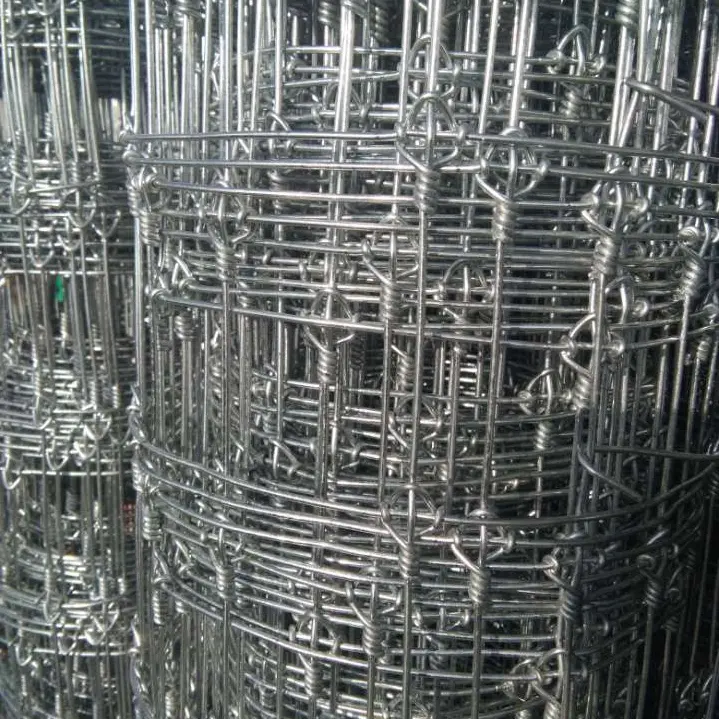
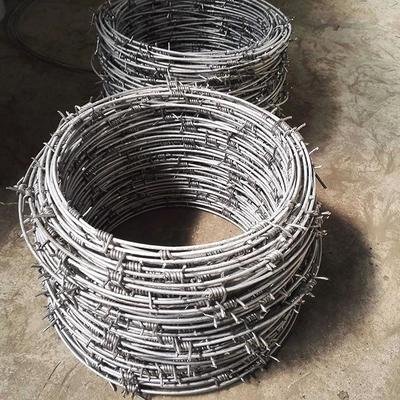
Fencing wire mesh is increasingly used as a core component in acoustic noise barriers. When combined with sound-absorbing materials like mineral wool or fiberglass, it creates a highly effective barrier at a fraction of the cost of traditional concrete structures. The mesh provides structural support while allowing sound energy to be dissipated within the absorbing material. This results in significant noise reduction, making it ideal for a range of applications, from highway sound barriers to industrial noise control.
Factors Affecting Acoustic Noise Barrier Effectiveness
Several factors influence how well an acoustic noise barrier performs. Height is critical – taller barriers provide greater shadow zones, reducing sound transmission. Length is also important, as gaps or short sections can allow sound to diffract around the barrier. The density of the barrier material plays a role, with heavier materials generally being more effective. Additionally, the placement of the barrier relative to the noise source and receiver is crucial. Proper design and installation are essential to maximize noise reduction.
Applications of Acoustic Noise Barriers
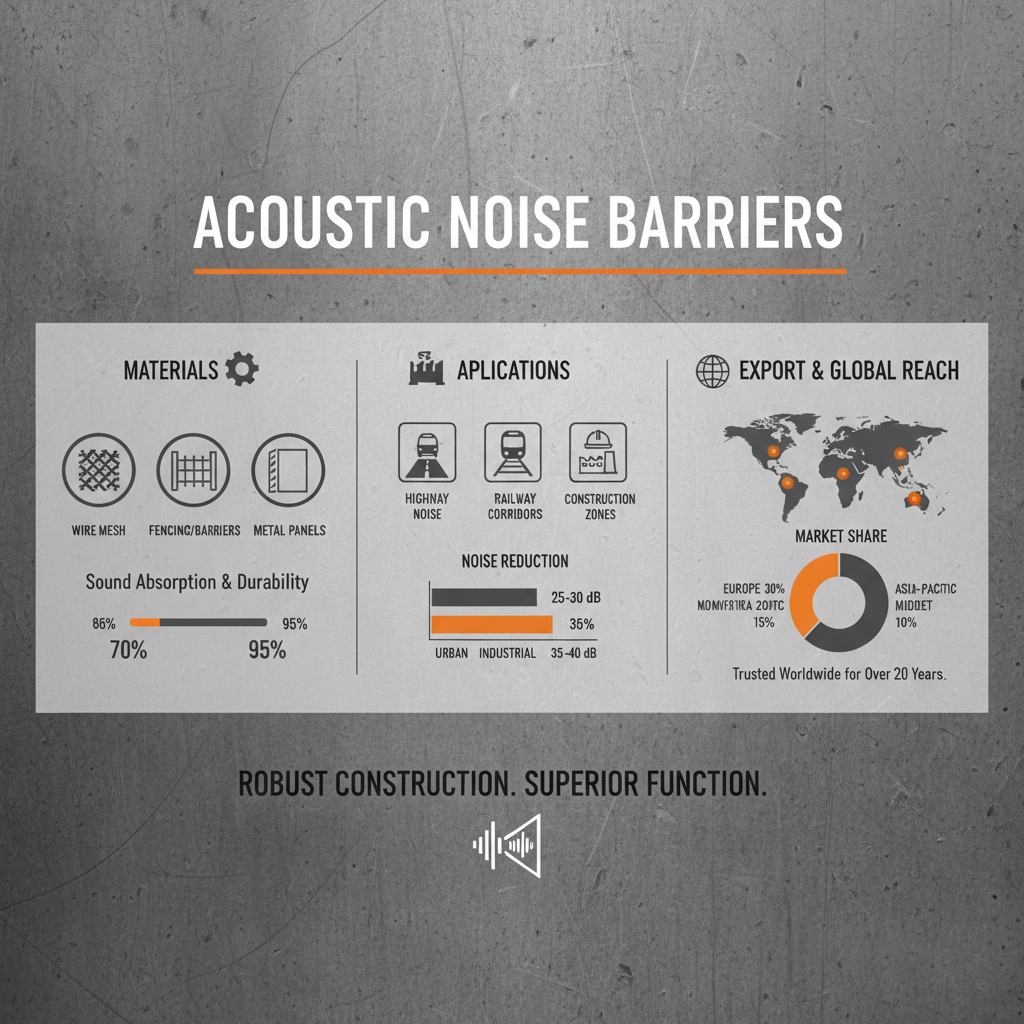
Acoustic noise barriers have a wide range of applications. They are commonly used along highways to protect residential areas, around industrial facilities to comply with noise regulations, near airports to mitigate aircraft noise, and in commercial and residential buildings to create quieter spaces. Increasingly, they are being used in urban environments to address noise pollution from construction sites, traffic, and other sources. Fencing wire mesh barriers are particularly well-suited for temporary noise control solutions due to their ease of installation and portability.
Conclusion: Investing in a Quieter Future
Investing in effective acoustic noise barriers is a crucial step toward creating healthier and more livable environments. By understanding the principles of sound control and the benefits of materials like fencing wire mesh, you can make informed decisions that reduce noise pollution and improve quality of life. Contact Fencing Wire Mesh today to explore solutions tailored to your specific needs.
Frequently Asked Questions (FAQs)
What is the typical noise reduction achieved with a wire mesh acoustic barrier?
The noise reduction achieved with a wire mesh acoustic barrier varies depending on several factors, including the height and length of the barrier, the type and thickness of the sound-absorbing material used in conjunction with the mesh, and the frequency of the noise source. Generally, a well-designed and installed wire mesh barrier can achieve noise reductions of 5-15 decibels. Higher reductions are possible with increased barrier height and the use of more effective sound-absorbing materials. Accurate prediction requires detailed acoustic modeling, considering the specific site conditions and noise characteristics.
How durable are wire mesh acoustic barriers?
Wire mesh acoustic barriers are known for their durability, especially when constructed with high-quality materials like galvanized or stainless steel wire mesh. The mesh itself is resistant to corrosion and weathering. The lifespan of the barrier also depends on the quality of the sound-absorbing material used and the environmental conditions. With proper maintenance, a wire mesh acoustic barrier can last for decades, providing a long-term noise control solution.
Are wire mesh barriers visually appealing?
Wire mesh barriers can be aesthetically pleasing, especially compared to solid concrete walls. They allow for some visibility, preventing a feeling of enclosure. The mesh can also be powder-coated in a variety of colors to blend with the surrounding environment. Additionally, landscaping can be incorporated around the barrier to further enhance its visual appeal. Careful design and material selection can result in a noise barrier that is both effective and visually acceptable.
What maintenance is required for a wire mesh acoustic barrier?
Wire mesh acoustic barriers generally require minimal maintenance. Periodic inspections should be conducted to check for damage to the mesh, the supporting structure, and the sound-absorbing material. Any damaged sections should be repaired promptly. The sound-absorbing material may need to be replaced periodically, depending on its type and exposure to the elements. Keeping the area around the barrier clear of vegetation can also help to prolong its lifespan.