
Understanding the Versatility of Chain Fence
Chain link fence, a staple in security and containment, offers a cost-effective and durable solution for a wide range of applications. From residential boundaries to industrial security, its versatility is undeniable. This article will delve into the various uses, types, installation considerations, and benefits of chain link fence, providing a comprehensive guide for anyone considering this fencing option. Choosing the right fencing material is critical, and chain link often presents an excellent balance of cost, security, and longevity.
Common Applications of Chain Link Fencing
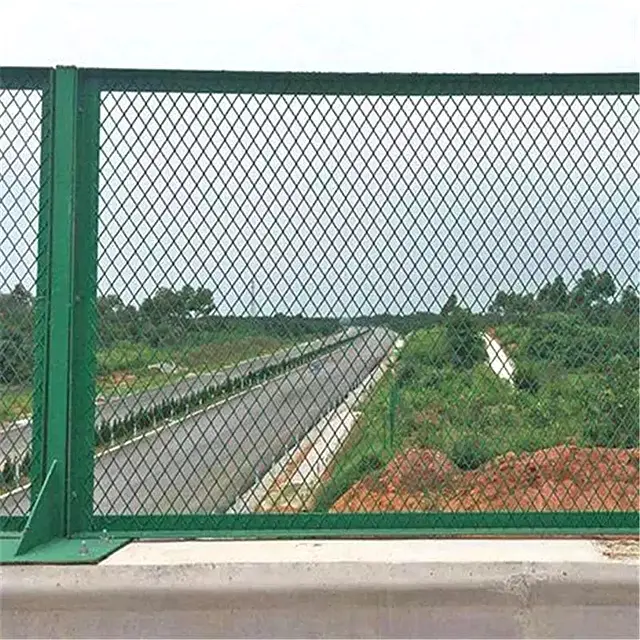
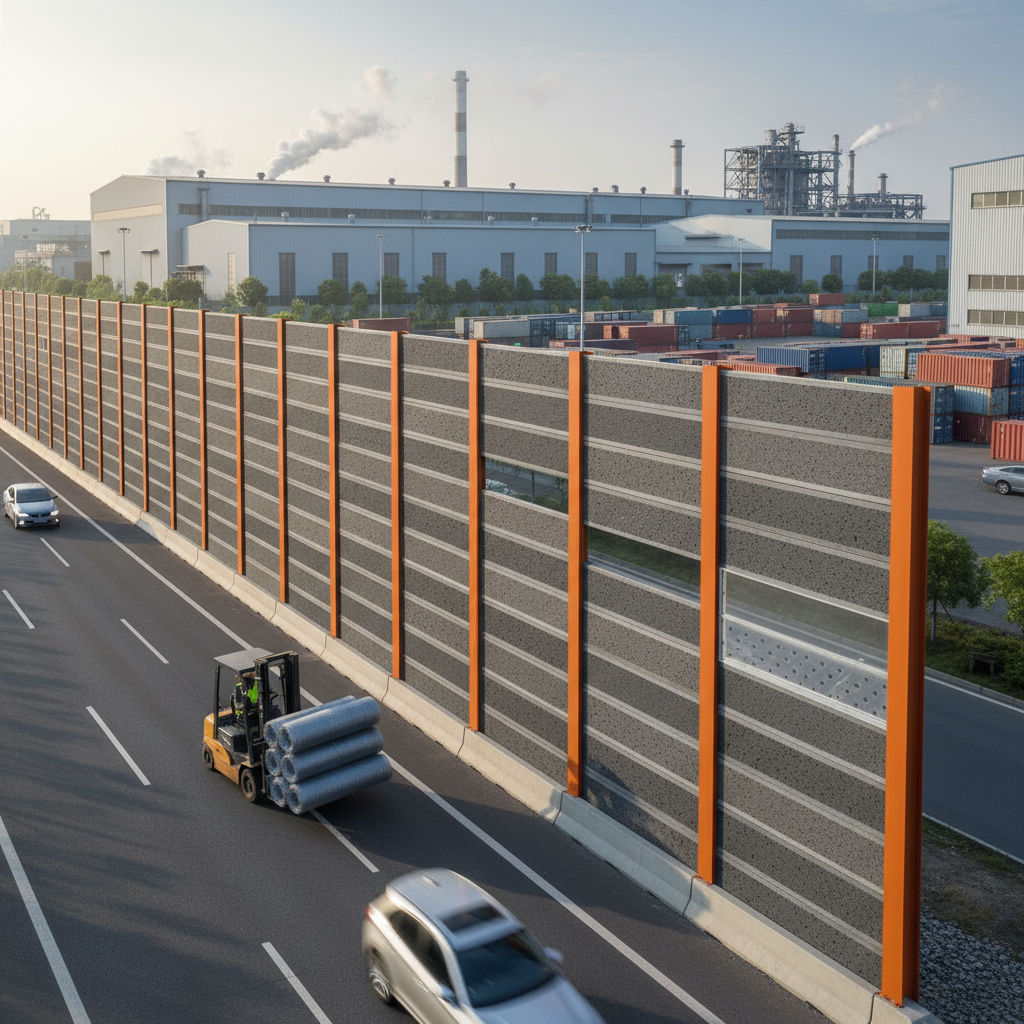
The adaptability of chain link fencing allows it to be used in diverse scenarios. Residential homeowners often utilize it for pet containment, defining property lines, or adding a layer of security. Commercial and industrial clients rely on it for perimeter security around facilities, storage yards, and construction sites. Schools and parks frequently employ it to create safe and clearly defined boundaries. Sports facilities use it as backstops and player enclosures. Essentially, any situation requiring a secure and visible barrier is a potential application for chain link. The applications of chain link fence are truly broad and varied.
Key Applications: Residential, Commercial, Industrial, Schools, Parks, Sports Facilities, Construction Sites.
Types of Chain Link Fence: A Detailed Comparison
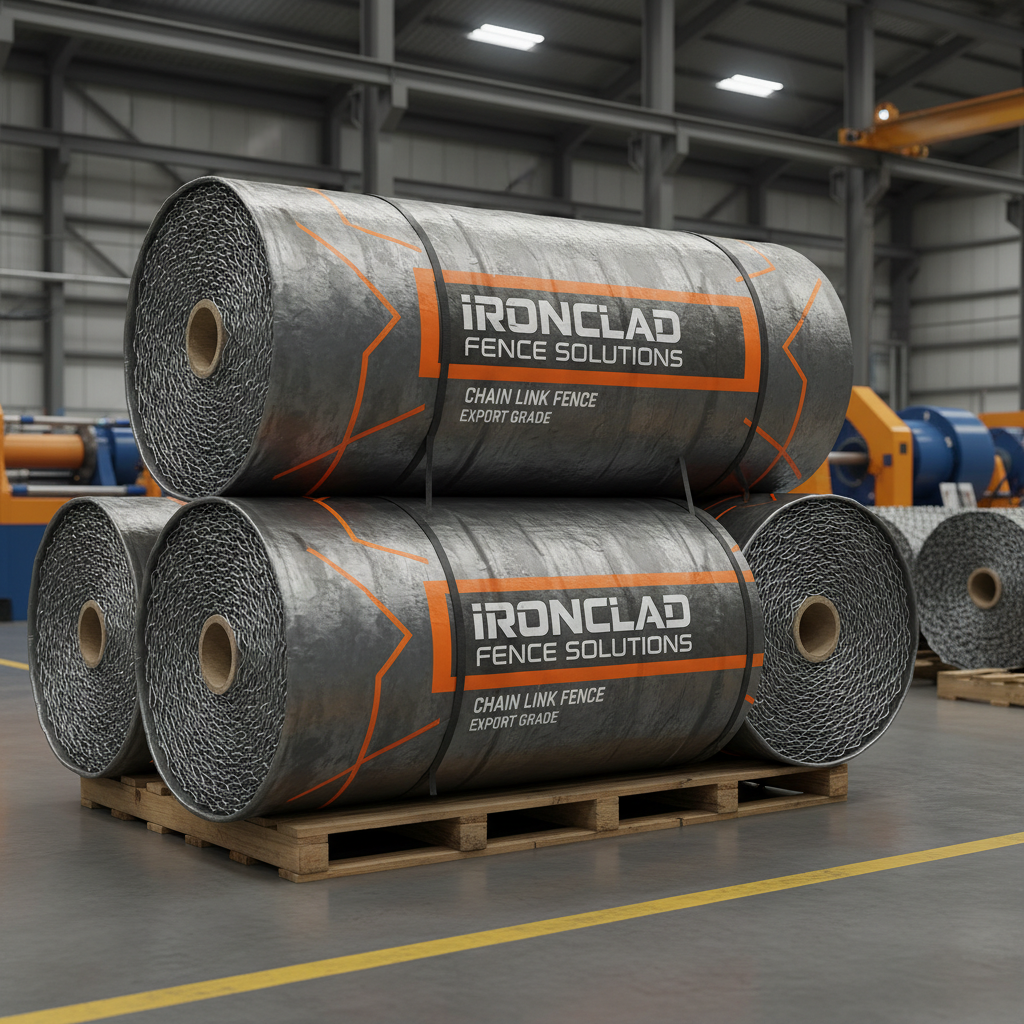
Chain link fence isn’t a one-size-fits-all product. Different gauges of wire, varying heights, and coating options determine its strength, durability, and aesthetic appeal. The most common gauges range from 9 gauge (heavy-duty) to 14 gauge (light-duty). Height typically ranges from 3ft to 8ft, depending on the security needs and local regulations. Coating options include galvanized steel, which offers corrosion resistance, and vinyl-coated, which provides a more aesthetically pleasing finish and enhanced durability. The right choice depends on your specific requirements and budget.
Chain Link Fence Types
• Galvanized Steel: Cost-effective, corrosion-resistant.
• Vinyl-Coated: Durable, aesthetically pleasing, resists corrosion.
• 9 Gauge: Heavy-duty, high security.
• 14 Gauge: Light-duty, suitable for residential use.
Chain Link Fence Gauge and Strength: A Comparative Look
The gauge of the wire significantly impacts the strength and longevity of the chain link fence. Lower gauge numbers indicate thicker wire, meaning greater strength and resistance to cutting or damage. Here’s a comparison table to illustrate the differences:
Installation Considerations for Chain Link Fencing
Proper installation is crucial for the longevity and effectiveness of your chain link fence. This includes setting posts at the correct depth and spacing, ensuring proper tensioning of the fabric, and securing all fittings correctly. Depending on local codes and soil conditions, you might need to obtain permits or take specific precautions. Professional installation is often recommended, particularly for larger projects or those requiring specialized techniques. A well-installed chain link fence will provide years of reliable service.
Benefits of Choosing Chain Link Fencing
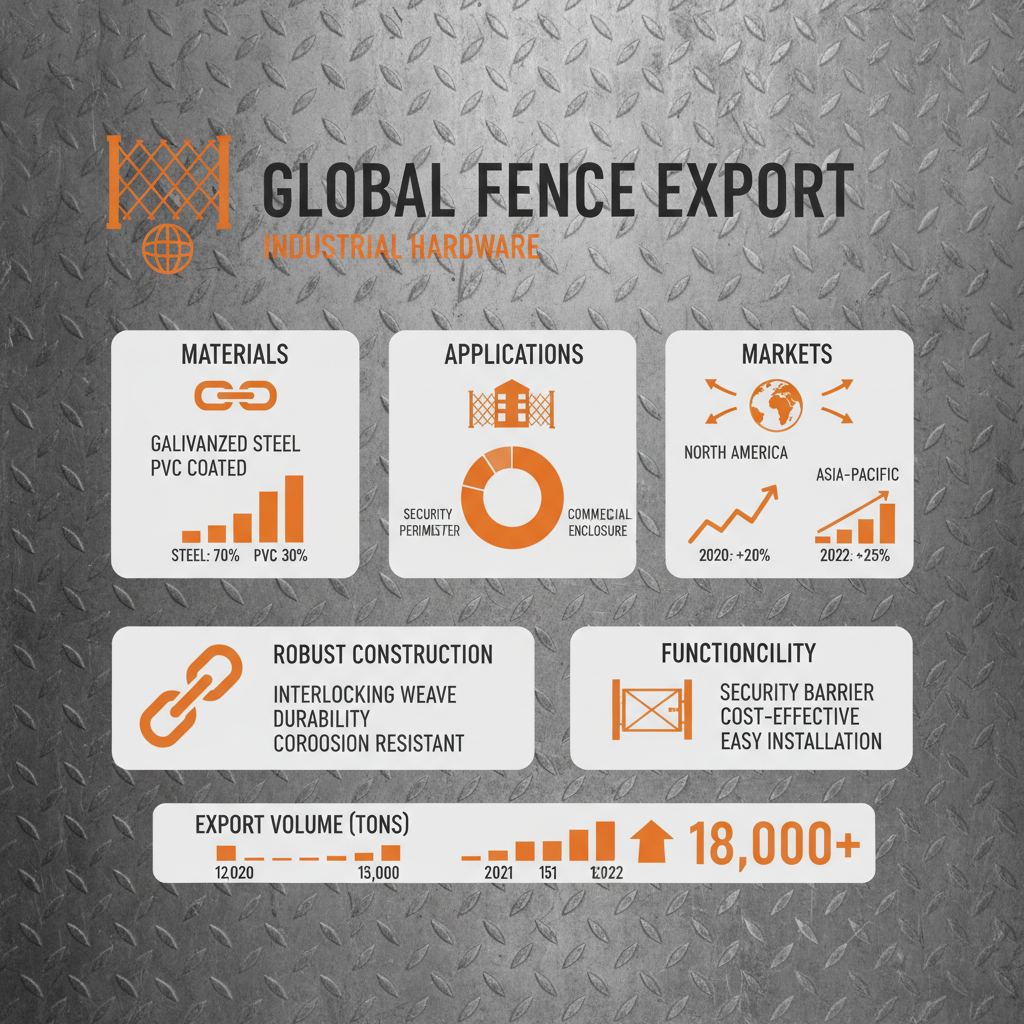
Chain link fencing offers a multitude of benefits, including cost-effectiveness, durability, security, and low maintenance. It’s a versatile option suitable for a wide range of applications. Unlike wood fences, it doesn't require painting or staining. Compared to wrought iron, it's significantly more affordable. And when properly installed and maintained, it provides a reliable security barrier for years to come. Investing in a quality chain link fence is a smart choice for any property owner.
Conclusion
Chain link fencing remains a popular and practical choice for countless applications. Its versatility, durability, and affordability make it a compelling option for residential, commercial, and industrial properties. By understanding the different types, installation considerations, and benefits, you can make an informed decision and choose the right chain link fence for your needs.
Frequently Asked Questions (FAQs)
What is the typical lifespan of a chain link fence?
With proper installation and maintenance, a chain link fence can last 10-20 years or even longer. Galvanized steel fences generally have a longer lifespan than non-coated options. Vinyl-coated fences offer even greater durability by protecting against corrosion and UV damage. Regular inspections and prompt repairs of any damage can significantly extend the fence's lifespan.
How much does chain link fence installation typically cost?
The cost of chain link fence installation varies depending on factors like fence height, gauge of wire, length of fencing, terrain, and labor costs. On average, you can expect to pay between $10 to $30 per linear foot installed. Obtaining quotes from multiple contractors is recommended to get the best price.
Does chain link fencing require a lot of maintenance?
Chain link fencing is relatively low-maintenance. Periodic inspections for damage, such as broken links or loose fittings, are recommended. Galvanized steel fences may require occasional cleaning to remove dirt and debris. Vinyl-coated fences are even easier to maintain, requiring only occasional washing with soap and water.
Is chain link fencing a good security option?
Chain link fencing provides a good level of security, particularly when combined with other security measures like locking gates and security cameras. Heavier gauge wire and taller fences offer greater resistance to intrusion. Adding top rail extensions or razor wire can further enhance security. However, it's important to note that chain link is not impenetrable and can be scaled or cut with the right tools.