
Understanding Chain Link Fence: A Comprehensive Guide
When it comes to security, delineation, and affordability, chain link fence remains a popular choice for residential, commercial, and industrial applications. This guide will cover everything you need to know about chain link fencing, from its components and installation to its benefits and variations. We’ll explore the different types of chain link, factors affecting cost, and maintenance tips to ensure your fence provides long-lasting value. Investing in a quality chain link fence offers a blend of security and cost-effectiveness.
Components of a Chain Link Fence
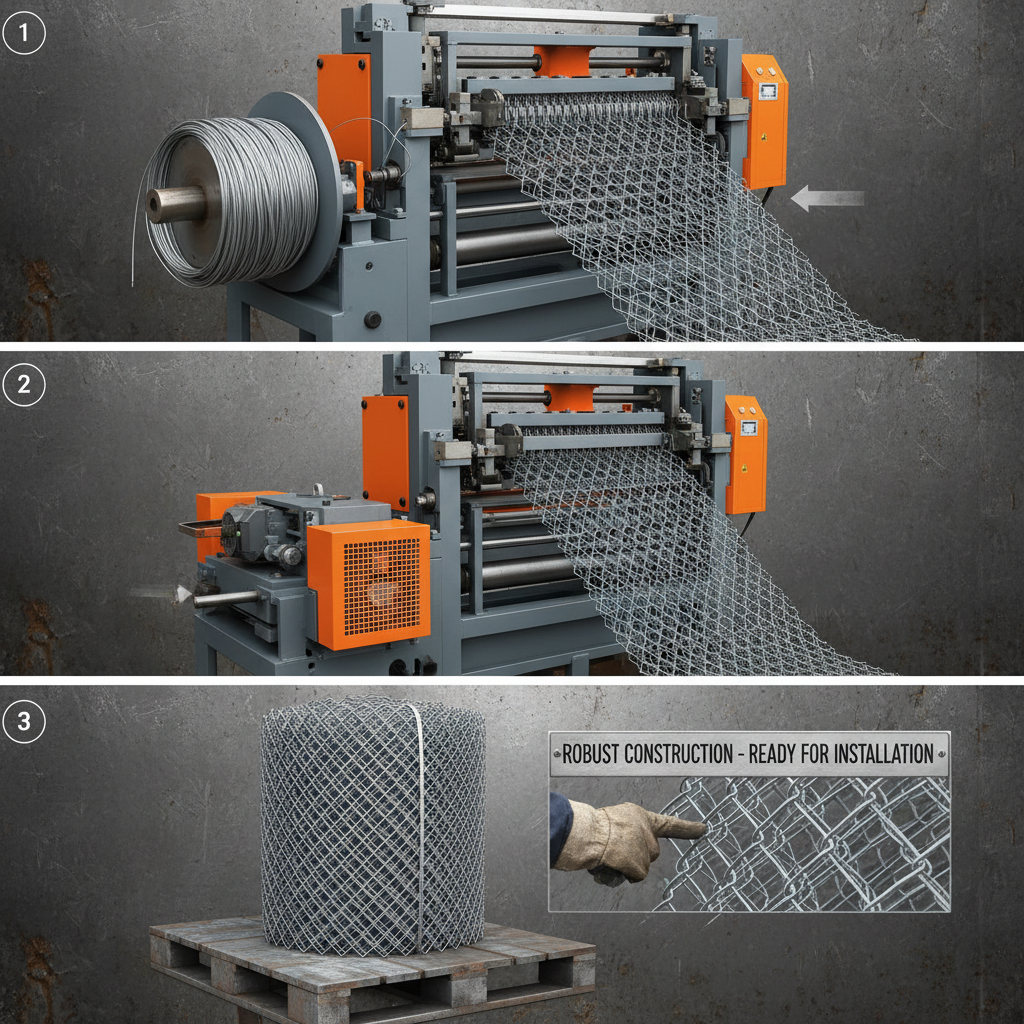
A typical chain link fence system consists of several key components working together. The chain link fabric itself, woven from galvanized steel wire, forms the main barrier. Posts, typically steel, provide the vertical support, and are often set in concrete for stability. Top rails and tension wires run horizontally, providing strength and rigidity to the fabric. Brace bands and tension bands attach the fabric and rails to the posts. Finally, fittings such as caps, sleeves, and hardware ensure a secure and durable installation. The quality of each component significantly impacts the fence’s longevity and overall performance. You can find all these components at Fencing Wire Mesh.
Key Takeaway: The integrity of a chain link fence hinges on the quality and proper installation of its individual components.
Chain Link Fence Variations and Coatings
Chain link fencing isn’t a one-size-fits-all solution. Variations exist based on wire gauge (thickness), mesh size (the size of the diamond openings), and height. Heavier gauge wire provides greater security, while smaller mesh sizes offer enhanced containment. Beyond galvanized steel, chain link can also be coated with vinyl (PVC) for aesthetics and increased corrosion resistance. This vinyl coating comes in a variety of colors, offering a more visually appealing alternative to traditional silver galvanized steel. You’ll also find options like aluminum chain link, which is lightweight and rustproof, ideal for certain applications.
Common Chain Link Coatings:
• Galvanized: Standard, cost-effective, corrosion-resistant.
• Vinyl-Coated: Aesthetic appeal, enhanced corrosion resistance, available in various colors.
• Aluminum: Lightweight, rustproof, suitable for specific applications.
Chain Link Fence Cost Comparison
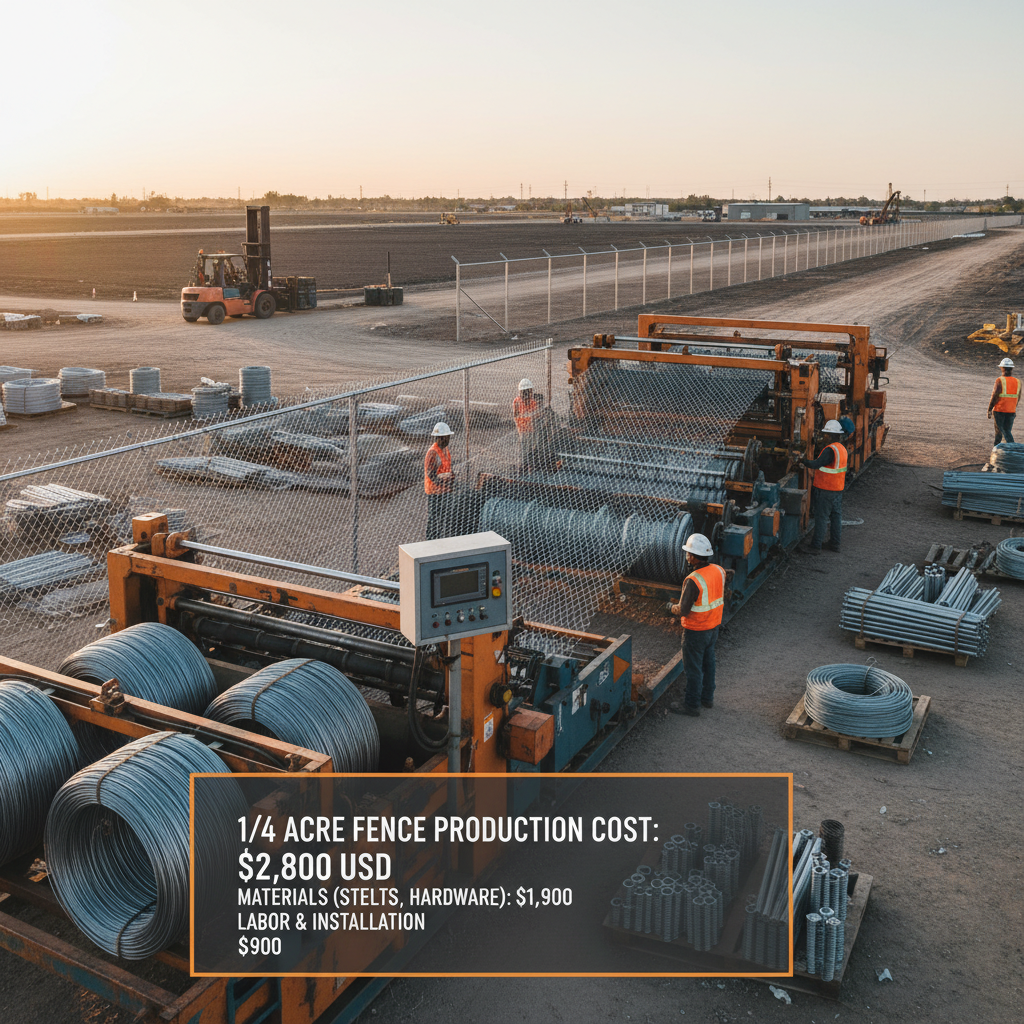
The cost of a chain link fence varies depending on several factors, including height, gauge, coating, and installation complexity. Here’s a general cost comparison (prices are approximate and can vary by location):
Benefits of Choosing Chain Link Fencing
Chain link fencing offers numerous advantages. It's a highly cost-effective security solution, providing excellent perimeter protection without breaking the bank. It’s also remarkably durable and requires minimal maintenance. Its visibility can be an asset in certain applications, such as sporting fields or commercial properties where you want to maintain an open view. Finally, it's relatively easy to install, making it a practical choice for both DIYers and professional contractors. Fencing Wire Mesh provides high-quality chain link solutions for all your fencing needs.
Chain Link Fence Maintenance and Longevity
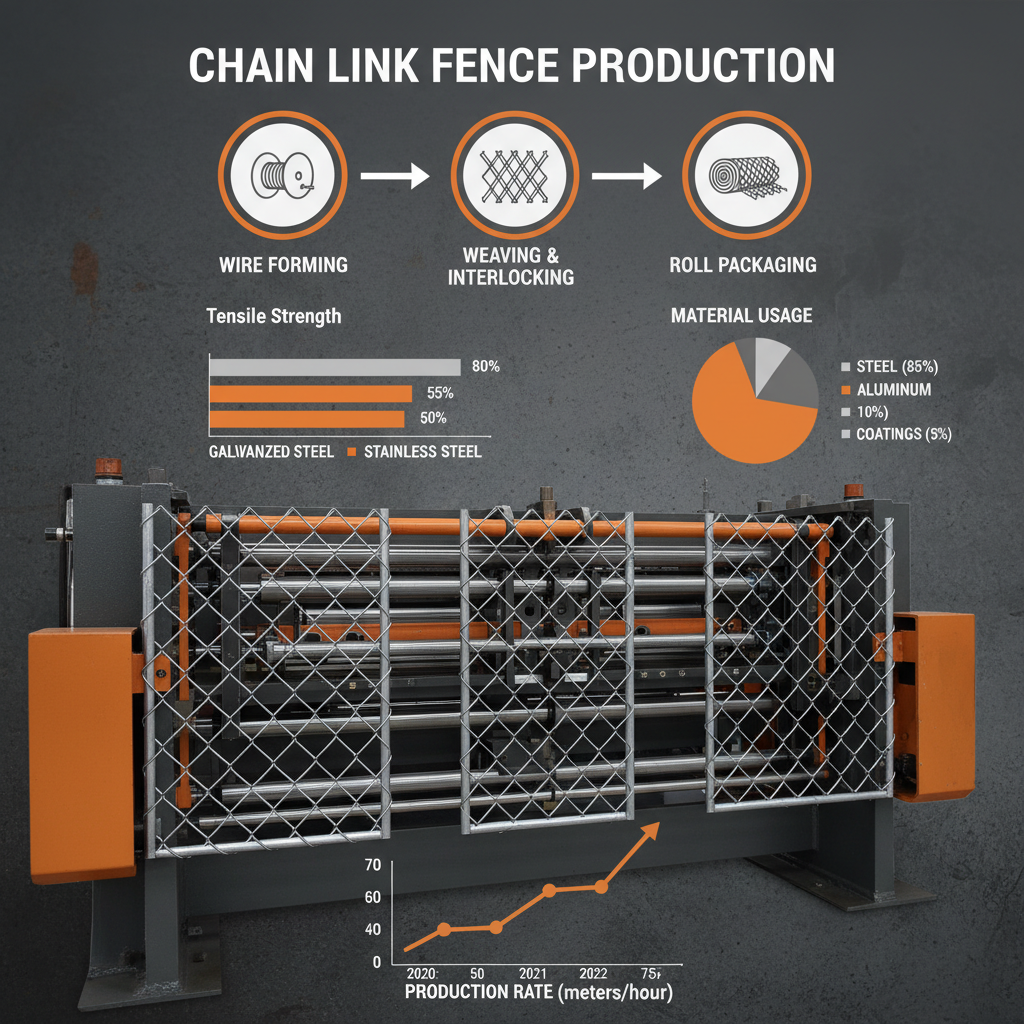
While chain link fencing is low-maintenance, some upkeep is necessary to maximize its lifespan. Regularly inspect the fence for any signs of damage, such as broken wires, loose fittings, or rust. Clean the fence periodically with a mild detergent and water to remove dirt and debris. For galvanized chain link, applying a zinc-rich coating can help prevent rust. Addressing minor issues promptly can prevent them from escalating into more costly repairs. With proper care, a chain link fence can provide decades of reliable service.
Conclusion: A Practical and Reliable Fencing Solution
The chain link fence remains a popular choice for a reason: it offers a compelling combination of security, affordability, and durability. Understanding the different components, variations, and maintenance requirements will help you make an informed decision and ensure your fence provides long-lasting value. For quality chain link fencing products and expert advice, visit Fencing Wire Mesh today.
Frequently Asked Questions (FAQs)
What is the standard height for a residential chain link fence?
The most common height for a residential chain link fence is 6 feet. This height provides a good balance of security and aesthetic appeal. However, local regulations may dictate maximum allowable fence heights, so it's important to check with your local authorities before installing a fence. Some homeowners also opt for 4-foot fences for decorative purposes or to delineate property lines without creating a significant visual barrier. Ultimately, the best height depends on your specific needs and preferences.
How often should I replace a chain link fence?
A well-maintained chain link fence can last for 20-30 years or even longer. However, the lifespan depends on factors such as the quality of the materials, the climate, and the level of maintenance. Signs that it's time to replace your fence include extensive rust, broken or sagging wires, and unstable posts. Regular inspections and prompt repairs can significantly extend the fence's life. Consider replacing the fence if damage is widespread and repairs become more costly than replacement.
Can a chain link fence be used for pet containment?
Yes, chain link fences can be effective for pet containment, but it depends on the size of your pet and the mesh size of the fence. Smaller mesh sizes are necessary to prevent smaller dogs or cats from squeezing through the openings. You may also consider adding a bottom rail or “footer” to prevent pets from digging under the fence. It's also important to ensure the gate is securely latched to prevent escapes. For larger dogs, a standard chain link fence with a 9-gauge wire and 2 3/8” mesh size is usually sufficient.
What is the difference between galvanized and vinyl-coated chain link?
Galvanized chain link is coated with zinc to protect against rust, offering good corrosion resistance at a lower cost. Vinyl-coated chain link has a layer of vinyl (PVC) over the galvanized steel, providing superior corrosion resistance and a more aesthetically pleasing appearance. Vinyl-coated chain link is more expensive but offers increased longevity and a variety of color options. Choose vinyl-coated for harsh climates or if aesthetics are a priority, and galvanized for more budget-conscious applications.