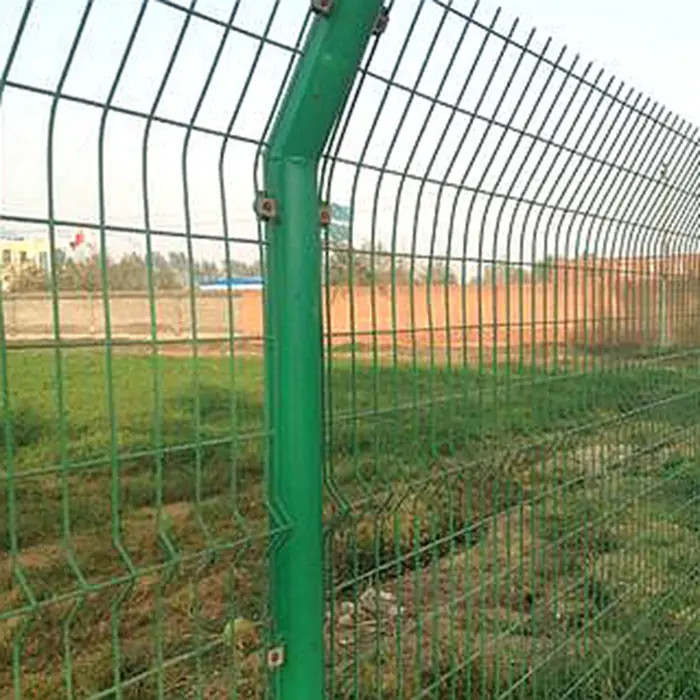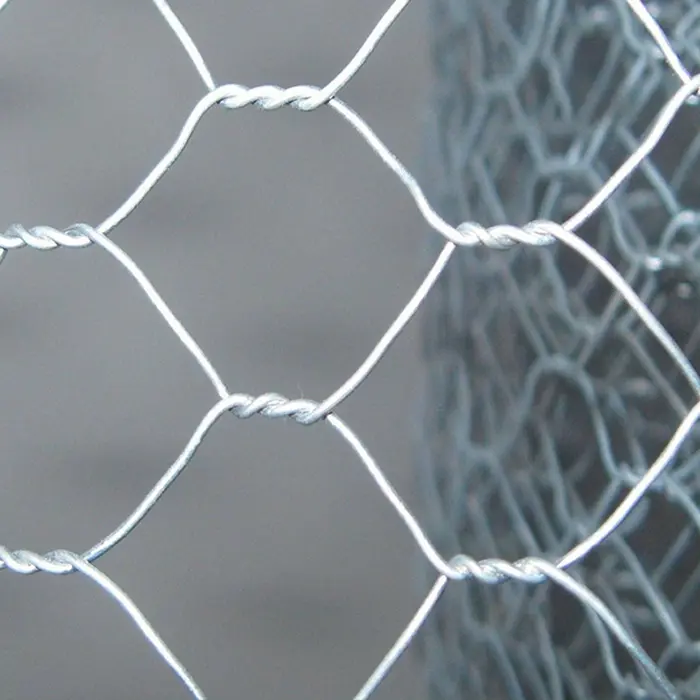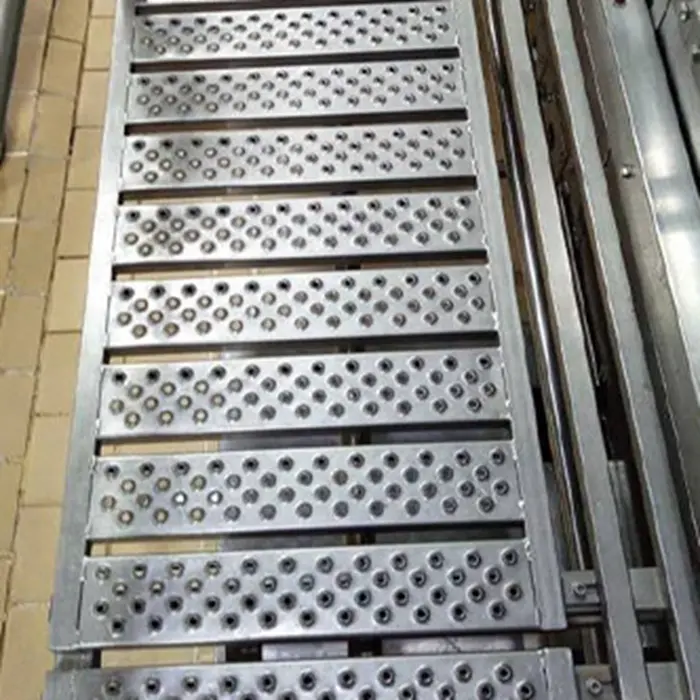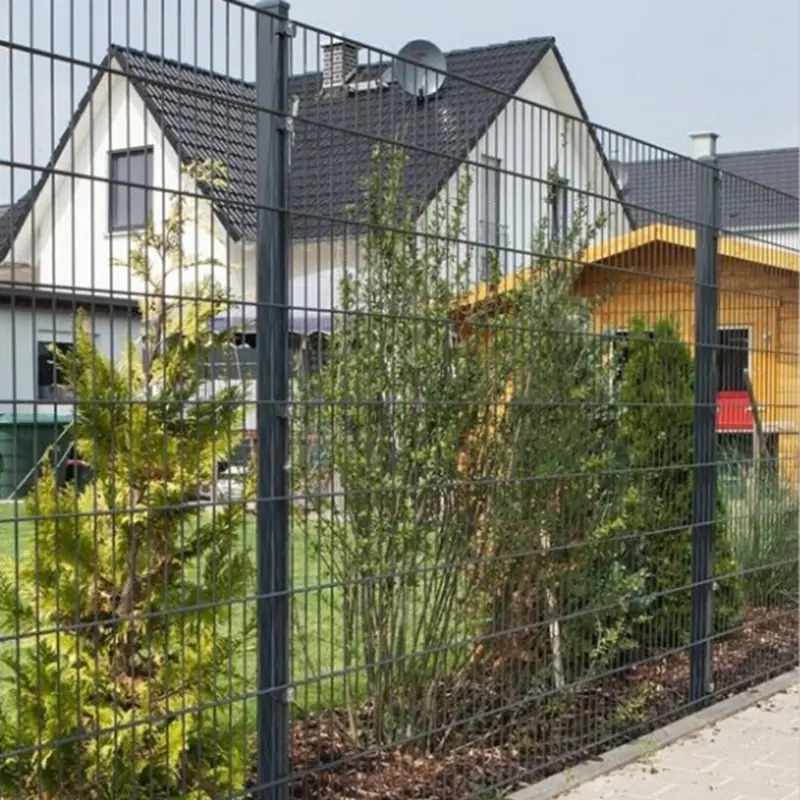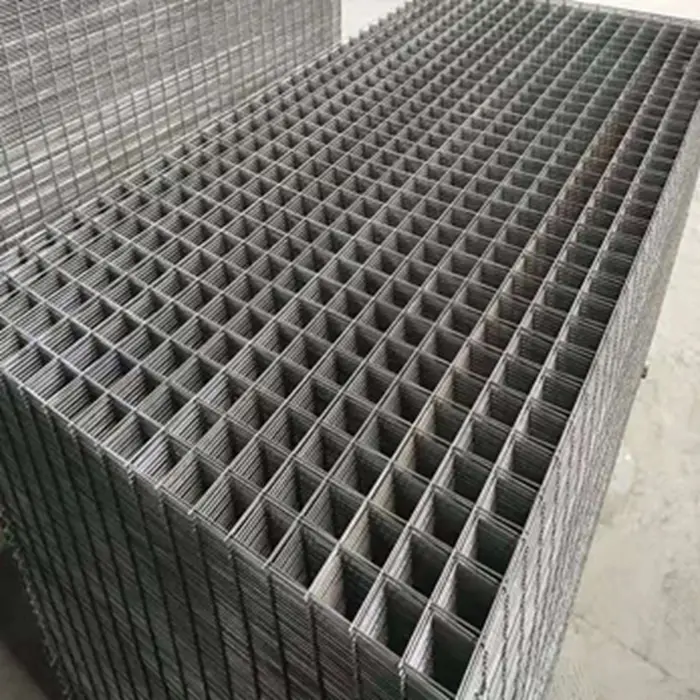

Material: Q235, stainless steel, galvanized sheet
Surface treatment: spray paint, plastic spray, galvanized
Production process: sawing machine, laser cutting, using high-quality steel, acid and alkali resistant and not easy to rust
welding, tight welding
Spray coating, color can be customized according to customer requirements
Usage scenarios: highways, bridges, river/landscape railings
The fabrication and installation of a bridge guardrail system are defined by rigorous engineering specifications, with the welding process standing as a critical phase that determines the structural integrity, safety performance, and longevity of the barrier. The quality of welds directly influences the guardrail’s ability to withstand impact loads, making the control of the welding process of bridge guardrail components a paramount concern for bridge engineers and fabricators.
Bridge Guardrail Design and Material Selection for Welding
The starting point for the welding process is the specific bridge guardrail design. Modern guardrails are classified by their performance requirements (e.g., MASH Test Levels) and their material type, both of which dictate the appropriate welding methods and procedures.
Materials Commonly Welded:
Steel (Carbon and High-Strength Low-Alloy): The most common material, offering excellent impact resistance and weldability. Standard structural steels (e.g., ASTM A36, A572, A992) are used for posts, rails, and base plates.
Aluminum Alloys: Used primarily for pedestrian or aesthetic railings where corrosion resistance and light weight are priorities. Specific alloys (e.g., 6061-T6) require specialized welding techniques to manage heat and prevent cracking.
Design Influence: The geometry of the guardrail—whether it's a tubular railing system, a box-beam assembly, or a fabricated steel component that serves as a vehicle barrier—dictates the complexity and type of weld joints required. Typical joints include T-joints, lap joints, and full-penetration butt welds, particularly in critical load-bearing areas such as connections between posts and base plates.
The Stages of the Bridge Guardrail Process: A Welding Focus
The bridge guardrail process involving welding can be broken down into three critical stages: preparation, execution, and inspection. Maintaining strict control over each stage is essential to meet structural and safety code requirements.
1. Preparation: Fit-Up and Surface Conditioning
Before any arc is struck, meticulous preparation is required to ensure a sound weld.
Component Preparation and Fit-Up: Components must be precisely cut and aligned to the tolerances specified in the bridge guardrail design drawings. Improper fit-up (e.g., excessive gaps) leads to insufficient weld throat size, weak joints, and potential distortion. Fixtures and jigs are often used to maintain alignment during tack welding.
Cleaning and Surface Conditioning: The weld area must be free of contaminants that could compromise weld quality. This includes rust, mill scale, paint, oil, or excessive galvanizing material. Cleaning is typically performed via grinding, wire brushing, or solvents. For high-performance steels, the presence of even small amounts of contaminants can lead to porosity and hydrogen-induced cracking.
Preheating (Where Necessary): For thicker sections or certain high-strength steels, preheating the joint area is necessary to slow the cooling rate of the weld metal and the heat-affected zone (HAZ). This is a critical step in the welding process of bridge guardrail components to mitigate the risk of brittle fracture.
2. Execution: Welding Techniques and Procedure Specification
The actual welding stage relies on the application of qualified welding procedures that specify the technique, electrodes, and parameters.
Common Welding Methods:
Shielded Metal Arc Welding (SMAW): Versatile and widely used for its simplicity and ability to handle various conditions, but slower than other methods.
Flux-Cored Arc Welding (FCAW): Highly productive, often used for out-of-position welds and fabrication in the shop or field. It provides robust penetration and is suitable for heavy sections.
Gas Metal Arc Welding (GMAW): Provides high deposition rates and is often used in shop fabrication for achieving clean, high-quality welds.
Welding Procedure Specification (WPS): Every welder must work to an approved WPS, which is a formal document detailing all essential variables (e.g., voltage, amperage, travel speed, filler metal, and shielding gas) to ensure repeatable and high-quality results. The WPS must be qualified through testing based on industry standards like AWS D1.1 (Structural Welding Code—Steel).
Distortion Control: Heat input from welding causes thermal expansion and contraction, potentially leading to warping or distortion. Weld sequencing (e.g., skip welding or back-step welding) and the use of restraint techniques are crucial elements of the bridge guardrail process to control this phenomenon and maintain geometric tolerances.
3. Inspection and Post-Weld Treatment
The final stage ensures the completed welds meet the required quality and performance standards.
Visual Inspection (VT): All welds undergo 100% visual inspection to check for obvious flaws such as cracks, excessive porosity, undercut, inadequate size, or incorrect profile. Visual inspection is the first and most fundamental quality control check in the welding process of bridge guardrail systems.
Non-Destructive Testing (NDT): For critical full-penetration welds in load-bearing members, supplementary NDT methods are typically required:
Magnetic Particle Testing (MT) or Liquid Penetrant Testing (PT): Used to detect surface-breaking discontinuities.
Ultrasonic Testing (UT) or Radiographic Testing (RT): Used to detect internal flaws, such as lack of fusion or inclusions, within the weld metal.
Post-Weld Treatment (Galvanization): Most steel bridge guardrails are galvanized (coated with zinc) to provide long-term corrosion protection. Before galvanization, any weld spatter, slag, or sharp edges must be removed. The galvanizing process itself requires specific handling to prevent distortion due to the high-temperature zinc bath.
The welding process of bridge guardrail components is a highly specialized and regulated craft integral to public safety. From the initial bridge guardrail design specifying joint details and materials, through the meticulous preparation and qualified execution, to the final inspection and post-weld treatment, every step in the bridge guardrail process must adhere to rigorous structural welding codes. The integrity of these welds is the final line of defense against catastrophic failure during a vehicular impact, solidifying welding's role as a non-negotiable determinant of a bridge barrier's effectiveness and its expected service life.