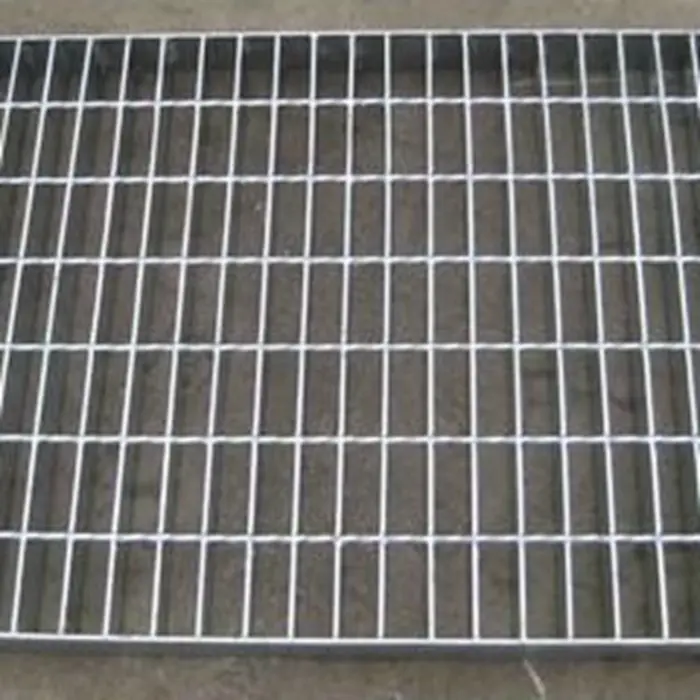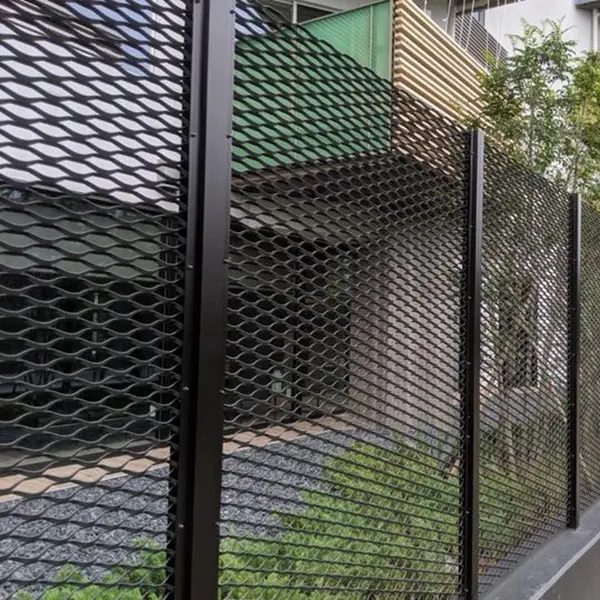

Steel bar grating is an extremely versatile product widely used in industrial, commercial, and architectural construction. It consists of a series of equally spaced bearing bars (the primary load-carrying elements) and perpendicular cross rods (usually twisted square bars or round bars) that are joined together by welding, pressure locking, or riveting. This open-grid structure provides exceptional drainage, ventilation, slip resistance, and high load-bearing capacity, making it an ideal choice for platforms, walkways, trench covers, and stair treads.
In infrastructure development and maintenance, selecting the appropriate type of steel bar grating is crucial, as it directly impacts the safety and longevity of the structure. The market offers various types, primarily classified by their manufacturing process, material, and required load capacity. Experienced bar grating suppliers play a vital role in recommending the most suitable solution based on the specific application environment, such as load requirements, corrosive conditions, and installation constraints.
Steel Bar Grating: Classification by Manufacturing Process
The manufacturing method determines the structural characteristics and performance of the metal bar grating. The main fabrication types include:
1. Welded Steel Bar Grating (Type “W”)
Characteristics: This is the most common and widely used type. It is manufactured by an electro-forging process where intense heat and pressure resistance-weld the cross rods to the bearing bars. The weld points are sturdy and stable, allowing the grating to withstand significant impact and load.
Applications: Suitable for most industrial platforms, walkways, and standard trench covers. Its high strength and cost-effectiveness make it a standard choice for many projects.
2. Swage-Locked Metal Bar Grating (Type “SL”)
Characteristics: The bearing bars are pre-punched, and the tubular cross bars are inserted into the holes and then swaged (mechanically locked) under tremendous pressure. This process eliminates the need for welding, resulting in uniform load distribution and a clean, aesthetically pleasing appearance.
Applications: Often preferred where high lateral strength and appearance are important, such as in architectural facades, ceilings, and pedestrian walkways, or in applications sensitive to heat distortion from welding.
3. Press-Locked Steel Bar Grating (Type “P” or “DT”)
Characteristics: Both the bearing bars and the cross bars are slotted. They are joined by forcing the cross bars into the bearing bar slots under high hydraulic pressure, creating a tight mechanical lock. This method provides a very smooth and flat surface finish compared to welded grating.
Applications: Primarily used for aesthetic applications, screening, and for manufacturing grating from aluminum or other materials that are difficult to weld.
Meeting Extreme Demands: Heavy Duty Steel Bar Grating
For applications that require handling extreme loads, such as areas with vehicular traffic, airports, marine ports, or heavy machinery platforms, standard steel bar grating may not suffice. In these situations, heavy duty steel bar grating is the necessary choice.
1. Defining Heavy Duty Steel Bar Grating
Heavy duty steel bar grating is characterized by the use of much thicker and deeper bearing bars. For instance, bearing bar thickness may increase from a standard 3mm ($1/8''$) up to 6mm ($1/4''$) or even 10mm ($3/8''$), with a corresponding increase in depth. The bearing bar spacing may also be reduced. These structural enhancements significantly boost the grating's bending resistance and overall load capacity, enabling it to safely support wheeled vehicles or exceptionally heavy equipment.
2. Key Applications for Heavy Duty Grating:
Airfields and Aprons: To withstand the weight and impact of aircraft.
Industrial Plant Runways and Piers: To bear the load of forklifts and heavy goods vehicles.
Municipal Engineering: Used for drain covers across major roadways to handle bus and truck traffic.
Power Plants and Refineries: Platforms in areas supporting critical, heavy equipment.
Steel Bar Grating: Classification by Surface and Finish
Regardless of the type of metal bar grating, the surface finish and style are vital for extending its service life and ensuring site safety.
1. Hot-Dip Galvanizing
Characteristics: This is the most common and effective protective finish. The fabricated steel bar grating is submerged in a bath of molten zinc, forming a protective zinc-iron alloy coating. This coating offers superior corrosion resistance.
Applications: Essential for all outdoor and wet/corrosive environments, including marine structures, wastewater treatment plants, chemical facilities, and general industrial platforms.
2. Plain vs. Serrated Surface
Plain Grating: Features a smooth, flat top edge on the bearing bars. It is the standard type and offers a comfortable walking surface under normal conditions.
Serrated Grating: The top edge of the bearing bars is notched or saw-toothed. This significantly increases surface friction.
Applications: The serrated type is critical for safety in slippery conditions caused by oil, grease, water, or ice, making it ideal for offshore drilling rigs, oil storage areas, and food processing facilities.
Choosing the Right Bar Grating Suppliers
Selecting reputable bar grating suppliers is a critical step in ensuring project quality. An excellent supplier should possess the following capabilities:
Product Range: Must offer a diverse range of steel bar grating types, including standard, press-locked, and heavy duty steel bar grating specifications.
Fabrication Capability: The ability to perform precise custom fabrication, including cutting, banding, trimming, and notching, according to complex engineering drawings and field dimensions.
Quality Assurance: Products should comply with national or international standards (such as ANSI/NAAMM or ASTM A123 for galvanizing) and be accompanied by material and quality certificates.
Technical Expertise: A reliable supplier can provide consultation on the best material, size, and finish options based on the client's specific application and load requirements.
Steel bar grating has become an indispensable material in modern industry and construction due to its structural strength, light and air permeability, and ease of installation. From standard metal bar grating walkways to platforms made of high-capacity heavy duty steel bar grating, each type serves a unique purpose. Partnering with professional bar grating suppliers to ensure the right specifications and finishes are procured is the foundational step for guaranteeing the long-term success and safety of any project.