
The modern cattle farm fence net, often referred to simply as a metal cattle fence, is a sophisticated perimeter solution that has evolved far beyond traditional low-carbon steel barriers. Today’s ranching demands reliable, durable, and cost-effective fencing capable of withstanding the rigors of harsh weather and the strong impact of large livestock. The manufacturing process is engineered to produce a product that is high-strength, flexible, and exceptionally long-lasting, making it a cornerstone of efficient livestock management.
This comprehensive guide details the step-by-step production of high-quality farm fence netting, focusing on the critical stages that transform raw cattle fence wire into the final product, specifically highlighting the advanced "fixed knot" design essential for high tensile fixed knot wire fencing for cattle.
Material Preparation: The Foundation of the Heavy Duty Cattle Fence
The durability of the fence begins with the selection and preparation of the core material: the steel wire. For a truly heavy duty cattle fence, the focus is always on high tensile strength and superior corrosion resistance.
1. High Tensile Steel Wire
The raw material is high-carbon or high-tensile steel wire. Unlike standard low-carbon wire, high-tensile wire offers significantly greater strength and elasticity. This strength is crucial because it allows the fence to be installed under much greater tension, resulting in a tighter, more rigid barrier that can better resist stretching, sagging, and the pressure exerted by livestock. This material forms the backbone of high tensile fixed knot wire fencing for cattle.
2. Hot-Dip Galvanizing (HDG)
Before weaving, the cattle fence wire undergoes a hot-dip galvanizing process. This is a critical step that dictates the fence’s longevity. The steel wire is cleaned and immersed in a bath of molten zinc, forming a metallurgically bonded coating.
Zinc Thickness: The quality of the galvanization directly determines the service life. For a heavy duty cattle fence, a heavier zinc coating is applied, ensuring decades of protection against rust and corrosion in challenging outdoor environments.
Adaptation to Harsh Environments: The robust zinc layer protects the wire from moisture, chemical runoff, and extreme temperature fluctuations common in grassland areas.
Advanced Weaving: Producing High Tensile Fixed Knot Wire Fencing for Cattle
The weaving stage is where the fence takes its final structural form. While simpler hinge-joint methods exist, the production of high-quality, high-tensile cattle fence netting relies on the superior "fixed knot" technique.
1. The Fixed Knot Machine
Specialized, high-speed weaving machines are used for fixed knot production. The process involves laying out the vertical "stay" wires and then running the horizontal "line" wires. At every intersection, the line wire is looped around the stay wire, creating a rigid, non-slip knot.
2. Advantages of the Fixed Knot
The fixed knot provides several structural advantages over simpler hinge joints:
Structural Integrity: Because the knot is rigidly locked, it cannot slide. When impacted, the force is distributed across the entire fence section, rather than concentrating stress at a single point, preventing the collapse of individual mesh squares.
High Tension Application: The fixed knot allows the entire mesh panel—the high tensile fixed knot wire fencing for cattle—to be tightly strained during installation without the knots pulling loose. This results in a fence that remains taut and resilient, even over long spans and uneven terrain.
Vertical Wire Rigidity: The tight knotting secures the vertical stay wires, preventing them from bunching up or spreading apart, maintaining uniform mesh size.
3. Cattle Hexagonal Fence and Mesh Variations
Although the fixed knot design produces rectangular or square mesh patterns, the term cattle hexagonal fence is sometimes used generically to describe various types of livestock field fencing, including certain hinge-joint or woven variations. However, for maximum strength and tension capability, the rectangular fixed knot pattern is generally preferred for heavy cattle and equine applications.
The machine allows for variable mesh sizing: smaller openings at the bottom to contain smaller livestock like sheep and goats, and larger openings higher up, where only cattle are present.
Cattle Fence : Ensuring Elasticity and Durability
The final stages of production involve critical processes that enhance the fence's functional performance in the field.
1. The Corrugation Process
A distinctive feature of high-quality cattle fence netting is the "crimp" or corrugation applied to the horizontal line wires, typically achieved through specialized rollers within the weaving machine.
Elasticity and Buffering: This corrugation introduces a spring-like or buffering function into the metal cattle fence. When an animal pushes against the fence, the crimp allows the wire to stretch slightly and absorb the impact energy, then spring back to its original position.
Thermal Adaptability: More importantly, the corrugation acts as an expansion and contraction joint. In regions with extreme seasonal temperature changes, the metal wire will expand and contract. The crimp allows for this deformation without causing the entire fence line to go slack in the heat or snap under tension in the cold, ensuring the fence remains tight and functional year-round.
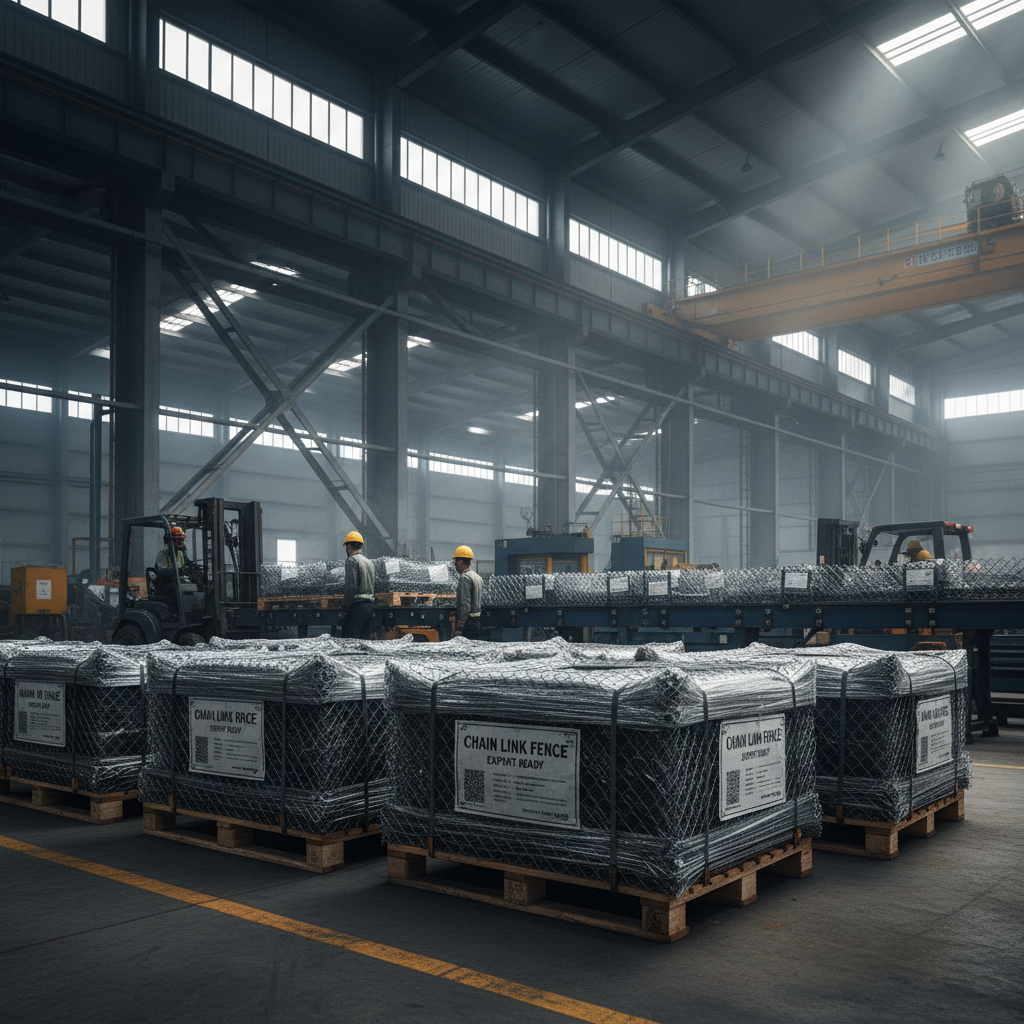
2. Final Forming and Packaging
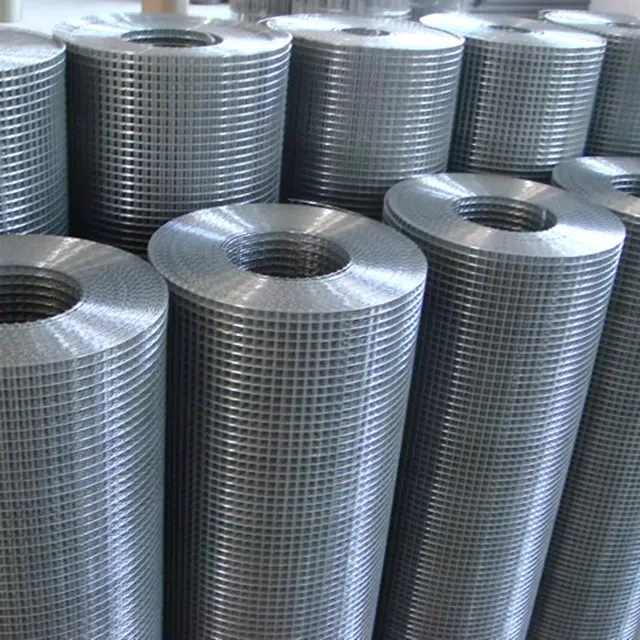
After weaving and corrugation, the continuous fence netting is cut to specified lengths and wound into large, compact rolls.
Roll Size: The rolls are designed for easy handling and transport, despite the inherent weight of the heavy duty cattle fence material.
Quality Assurance: Each roll is inspected to ensure knot integrity, wire gauge consistency, and zinc coating thickness. Proper branding identifies the product as reliable galvanized cattle fencing ready for distribution.
The Security of Galvanized Cattle Fencing
The production of the cattle farm fence net is a testament to precision engineering, where every step—from selecting high-tensile, hot-dip galvanized cattle fence wire to the critical weaving of the fixed knot—is designed for maximum security and longevity. The resulting high tensile fixed knot wire fencing for cattle provides ranchers with a durable, resilient, and virtually maintenance-free boundary solution. This robust metal cattle fence, reinforced by the sophisticated corrugation design, stands as the gold standard in heavy duty cattle fence systems, offering a safe and reliable perimeter that endures the demands of commercial ranching for decades.