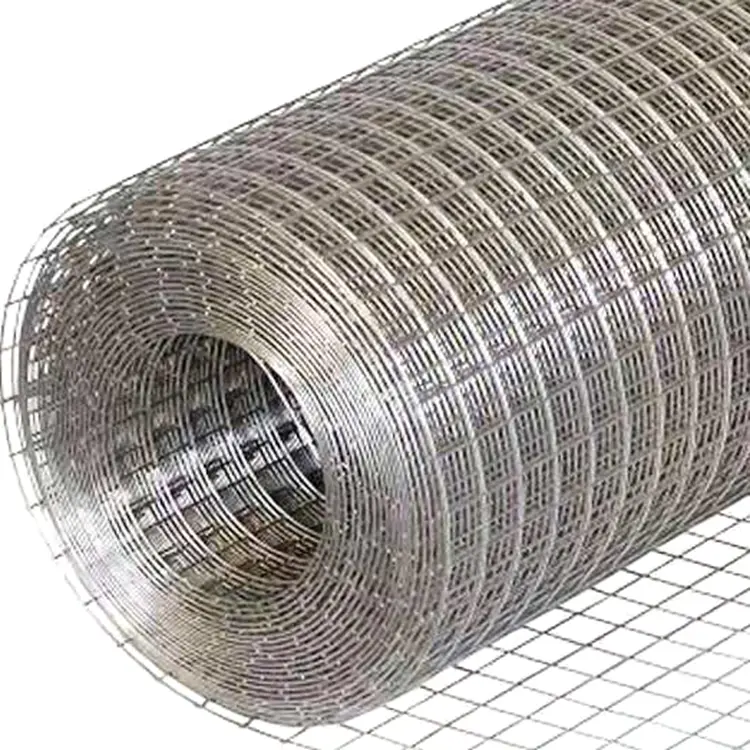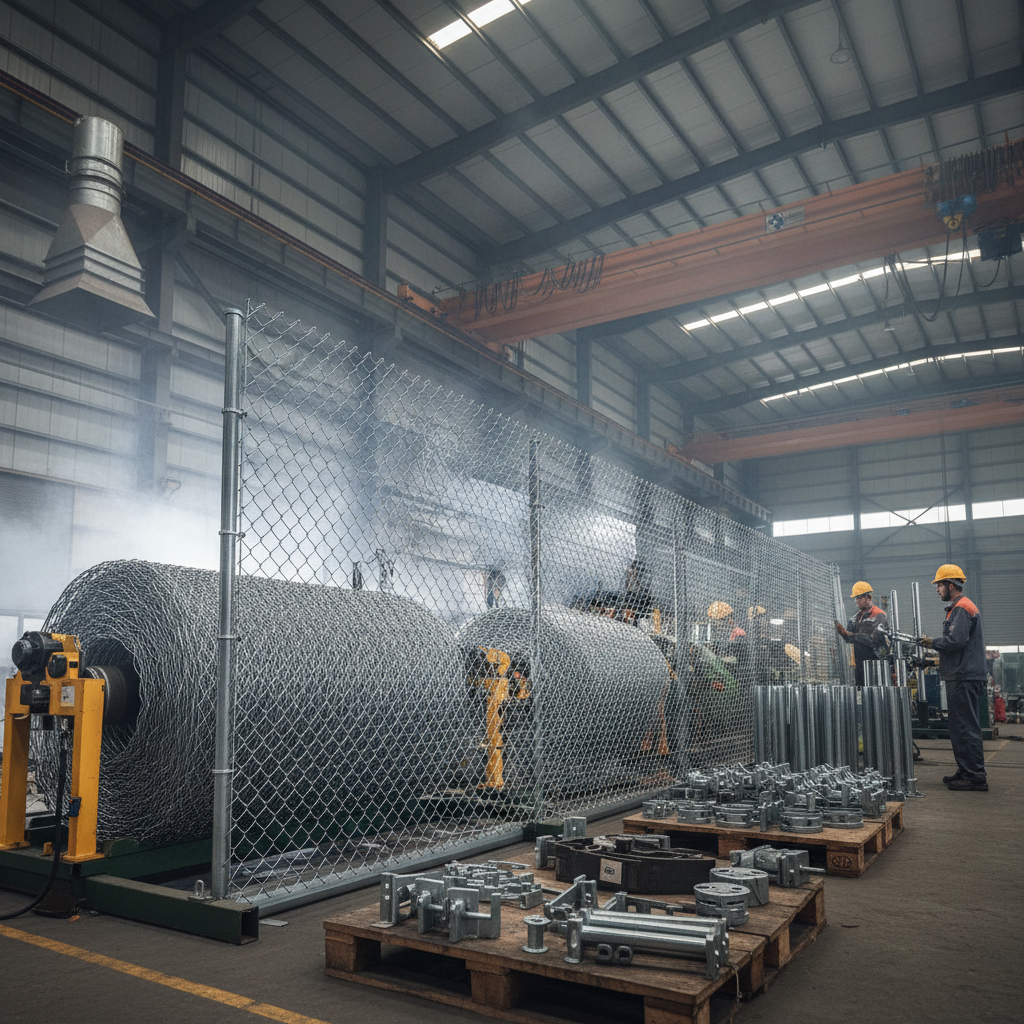

Welded wire mesh is generally welded with low carbon steel wire, and has been passivated and plasticized on the surface, so that it can achieve the characteristics of flat mesh surface and strong solder joints. At the same time, it has good weather resistance, plus Anti-corrosion, so the service life of such welded wire mesh is very long, and it is very suitable for use in the field of construction engineering.
Welded wire mesh, particularly when fabricated from low carbon steel wire, stands as a foundational material in modern construction, playing a vital role in ensuring structural integrity and stability. Its pervasive use in the field of construction engineering is a testament to its unique combination of mechanical strength, reliable joint integrity, and long-term durability, often enhanced by specialized surface treatments.
The Fundamental Strength of Welded Wire Mesh
The structural efficacy of welded wire mesh is derived from its precise manufacturing process. It is typically produced by welding low carbon steel wires—both longitudinal and transverse—at every intersection. This process creates a uniform grid pattern, forming a composite material whose strength is greater than the sum of its individual components.
Uniform Load Distribution
The grid structure is key to achieving structural stability. When the mesh is subjected to a load, the uniform spacing of the wires and the strong resistance of the welded joints ensure that the stress is distributed across a large area, rather than being concentrated on a single point. This characteristic is essential when the mesh is integrated into concrete structures, where it functions as reinforcement. The ability to distribute tensile forces evenly prevents localized cracking and catastrophic failure, thereby enhancing the overall stability of the element being reinforced. The reference material specifically notes the "strong solder joints," which is the physical realization of this load transfer capability.
Material Properties: Low Carbon Steel
Low carbon steel wire is utilized due to its excellent balance of strength, ductility, and cost-effectiveness. The low carbon content makes the wire inherently flexible, allowing it to absorb energy and undergo plastic deformation before fracturing—a desirable trait in seismic or high-impact zones. When this ductile wire is cold-drawn and subsequently welded, it maintains the necessary tensile strength required for demanding applications, making it an ideal core material for robust construction wire mesh.
Enhancing Concrete Composite Strength with Construction Wire Mesh
The primary structural application of welded wire mesh in construction engineering is as a tension-resisting element within concrete slabs, walls, and foundations. Concrete is inherently strong in compression but weak in tension. The role of the construction wire mesh is to provide the necessary tensile strength, thereby creating a highly stable composite structure.
Control of Cracking and Flexural Strength
When a concrete slab is cast with embedded construction wire mesh, the mesh holds the concrete together when tensile stresses develop (e.g., due to curing shrinkage, temperature changes, or external loads).
Shrinkage Control: As concrete cures, it shrinks, which can induce internal tensile stresses leading to hairline cracks. The closely spaced wires of the mesh act to limit the width of these cracks, preventing them from propagating and compromising the structural integrity of the slab.
Flexural Performance: In floor slabs and pavements, the mesh ensures that the slab can bend slightly under load without snapping. The "strong solder joints" ensure mechanical anchorage to the concrete, mobilizing the tensile strength of the steel to resist bending moments and maintaining the plane's flatness and stability over time.
By effectively managing tensile forces, the construction wire mesh significantly extends the service life of concrete structures, ensuring long-term load-bearing capability and structural stability.
Welded Wire Mesh’s Durability and Longevity: The Key to Sustained Stability
Structural stability is not just about immediate strength; it is about maintaining that strength over a prolonged service life. The reference content points out that the welded wire mesh undergoes surface treatments to ensure longevity, which is crucial for sustained performance in construction environments.
Anti-Corrosion Treatments
The two primary surface treatments mentioned are passivation and plasticizing:
Passivation: Although low carbon steel is used, passivation (often a chemical treatment or, more commonly, a pre-treatment for galvanizing) helps prepare the surface and enhance its resistance to early corrosion.
Plasticizing (PVC Coating): The application of a plastic coating provides an excellent barrier against moisture, corrosive chemicals, and chlorides. This anti-corrosion layer dramatically extends the life of the steel core. By preventing rust, the coating ensures that the cross-sectional area of the steel wire—and thus its load-bearing capacity—remains intact for a very long time, offering "very long" service life.
This resistance to environmental degradation ensures that the mesh retains its mechanical properties, allowing the overall structure to remain stable and robust despite exposure to harsh construction site conditions or aggressive service environments.
Construction Mesh Fencing and Overall Site Security
While the core structural application is concrete reinforcement, the mesh is also vital for immediate site stability and security in the form of construction mesh fencing. Temporary or permanent fencing made from welded wire mesh provides robust perimeter security and site control, contributing indirectly to structural stability by maintaining an organized and safe work zone.
Impact Resistance and Panel Rigidity
Construction mesh fencing is valued for its rigidity, which results from the flat mesh surface and strong, rigid joints. A fence panel made from welded wire mesh resists bending and impact forces far better than a chain-link fence, which is prone to deformation. This strength ensures that the fence remains upright and stable, providing a strong barrier that manages site access and protects ongoing structural work from external interference or accidental damage.
The welded wire mesh used in fencing must also possess good weather resistance, as noted in the reference. Its ability to withstand wind, rain, and temperature fluctuations without deforming or degrading means the security perimeter remains structurally sound throughout the duration of the construction project.
Welded Wire Mesh as a Stability Enabler
The consistent use of welded wire mesh in construction engineering underscores its essential role in achieving and maintaining structural stability. Whether serving as high-performance construction wire mesh embedded within concrete to handle tensile stresses and control cracking, or providing robust site security as stable construction mesh fencing, the material’s effectiveness stems from several key factors: the flat mesh surface and strong solder joints ensuring uniform load distribution; the ductile and strong low carbon steel core; and the specialized surface treatments that guarantee long-term anti-corrosion and weather resistance. By combining these material and design characteristics, welded wire mesh ensures the overall integrity and sustained structural safety required in modern construction projects.