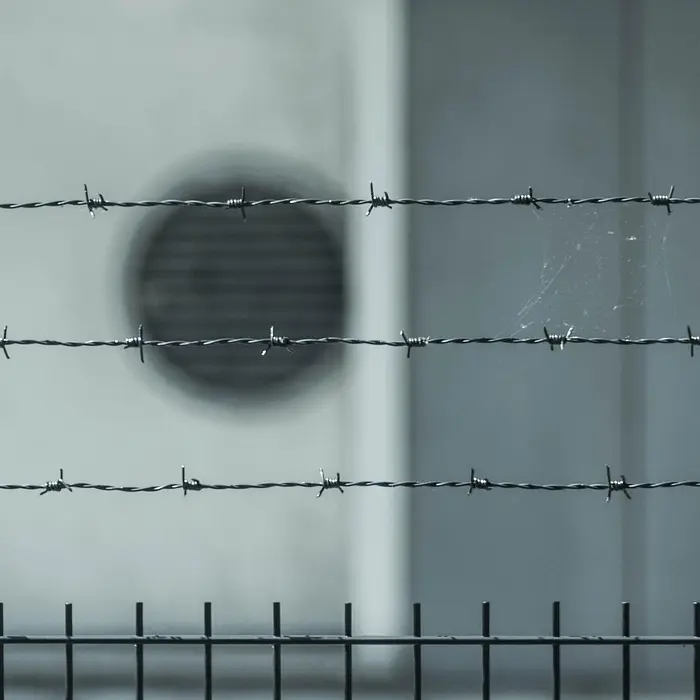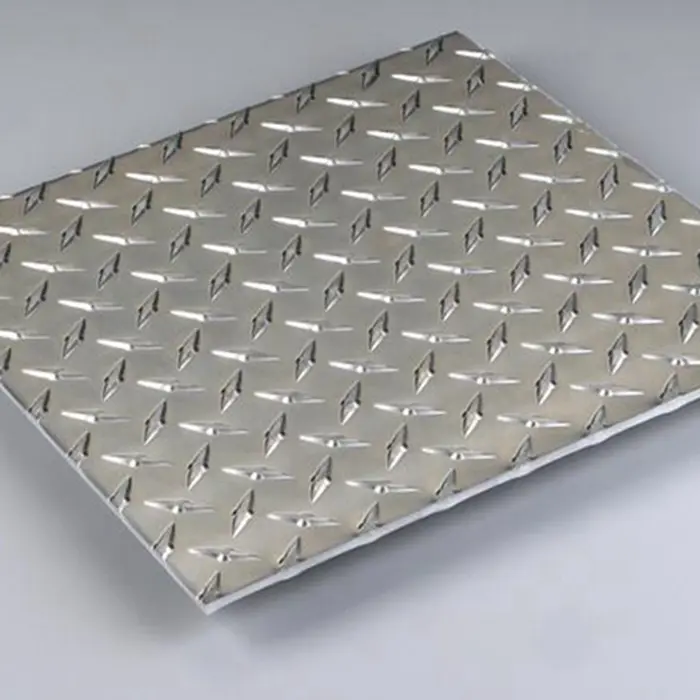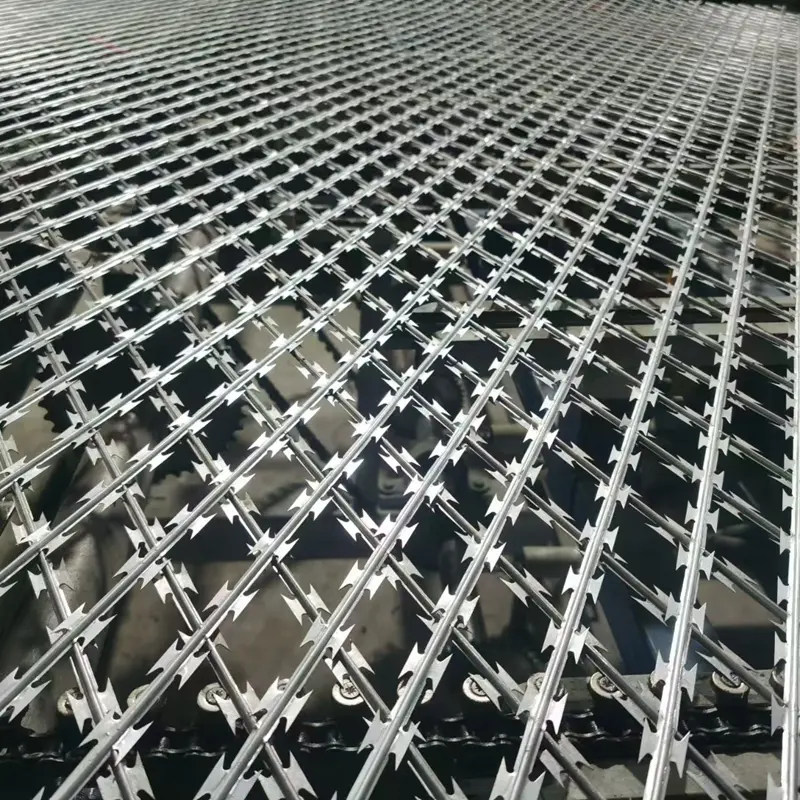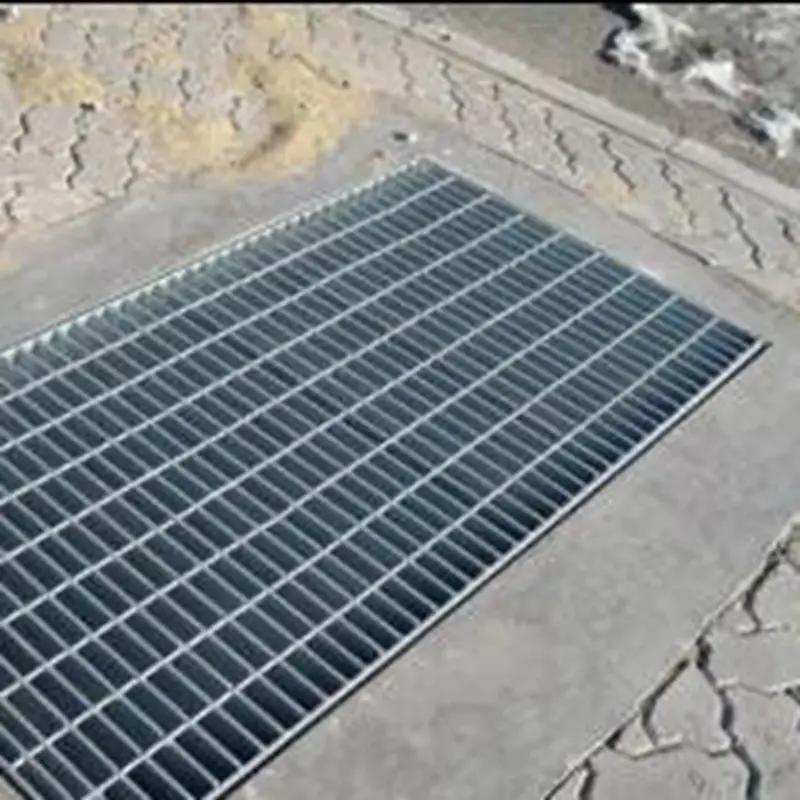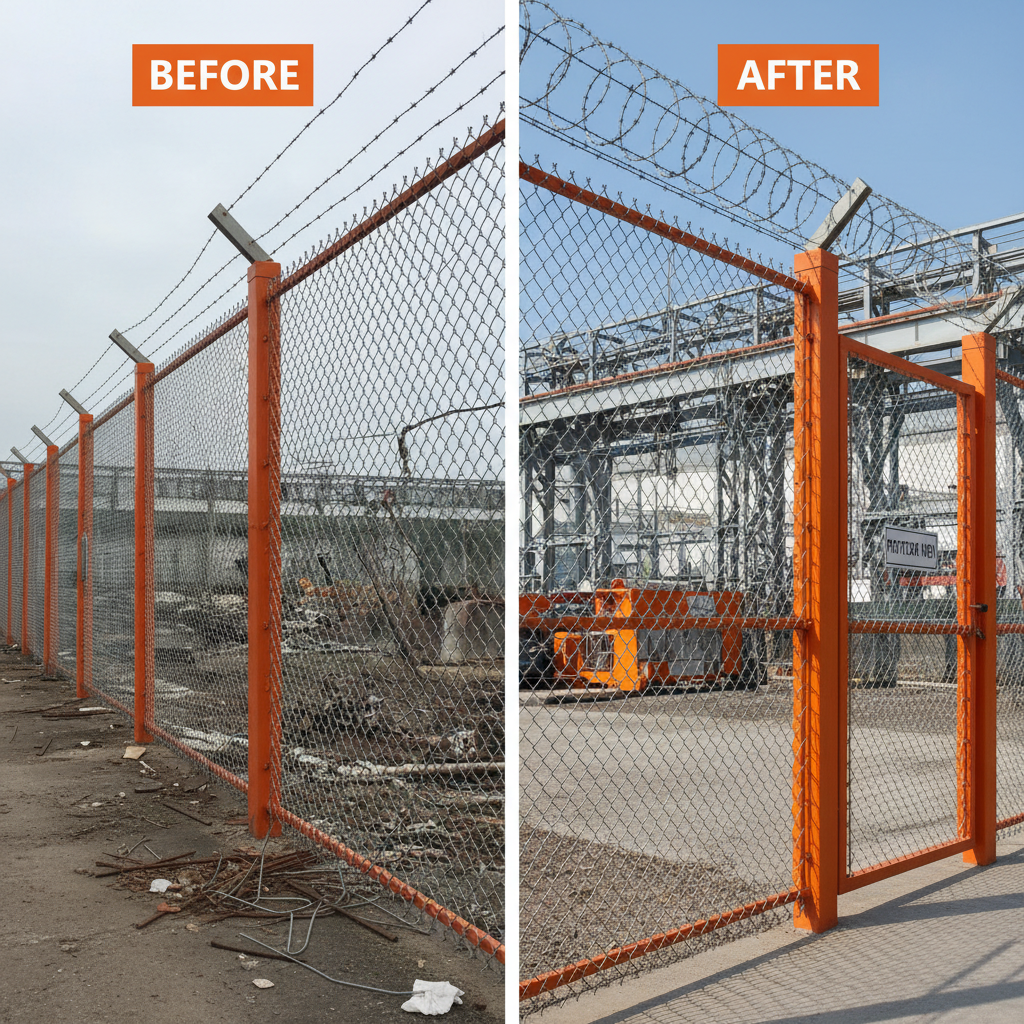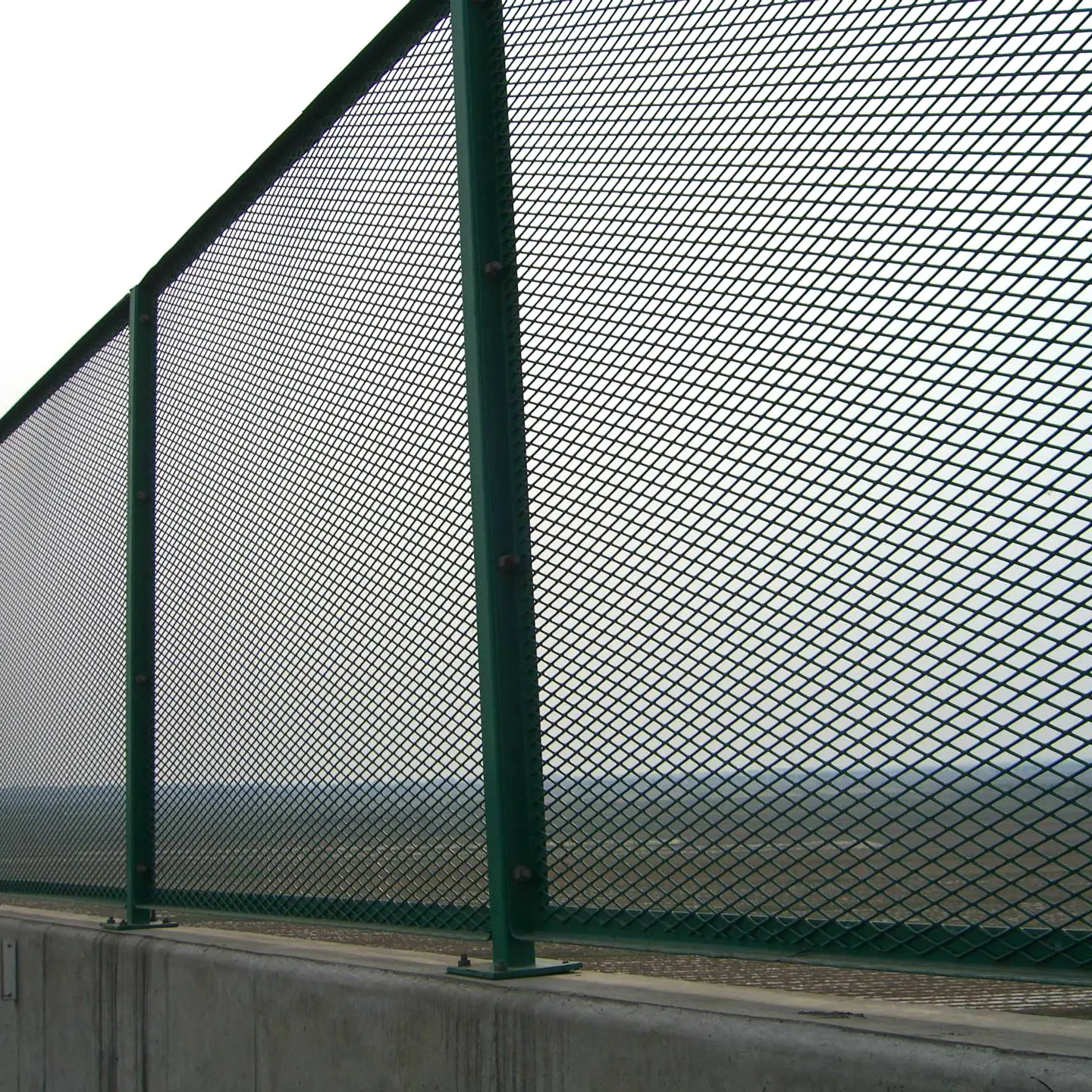

Welded wire mesh has many characteristics, including but not limited to: smooth mesh surface, uniform mesh, firm solder joints, good performance, stability, anti-corrosion, and good anti-corrosion properties.
Usage: Welded wire mesh is widely used in industry, agriculture, breeding, construction, transportation, mining, etc. Such as machine protective covers, animal and livestock fences, flower and tree fences, window guardrails, passage fences, poultry cages and home office food baskets, paper baskets and decorations.
Welded wire mesh is a ubiquitous material in construction, agriculture, and general security applications. It is formed by welding parallel longitudinal wires to parallel transverse wires, creating a sturdy, uniform grid. While this fundamental process is common, the quality of the final product can vary dramatically. In harsh environments—those subject to high humidity, corrosive chemicals, saltwater, or extreme temperatures—the distinction between standard and high-quality welded wire mesh becomes critical. The superior performance of premium mesh relies not just on the strength of the steel, but primarily on advanced protective coatings, precise manufacturing, and adherence to specific specifications, including welded wire mesh standard sizes and weight calculations.
Welded Wire Mesh’s Precision Manufacturing and Standard Sizing
High quality begins with precise manufacturing. Unlike cheaper alternatives where inconsistent wire spacing and weak welds are common, premium mesh is produced using automated, high-precision resistance welding machines. This ensures that every cross-section is fused perfectly, creating a joint that is as strong as the parent wire.
A critical aspect of specifying high-quality mesh is adhering to industry-recognized welded wire mesh standard sizes. This includes:
Mesh Opening: The clear distance between the wires, often specified in inches or millimeters. Standard sizes ensure predictable structural performance and meet specific requirements, such as animal containment or concrete reinforcement spacing.
Wire Gauge: The diameter of the wire used. Thicker gauges (smaller gauge numbers) provide higher strength and better longevity, which is vital for bearing loads or resisting physical damage in demanding conditions.
The consistency of these specifications directly impacts the material's structural integrity. A producer of high-quality mesh must also provide accurate information on welded wire mesh weight, which allows engineers and contractors to verify the material density and ensure that the correct amount and gauge of steel are being used for the application. The mesh weight is calculated based on the wire diameter and the size of the openings.
Welded Wire Mesh’s Anti-Corrosion Imperative: Galvanization and Vinyl Coatings
The true test of welded wire mesh in a harsh environment is its ability to resist corrosion. Mild steel is susceptible to rust, and once corrosion begins, the wire thins, the weld joints weaken, and the structural integrity of the entire fence or structure is compromised. High-quality products employ robust, multi-layer protection systems:
1. Heavy Galvanization
The base protection for almost all outdoor welded wire mesh is galvanization—the process of coating the steel with zinc. High-quality mesh utilizes one of two superior methods:
Galvanized After Welding (GAW): This is the highest standard. The entire mesh panel is dipped into molten zinc after the welding process is complete. This ensures that every cut end and, most importantly, every single weld joint is thoroughly encapsulated in a thick, uniform layer of zinc. Since weld joints are the most common starting points for rust (due to the heat affecting the original wire coating), the GAW process is indispensable for marine, industrial, or highly humid environments.
2. Advanced Polymer Coatings
For maximum defense against chemical exposure, saltwater spray, and high abrasion, a secondary polymer coating is applied over the galvanized layer. The two most prominent types are PVC and Vinyl.
PVC Coated Welded Wire Mesh: This involves applying a layer of polyvinyl chloride (PVC) over the galvanized steel. PVC is inherently resistant to UV radiation, moisture, and many chemicals. The coating forms a thick, flexible shell that completely seals the metal, offering a dual-protection system that dramatically extends the mesh's lifespan. High-quality PVC is bonded firmly to the steel and is resistant to chipping and peeling, which would otherwise expose the underlying metal.
Black Vinyl Coated Welded Wire Fencing: Vinyl-coated mesh, often available in black or green, is highly valued for its aesthetic appeal as well as its performance. The vinyl coating is a type of PVC finish, but is sometimes referenced separately to denote a particularly tough, weather-resistant polymer. This material is popular for residential fencing, pet enclosures, and commercial boundaries where both durability and a less intrusive visual presence are required. The key is the thickness and quality of the vinyl application; a thicker, UV-stabilized coating will not crack or fade rapidly, maintaining its protective properties for decades.
Welded Wire Mesh’s Benefits in Specific Harsh Environments
The combined strength of the precise welding and the advanced coatings allows high-quality welded wire mesh to excel in areas where standard mesh fails:
|
Harsh Environment |
Mesh Requirement |
High-Quality Solution |
|
Coastal/Saltwater |
Resistance to chloride ions, preventing pinhole corrosion. |
Heavy GAW + Thick PVC/Vinyl Coating (e.g., pvc coated welded wire mesh). |
|
Industrial/Chemical |
Protection against acids, alkalis, and pollutants. |
Robust black vinyl coated welded wire fencing is ideal due to the chemical inertness of the polymer. |
|
Agricultural/Livestock |
Resistance to corrosive animal waste (ammonia) and physical impact. |
Small mesh size for security and high-gauge wire with GAW to handle constant exposure and load. |
|
Extreme Heat/UV |
Coating must not crack, soften, or chalk. |
UV-stabilized, high-grade vinyl/PVC layer prevents polymer degradation. |
Welded Wire Mesh: Verifying Quality
A buyer seeking a truly durable product must look beyond the initial price. Key indicators of high-quality welded wire mesh include:
Manufacturing Method: Confirming that the product is "Galvanized After Welding (GAW)" rather than "Galvanized Before Welding (GBW)."
Coating Thickness: For PVC or vinyl products, requesting specifications on the polymer coating thickness. A thicker coating provides a longer barrier life.
Wire Consistency: Visually inspect the mesh for uniform wire diameter and consistently sized square or rectangular openings, adhering to welded wire mesh standard sizes.
Weld Strength: The welds should be robust; the wire should break before the weld joint fails when tested.
By focusing on these details—from the initial precision of the wire gauge and welded wire mesh weight to the final application of a durable coating like pvc coated welded wire mesh or a specialized black vinyl coated welded wire fencing—a consumer can ensure they are acquiring a product that will provide maximum longevity and security, making the higher initial cost a worthwhile investment against the expense and risk of premature replacement in harsh conditions.