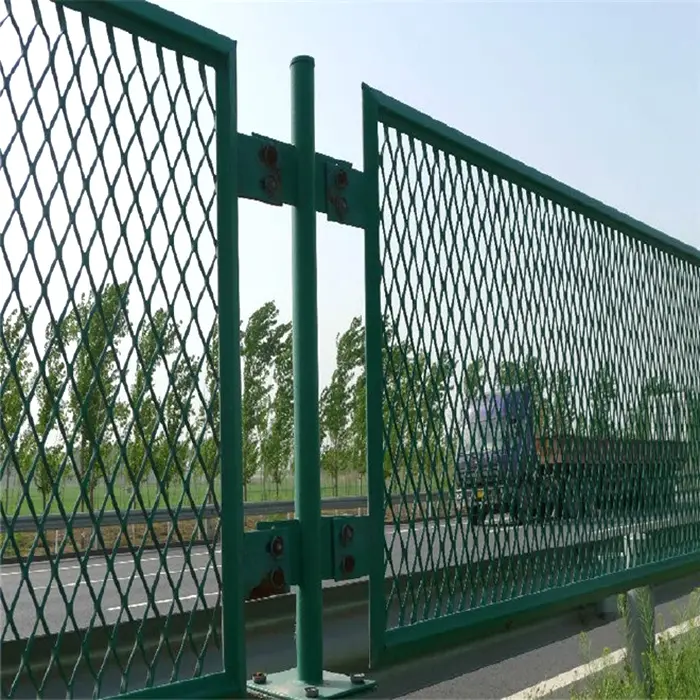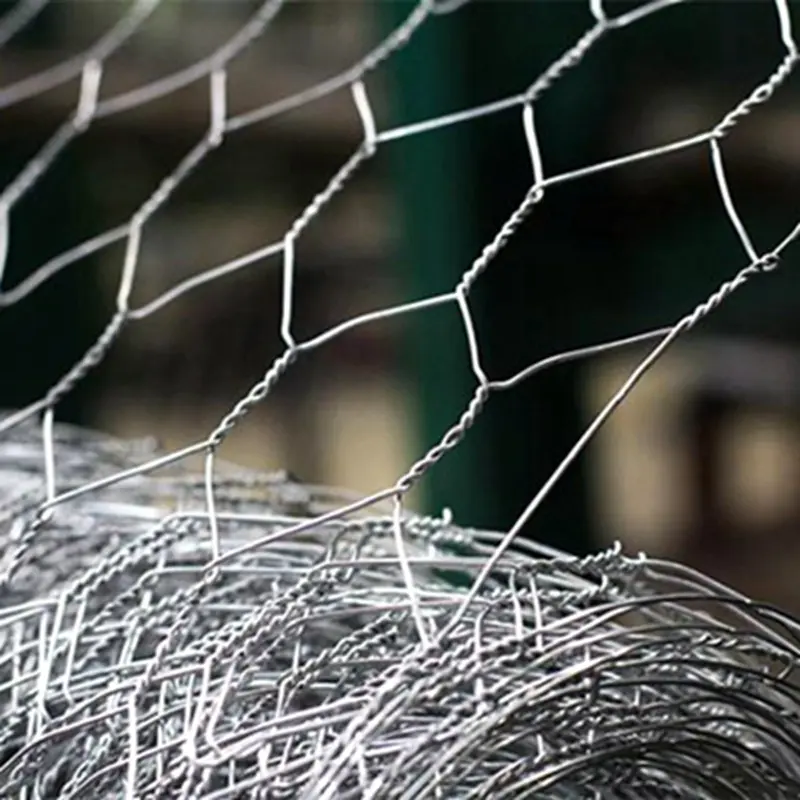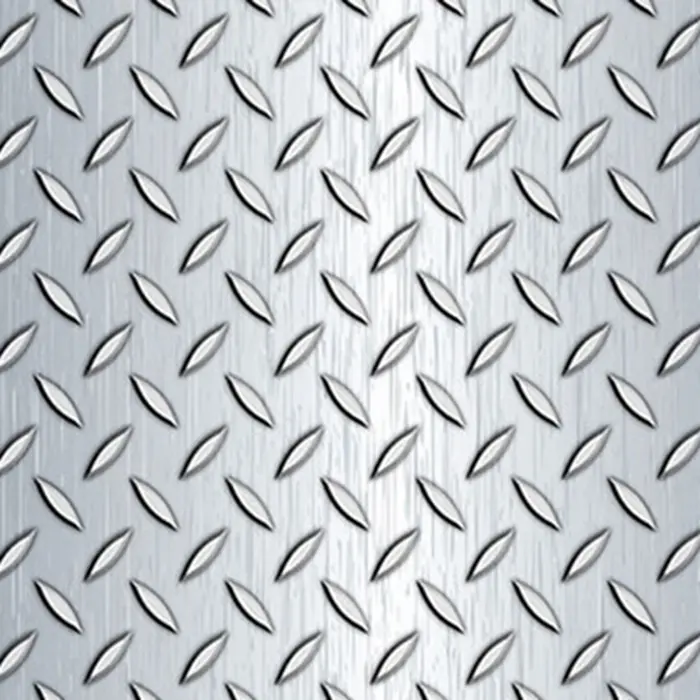

Usage: Welded wire mesh is widely used in industry, agriculture, breeding, construction, transportation, mining, etc. Such as machine protective covers, animal and livestock fences, flower and tree fences, window guardrails, passage fences, poultry cages and home office food baskets, paper baskets and decorations.
In the high-stakes environment of industrial manufacturing, logistics, and heavy engineering, "off-the-shelf" solutions rarely suffice. Every facility has unique spatial constraints, safety requirements, and operational workflows. This is why customizable welded wire mesh panels have become a foundational material for modern industry.
By utilizing precision resistance welding, these panels offer a rigid, monolithic structure that far surpasses woven alternatives in terms of durability and structural integrity. From machine guarding and warehouse partitions to specialized filtration and transportation racks, the ability to tailor mesh specifications ensures that industrial operators can optimize both safety and efficiency.
Precision Engineering with Custom Weld Mesh
The term custom weld mesh refers to the ability to specify the exact metallurgical and geometric properties of the mesh during the manufacturing phase. Unlike standard hardware cloth, industrial-grade custom mesh is produced using automated resistance welding machines that ensure every intersection is fused with consistent pressure and heat.
Tailoring to Specific Loads
One of the primary reasons for choosing custom weld mesh is the requirement for specific load-bearing capacities.
Wire Gauge Selection: Engineers can choose wire diameters ranging from ultra-thin 2mm wire for lightweight partitions to heavy-duty 8mm or 10mm rods for high-impact storage bunkers.
Material Grades: Depending on the environment, the mesh can be produced from carbon steel, 304/316 stainless steel, or even aluminum. For instance, a chemical processing plant would require stainless steel to resist corrosion, whereas a standard warehouse might opt for galvanized carbon steel to manage costs.
Navigating Complexity: Welded Wire Mesh Sizes
Understanding the relationship between wire diameter and aperture is crucial when selecting welded wire mesh sizes. In an industrial context, the "size" of the mesh determines its functionality—whether it is meant to keep fingers out of a machine or to keep heavy pallets from falling.
Balancing Aperture and Strength
The "aperture" is the clear distance between two adjacent wires. Common industrial welded wire mesh sizes include:
Micro-Apertures (12.7mm x 12.7mm): Often used for "finger guards" around moving parts where high visibility must be maintained without sacrificing operator safety.
Medium Apertures (25mm to 50mm): Ideal for warehouse shelving and ventilation grilles where airflow is a priority.
Large Apertures (100mm+): Used for heavy-duty reinforcement or large-scale perimeter barriers where the goal is to define space rather than filter small objects.
Innovations in Custom Welded Wire Mesh Applications
The flexibility of custom welded wire mesh allows it to be more than just a flat panel. Modern fabrication techniques allow these panels to be notched, bent, and framed to fit into existing infrastructure.
Industrial Use Cases:
Machine Guarding: Custom-fit panels can be designed with specific cut-outs for control panels or access points, ensuring that safety barriers do not hinder productivity.
Material Handling: Custom baskets and stillages made from welded mesh allow for easy inventory identification and are compatible with automated washing and heat-treatment processes.
Data Center Caging: High-security facilities utilize custom welded wire mesh to create secure server "cages" that allow for maximum airflow (essential for cooling) while maintaining physical access control.
By specifying the exact dimensions required for a project, facilities can reduce on-site cutting and waste, leading to faster installation times and lower labor costs.
Securing the Perimeter with Welded Wire Mesh Fencing
Safety doesn't stop at the machine level; it extends to the entire facility perimeter. Welded wire mesh fencing is the industry standard for securing the "landside" and "airside" of industrial complexes.
Security Features of Welded Panels
Unlike chain-link fencing, which is flexible and can be easily cut with standard hand tools, welded wire mesh fencing is rigid.
Anti-Climb Design: Panels can be manufactured with extremely narrow vertical apertures (often called "358 mesh") that prevent intruders from gaining a foothold.
Impact Resistance: The rigid nature of the panels means they do not sag over time. When combined with heavy-duty steel posts, these fences provide a formidable barrier against unauthorized vehicle entry or external threats.
Coating for Longevity: For outdoor industrial use, these fences are typically hot-dip galvanized or PVC-coated to withstand harsh weather, industrial pollutants, and UV exposure.
Efficiency Through Welded Wire Mesh Standard Sizes
While customization is key for specific projects, many industrial facilities benefit from utilizing welded wire mesh standard sizes for their general-purpose needs. Standardizing these sizes allows for rapid procurement and easy replacement.
Industry Standards at a Glance
|
Use Case |
Standard Aperture |
Common Wire Gauge |
|
General Security |
50mm x 50mm |
4.0mm (8 Gauge) |
|
Safety Guards |
25mm x 25mm |
3.0mm (11 Gauge) |
|
High Security |
76.2mm x 12.7mm |
4.0mm (8 Gauge) |
|
Storage Decking |
50mm x 100mm |
5.0mm (6 Gauge) |
Using welded wire mesh standard sizes for non-critical areas allows a company to maintain a stock of "repair panels" that can be deployed instantly if a section of a partition is damaged by a forklift or during a renovation.
Building a Safer, More Organized Industry
The versatility of welded wire mesh panels makes them indispensable in the industrial sector. Whether you are investing in a custom weld mesh project to protect a sensitive robotic assembly line or deploying miles of welded wire mesh fencing to secure a new logistics hub, the material's durability and adaptability are unmatched.
By understanding the interplay between welded wire mesh sizes and the specific requirements of your facility, you can create an environment that is not only compliant with safety regulations but also optimized for long-term growth. From the smallest custom welded wire mesh guard to the largest welded wire mesh standard sizes for warehouse decking, this material remains the silent backbone of industrial infrastructure.