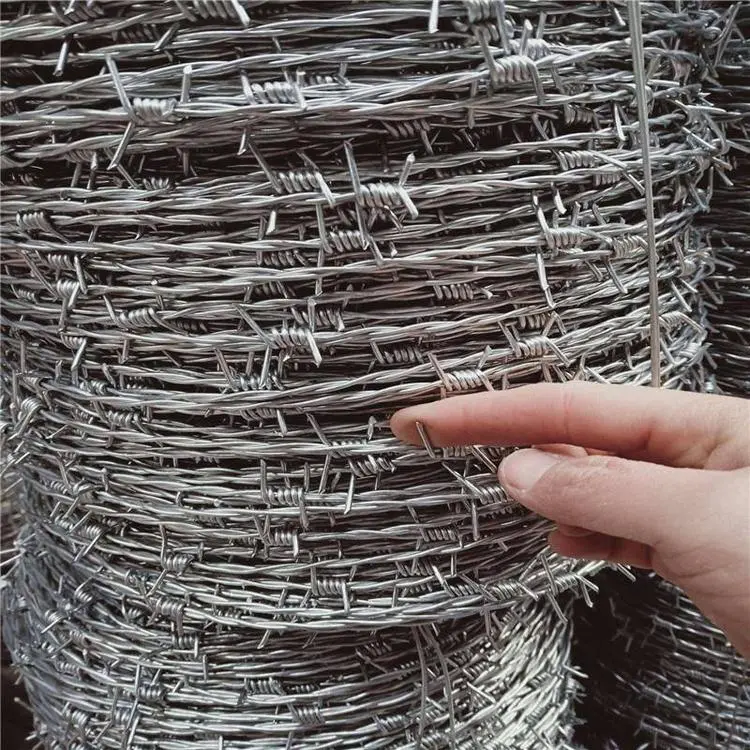

The gabion net effectively protects the river bank or river bed. It also controls the flow of water and prevents water loss, especially in environmental protection and water quality maintenance. It has a very good effect.
River systems are dynamic, life-sustaining, and powerful. However, the natural flow of water, especially during seasonal flooding, poses a constant threat of erosion to riverbanks. Without proper stabilization, soil loss can lead to the collapse of infrastructure, destruction of habitats, and loss of valuable land. Among the various civil engineering solutions available, hexagonal mesh gabions have emerged as a premier choice for hydraulic protection.
The Engineering Strength of Hexagon Wire Mesh
The foundation of any high-performance gabion system lies in the geometry of its construction. Hexagon wire mesh is specifically engineered to handle the multi-directional stresses found in river environments. Unlike square or diamond-shaped welded mesh, which can be rigid and prone to snapping at the welds under pressure, the twisted hexagonal structure is inherently flexible.
The Double-Twist Advantage
Most gabion boxes are manufactured using a double-twist weaving process. This design ensures that if a single wire is accidentally cut or breaks due to abrasion from river debris, the rest of the mesh will not unravel. This "non-raveling" property is vital for long-term river bank protection, where the constant movement of water and sediment can act like sandpaper against the wire.
Stress Distribution: The hexagonal shape allows the mesh to distribute tension evenly across the panel.
Flexibility: It can conform to the uneven contours of a riverbed, settling into place as the ground shifts without losing structural integrity.
Permeability: The gaps in the mesh (when filled with stone) allow water to flow through freely, reducing hydrostatic pressure behind the wall.
Versatility in Civil Engineering: Hexagonal Netting
While often associated with simple fences, hexagonal netting—when produced at industrial scales and gauges—becomes a powerhouse for soil stabilization. In the context of river bank protection, this netting is used to create three-dimensional structures: gabion baskets, gabion mattresses (Reno mattresses), and rockfall netting.
Gabions vs. Reno Mattresses
In river bank stabilization, engineers often use a combination of these two forms of hexagonal netting:
Gabion Baskets: These are box-like structures (usually 1 meter high) used to build retaining walls. They provide the "weight" needed to resist the lateral force of the river and the soil behind it.
Reno Mattresses: These are thinner, flatter versions (usually 0.17m to 0.3m thick) that act as a "blanket" for the riverbank. They prevent surface erosion while allowing vegetation to grow through the gaps.
By lining a riverbank with this netting, engineers create a "living" armor. Over time, silt and soil fill the voids between the stones, allowing plants to take root. This bio-engineering approach means the structure actually becomes stronger and more natural-looking as the years pass.
Ensuring Longevity with High Quality Hexagonal Wire Mesh
River environments are chemically and physically aggressive. Between the constant moisture, UV exposure, and the potential for acidic or alkaline runoff, the materials used must be of the highest caliber. Utilizing high quality hexagonal wire mesh is the only way to ensure the structure survives its intended design life (often 50–100 years).
Material Coatings and Standards
To be considered high quality hexagonal wire mesh, the wire must undergo advanced coating processes:
Heavy Galvanization: A thick layer of zinc protects the steel from oxidation.
Galfan Coating: An alloy of 95% Zinc and 5% Aluminum, which provides up to three times more corrosion resistance than standard galvanization.
PVC/Polymer Coating: For rivers with high salinity or industrial pollution, a polymer sleeve is extruded over the galvanized wire. This provides an airtight barrier against corrosive elements and prevents the wire from becoming brittle.
Quality Indicators
When sourcing materials, engineers look for consistency in wire diameter, tensile strength (typically 350-500 $N/mm^2$), and the precision of the hexagonal weave. A high-quality mesh ensures that the gabion box maintains its shape during the filling process, preventing "bulging" which can compromise the wall's stability.
Installation and Hydraulic Performance of Hexagon Wire Mesh
The installation of hexagonal mesh gabions is remarkably straightforward, often requiring less skilled labor than concrete pouring or masonry.
Step-by-Step Implementation:
Site Preparation: The riverbank is graded to the desired slope.
Assembly: The flat-packed hexagonal netting is unfolded and wired together to form boxes.
Placement: Empty baskets are placed in position and interconnected.
Filling: Stones (larger than the mesh opening) are placed inside, often by hand for the facing to ensure a neat appearance, and by machine for the interior.
Closing: The lids are wired shut, creating a monolithic structure.
From a hydraulic perspective, gabions are superior because they are "rough." This roughness helps dissipate the energy of the flowing water, slowing down the current near the bank and encouraging the deposition of natural sediment.
Environmental and Economic Benefits of Hexagon Wire Mesh
Choosing hexagon wire mesh systems over traditional concrete sea walls or rip-rap offers significant environmental advantages.
Ecological Integration: Because they are porous, gabions do not create a "dead zone." Small aquatic organisms can live in the crevices between stones, and plant life can flourish on the surface.
Carbon Footprint: Gabions have a lower carbon footprint than concrete. There is no need for chemical curing, and the stones are often sourced from local quarries, reducing transport emissions.
Cost-Effectiveness: They do not require drainage systems (as they are self-draining) and can be installed in wet conditions, avoiding the need for expensive cofferdams or dewatering.
Hexagon Wire Mesh: A Sustainable Future for River Management
The use of hexagonal mesh gabions represents a perfect harmony between human engineering and natural forces. By utilizing the flexibility of hexagon wire mesh, the protective capabilities of hexagonal netting, and the durability of high quality hexagonal wire mesh, we can protect our vital waterways without destroying their natural beauty.
Whether it is a small stream in a rural area or a massive river passing through a metropolitan city, hexagonal mesh systems provide a reliable, aesthetically pleasing, and permanent solution to the age-old problem of erosion.