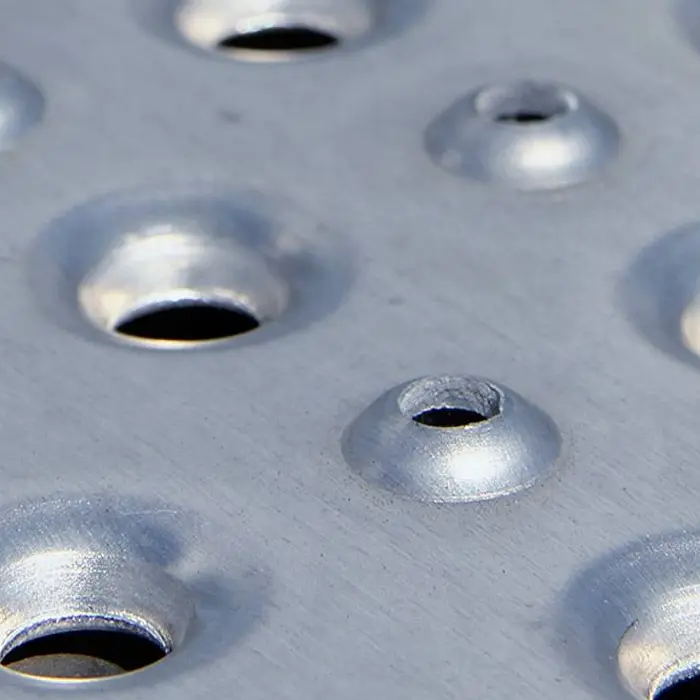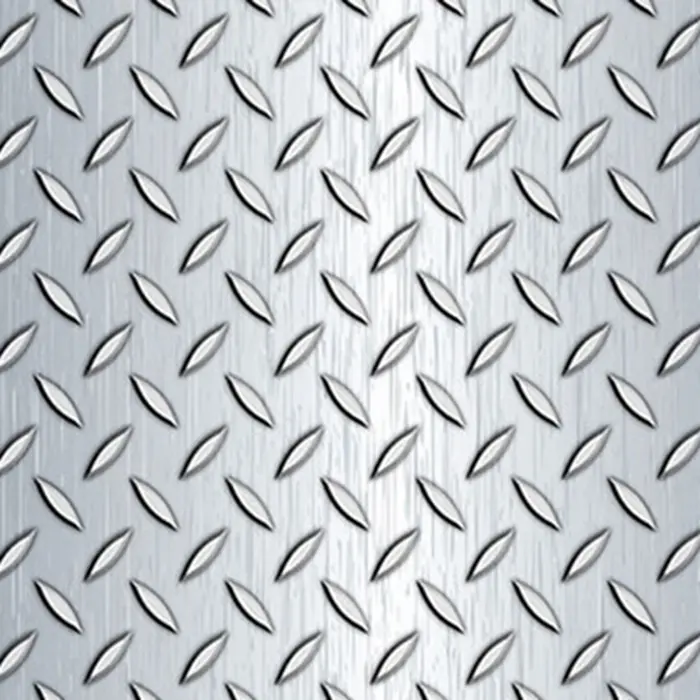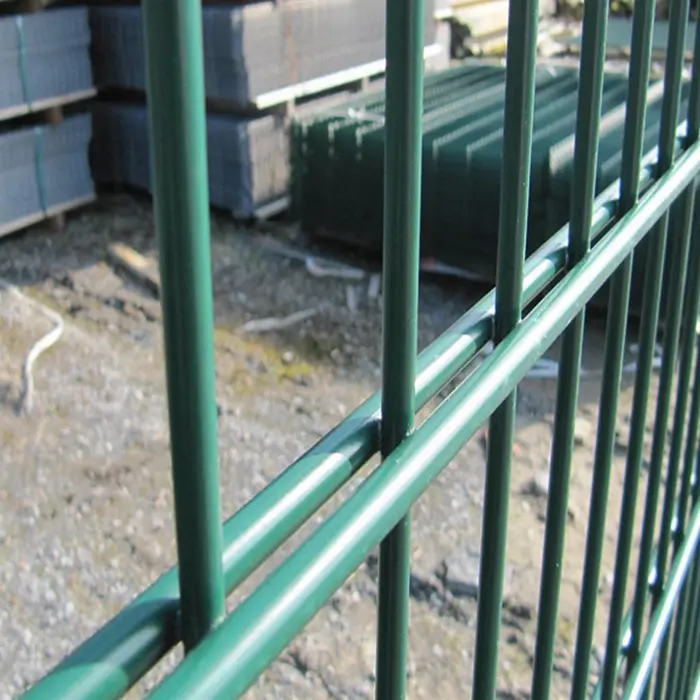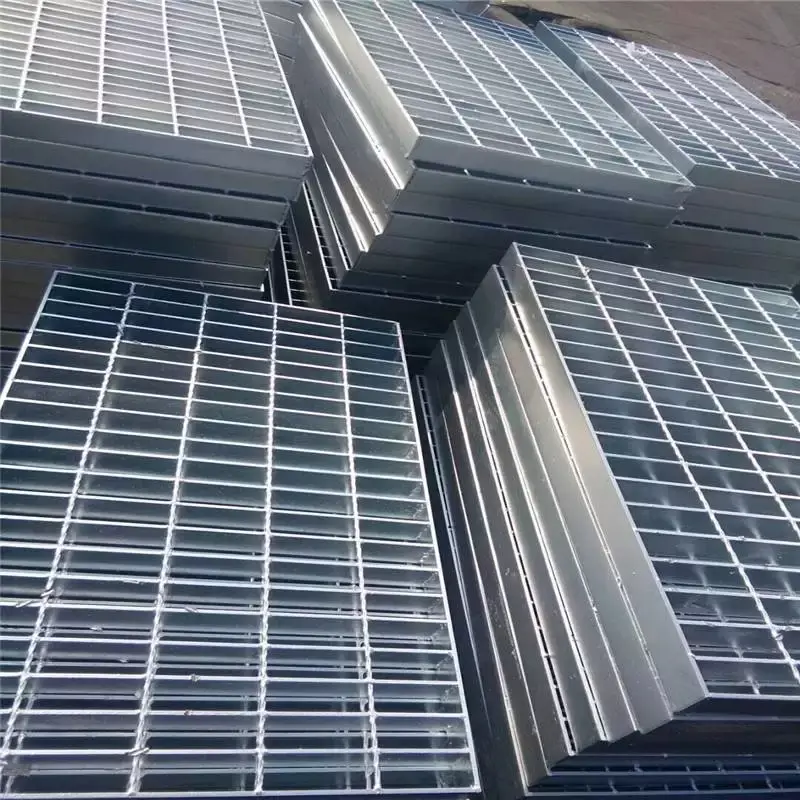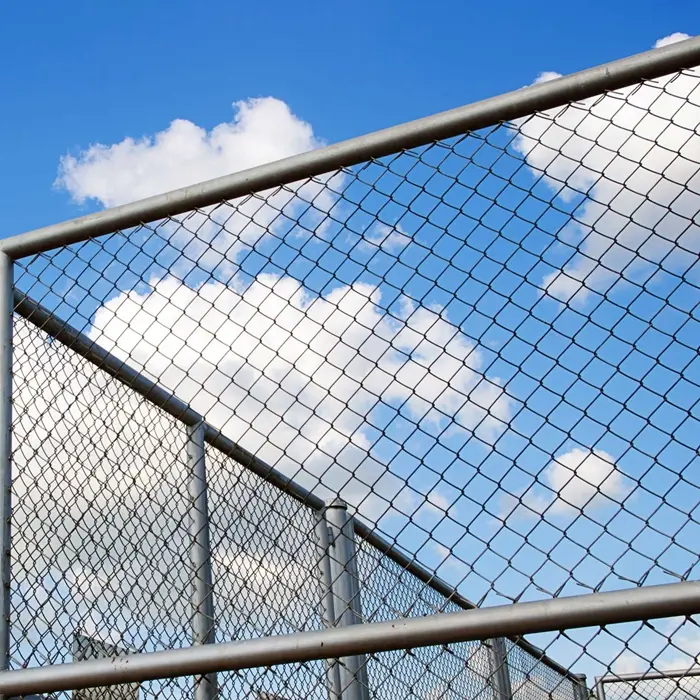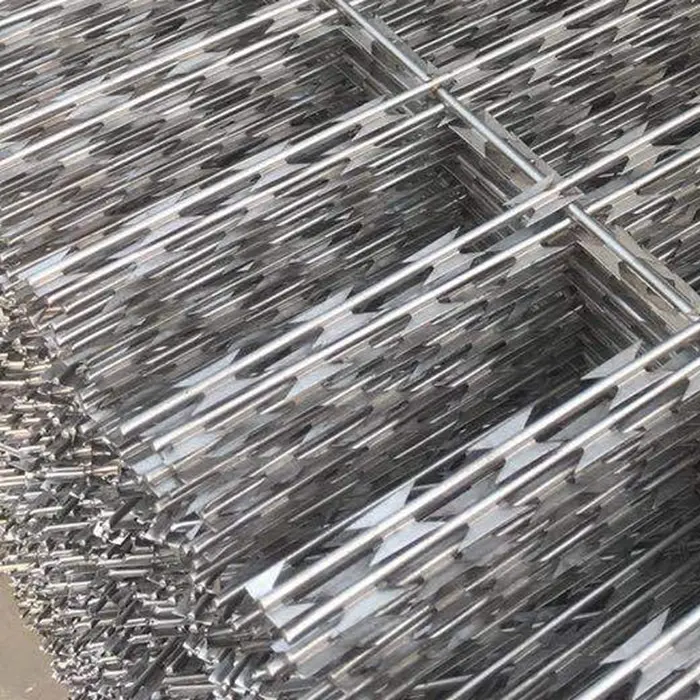

The metal fence raw materials are of high quality and not easy to corrode. In terms of use, it has a long service life, high temperature resistance, good sag, can be discounted, can move freely, has good decorative effect, and is easy to install.
The infrastructure of a nation is often judged by its bridges—monumental feats of engineering that connect communities and facilitate the flow of commerce. However, the true success of these structures lies not just in their ability to span great distances, but in their capacity to protect the lives of those who travel across them. Central to this mission is the development of advanced barrier systems. While a standard highway fence may suffice for flat terrain, the unique geometry and heightened stakes of elevated roadways necessitate a specialized bridge guardrail. These systems are the result of rigorous physics, material science, and iterative testing, designed to perform under the most extreme conditions.
Defining the Standard: Understanding Bridge Guardrail Requirements
Before a single piece of steel is forged, a project must adhere to strict bridge guardrail requirements established by national and international transport authorities, such as AASHTO in the United States or Eurocodes in Europe. Unlike general roadside barriers, bridge-mounted systems must function within a highly constrained environment. On a bridge, there is no "run-off" area; if a vehicle breaches the barrier, the result is often catastrophic.
One of the primary bridge guardrail requirements is the Test Level (TL) rating. Engineers must select a barrier based on the expected traffic volume, speed, and the percentage of heavy vehicles (trucks and buses) using the bridge. For instance, a TL-4 rating indicates the barrier can successfully redirect a 10,000 kg single-unit truck traveling at 90 km/h. Furthermore, the requirements dictate the "maximum deflection" allowed. Because bridges often have narrow sidewalks or utility lines immediately behind the rail, the guardrail must be rigid enough to stop a vehicle without bending so far that it endangers pedestrians or compromises the bridge deck's structural integrity.
Another critical requirement is the durability of the attachment. The guardrail is not simply placed on the bridge; it is anchored into the concrete deck using high-strength bolts or reinforcement bars. The bridge guardrail requirements ensure that the connection point—the "base plate"—is strong enough to transfer the massive kinetic energy of a crash into the bridge structure without causing the concrete to shear or the bolts to snap.
Precision in Motion: The Complexity of Bridge Guardrail Design
Moving from the regulatory phase to the creative phase, bridge guardrail design focuses on the delicate balance between energy absorption and vehicle redirection. A common misconception is that a guardrail should be an immovable wall. In reality, a perfectly rigid wall would transmit all the force of an impact back into the vehicle and its occupants, likely resulting in fatal injuries.
Modern bridge guardrail design utilizes the concept of "controlled deformation." The system is designed to "give" slightly upon impact. This movement absorbs a portion of the vehicle's kinetic energy, slowing it down gradually. Simultaneously, the shape of the rail—often a "W-beam" or a "Thrie-beam"—is designed to catch the vehicle’s tires and bumper, redirecting the car back onto the roadway at a shallow angle. This prevents the vehicle from spinning out into traffic or flipping over the rail.
Visibility and aesthetics also play a significant role in bridge guardrail design. In urban environments, bridges are prominent landmarks. Designers often use open-rail systems that provide drivers and pedestrians with a view of the surrounding landscape, reducing the "tunnel effect" that can lead to driver fatigue. However, these open designs must still be "bicycle and pedestrian safe," meaning the gaps between the rails are small enough to prevent someone from falling through, yet large enough to allow for efficient drainage of rainwater and snow.
Maximum Impact Protection: Implementing the Anti Collision Guardrail
In areas characterized by high speeds, sharp curves, or high truck traffic, the standard rail is often upgraded to a heavy-duty anti collision guardrail. These systems are the "heavyweights" of the barrier world, often featuring reinforced steel posts and additional horizontal beams to prevent "underride" (where a small car slides under the rail) or "overriding" (where a large truck climbs over the barrier).
The welding and assembly of an anti collision guardrail are subject to even more intense scrutiny. Every joint must be a full-penetration weld to ensure that the barrier acts as a continuous ribbon of steel. If a single segment fails, the "tension" of the entire system is lost, and the barrier will fail to contain a heavy vehicle. Many anti-collision designs also incorporate a "rub rail"—a lower horizontal beam that prevents the wheels of a car from snagging on the support posts. Snagging is a major cause of vehicle "tripping," which leads to rollovers. By providing a smooth, continuous surface, the anti collision guardrail ensures that the vehicle slides along the barrier until it safely loses momentum.
Furthermore, these systems are often treated with high-performance coatings. Because bridges are frequently exposed to road salts, exhaust fumes, and extreme humidity, the anti collision guardrail is typically hot-dip galvanized and then finished with a polyester powder coating. This "duplex system" provides double the corrosion protection, ensuring that the steel does not lose its structural thickness to rust over decades of service.
Bridge Guardrail Design: The Synthesis of Engineering and Public Safety
The evolution of the bridge guardrail is a testament to the relentless pursuit of safety in civil engineering. It is a field where the margins for error are non-existent and the cost of failure is measured in human lives. By adhering to rigorous bridge guardrail requirements, engineers ensure a baseline of performance that accounts for the physics of modern transportation. Through innovative bridge guardrail design, they create systems that are not only functional but also sympathetic to the environment they inhabit.
Ultimately, whether it is a standard rail on a rural overpass or a massive anti collision guardrail on a multi-lane suspension bridge, these structures serve as a silent promise to the public. They represent the culmination of decades of crash testing, metallurgical research, and structural analysis. As vehicles become heavier and speeds increase, the engineering behind these barriers will continue to evolve, ensuring that our bridges remain symbols of connection rather than sites of tragedy.