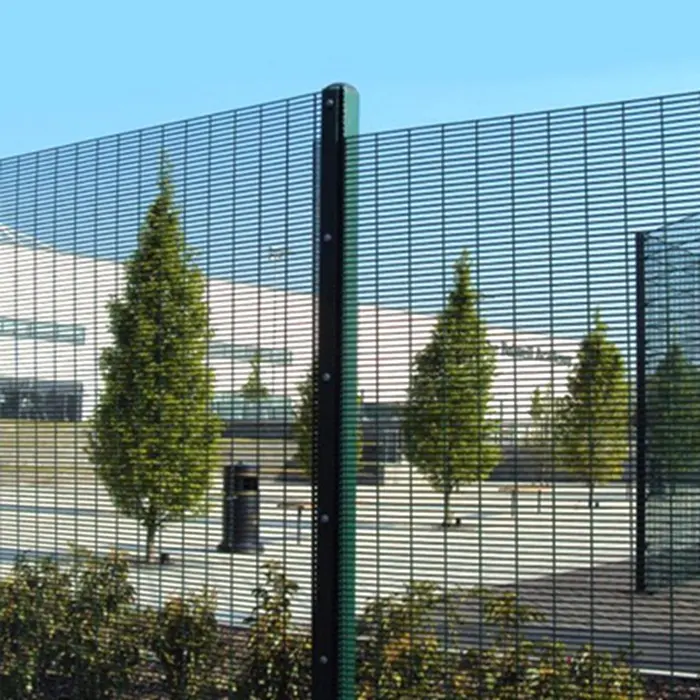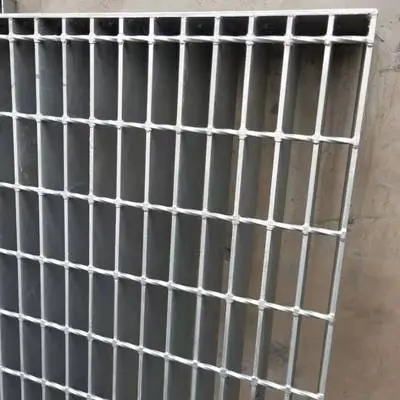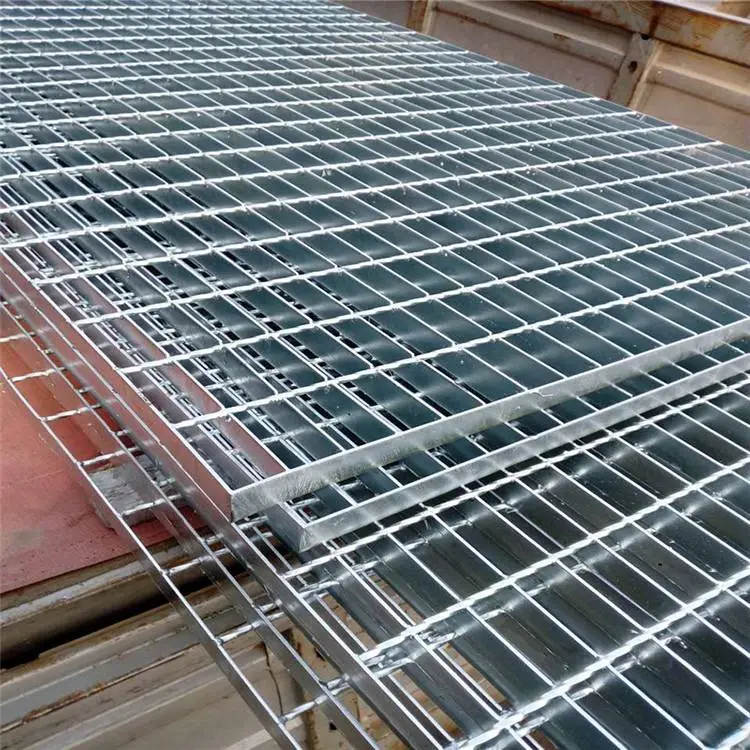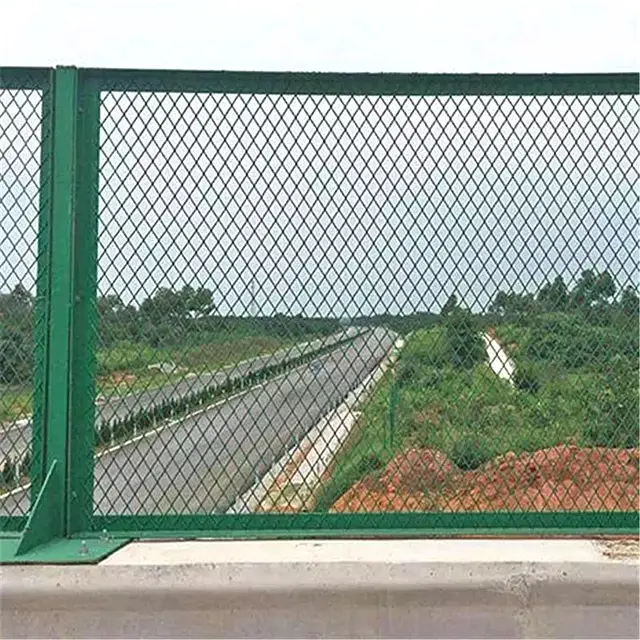

Welded wire mesh—known by an array of names including exterior wall insulation wire mesh, galvanized welded mesh, and butt welded mesh—is arguably the most versatile and widely utilized wire mesh product in contemporary global industry. While its presence in the construction field is ubiquitous, serving as anti-cracking mesh and reinforcing structure, its applications stretch across numerous other sectors, confirming why it is a source of great concern and interest for manufacturers and consumers alike.
At its core, welded wire mesh is a panel or roll of metal wire precisely laid out in a grid pattern (square mesh) and fused at every intersection via electric resistance welding. This fusion creates a bond stronger and more stable than traditional woven wire, defining the quality of welded wire mesh products today.
The Production Edge: Ensuring High Quality Welded Wire Mesh
The integrity of any welded wire mesh supplier rests on the precision and quality of the manufacturing process. Achieving high quality welded wire mesh requires stringent control over materials, welding, and finishing.
1. Material and Strength
Wire Gauge and Tensile Strength: High quality begins with the selection of wire. The steel wire used must possess specified tensile strength to ensure the finished mesh can withstand loads without permanent deformation. For applications requiring substantial rigidity, heavier gauge wires are used, resulting in a robust structure suitable for construction mesh.
Weld Consistency: The hallmark of superior welded wire mesh products is the consistent strength and uniformity of the weld at every intersection. A strong weld ensures that when the mesh is subjected to stress (like the shifting of exterior wall insulation materials or tension in a screen mesh), the individual wires do not slip or separate. This structural stability is the primary advantage over woven alternatives.
2. The Power of Customization
Modern industry often demands unique specifications that standard square mesh rolls cannot meet. A leading welded mesh supplier must offer flexibility through custom welded wire mesh production.
Aperture and Dimensions: Customization can involve varying the aperture size (the space between wires) and the wire diameter simultaneously to achieve specific strength-to-weight ratios. This is crucial for applications such as specialized protective enclosures or unique decorative mesh panels.
Panel vs. Roll: While standard sizes are often produced in rolls for ease of transport and installation (especially for long fence lines), custom welded wire mesh is frequently supplied in flat panels, pre-cut to exact dimensions for rapid assembly in factories or complex construction sites.
Welded Wire Mesh’s Dominance in Construction: Anti-Cracking and Insulation
The proliferation of welded wire mesh in the construction field is directly tied to its ability to prevent material failure and provide structural support.
1. Anti-Cracking and Reinforcement
As an anti-cracking mesh or exterior wall insulation mesh, the product plays a vital role in preserving the longevity of structures.
Exterior Wall Insulation: When embedded in the cementitious base coat of an exterior insulation and finish system (EIFS), the welded wire mesh distributes thermal and structural stresses across a wide area. This dramatically reduces the formation of hairline cracks (hence the name anti-cracking mesh net) that are common in large surface areas due to temperature changes and minor settling.
Concrete Slabs: In floor slabs and walkways (where it is often called reinforcing mesh), the welded structure resists tensile forces, preventing wide, catastrophic cracking and extending the service life of the concrete structure.
2. Specialized Naming Conventions
The many names for the product reflect its tailored applications in construction:
|
Name |
Primary Function |
Relevant Term |
|
Exterior Wall Insulation Mesh |
Stabilizes surface finishes against thermal movement. |
Anti-cracking mesh net |
|
Galvanized Welded Mesh |
Indicates a corrosion-resistant finish for outdoor durability. |
Galvanized wire mesh |
|
Construction Mesh / Reinforcing Mesh |
Provides internal structure and strength to concrete/mortar. |
Butt welded mesh |
Beyond the Walls: Welded Hardware Cloth and Industrial Uses
While construction is a primary market, the utility of high quality welded wire mesh extends into virtually every industry, often taking the form of welded hardware cloth or protective fencing.
1. Welded Hardware Cloth
Welded hardware cloth refers to welded wire mesh products typically made with smaller, finer wires and tighter mesh spacing (e.g., 1/4 inch, 1/2 inch). This product is widely used where security, screening, and containment are needed:
Agriculture and Pest Control: Used for fencing, animal cages, rodent proofing, and garden barriers due to its stability and resistance to tearing.
Industrial Screening: Functions as screen mesh in filtration processes, sieves, and machine protective covers where precise aperture size and rigid structure are necessary to prevent materials or fingers from passing through.
2. Transportation, Mining, and Industry
The strength of welded steel wire mesh is critical in heavy industrial environments:
Transportation: Used for secure passage fences, gabion baskets (large welded wire mesh cages filled with rocks), and protective barriers along highways and railways.
Mining: The mesh provides essential ground support in tunnel and excavation projects, demonstrating its exceptional ability to withstand large, distributed loads.
Decorative Mesh: On the lighter end, the clean, geometric lines of the square mesh are utilized by designers as decorative mesh for retail displays, architectural screening, and even furniture components, showcasing the product’s aesthetic flexibility.
The evolution of welded wire mesh has secured its position as a central component in global industry. As a dedicated welded mesh supplier, providing high quality welded wire mesh is about more than just fusing wires; it is about delivering structural stability, corrosion resistance (via galvanization), and the flexibility required for both standard construction and specialized applications like welded hardware cloth and custom welded wire mesh. Its pervasive use across construction, agriculture, and manufacturing confirms its status as an indispensable source of strength and security.