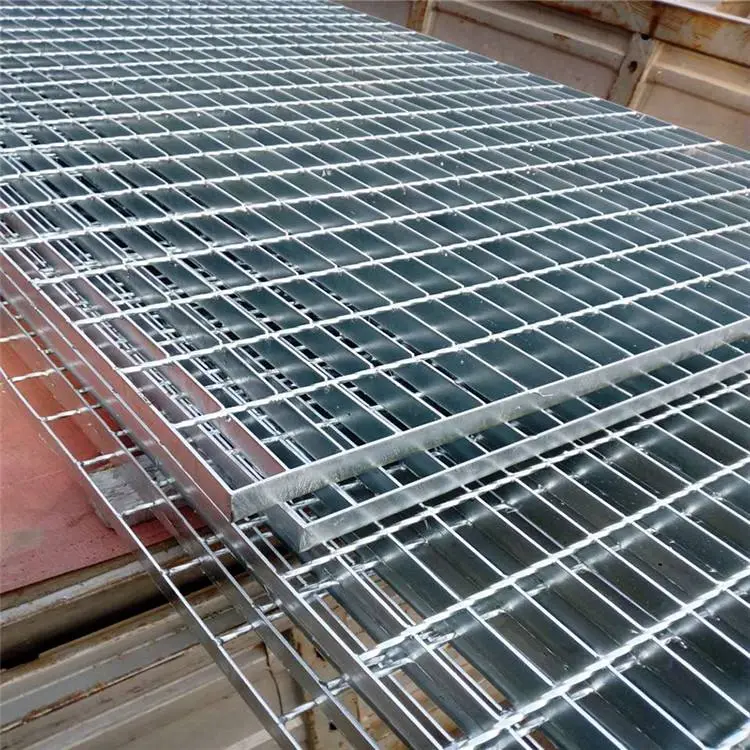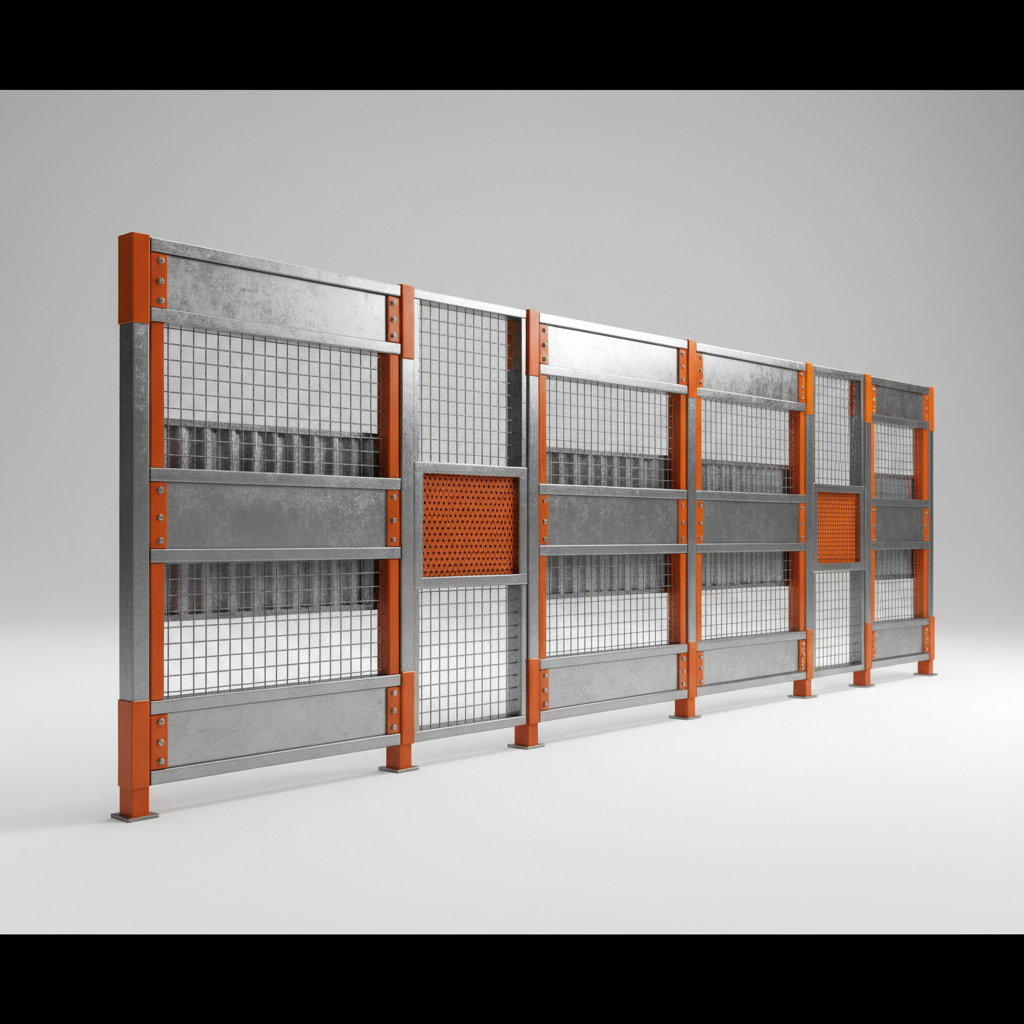

The steel grating has good ventilation and lighting, and due to its excellent surface treatment, it has good anti-skid and explosion-proof properties.
Because of these powerful advantages, steel gratings are everywhere around us: steel gratings are widely used in petrochemical, electric power, tap water, sewage treatment, ports and terminals, building decoration, shipbuilding, municipal engineering, sanitation engineering and other fields . It can be used on the platforms of petrochemical plants, on the stairs of large cargo ships, in the beautification of residential decorations, and also in drainage covers in municipal projects.
In industrial, commercial, and public-access environments, walking surfaces must be engineered to resist slipping, corrosion, and structural stress. Areas that remain constantly wet, exposed to rainfall, splashes, oil drips, or chemical moisture require grating systems that can ensure long-term safety and durability. Galvanized anti-slip grating has become one of the most trusted solutions for these challenging conditions. With its superior load-bearing capacity, corrosion resistance, and slip-prevention properties, it plays a vital role in facilities ranging from chemical plants to food processing factories.
The Role of Galvanized Serrated Grating in Slip Prevention
A crucial design enhancement in anti-slip technology is the use of galvanized serrated grating. Each bearing bar includes raised serrations that create multiple points of friction, increasing traction even when the surface is contaminated with oil, grease, or chemical solutions. These serrations cut through liquid films that typically cause slipping, making the grating ideal for heavy-use industrial areas.
Serrated grating also provides improved drainage. Water, mud, and oil can quickly escape through the grating’s open areas, preventing puddles from accumulating on the walking surface. This reduces maintenance needs and keeps the environment safer for workers.
Because the serrations are applied before galvanization, they remain protected by the zinc coating, ensuring prolonged performance without corrosion.
Why Choose Hot Dip Galvanized Steel Grating?
Among various galvanizing methods, hot dip galvanized steel grating offers the highest level of protection. In this process, the assembled grating is fully immersed in molten zinc, creating a metallurgical bond between the zinc coating and the steel. This results in a thick, uniform layer that shields the grating from oxidation, abrasion, and chemical exposure.
Hot dip galvanized coatings are well known for their ability to withstand marine humidity, industrial vapors, high-moisture environments, and outdoor exposure. For sectors such as offshore oil platforms, wastewater treatment plants, and mining operations, this corrosion-resistant performance is essential.
Besides corrosion resistance, hot dip galvanizing enhances safety in the long term. As the grating ages, the zinc sacrificial layer continues to protect the underlying steel. Even if the surface is scratched, the surrounding zinc reacts and prevents rust from spreading. This longevity makes hot dip galvanized steel grating a cost-effective investment for facilities looking to reduce repair frequency and downtime.
Durability and Strength of Galvanized Steel Grate Systems
A galvanized steel grate is designed to support significant loads while offering excellent slip resistance. Depending on the application, the grating may be produced in welded, press-locked, or swage-locked structures. Welded grating, for example, provides high stability and is commonly used in industrial platforms and stair treads.
The galvanized coating enhances durability in several ways:
Protection from chemical exposure – Industrial chemicals, detergents, cleaning agents, and solvents can degrade untreated steel surfaces quickly. Galvanized steel provides robust protection, even with constant washdowns.
Resistance to high moisture environments – Facilities such as swimming pools, aquaculture farms, or water treatment plants benefit from steel grates that do not deteriorate in continuous humidity.
Reduced maintenance costs – Galvanized grates typically require only basic cleaning, with no need for repainting or chemical treatments.
Extended service life – Depending on exposure conditions, galvanized grating can last 20–50 years with minimal corrosion.
Because of these advantages, galvanized steel grate systems remain one of the most reliable options for long-term structural flooring in industrial facilities.
Applications of Galvanized Anti-Slip Grating in Wet and Oily Environments
Due to its exceptional performance, galvanized anti-slip grating is widely used in industries where wet or slippery conditions are common. Below are key application areas:
1. Food and Beverage Processing Plants
These environments require surfaces that can withstand constant water, oil residues, cleaning chemicals, and foot traffic. Serrated galvanized grating maintains worker safety while allowing rapid drainage during washdowns.
2. Petrochemical and Oil Refinery Facilities
Oil spills and chemical exposure demand a flooring system with superior traction and corrosion resistance. Galvanized serrated grating is the preferred choice for maintenance platforms, catwalks, and pipe racks.
3. Wastewater Treatment Plants
Hot dip galvanized steel grating is ideal for clarifier walkways, sludge tank platforms, and pump station access points, where moisture is unavoidable.
4. Marine and Offshore Applications
Saltwater environments accelerate corrosion. A galvanized steel grate provides excellent protection for docks, shipyard platforms, and offshore rigs.
5. Industrial Manufacturing Floors
Factories with lubricated machinery often experience oil drips and wet floor conditions. Anti-slip grating ensures safe movement for workers and reduces workplace accidents.
Anti-Slip Grating’s Design Considerations for Maximum Safety
When selecting galvanized anti-slip grating, several factors should be considered:
Load capacity – Choose appropriate bearing bars and spacing based on expected foot or vehicle traffic.
Serration level – For oily environments, deeper serrations significantly increase traction.
Open area percentage – More open area improves drainage and ventilation.
Coating thickness – Hot dip galvanizing typically offers thicker and more durable zinc layers than electro-galvanizing.
Installation method – Proper clips, fasteners, and anchoring systems ensure stability in demanding environments.
Attention to these design factors ensures that the grating performs reliably under years of heavy use.
Galvanized anti-slip grating is one of the most dependable solutions for wet and oily environments across industrial and commercial sectors. Whether using galvanized serrated grating for enhanced traction, hot dip galvanized steel grating for superior corrosion resistance, or a standard galvanized steel grate for structural strength, these products significantly improve safety and durability.