
Bridge guardrails are an important part of bridges. Bridge guardrails can not only increase the beauty and luster of the bridge, but also play a very good role in warning, blocking and preventing traffic accidents.
Bridge guardrails are mainly used in surrounding environments such as bridges, overpasses, and rivers to protect them and prevent vehicles from breaking through time and space, underground passages, rollovers, etc., and can also make bridges and rivers more beautiful.
Bridge guardrails are far more than just decorative elements; they are indispensable safety features that protect the public and preserve critical infrastructure. Situated along bridges, overpasses, and riverbanks, these barriers serve a dual purpose: they enhance the beauty and luster of the structure while playing a vital role in warning, blocking, and preventing traffic accidents. The structural integrity and sophisticated bridge guardrail design are paramount in preventing vehicles from breaking through, crossing into oncoming traffic, or rolling over. To achieve this essential level of protection, modern guardrails incorporate specific features that address both impact resistance and aesthetic integration.
Understanding Bridge Guardrail Requirements
Before diving into design specifics, it's essential to understand the core bridge guardrail requirements mandated by transportation authorities. These requirements dictate the functional performance the barrier must achieve under collision scenarios.
Containment: The most critical requirement is the ability to contain the impacting vehicle and prevent it from crossing the barrier and entering an unprotected area (like the river below or the oncoming lane).
Redirection: After containment, the guardrail must safely redirect the vehicle, minimizing the angle of exit to prevent secondary collisions. The design aims for a shallow, controlled slide along the barrier face.
Structural Capacity (Impact Resistance): Guardrails are classified by their Test Level (TL), which specifies the size and weight of the vehicle and the speed and angle of impact they must withstand. For bridges, higher TL ratings (e.g., TL-4, TL-5) are often required to manage heavy trucks and buses.
Occupant Safety: While the primary goal is to protect the vehicle from going over the edge, the design must also limit the forces exerted on the vehicle's occupants to acceptable safety levels.
Key Structural Features in Bridge Guardrail Design
The effectiveness of a bridge guardrail is determined by several core structural and geometric features engineered to manage the tremendous kinetic energy of a collision.
Vertical Profile and Height
The vertical profile is a key determinant in how a vehicle interacts with the barrier.
Curb/Base: Many bridge railings incorporate a low curb or plinth at the bottom. This feature is crucial for preventing low-riding vehicles from underriding the main rail and for guiding the wheels of an impacting vehicle.
Effective Height: Modern bridge guardrail design often features greater heights (typically between 32 and 42 inches) than standard highway guardrails. This increased height is necessary to contain high-center-of-gravity vehicles like tractor-trailers and SUVs. If the rail is too low, the vehicle could vault over the top.
Wall Thickness and Material Strength
The strength of the material directly correlates with the guardrail's ability to absorb and dissipate collision energy.
Material Choice: Bridge guardrails are typically constructed from high-strength materials:
Steel: Offers high tensile strength and ductility, allowing it to deform and absorb energy without brittle failure.
Reinforced Concrete: Provides a rigid, high-mass system that minimizes deflection upon impact, suitable for areas with minimal clearance.
Aluminum: Used for lighter, aesthetic rails where lower impact forces are expected or where corrosion resistance is paramount.
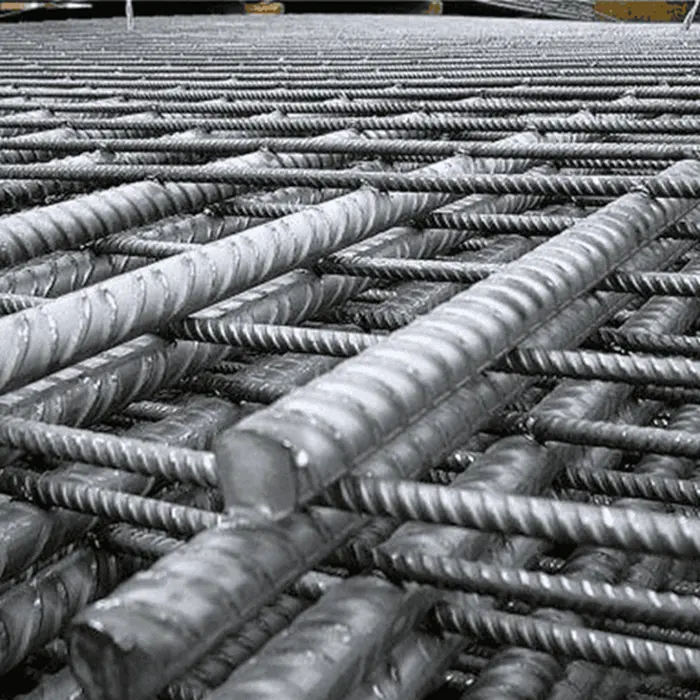
Concrete Reinforcement: For concrete barrier walls, the strategic placement and quality of steel reinforcing bars (rebar) are what provide the necessary tensile strength to keep the wall intact during a lateral impact.
Advanced Design Highlights for Safety and Aesthetics
Modern bridge guardrail design integrates sophisticated features to address both performance and environmental fit, fulfilling all bridge guardrail requirements.
Smooth, Continuous Face (Redirection Focus)
For effective redirection, the guardrail face must be as smooth and continuous as possible.
Shape: Concrete New Jersey (F-shape) and Single Slope barriers are designed with specific slopes and angles to smoothly lift and redirect an impacting vehicle.
The lower slope: Gently engages the tire to slow the vehicle.
The upper slope: Engages the vehicle body to redirect it.
Elimination of Snag Points: The design minimizes or eliminates exposed posts, bolts, or sharp edges that could "snag" the vehicle, leading to abrupt stops, spin-out, or rollovers. The safety performance of a bridge guardrail is critically tied to its seamless appearance.
Post and Rail Connection Design
For steel or aluminum bridge guardrails, the way the horizontal rail connects to the vertical posts is crucial for energy absorption.
Breakaway or Yielding Posts: In some rail systems, the posts are designed to bend or yield at a predictable force level. This allows the railing element to absorb energy over a longer distance, lessening the impact severity on the vehicle occupants.
Robust Attachment: Conversely, on high-containment bridges, the posts must be anchored extremely securely to the bridge deck structure (often by deep embedded bolts or connections) to ensure the rail does not simply pull away from the bridge deck under impact. The entire bridge structure must be capable of transferring the collision load.
Enhancing Bridge Guardrail Functionality
Beyond purely crash-related mechanics, contemporary designs incorporate features that improve visibility, maintenance, and longevity.
Integration of Warning Elements
The bridge guardrail serves a crucial warning function, which is enhanced through specific materials and treatments.
Reflectivity: Incorporating reflective sheeting, tape, or marker buttons directly onto the rail or its posts improves nighttime visibility and clearly delineates the edge of the travel lane.
Color and Luster: While colors like concrete gray or galvanized steel are standard, many bridge railings are powder-coated or painted in specific colors (e.g., dark bronze, federal green) to complement the bridge architecture and surrounding environment, adding to the "luster" while improving visual contrast.
Corrosion Protection and Maintenance
Since bridges are exposed to constant moisture, road salts, and temperature extremes, durability is an implicit bridge guardrail requirement.
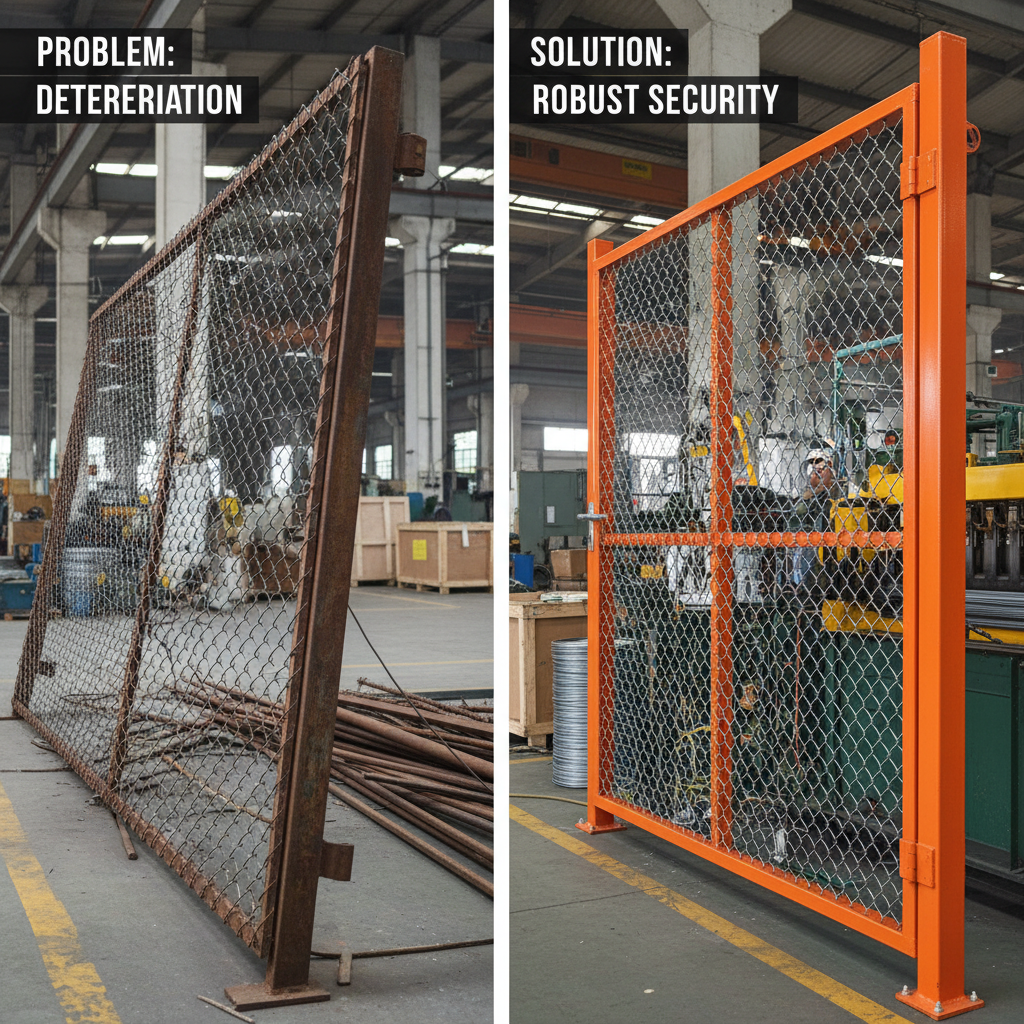
Galvanization and Coatings: Steel components are typically hot-dip galvanized after fabrication to provide a thick, sacrificial zinc layer that prevents rust. This coating is often supplemented with a durable powder coating for enhanced aesthetics and environmental protection.
Modular Design: Designing the guardrail in modular, bolted sections allows for easier replacement of damaged portions after an accident, minimizing bridge closure time and maintenance costs.
In conclusion, the modern bridge guardrail is a sophisticated engineering marvel. Its structural features—from the strategic slope of a concrete wall and the tensile strength of coated steel wire mesh to the robust post connections and carefully chosen profile height—are all harmonized to meet stringent bridge guardrail requirements. This commitment to innovative bridge guardrail design ensures that the barriers not only increase the aesthetic appeal but, more importantly, maximize the safety of all who travel across these vital structures.