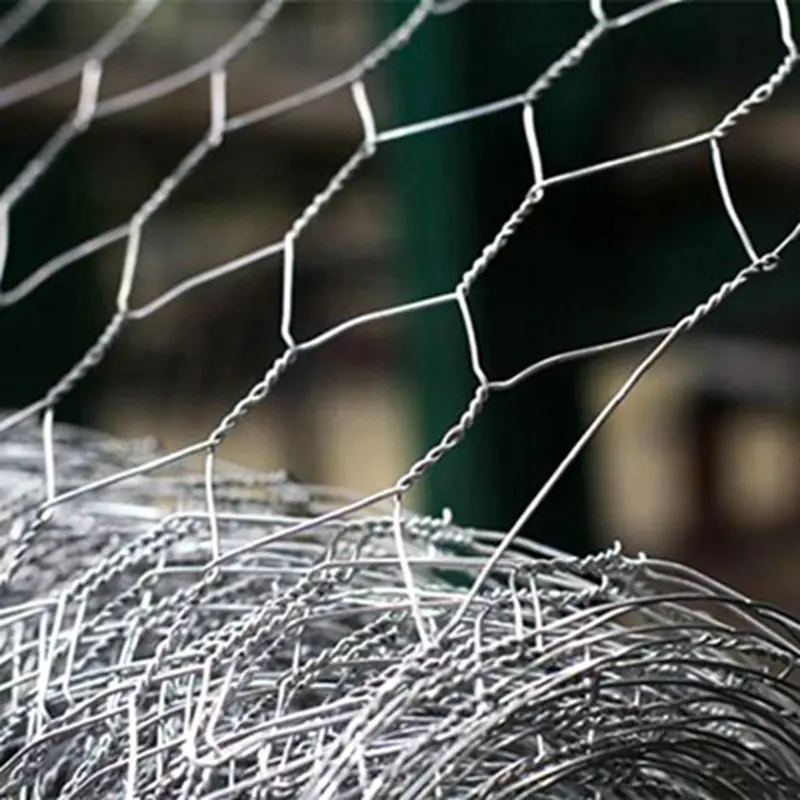

In daily life, barbed wire is used to defend the boundaries of some fences and playgrounds. Barbed wire is a kind of defensive measure woven by a barbed wire machine. It is also called barbed wire or barbed wire. Barbed wire is usually made of iron wire and has strong wear resistance and defensive properties. They are used for defense, protection, etc. of various borders.
In the realm of high-stakes security, deterrence and physical obstruction are paramount. For facilities where unauthorized entry or escape carries severe consequences—namely military installations and correctional facilities—the perimeter defense must be absolute. The widespread reliance on anti-climbing barbed wire, often integrated with formidable fencing structures, is a testament to its effectiveness as a psychological deterrent and a physical barrier. The strategic use of prison barbed wire fence and military barbed wire fence systems hinges on the material's inherent characteristics: simplicity, cost-effectiveness, and extreme impedance to unauthorized passage.
The Core Mechanics of Security Barbed Wire as a Deterrent
Barbed wire, and its more aggressive counterpart, razor wire, operates on a principle of imposing pain and entanglement to defeat intrusion attempts. Unlike smooth barriers, the sharp points immediately communicate the high cost of contact.
1. Psychological Deterrence
The visible presence of coils and strands of security barbed wire serves as an immediate and unambiguous declaration of a restricted area.
Conveying Risk: The sharp, often reflective blades of razor wire (a modern evolution of traditional barbed wire) are designed to be highly visible and intimidating. This psychological barrier often stops potential intruders or escapees before they even attempt contact, serving as the first line of defense.
Symbolic Boundary: For both a prison barbed wire fence and a military barbed wire fence, the barrier is not just physical; it is symbolic. It reinforces the authority of the institution and the severity of the consequences for crossing the line.
2. Entanglement and Impedance
The primary physical function of the wire is not to hold back a vehicle but to slow down and physically obstruct a human crossing the boundary.
Concertina Coils: The most effective configuration for high-security applications involves concertina wire—large coils of razor wire that spring open into a helix shape. When stacked and tightly wired together, these coils create a dense, three-dimensional barrier. Any attempt to pass through results in immediate snagging and entanglement, often tearing clothes and skin, significantly slowing the breach attempt and allowing security personnel time to respond.
Anti-Climb Integration: The wire is often mounted atop a primary fence system, angled outward (Y-wall design). This outward angle makes it nearly impossible for a climber to gain purchase or lean over the barrier without immediate contact with the blades, reinforcing its anti-climbing efficacy.
Application in Correctional Facilities: The Prison Barbed Wire Fence
In correctional environments, the stakes are focused on containment, preventing inmates from leaving the secure perimeter. The prison barbed wire fence is a vital layer in a multi-barrier system.
Non-Lethal but Highly Effective: While modern prison fences utilize sophisticated technologies (e.g., micro-phonic detection cables, video surveillance), the physical presence of security barbed wire remains indispensable. It serves as a passive barrier that functions 24/7 without power.
Double-Fencing Systems: High-security prisons often employ a double-fence system with a sterile zone between them. Razor wire coils are typically installed on the ground within this zone and along the tops of both fences. This configuration means an escapee must defeat three separate barriers—each one covered in entanglement hazards. The time required to breach the second fence allows guards to intercept.
Internal and External Use: Beyond the perimeter, barbed wire is used internally within prisons on catwalks, maintenance tunnels, and roofs to restrict inmate movement and access to non-secure areas, reinforcing its function as a versatile anti-climbing tool.
Application in Defense and Strategic Sites: The Military Barbed Wire Fence
For military bases, ammunition depots, and critical infrastructure (e.g., communications arrays), the threat is not just escape but unauthorized access, often by trained adversaries seeking intelligence or sabotage. The military barbed wire fence must therefore be robust and rapidly deployable.
Hardening the Perimeter: Permanent military bases use security barbed wire atop tall chain-link or welded mesh fences, designed to withstand cutting attempts and slow down professional intruders. The rigidity of the fence combined with the chaotic nature of the concertina wire creates a formidable obstacle.
Rapid Deployment (Expeditionary Use): A major advantage of razor wire is its ease of deployment. Standardized coils can be quickly stretched across open ground or mounted on temporary posts, creating an instant perimeter. This makes it invaluable for securing forward operating bases (FOBs), temporary checkpoints, or disaster relief sites—a crucial characteristic for military operations where speed and adaptability are necessary.
Integration with Fortifications: In defensive positions, the wire is often used in conjunction with obstacles like barriers and ditches to create what is known as "tanglefoot," effectively impeding movement across an open field of fire and trapping personnel in vulnerable positions.
Durability, Maintenance, and Cost
The widespread use of anti-climbing barbed wire across both prison and military sectors is also driven by practical considerations:
Corrosion Resistance: Modern razor wire is typically made from high-tensile galvanized steel or stainless steel, ensuring it can withstand harsh weather and saline environments (common in coastal military bases) for many years without significant maintenance.
Cost-Effectiveness: Compared to sophisticated electronic detection systems, tall masonry walls, or continuous guard patrols, the material cost of security barbed wire is exceptionally low, providing maximum deterrent value per linear foot of perimeter.
Ease of Repair: If a section of wire is cut or damaged during an attempt to breach, it can be replaced quickly and with minimal specialized equipment, ensuring the integrity of the prison barbed wire fence or military barbed wire fence is restored immediately.
The enduring significance of anti-climbing barbed wire in both military and prison security stems from its powerful combination of features: low cost, high durability, and superior effectiveness as a passive, physical, and psychological barrier. By creating a dense, entanglement-rich environment on the top and base of the fence, the security barbed wire system guarantees maximum impedance, ensuring that any attempt at unauthorized crossing is slowed down, marked by damage, and ultimately provides critical time for security forces to neutralize the threat.