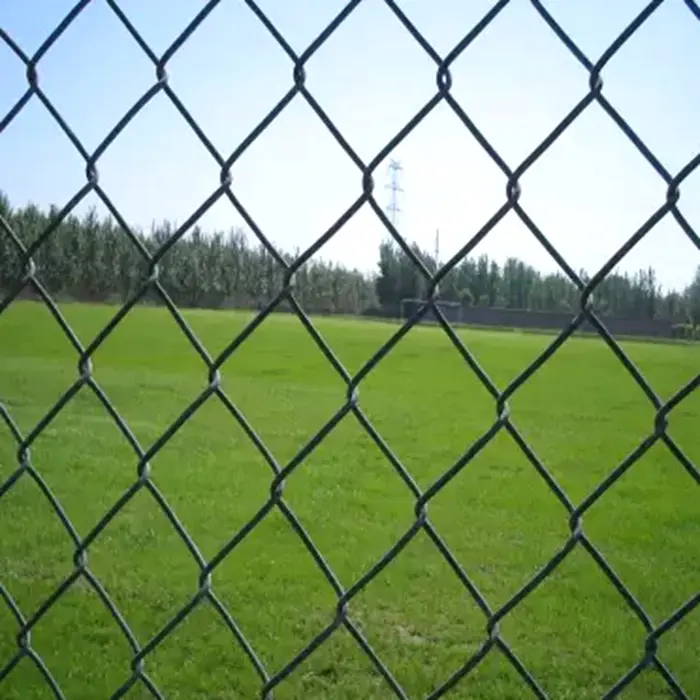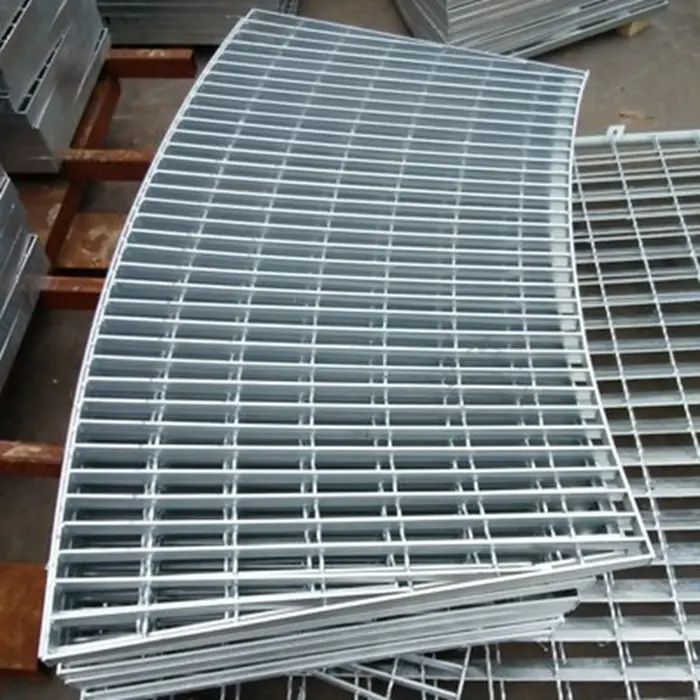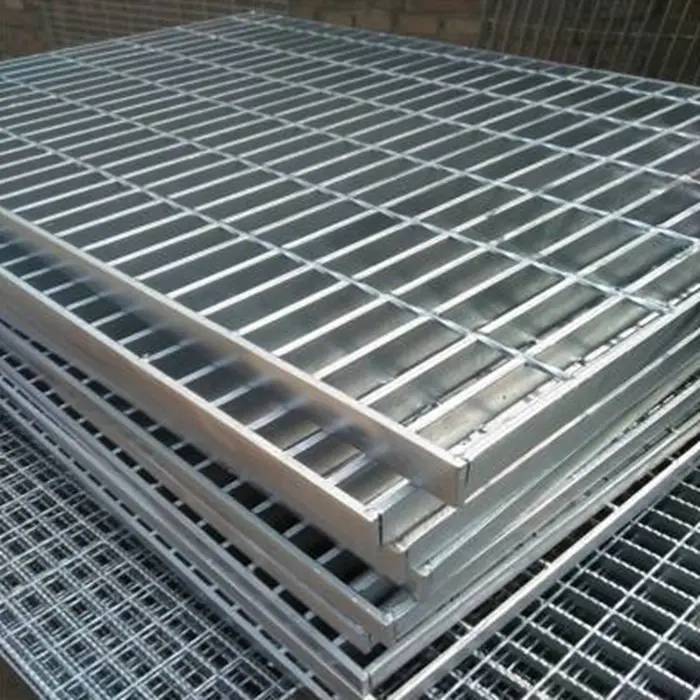

The 358 anti-climbing guardrail net uses PVC powder coated on the surface of the welded wire mesh to form an effective protective film to prevent corrosion and rust, extending the service life of the 358 anti-climbing guardrail net. The color can be customized according to the customer's requirements. It actually needs to be customized, the appearance is beautiful and the price is reasonable!
Airports are some of the most sensitive and high-traffic environments in the world. Beyond the complex logistics of flight schedules and passenger management, the physical security of the airfield—specifically the runways and taxiways—is a matter of national security. Unauthorized access to a runway can lead to catastrophic accidents, groundings, and significant financial losses. To mitigate these risks, civil aviation authorities worldwide have turned to the 358 fence for airport security as the definitive solution for perimeter protection.
The Engineering Superiority of 358 Fence for Airport Security
The term "358" refers to the specific dimensions of the mesh: 3" x 0.5" x 8 gauge. In the metric system, this translates to an aperture of 76.2mm x 12.7mm with a 4mm wire diameter. This incredibly tight configuration is the heart of the 358 fence for airport infrastructure.
Structural Benefits for Aviation
Anti-Cut Properties: The apertures are so narrow that standard manual cutting tools like bolt cutters simply cannot gain enough leverage to snip the high-tensile wire.
High Visibility: For airport security teams and tower controllers, "line of sight" is non-negotiable. The 358 mesh offers excellent transparency when viewed from an angle or through CCTV, ensuring that security personnel can monitor both the landside and airside environments simultaneously.
Radar Transparency: Unlike solid walls, the thin wire profile of the 358 mesh minimizes interference with airport radar and communication signals, which is vital for the safety of aircraft during takeoff and landing.
Durability and Longevity: The Galvanized Airport Fence
Airport runways are often located in open, exposed areas—sometimes near coastal regions or in environments with extreme temperature fluctuations. To ensure that the perimeter remains uncompromised for decades, the galvanized airport fence utilizes advanced metallurgical protection.
The Galvanization Process
A high-quality galvanized airport fence typically undergoes a hot-dip galvanization process. This involves submerging the welded mesh panels into a bath of molten zinc.
Corrosion Resistance: The zinc coating creates a sacrificial layer that protects the steel core from oxidation (rust), even if the surface is scratched.
Galfan Option: Many modern airports specify a "Galfan" coating (a mix of 95% Zinc and 5% Aluminum), which has been proven to last up to three times longer than standard galvanization in salt-heavy or industrial environments.
Environmental Resilience: This coating ensures that the fence maintains its structural integrity despite constant exposure to jet engine exhaust, de-icing chemicals, and harsh weather conditions.
Physical Deterrence: Anti Climb Fence for Airport Perimeters
The most significant threat to an airport runway is a person or animal scaling the fence to gain access to the tarmac. The anti climb fence for airport use is specifically designed to defeat the mechanics of human climbing.
How It Stops Intruders
Finger-Proof Mesh: The 12.7mm horizontal spacing is smaller than the width of a human finger. This makes it impossible for an intruder to find a handhold. Without a grip, the fence becomes a sheer vertical wall that cannot be scaled.
Eliminating Footholds: Similarly, the narrow gaps prevent the toe of a boot from gaining purchase. Unlike chain-link fences, which can be used as a ladder, the anti climb fence for airport runways offers a flat, smooth surface to the climber.
Psychological Barrier: The formidable appearance of 358 mesh serves as a powerful deterrent. Most potential intruders will realize upon sight that a breach attempt is futile, preventing incidents before they even begin.
Comprehensive Protection: High Security Fence for Airport Assets
Beyond the runways, airports house high-value assets such as fuel farms, navigation equipment, and hangars. A high security fence for airport facilities must integrate with a multi-layered security strategy.
Integration with Technology
The rigidity of the 358 panel makes it the perfect substrate for modern security technology:
PID Systems: Perimeter Intrusion Detection Systems (PIDS), such as vibration sensors or fiber-optic cables, can be easily mounted to the mesh. Because the 358 panel does not rattle in the wind (unlike chain-link), "false alarms" are significantly reduced.
CCTV Mounting: The strength of the posts allows for the secure mounting of high-definition cameras and thermal imaging sensors directly onto the fence line.
Topping Extensions: A high security fence for airport use is usually topped with "Y" or "cranked" posts that carry multiple strands of concertina razor wire, creating a final, lethal barrier for any intruder who might attempt to use a ladder.
Implementation and Construction Airport 358 Fence
The final effectiveness of the perimeter depends on the quality of the construction airport 358 fence project. Precision during installation is what separates a boundary marker from a true security barrier.
Key Construction Requirements
Post Anchoring: Posts must be deeply anchored in reinforced concrete footings to prevent the fence from being toppled by high winds or vehicle impacts.
Anti-Tamper Hardware: Panels are fastened to the posts using heavy-duty clamp bars and stainless steel "one-way" bolts. These bolts cannot be unscrewed with standard tools, ensuring that the panels cannot be removed from the outside.
Grounding: Since airports are prone to lightning strikes and deal with flammable jet fuel, the entire fence system must be properly grounded (earthed) to prevent electrical hazards.
A Silent Guardian for Aviation
In the world of aviation, there is no room for error. The 358 fence for airport runways provides a permanent, low-maintenance, and highly effective shield that protects millions of passengers and billions of dollars in assets every year.
By combining the "anti-grip" technology of the anti climb fence for airport use with the chemical durability of a galvanized airport fence, authorities can create a perimeter that is as reliable as it is formidable. Whether it is a local airfield or a major international hub, the high security fence for airport safety remains the silent guardian of the skies, ensuring that every takeoff and landing happens within a secure and controlled environment.