
Understanding Sound Barrier Price and Effective Noise Control
Controlling noise pollution is crucial for creating safe and productive environments, particularly near busy roads, industrial areas, or construction sites. Effective solutions often involve the installation of sound barriers. But what factors influence the sound barrier price? This article will delve into the cost considerations, materials, installation, and factors that affect the overall investment in noise control, providing a comprehensive guide for those considering sound mitigation solutions. Choosing the right sound barrier is a vital step in creating a more peaceful and compliant environment.
Factors Influencing Sound Barrier Price
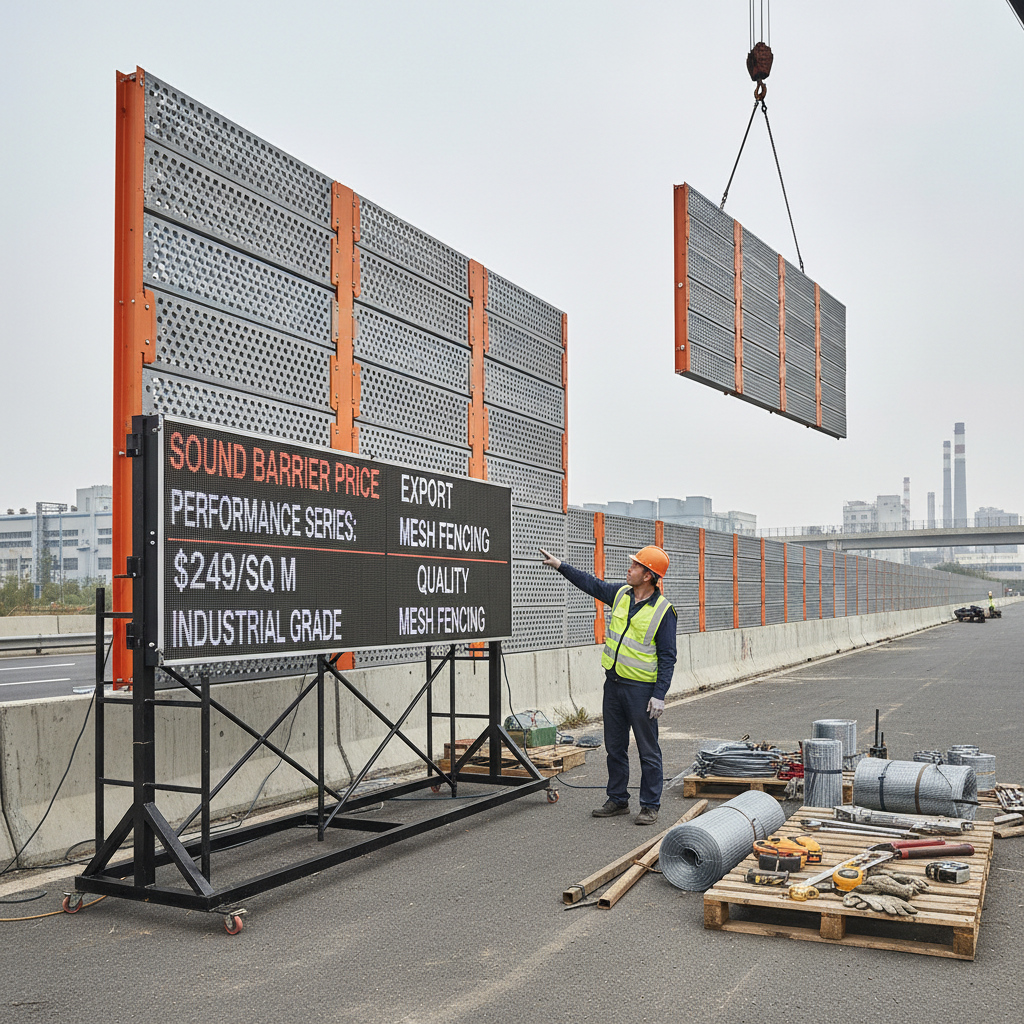
The sound barrier price isn't a fixed figure. Several key elements contribute to the total cost. These include the materials used (concrete, wood, metal, composite materials), the height and length of the barrier, the complexity of the installation site (terrain, accessibility), permitting requirements, and labor costs. Higher-performing materials like concrete generally have a higher upfront cost but offer superior noise reduction and longevity. The length of the barrier is a significant factor as more material will obviously require a higher budget. Furthermore, local regulations and permitting processes can add to the expense, particularly in environmentally sensitive areas.
Key Cost Drivers: Materials, height & length, installation complexity, permitting, and labor rates.
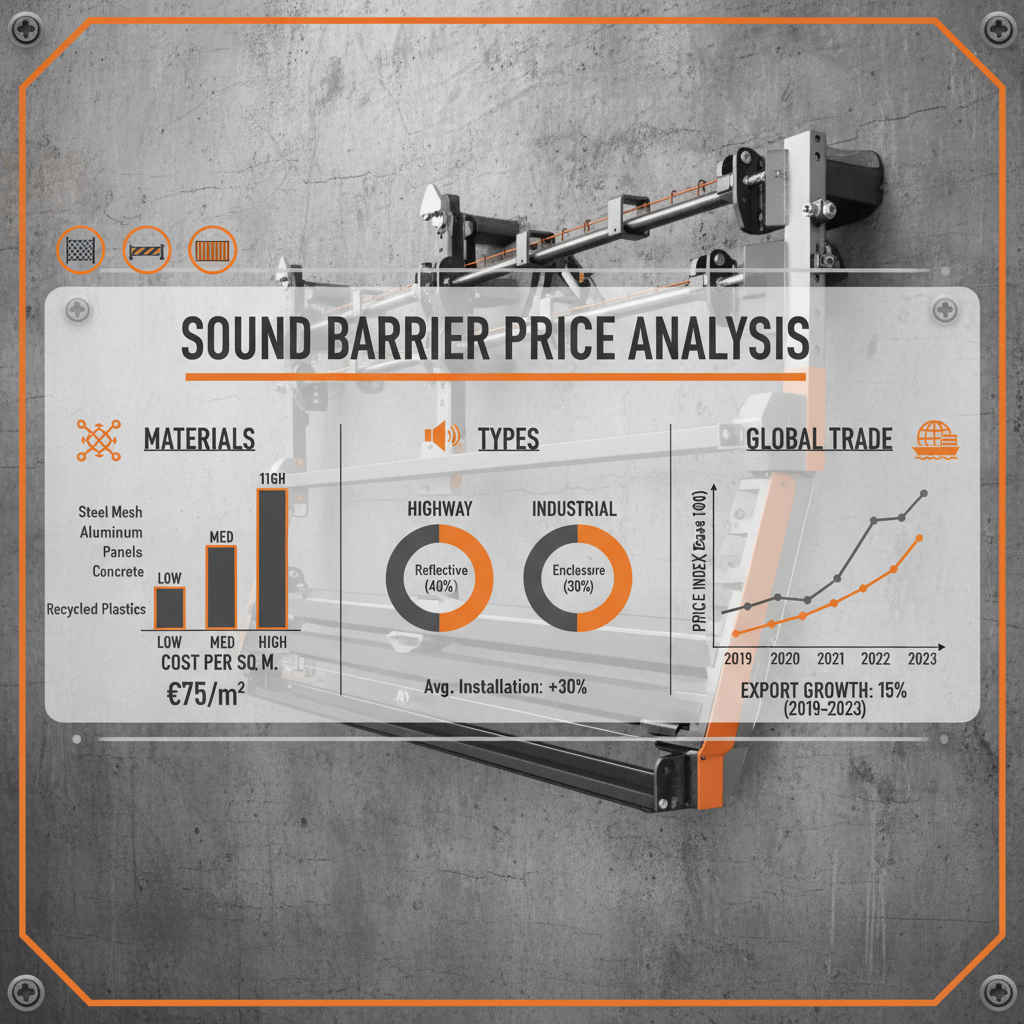
Sound Barrier Material Costs: A Comparison
Different materials have varying costs and noise reduction capabilities. Here’s a breakdown:
Installation Costs: What to Expect
Installation makes up a significant portion of the total sound barrier price. Factors affecting installation costs include site preparation (leveling the ground, clearing vegetation), foundation requirements, the need for heavy machinery, and labor rates in your area. Complex installations, such as those on sloped terrain, will generally cost more. Proper installation is critical to ensure the barrier’s effectiveness and structural integrity. It's recommended to use experienced professionals to ensure a quality installation.
Height & Length Impact on Sound Barrier Price
The physical dimensions of the sound barrier directly impact the cost. Generally, higher barriers provide greater noise reduction, but come with a higher price tag due to increased material usage and potentially more complex foundation requirements. Similarly, a longer barrier will require more materials and labor, thus increasing the overall investment. A common strategy is to identify the critical areas where noise reduction is most needed and prioritize barrier placement accordingly, optimizing the balance between cost and effectiveness.
Maximizing Value and Getting the Best Price
To get the best sound barrier price, obtain quotes from multiple suppliers and installers. Clearly define your noise reduction goals and site requirements to ensure accurate quotes. Consider the long-term cost of ownership, including maintenance and potential repairs, when evaluating different materials. Working with a reputable company like Fencing Wire Mesh can provide expert guidance and ensure a high-quality, cost-effective solution.
Conclusion: Investing in Noise Control
Understanding the factors influencing sound barrier price is essential for making an informed investment in noise control. By carefully considering materials, installation costs, and long-term value, you can create a peaceful and compliant environment while staying within your budget. Fencing Wire Mesh provides tailored sound barrier solutions to meet your specific needs.
Frequently Asked Questions (FAQs)
What is the typical lifespan of a sound barrier?
The lifespan of a sound barrier varies depending on the material. Concrete barriers can last for 50 years or more with minimal maintenance. Wood barriers typically last 10-20 years and require regular treatment to prevent rot and decay. Metal barriers, especially those with corrosion-resistant coatings, can last 20-30 years. Composite materials generally have a lifespan of 25-40 years. Proper installation and regular inspections are crucial for maximizing the lifespan of any sound barrier.
Are permits required for sound barrier installation?
Yes, permits are almost always required for sound barrier installation. Local zoning regulations and building codes typically govern the height, location, and materials used for sound barriers. The permitting process ensures that the barrier meets safety standards and doesn't negatively impact neighboring properties. It's best to check with your local authorities to determine the specific permit requirements in your area. Failure to obtain the necessary permits can result in fines or the removal of the barrier.
How much noise reduction can I expect from a sound barrier?
The amount of noise reduction depends on several factors, including the height and length of the barrier, the material used, the distance between the noise source and the barrier, and the surrounding topography. A well-designed and properly installed sound barrier can typically reduce noise levels by 10-20 decibels (dB). Higher barriers and materials with higher STC (Sound Transmission Class) ratings generally provide greater noise reduction. It’s important to conduct a noise study to determine the most effective sound barrier solution for your specific situation.
Can sound barriers be aesthetically pleasing?
Yes, sound barriers don’t have to be visually unappealing. Many options are available to enhance the aesthetic appearance of a sound barrier, including decorative finishes, landscaping, and integrated architectural features. Wood barriers can be stained or painted to blend in with the surrounding environment. Concrete barriers can be textured or clad with decorative panels. By carefully considering the visual impact of the barrier, you can create a noise control solution that is both effective and aesthetically pleasing.