
Understanding Sound Barrier Fence Cost: A Comprehensive Guide
Noise pollution is a growing concern in both residential and commercial areas. A sound barrier fence offers an effective solution, reducing unwanted noise and creating a more peaceful environment. But what does a sound barrier fence cost? This article will delve into the factors influencing the cost, material options, installation considerations, and provide a detailed overview to help you budget for your project. We will explore how to find the best balance between price and performance.
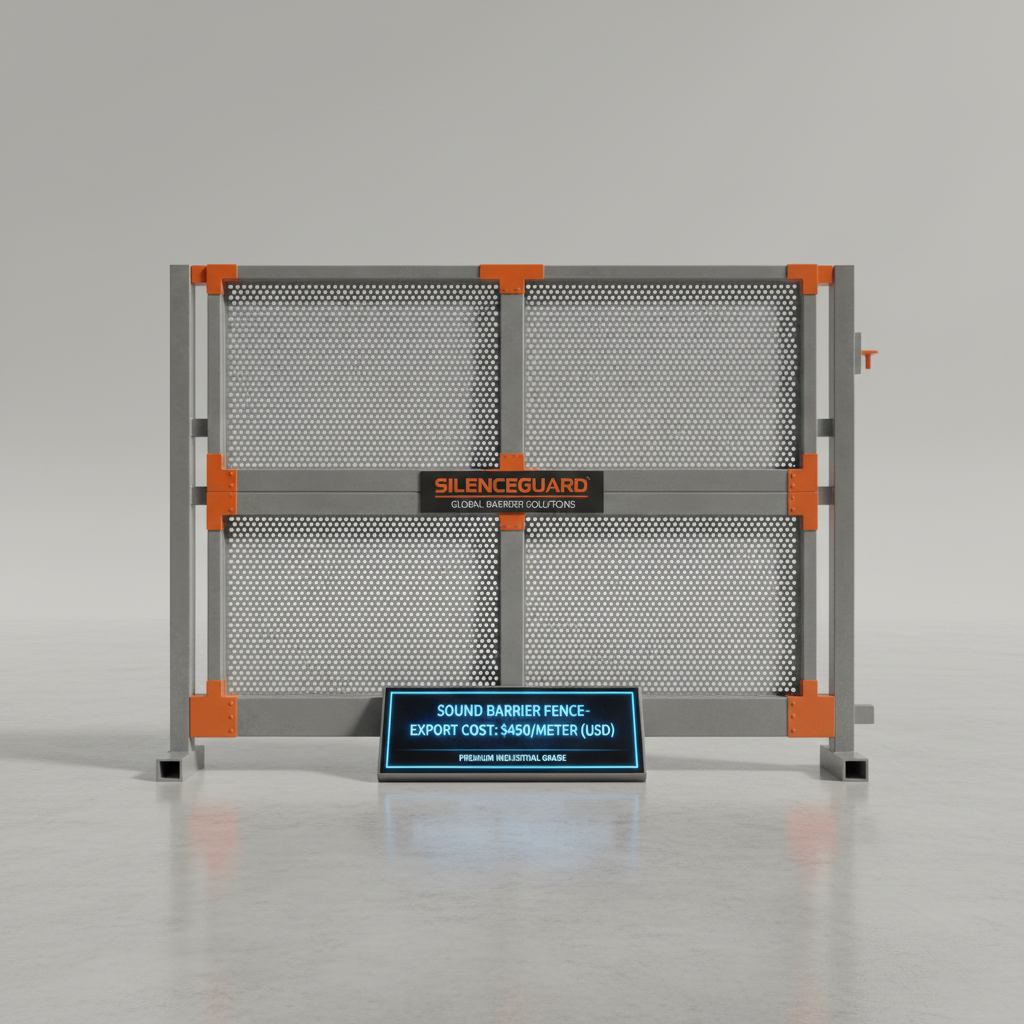
Factors Influencing Sound Barrier Fence Cost
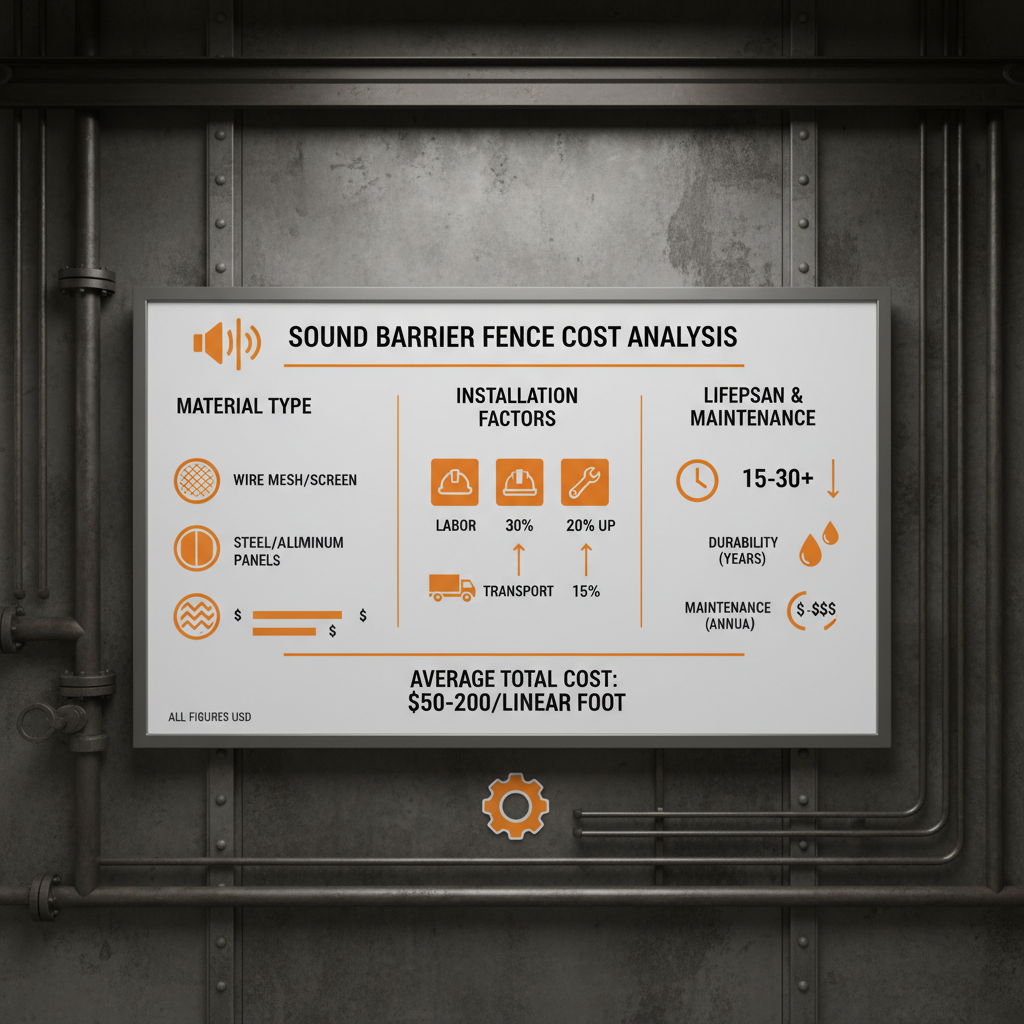
Several key factors determine the overall cost of a sound barrier fence. The most significant is the material used. Options range from wood and vinyl to concrete and specialized noise-reducing panels. Fence height and length directly correlate with material quantities and labor hours. Terrain and site accessibility can impact installation complexity and therefore, labor costs. Additionally, local permits and regulations may require additional fees or specific construction requirements. Finally, installation costs, which vary based on contractor rates and project complexity, are a crucial component of the total expense. Consider these factors carefully when planning your project.
Key Cost Considerations: Material choice, fence dimensions (height & length), site accessibility, permitting fees, and labor rates all impact the final cost.
Material Options and Their Associated Costs
The material you choose drastically affects the sound barrier fence cost. Here’s a breakdown of common options:
Installation Considerations and Labor Costs
Installation costs can vary greatly depending on the complexity of the project. Factors like the need for excavation, post setting, and panel installation all contribute. Generally, labor costs range from $5 to $15 per linear foot. Complex terrain, requiring specialized equipment or increased labor hours, will naturally increase these costs. Obtaining multiple quotes from reputable contractors is essential to ensure you're receiving a fair price. Also, ensure the contractor is licensed and insured for your peace of mind. Remember to discuss the scope of work clearly with each contractor to avoid any unexpected charges.
Installation Cost Factors:
• Site Preparation (Excavation, Leveling)
• Post Setting (Concrete Work)
• Panel/Material Installation
• Terrain Complexity
Permitting and Regulations Affecting Sound Barrier Fence Cost
Before beginning any fence project, check with your local municipality regarding permits and regulations. Some areas have height restrictions, setback requirements, or specific aesthetic guidelines that could impact your design and cost. Permit fees can range from $50 to $500 or more, depending on your location. Failure to obtain the necessary permits can result in fines and delays. It’s always best to proactively investigate these requirements to avoid potential complications.
Estimating Your Total Sound Barrier Fence Cost
To get a realistic estimate for your sound barrier fence cost, calculate the total length of fencing needed, choose your desired material, and obtain quotes from multiple contractors. Don't forget to factor in permit fees and potential site preparation costs. A rough estimate for a typical residential project (100 linear feet) could range from $2,000 to $8,000+, depending on the material and complexity. Consulting with a fencing specialist at Fencing Wire Mesh can provide a tailored quote for your specific needs.
Conclusion: Investing in Peace and Quiet
Investing in a sound barrier fence is an investment in your quality of life. While the initial sound barrier fence cost can seem significant, the long-term benefits of reduced noise pollution, increased privacy, and enhanced property value make it a worthwhile consideration. Carefully evaluate your needs, budget, and local regulations to make the best decision for your property.
Frequently Asked Questions (FAQs)
What is the most effective material for sound reduction?
Concrete and specialized noise-reducing panels are generally considered the most effective materials for sound reduction. These materials have high mass and density, which are key to blocking sound waves. While more expensive than wood or vinyl, they provide significantly better performance, especially in areas with high levels of noise pollution. The effectiveness also depends on the height and length of the fence.
How high does a sound barrier fence need to be?
The required height of a sound barrier fence depends on the level of noise reduction desired and the source of the noise. Generally, a fence at least 6 feet high is recommended for noticeable noise reduction. Higher fences (8 feet or more) provide even greater effectiveness but may be subject to local regulations. Consulting with a sound engineer can help determine the optimal height for your specific situation.
Can a sound barrier fence also provide privacy?
Yes, a sound barrier fence can definitely provide privacy in addition to noise reduction. Solid materials like wood, vinyl, and concrete offer excellent visual screening. Choosing a taller fence further enhances privacy. However, consider that designs with gaps or spaces may reduce both noise reduction and privacy.
What is the best way to find a qualified fence installer?
Start by asking for recommendations from friends, family, or neighbors. Online reviews and directories can also be helpful. Always check the installer's license and insurance. Obtain quotes from multiple contractors, and be sure to ask about their experience with sound barrier fence installation specifically. A reputable installer will be happy to provide references and answer your questions thoroughly. Fencing Wire Mesh offers professional installation services and can connect you with qualified installers in your area.