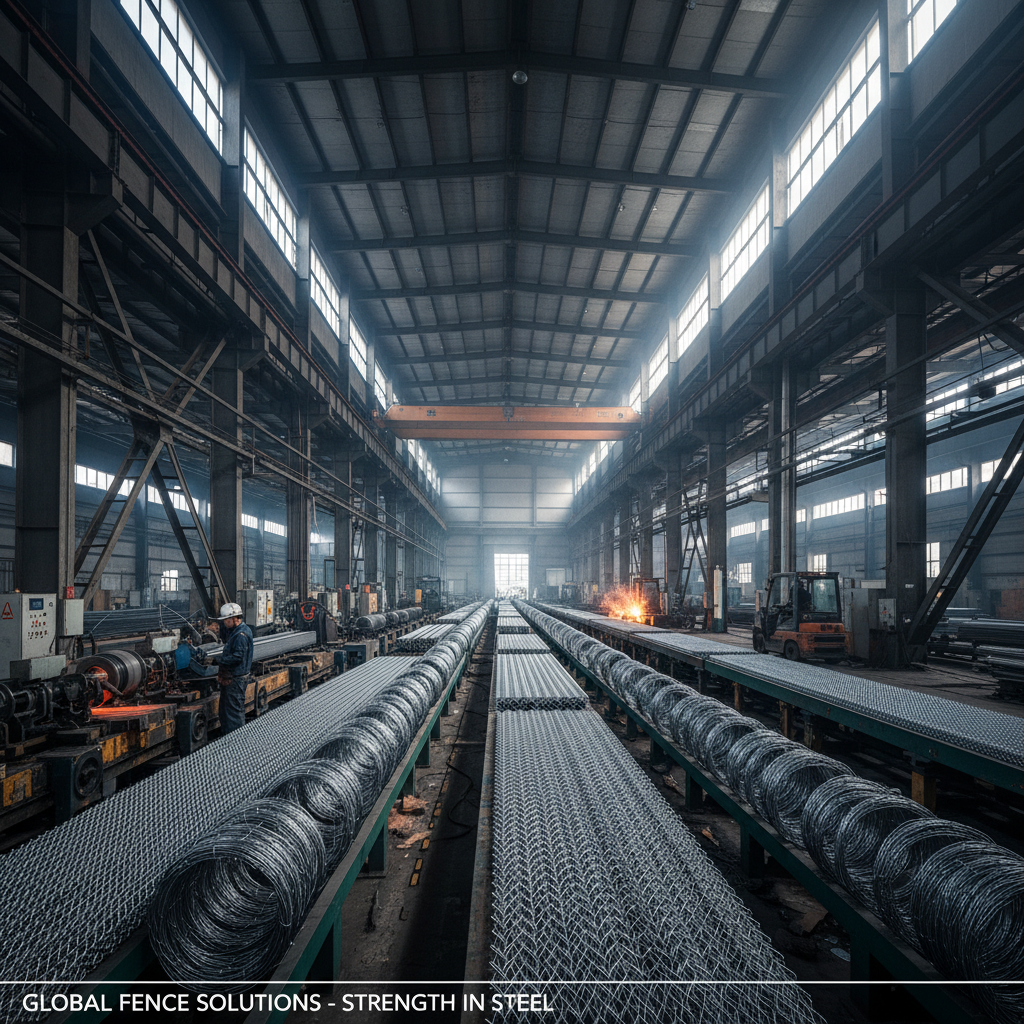
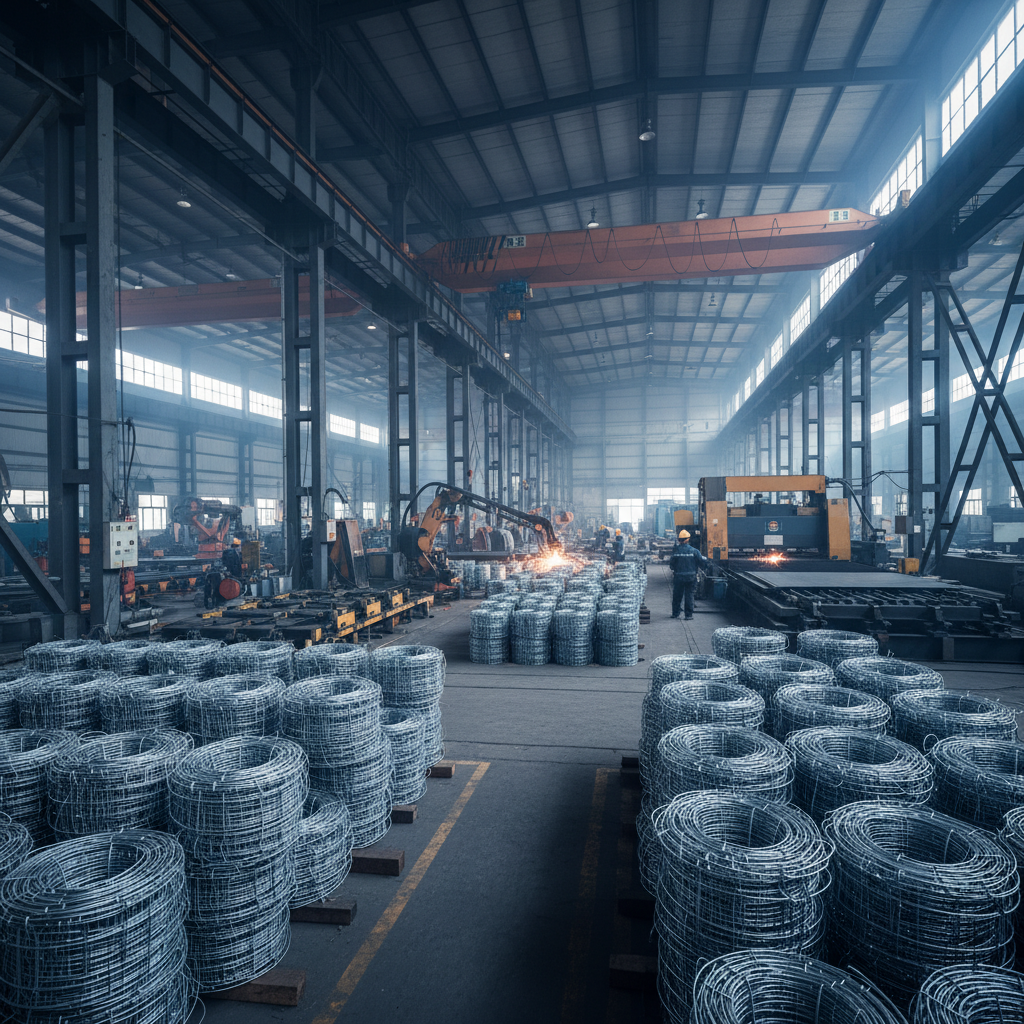
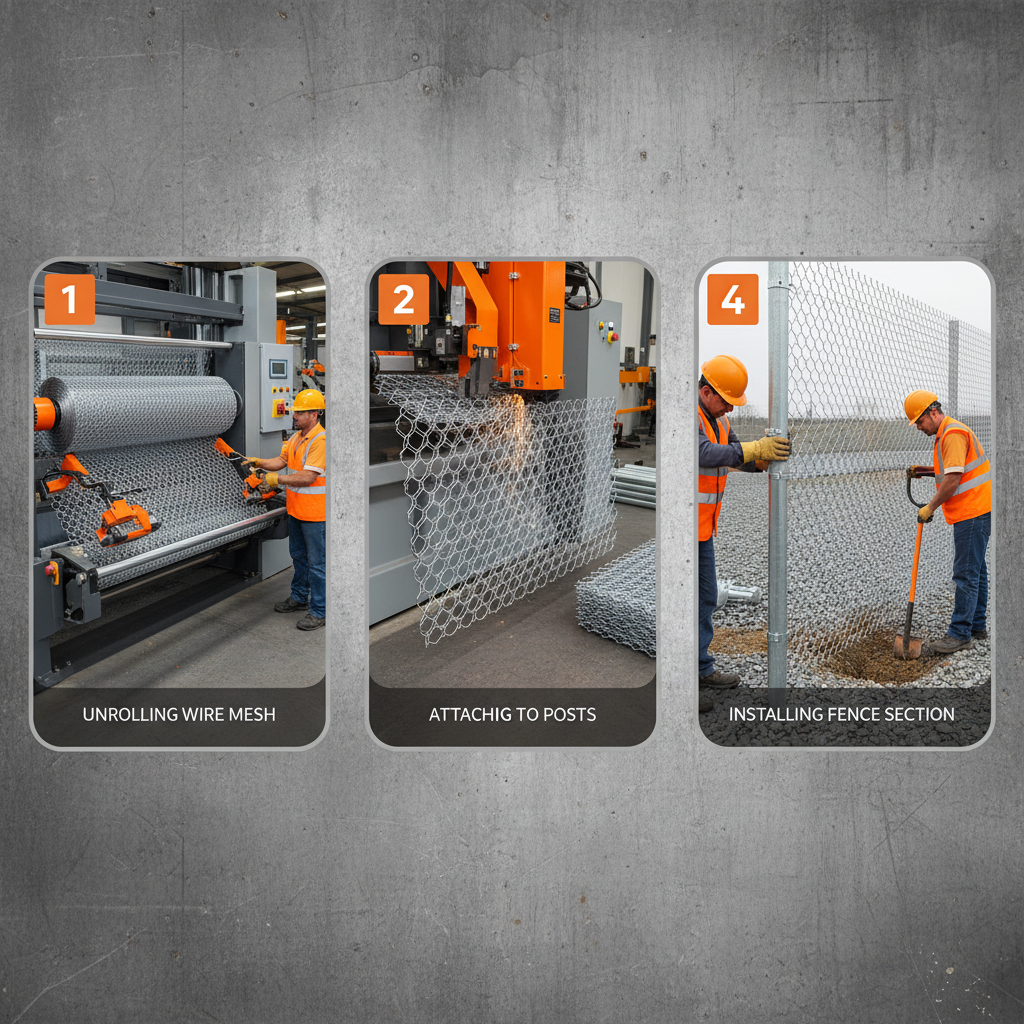
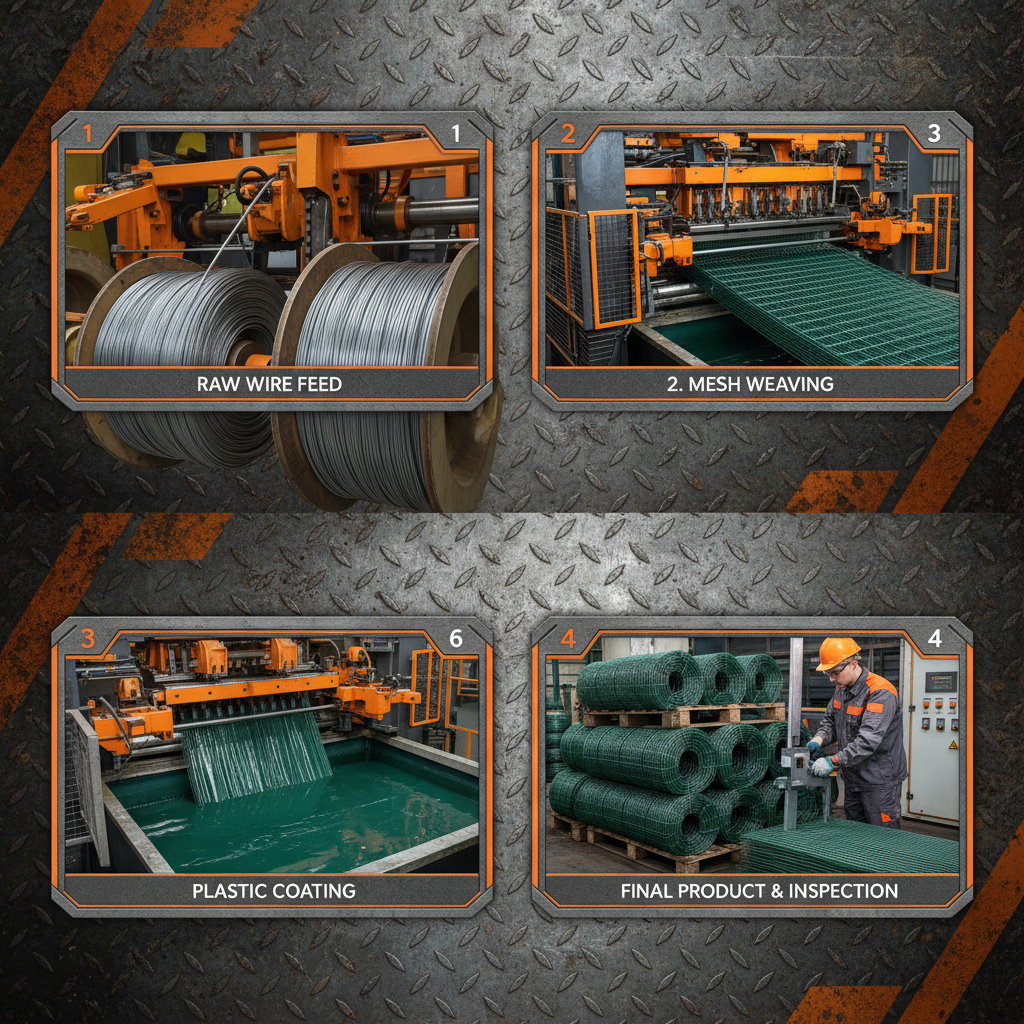
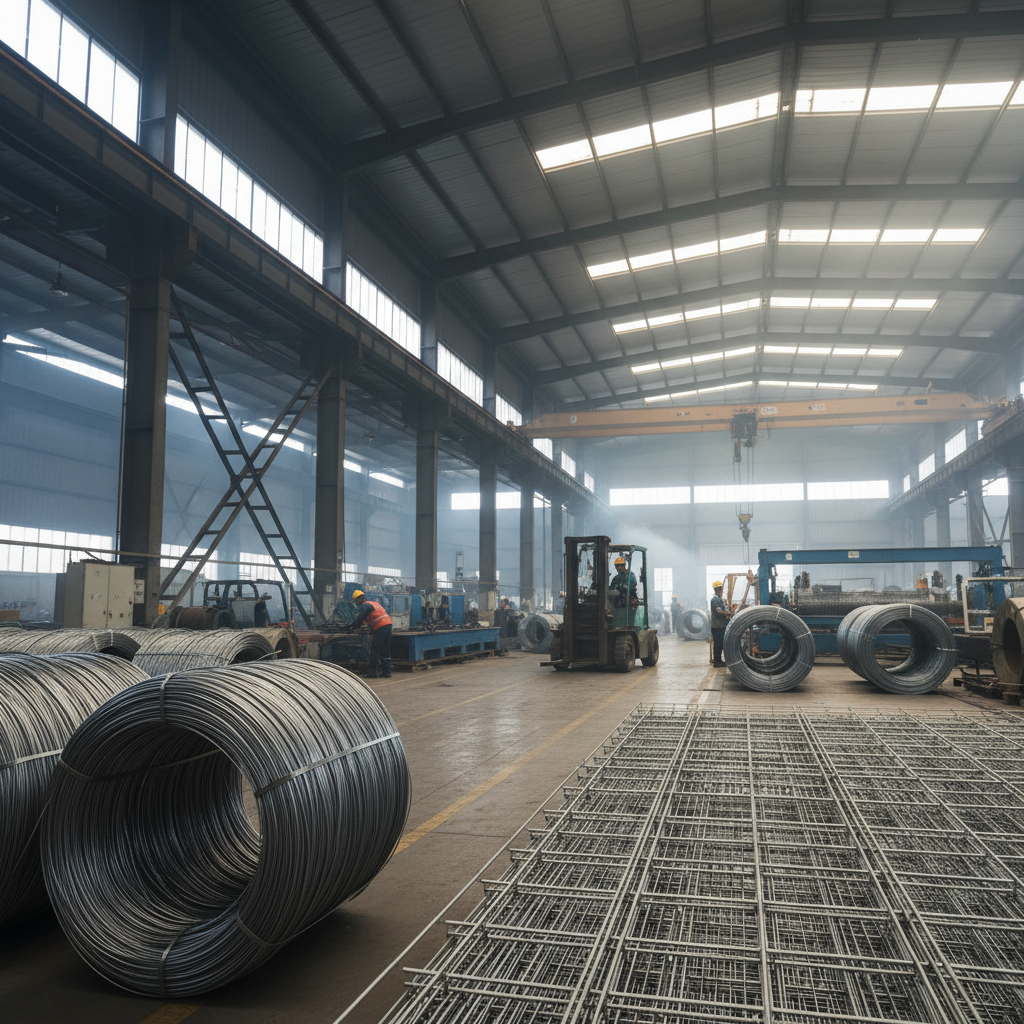
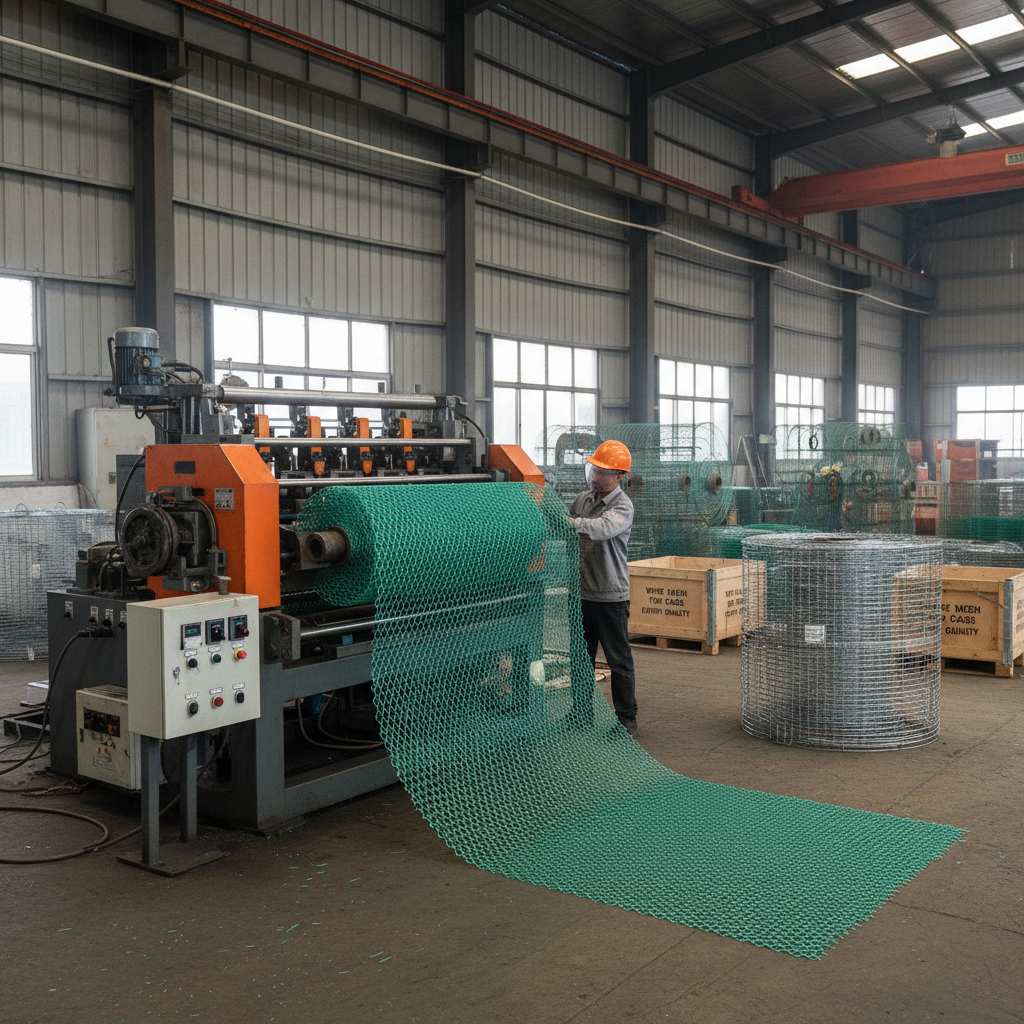
Metal fencing plays a crucial role in securing properties and defining boundaries globally. From protecting critical infrastructure to providing privacy for residential areas, its applications are widespread and ever-evolving. Understanding the nuances of different metal fencing solutions – their materials, installation techniques, and long-term performance – is becoming increasingly vital for effective security, aesthetic appeal, and cost management. The demand for durable, reliable, and visually pleasing fencing continues to grow alongside urbanization and increasing security concerns.
The global metal fencing market is experiencing steady growth, driven by factors such as rising construction activities, infrastructure development, and heightened security needs. According to market research reports, the industry is projected to reach significant value in the coming years. However, challenges like fluctuating raw material prices and the need for sustainable practices are also shaping the industry landscape. Innovating with eco-friendly materials and efficient installation methods are key to addressing these challenges and achieving long-term success.
Choosing the right metal fencing isn't just about aesthetics; it's about creating a secure and functional perimeter. The benefits range from increased property value to enhanced safety and peace of mind. This guide provides a comprehensive overview of metal fencing, exploring its different types, key factors, applications, and future trends, ultimately helping you make informed decisions for your specific needs.
Introduction to Metal Fencing
Metal fencing encompasses a broad range of perimeter security solutions utilizing various metallic materials, including steel, aluminum, wrought iron, and chain-link. These fences are engineered for durability, security, and aesthetic appeal, serving residential, commercial, and industrial clients. The type of metal fencing chosen often depends on the specific application and the level of security required.
Beyond basic security, metal fencing also contributes to property value and aesthetic design. Modern metal fencing techniques allow for customized designs, colors, and finishes to complement the surrounding landscape. The longevity and low maintenance requirements of metal fences make them a cost-effective investment over time, surpassing alternatives like wood in many applications.
Defining Metal Fencing
Metal fencing, in its simplest form, is a barrier constructed from metallic materials to demarcate boundaries, provide security, or offer aesthetic enhancement. It represents a significant advancement over traditional fencing materials, offering superior strength, durability, and resistance to weather and wear. Different metals provide unique qualities: steel offers robust strength, aluminum is lightweight and corrosion-resistant, and wrought iron provides a classic, ornate aesthetic.
Its connection to modern industry lies in its widespread use in infrastructure projects, industrial complexes, and high-security facilities. Metal fencing safeguards critical assets, controls access, and provides a visible deterrent against unauthorized entry. In humanitarian contexts, metal fencing can be adapted for temporary shelters, perimeter security in refugee camps, or as a component of disaster relief infrastructure.
The modern evolution of metal fencing has led to innovative designs and materials, like powder coating for increased corrosion resistance and specialized alloys for enhanced strength. These advancements reflect a growing understanding of the need for both functionality and aesthetic value in perimeter security solutions.
Key Factors of Metal Fencing
Durability: Metal fencing, particularly steel and aluminum, is renowned for its long lifespan. Unlike wood, it doesn’t rot, warp, or require extensive maintenance. Galvanization and powder coating further enhance its resistance to corrosion and weathering, making it suitable for harsh environments.
Security: Metal fencing offers a high level of security due to its strength and resistance to forced entry. Different designs, such as spiked tops or robust mesh patterns, can deter intruders. The height and gauge of the metal significantly impact the level of security provided.
Aesthetic Appeal: Metal fencing is available in a wide range of styles, colors, and finishes to complement any architectural design. Wrought iron fences offer a classic, elegant look, while aluminum fences provide a more modern, streamlined appearance. Custom designs are also possible to achieve a unique aesthetic.
Cost-Effectiveness: While the initial cost of metal fencing may be higher than some alternatives, its longevity and low maintenance requirements make it a cost-effective solution in the long run. Reduced repair and replacement costs contribute to significant savings over the lifespan of the fence.
Versatility: Metal fencing can be adapted to a variety of terrains and applications. It can be installed on slopes, around curves, or in challenging landscapes. Different fence heights and styles can accommodate various security and aesthetic requirements.
Scalability: Metal fencing systems are easily scalable, allowing for seamless expansion or modification as needs change. Additional sections can be added or removed without disrupting the integrity of the existing fence.
Applications and Use Cases of Metal Fencing
Metal fencing finds widespread application across numerous sectors. In residential areas, it provides security, privacy, and enhances curb appeal. Commercial properties utilize it to secure facilities, control access, and protect assets. Industrial sites rely on metal fencing for perimeter security, preventing unauthorized access to sensitive areas.
In remote industrial zones, metal fencing safeguards equipment and personnel. Agricultural applications include livestock containment and crop protection. Government and military installations employ high-security metal fencing systems to protect critical infrastructure. In post-disaster relief operations, metal fencing can create temporary secure zones for aid distribution and refugee housing.
Specific examples include the use of chain-link fencing around schools and parks, wrought iron fencing in historic districts, and high-security perimeter fencing around airports and power plants. The adaptability of metal fencing makes it a versatile solution for diverse security and aesthetic needs.
Metal Fencing Application Ratings
Advantages of Metal Fencing
The advantages of choosing metal fencing are numerous. Firstly, its exceptional durability provides a long-term security solution, reducing the need for frequent repairs or replacements. This translates to significant cost savings over time. Secondly, metal fencing enhances property value, particularly with aesthetically pleasing designs like wrought iron.
From a sustainability perspective, metal is often recyclable, minimizing environmental impact. The inherent strength of metal provides a heightened sense of security and peace of mind, knowing your property is well-protected. Moreover, metal fencing can be customized to blend seamlessly with the surrounding landscape, increasing its visual appeal.
Future Trends in Metal Fencing
The future of metal fencing is poised for innovation, driven by advancements in materials science and technology. We can anticipate a greater emphasis on sustainable materials, such as recycled metals and bio-based coatings, to reduce environmental impact. Smart fencing systems, incorporating sensors and connectivity, will offer real-time security monitoring and remote access control.
Automation will play a larger role in installation processes, reducing labor costs and improving efficiency. Digital twin technology will enable virtual modeling and optimization of fencing designs, ensuring optimal performance and aesthetic integration. The integration of renewable energy sources, such as solar-powered lighting and automated gates, will further enhance the sustainability and functionality of metal fencing systems.
Challenges & Solutions in Metal Fencing
Despite its numerous advantages, metal fencing faces certain challenges. Corrosion remains a concern, particularly in coastal or harsh environments, requiring ongoing maintenance or specialized coatings. Fluctuating raw material prices can impact the overall cost of fencing projects, necessitating careful budgeting and material selection.
To address these challenges, innovations in corrosion-resistant materials and coatings are crucial. Employing galvanized steel, powder coating, and specialized alloys can significantly extend the lifespan of metal fences. Strategic sourcing of materials and negotiating long-term contracts can mitigate the impact of price fluctuations. Additionally, implementing preventative maintenance programs, such as regular inspections and touch-ups, can ensure the long-term integrity of the fencing system.
The use of prefabricated metal fencing components is increasing to solve installation challenges. These components are easier to install, reducing labor costs and construction time. Utilizing BIM (Building Information Modeling) for project planning and coordination can also minimize errors and improve overall efficiency.
Key Considerations for Optimal Metal Fencing Solutions
| Material Type |
Corrosion Resistance |
Security Level |
Cost Factor |
| Steel |
Moderate (requires galvanization or coating) |
High |
Medium |
| Aluminum |
Excellent (naturally corrosion-resistant) |
Medium |
High |
| Wrought Iron |
Moderate (requires regular maintenance) |
High |
Very High |
| Chain-Link |
Moderate (requires galvanization) |
Low to Medium |
Low |
| Stainless Steel |
Excellent (highly corrosion-resistant) |
High |
Very High |
| Galvanized Steel |
Good (zinc coating provides protection) |
High |
Medium |
FAQS
Steel fencing is significantly stronger and more durable, making it ideal for high-security applications. However, it is susceptible to corrosion if not properly treated. Aluminum fencing is lightweight, corrosion-resistant, and requires minimal maintenance, but is generally less strong than steel. The cost also varies, with aluminum often being more expensive upfront, but potentially cheaper in the long run due to reduced maintenance.
Several methods can prevent corrosion on steel fencing. Galvanization, which involves coating the steel with zinc, is a common and effective approach. Powder coating provides an additional protective layer, enhancing resistance to weathering and abrasion. Regular inspections and touch-ups of any damaged areas are also crucial for maintaining the fence's integrity. Using stainless steel is another, though more costly, option.
Yes, metal fencing is remarkably adaptable to sloped or uneven terrain. Chain-link and wrought iron fences can be contoured to follow the natural contours of the land. Additionally, post extensions and leveling techniques can be employed to ensure a secure and visually appealing installation on challenging landscapes. Proper planning and professional installation are key.
A well-maintained metal fence, especially those made of galvanized steel or aluminum, can easily last 20-30 years, and even longer. Wrought iron, if properly cared for with regular painting or coating, can endure for generations. Regular inspections, cleaning, and timely repairs are essential for maximizing the lifespan and minimizing the need for costly replacements.
Yes, local building codes and permit requirements vary depending on your location. It’s crucial to check with your local authorities before beginning any fencing project to ensure compliance. Regulations may dictate fence height, materials, setback requirements, and aesthetic considerations. Failing to obtain necessary permits can result in fines or removal orders.
The gauge of metal refers to its thickness; a lower gauge number indicates thicker, stronger metal. Thicker metal is more durable and secure but also more expensive. For high-security applications or areas prone to impact, a lower gauge is recommended. For residential fencing where strength is less critical, a higher gauge may suffice, offering a more cost-effective solution.
Conclusion
In conclusion, metal fencing offers a compelling combination of security, durability, aesthetic appeal, and cost-effectiveness. From residential properties to critical infrastructure, it provides a reliable perimeter solution that safeguards assets, enhances property value, and provides peace of mind. Understanding the various types of metal fencing, their key factors, and future trends allows for informed decision-making and optimized performance.
Looking ahead, continued innovation in materials, smart technologies, and sustainable practices will further enhance the capabilities of metal fencing. Investing in high-quality metal fencing is not just a security measure, but a long-term investment in the safety, value, and aesthetic appeal of your property. For all your metal fencing needs, visit our website at www.fencingwiremesh.com.