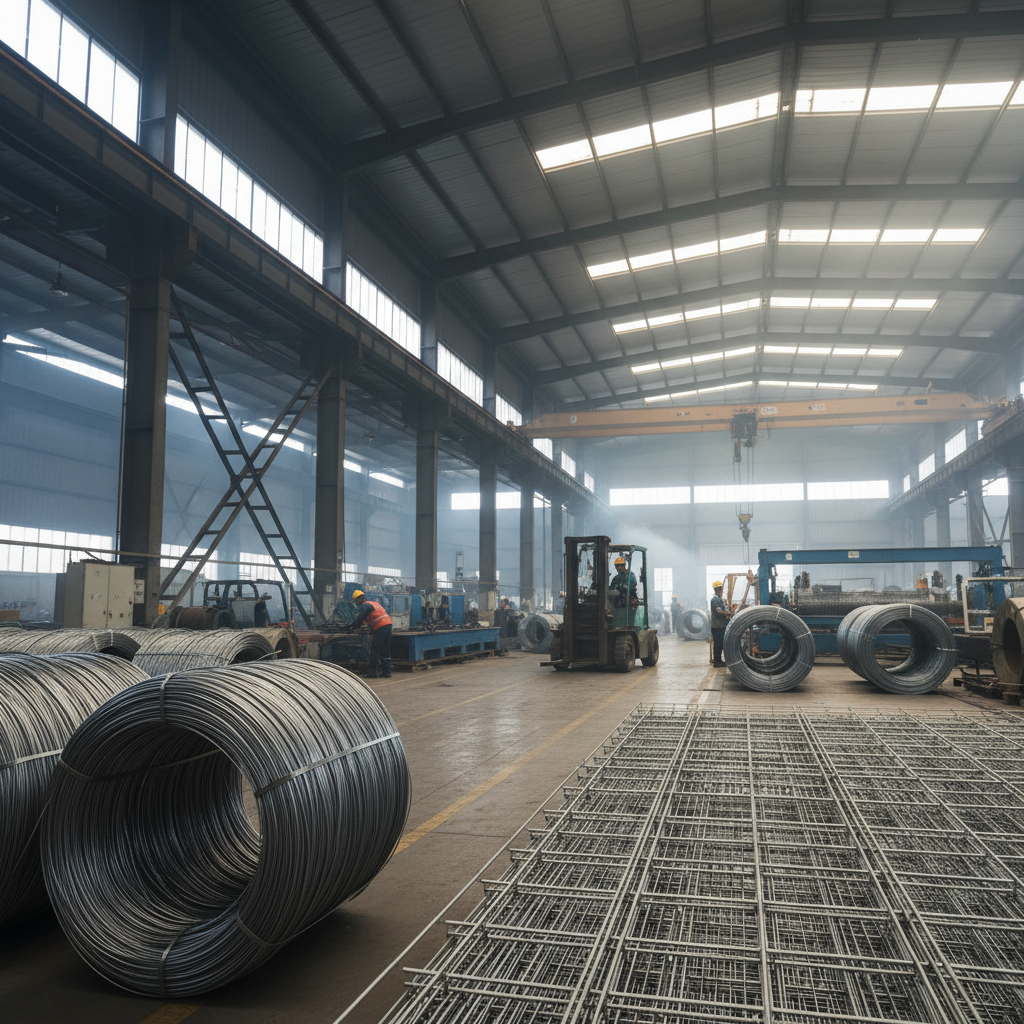
Galvanized wire mesh fence. It sounds simple, right? But after spending years on sites, seeing what holds up and what doesn’t, you quickly realize it's a cornerstone of so much – security, animal control, even erosion prevention. It's the stuff that quietly does its job, letting the bigger things get the spotlight. We're talking about more than just keeping things in or out; it’s about durability, reliability, and in a lot of cases, safety. I've seen projects stalled because the fencing failed, and frankly, that’s a headache nobody needs.
What’s really driven the increased use of galvanized wire mesh fence is the demand for cost-effective, long-lasting solutions. Budgets are always tight, and nobody wants to be replacing fencing every few years. The galvanization process, adding that zinc coating, is a game-changer for corrosion resistance, especially in harsh environments. It's not just about saving money upfront, it’s about the total cost of ownership. Less maintenance, longer lifespan - that's what clients care about.
And the versatility is huge. From temporary site perimeters to permanent agricultural fencing, it adapts to a lot of different needs. I’ve seen it used in everything from high-security facilities to simple garden barriers. It’s a testament to its adaptability. It's a material that consistently delivers, and that’s why I keep coming back to it.
The Foundational Role of galvanized wire mesh fence
You don’t always notice it, but galvanized wire mesh fence is everywhere, underpinning a lot of what we do in construction, agriculture, and security. It’s the first line of defense on a lot of sites, defining perimeters, keeping materials secure, and protecting personnel. I’ve learned over the years that a solid fencing solution isn’t just about compliance – it’s about preventing problems before they even start.
The global demand for fencing, and specifically galvanized wire mesh fence, is substantial. According to industry reports, the global fencing market is projected to reach billions in the next few years, driven by infrastructure development, increasing security concerns, and growing agricultural needs. It's a steady market, and one that’s crucial for maintaining order and security in a rapidly changing world.
Global Relevance and Industry Demand
The relevance of galvanized wire mesh fence extends far beyond just construction sites. In many developing nations, it's being used in humanitarian efforts, providing secure enclosures for refugee camps and disaster relief operations. It’s a fast, efficient way to establish safe zones and control access. I’ve seen firsthand how important it is in those situations, providing a sense of security for vulnerable populations.
The ISO standards for galvanization are really stringent, and that's a good thing. It ensures a consistent level of quality and durability, no matter where in the world the fence is manufactured. We rely on those standards to ensure that what we're installing is going to perform as expected, and not fail prematurely.
A major challenge is the rise in material costs and supply chain disruptions. Getting consistent access to quality galvanized wire mesh fence can be tricky, especially on large projects with tight deadlines. It forces us to plan further ahead and work closely with suppliers to ensure availability.
Defining galvanized wire mesh fence: A Practical Perspective
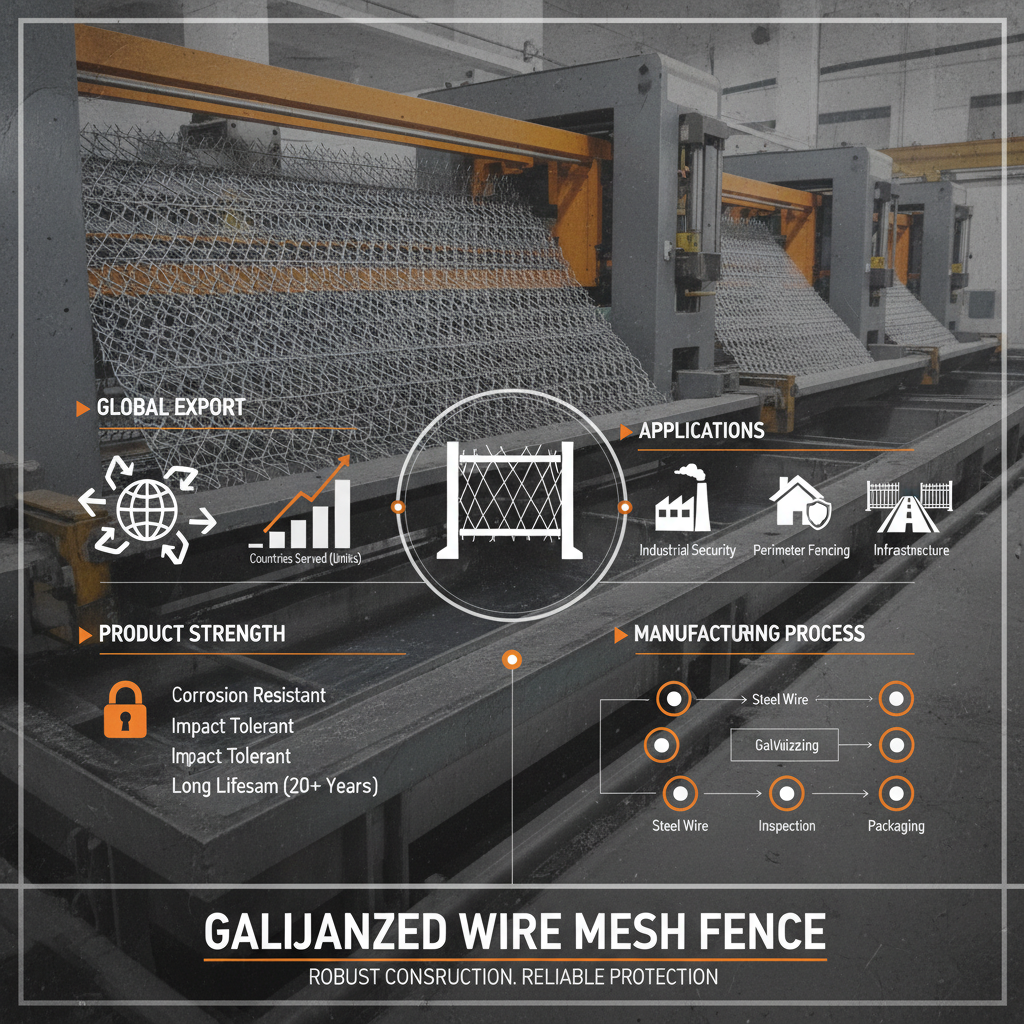
Simply put, galvanized wire mesh fence is a woven or welded network of steel wires coated with zinc. That zinc coating is the key – it’s what protects the steel from corrosion, extending the lifespan of the fence significantly. It's not just a surface treatment, the zinc actually bonds with the steel, creating a protective barrier.
It connects directly to modern industry because it's a core component of infrastructure development and security solutions. In a world increasingly focused on safety and protection, reliable fencing is essential. And it touches on humanitarian needs as I mentioned, providing security and dignity to those in crisis.
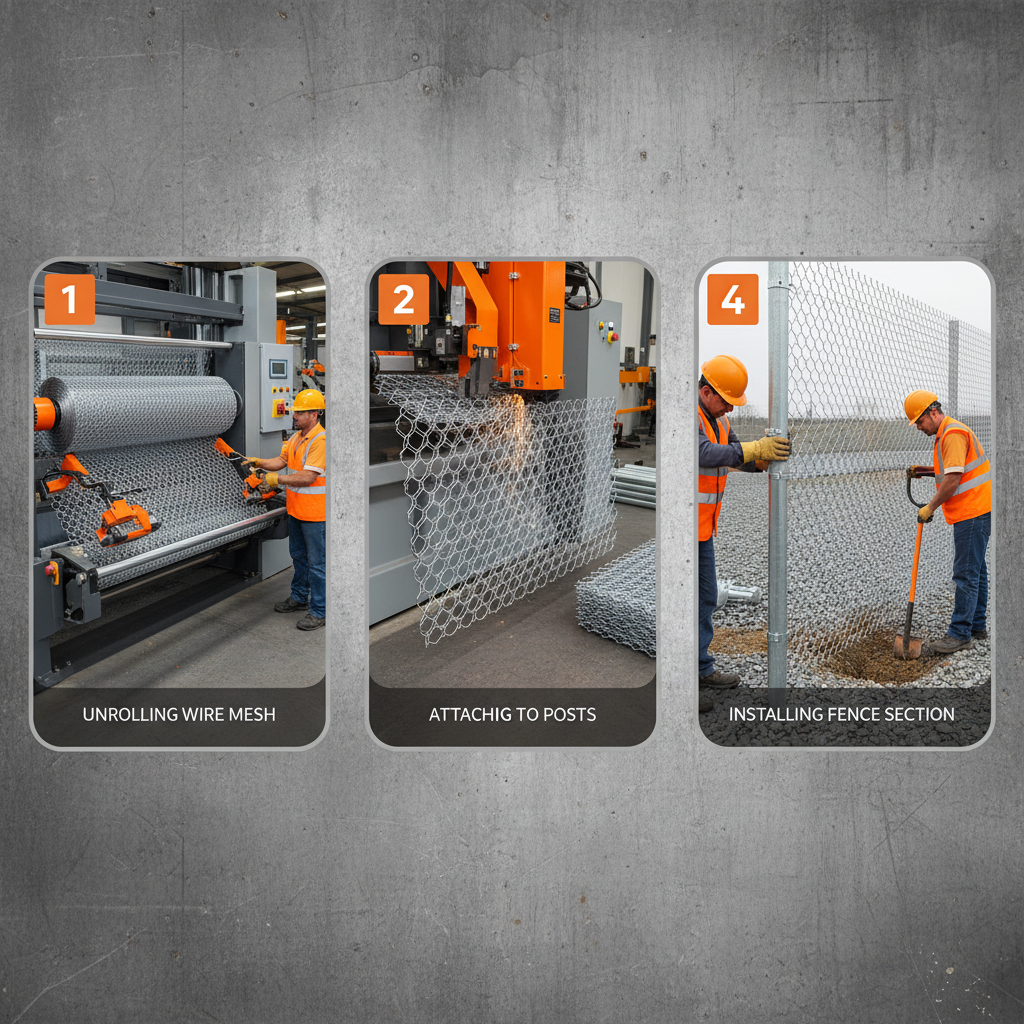
From a practical standpoint, you've got different weaves and gauges to choose from, depending on the application. Chain-link, welded wire, hexagonal netting – each has its strengths and weaknesses. Choosing the right mesh size and wire gauge is critical for achieving the desired level of security and durability.
Key Aspects: What Makes galvanized wire mesh fence Stand Out
First, the durability is undeniable. The galvanization process provides exceptional resistance to rust and corrosion, making it ideal for harsh environments. I’ve seen fences installed decades ago still holding strong. Second, it’s incredibly versatile. You can adapt it to almost any application, from perimeter security to animal containment.
Then there's scalability. It’s easy to install and modify, allowing you to quickly adjust the fence to changing needs. Add height, change the mesh size, reinforce weak points – it’s all relatively straightforward. Finally, let's talk cost-efficiency. Compared to other fencing materials like wood or aluminum, galvanized wire mesh fence offers excellent value for money. You get a long-lasting, reliable solution without breaking the bank.
Galvanized Wire Mesh Fence Performance Metrics
Real-World Applications: From Construction to Conservation
On construction sites, it’s used to secure perimeters, protect equipment, and prevent unauthorized access. It’s a non-negotiable safety measure. In agriculture, it’s essential for containing livestock and protecting crops from pests. I've seen entire farms enclosed with galvanized wire mesh fence, effectively keeping animals in and predators out.
In post-disaster relief operations, it's used to create temporary shelters and secure aid distribution points. The speed and ease of installation are critical in those situations. And increasingly, it’s being used in conservation efforts, protecting endangered species and preventing poaching. In remote industrial zones, it offers a robust and cost-effective security solution.
Long-Term Benefits: Cost, Sustainability, and Reliability
The cost savings over time are significant. Less maintenance, longer lifespan – it adds up. It's not always the cheapest option upfront, but it’s the most economical in the long run. And that’s what really matters to owners and project managers.
From a sustainability perspective, galvanized steel is recyclable. When the fence eventually reaches the end of its life, the materials can be recovered and reused, reducing waste. That’s a growing concern for a lot of clients, and it’s something we actively promote. And the reliability is unmatched. You know it’s going to perform, even in the toughest conditions.
Future Trends and Innovations in galvanized wire mesh fence
We’re starting to see more sophisticated coatings being applied to galvanized wire mesh fence, offering even greater corrosion resistance. Polymer coatings, for example, can add an extra layer of protection. And there’s research being done on using more sustainable zinc alloys.
Digital integration is also coming into play. Sensors can be embedded into the fencing to detect breaches and alert security personnel. Automation in the manufacturing process is improving efficiency and reducing costs. These advances are making galvanized wire mesh fence even more effective and versatile.
I think a big trend will be focusing on life-cycle assessments, quantifying the environmental impact of galvanized wire mesh fence from production to disposal. That data will be crucial for making informed decisions about material selection and promoting sustainable construction practices.
Factors Impacting the Performance of galvanized wire mesh fence
| Environmental Conditions |
Galvanization Quality |
Mesh Gauge & Weave |
Installation Practices |
| Coastal climates (salt spray) |
Zinc coating thickness (grams/m²) |
Wire diameter and mesh opening size |
Proper tensioning and post spacing |
| Industrial areas (acid rain) |
Uniformity of zinc coating |
Weave type (chain-link, welded, hexagonal) |
Secure attachment to posts and bracing |
| High humidity environments |
Adhesion of zinc coating to steel |
Mesh strength and tensile capacity |
Ground contact protection (e.g., gravel base) |
| Areas with extreme temperatures |
Surface finish of galvanized coating |
Resistance to stretching and deformation |
Correct use of fasteners and connectors |
| Exposure to corrosive chemicals |
Presence of passivation layer |
Overall fence height and length |
Regular inspection and maintenance |
| Prolonged exposure to UV radiation |
Conformance to relevant standards (ISO, ASTM) |
Ability to withstand external forces (wind, impact) |
Professional installation by qualified personnel |
FAQS
The lifespan of a galvanized wire mesh fence can vary significantly depending on the environment. In mild conditions, it can easily last 20-30 years or more. However, in harsh environments like coastal areas or industrial sites, it may need replacement after 10-15 years. Regular inspection and maintenance can help extend its lifespan. Factors like zinc coating thickness and the quality of the steel also play a crucial role. Ultimately, it’s a durable solution, but not immune to the elements.
Galvanized wire mesh fence holds up surprisingly well in extreme weather. The zinc coating provides excellent corrosion resistance, protecting against rust and decay caused by rain, snow, and ice. It can also withstand moderate winds, though very high winds may require additional bracing or reinforcement. In areas prone to heavy snowfall, ensuring the fence is properly installed with adequate post height is critical to prevent damage. It’s a reliable choice for a wide range of climates.
Maintenance is relatively minimal, but important. Regularly inspect the fence for any signs of damage, such as broken wires, loose connections, or corrosion. Remove any vegetation growing on or around the fence, as this can trap moisture and accelerate corrosion. Periodically tightening any loose fasteners is also a good practice. For fences in particularly harsh environments, applying a protective coating every few years can further extend their lifespan.
Absolutely. While the initial cost may be slightly higher than some other fencing options, galvanized wire mesh fence offers exceptional value over the long term. Its durability and low maintenance requirements translate into significant cost savings. You’ll spend less on repairs and replacements, and you'll have a reliable security solution for years to come. It’s a smart investment for anyone looking for a cost-effective fencing option.
Yes, galvanized steel is highly recyclable. At the end of its lifespan, the fence can be dismantled and the steel can be recovered and reused in new products. This makes it a more sustainable fencing option compared to materials that cannot be easily recycled. Proper disposal through a scrap metal recycler is the best way to ensure responsible recycling of galvanized wire mesh fence.
Both are corrosion-resistant, but stainless steel offers superior resistance, especially in extremely corrosive environments. However, stainless steel is significantly more expensive than galvanized steel. Galvanized steel is often a better choice for most applications, providing a good balance of durability and cost-effectiveness. Stainless steel is typically reserved for specialized applications where the highest level of corrosion resistance is essential.
Conclusion
Galvanized wire mesh fence is a foundational material in a lot of industries, offering a blend of durability, versatility, and cost-effectiveness that’s hard to beat. From securing construction sites to protecting agricultural land and providing security in disaster relief efforts, its applications are widespread and essential. It's not glamorous, but it's reliable.
Looking ahead, continued innovation in coatings and manufacturing processes will only enhance the performance and sustainability of galvanized wire mesh fence. By embracing these advancements and prioritizing proper installation and maintenance, we can ensure that this versatile material continues to play a vital role in building a safer, more secure, and more sustainable future. For more information and to explore our range of galvanized wire mesh fence solutions, visit our website: www.fencingwiremesh.com.