
Industrial Noise Barriers: Protecting Your Workforce and Community
In today's industrial landscape, noise pollution is a significant concern, impacting both worker health and community wellbeing. Prolonged exposure to excessive noise can lead to hearing loss, stress, and reduced productivity. Effective industrial noise barriers are crucial for mitigating these risks. This article will explore the importance of noise control, the various types of barriers available, their applications, and the benefits of investing in high-quality noise reduction solutions. Protecting your team and surrounding areas is a top priority, and selecting the right barrier is the first step.
Why are Industrial Noise Barriers Necessary?
The need for industrial noise barriers stems from a variety of factors. Many industrial processes – manufacturing, construction, transportation, and power generation, to name a few – inherently generate high levels of noise. Regulations like OSHA (Occupational Safety and Health Administration) set permissible exposure limits to protect workers. Beyond legal compliance, reducing noise levels improves worker morale, reduces stress-related illnesses, and enhances communication. Furthermore, noise pollution can negatively impact nearby communities, leading to complaints and potential legal action. Effective noise control is not simply a matter of compliance; it’s a commitment to the health and wellbeing of your workforce and the surrounding environment. Investing in noise barriers demonstrates responsible corporate citizenship.
Key Benefits: Improved worker health, Enhanced productivity, Regulatory compliance, Positive community relations, Reduced risk of legal action.
Types of Industrial Noise Barriers
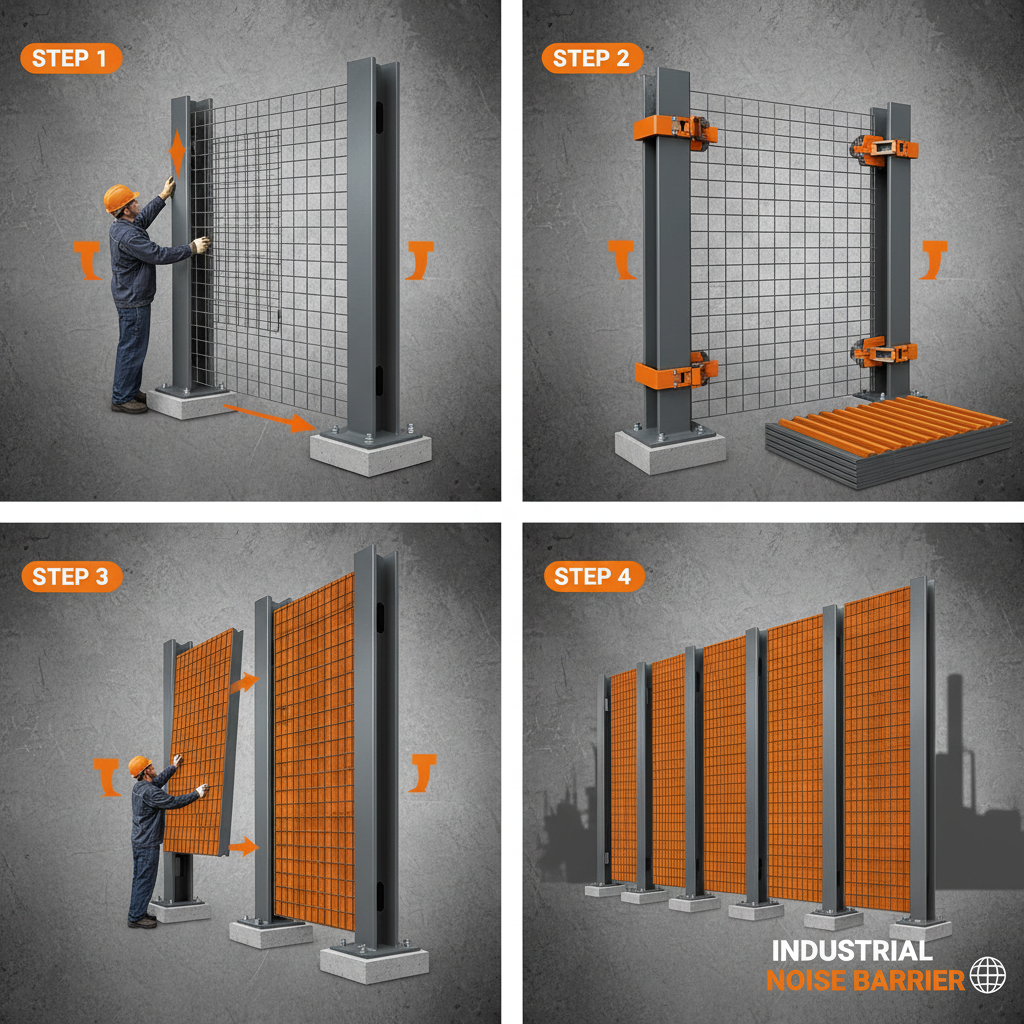
Several types of noise barriers are commonly used in industrial settings. These include solid barriers constructed from materials like concrete, brick, or wood. However, these can be costly and require substantial foundations. More versatile and cost-effective solutions include modular noise barriers made from composite materials, metal screens, and acoustic blankets. These options are often portable and can be easily adapted to changing site conditions. Another common type is an earth berm – a raised mound of earth designed to block sound waves. The best choice depends on the specific noise source, the surrounding environment, and budgetary constraints.
Noise Barrier Materials:
• Concrete/Brick: High mass, effective but expensive.
• Composite Materials: Lightweight, durable, and cost-effective.
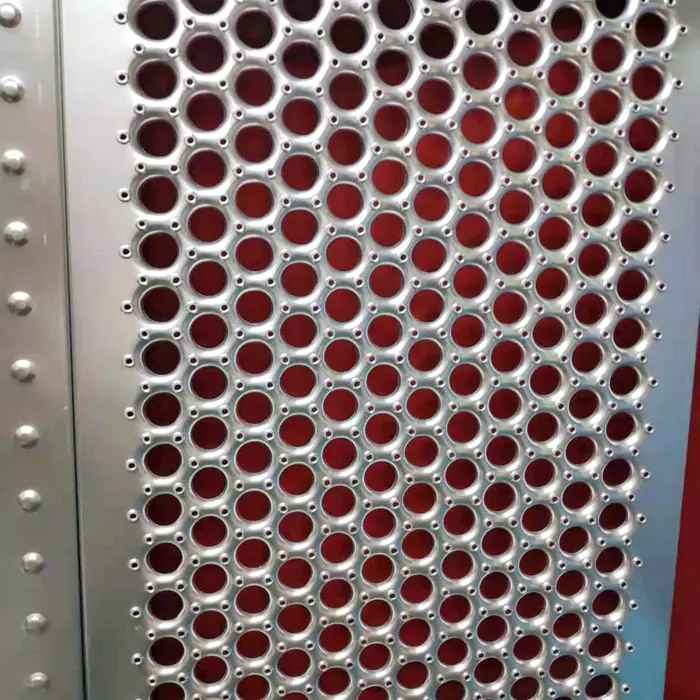
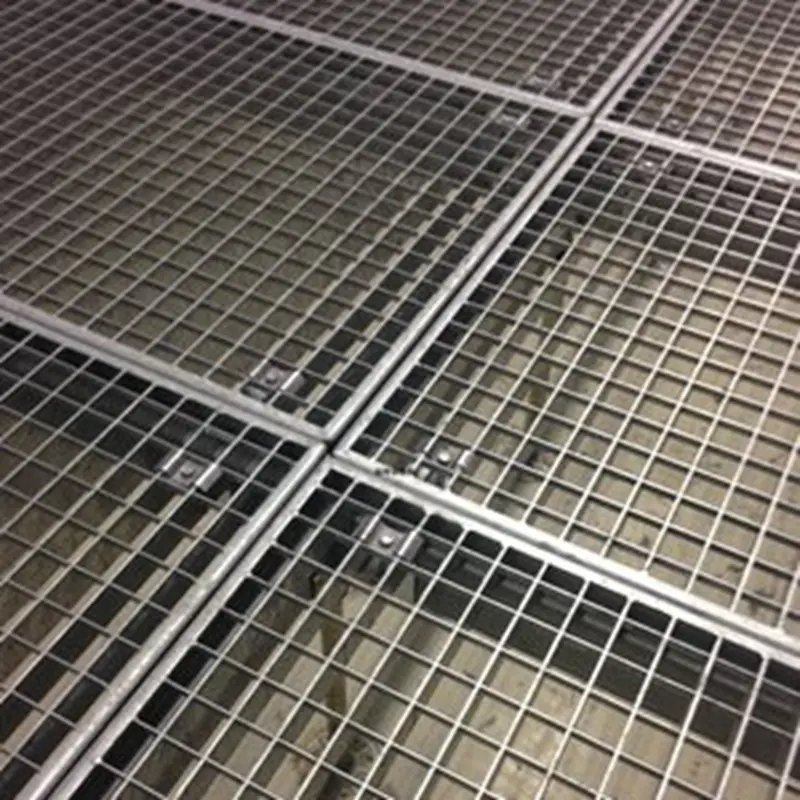
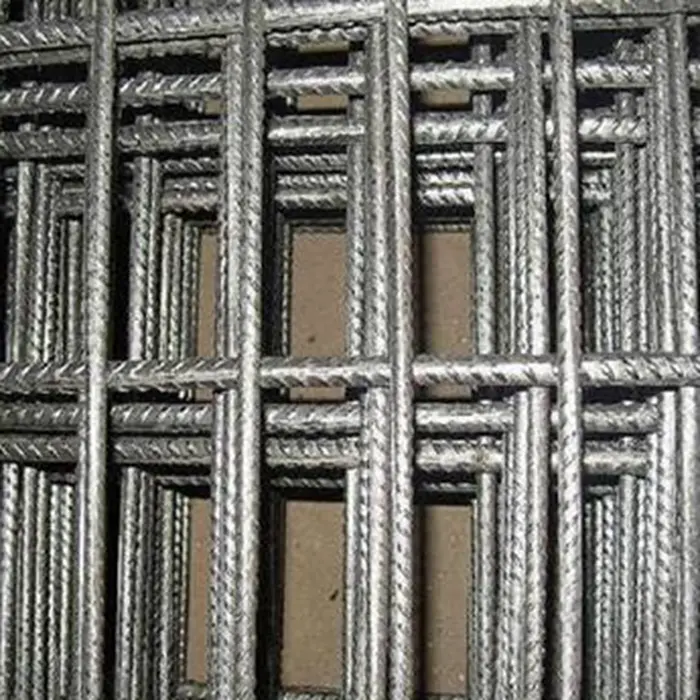
• Metal Screens: Versatile, allow for ventilation, and can be aesthetically pleasing.
• Acoustic Blankets: Portable, used for temporary noise control.
Industrial Noise Barrier Performance Comparison
Different noise barrier materials exhibit varying levels of sound reduction, measured in decibels (dB). The effectiveness of a barrier depends on its height, length, and density. Higher and longer barriers generally provide better noise reduction. Here’s a comparison of typical noise reduction values for common materials. It’s important to note these are estimates, and actual performance can vary based on installation and environmental factors. Choosing the right barrier involves balancing cost, effectiveness, and site-specific requirements. Consider consulting with an acoustics professional for a detailed noise assessment and barrier design.
Applications of Industrial Noise Barriers
The applications for industrial noise barriers are diverse. Common uses include: surrounding noisy machinery in manufacturing plants, creating barriers along highway corridors to protect residential areas, shielding construction sites from nearby businesses and homes, and enclosing compressor stations and other industrial equipment. Effective barrier placement is crucial. Barriers should block the direct line of sight between the noise source and the receiver. Fencing Wire Mesh provides a wide array of solutions tailored to these various applications.
Choosing the Right Noise Barrier Supplier
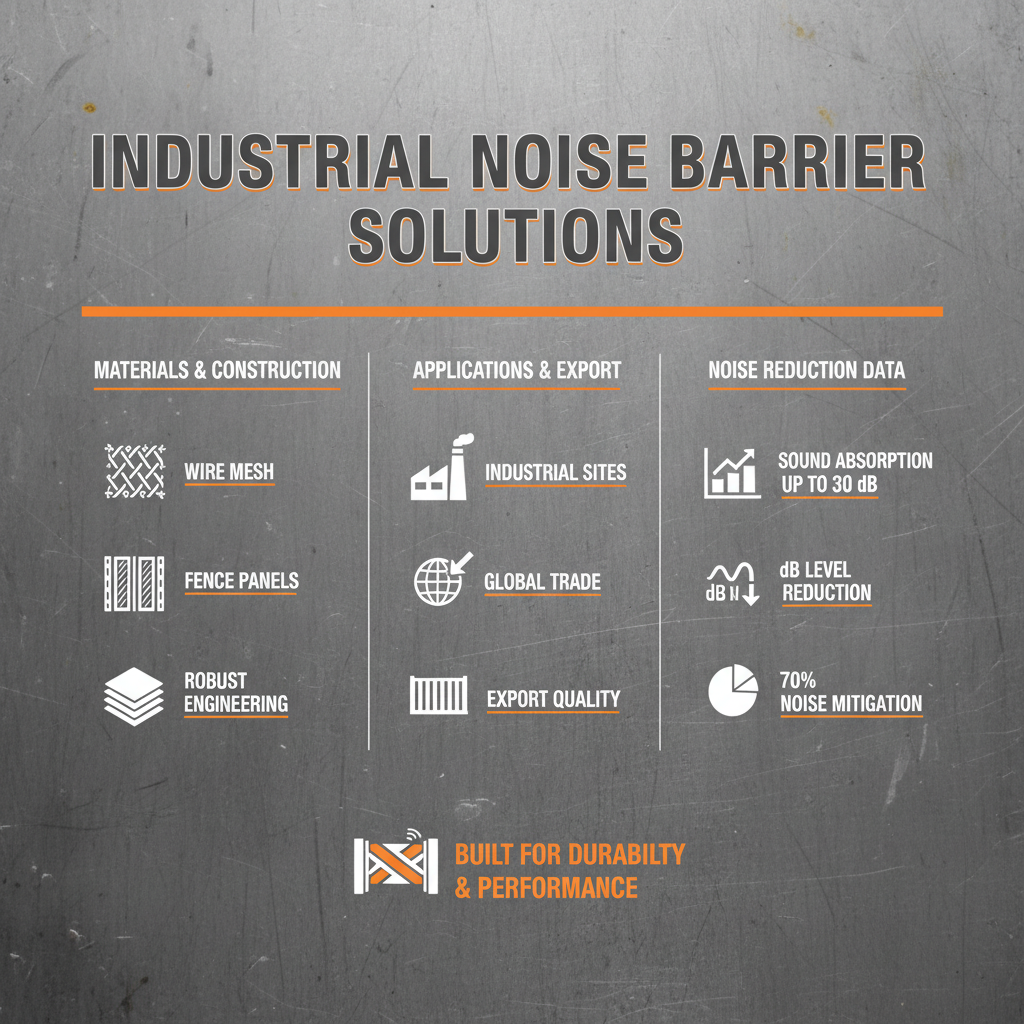
Selecting a reputable supplier is essential when investing in industrial noise barriers. Look for a company with experience in noise control, a wide range of product options, and the ability to provide customized solutions. Consider factors like material quality, durability, installation services, and warranty support. Fencing Wire Mesh is a trusted provider of high-quality noise barriers, offering expert guidance and tailored solutions to meet your specific needs.
Conclusion: Invest in a Quieter, Healthier Future
Investing in industrial noise barriers is a vital step towards creating a safer, more productive, and harmonious environment. By mitigating noise pollution, you protect your workforce, comply with regulations, and foster positive community relations. Don't let noise compromise your operations – prioritize noise control today.
Frequently Asked Questions (FAQs)
What factors affect the effectiveness of a noise barrier?
The effectiveness of a noise barrier depends on several factors, including its height, length, density, and material. Barriers should block the direct line of sight between the noise source and the receiver. Gaps or openings in the barrier will reduce its effectiveness. Diffraction, where sound waves bend around the barrier, also plays a role. Taller and longer barriers with minimal gaps offer the best performance. The surrounding terrain and atmospheric conditions can also influence noise reduction levels. A professional noise assessment can help determine the optimal barrier design for your specific situation.
Are noise barriers aesthetically pleasing?
Noise barriers don’t have to be visually unappealing. Modern noise barrier designs incorporate aesthetic considerations, offering options like decorative panels, landscaping integration, and transparent materials. Metal screens, for example, can provide effective noise reduction while maintaining visual access. Composite materials can be colored or textured to blend in with the surrounding environment. Careful planning and design can ensure that noise barriers are both functional and visually acceptable.
What is the typical lifespan of an industrial noise barrier?
The lifespan of a noise barrier depends on the materials used and the environmental conditions. Concrete and brick barriers can last for decades with minimal maintenance. Composite materials typically have a lifespan of 10-20 years. Metal screens may require occasional painting or coating to prevent corrosion. Regular inspections are recommended to identify and address any damage or deterioration. Proper installation and maintenance can significantly extend the lifespan of your noise barrier investment.