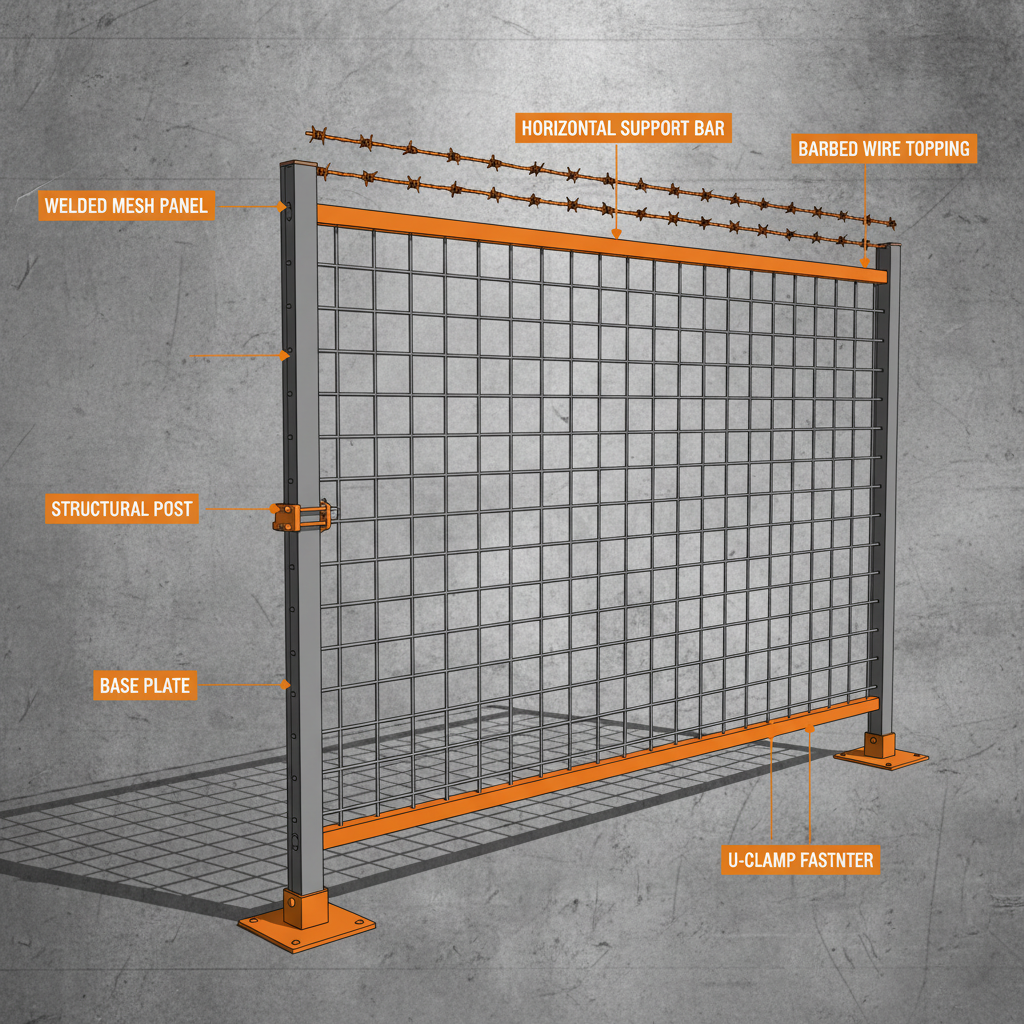
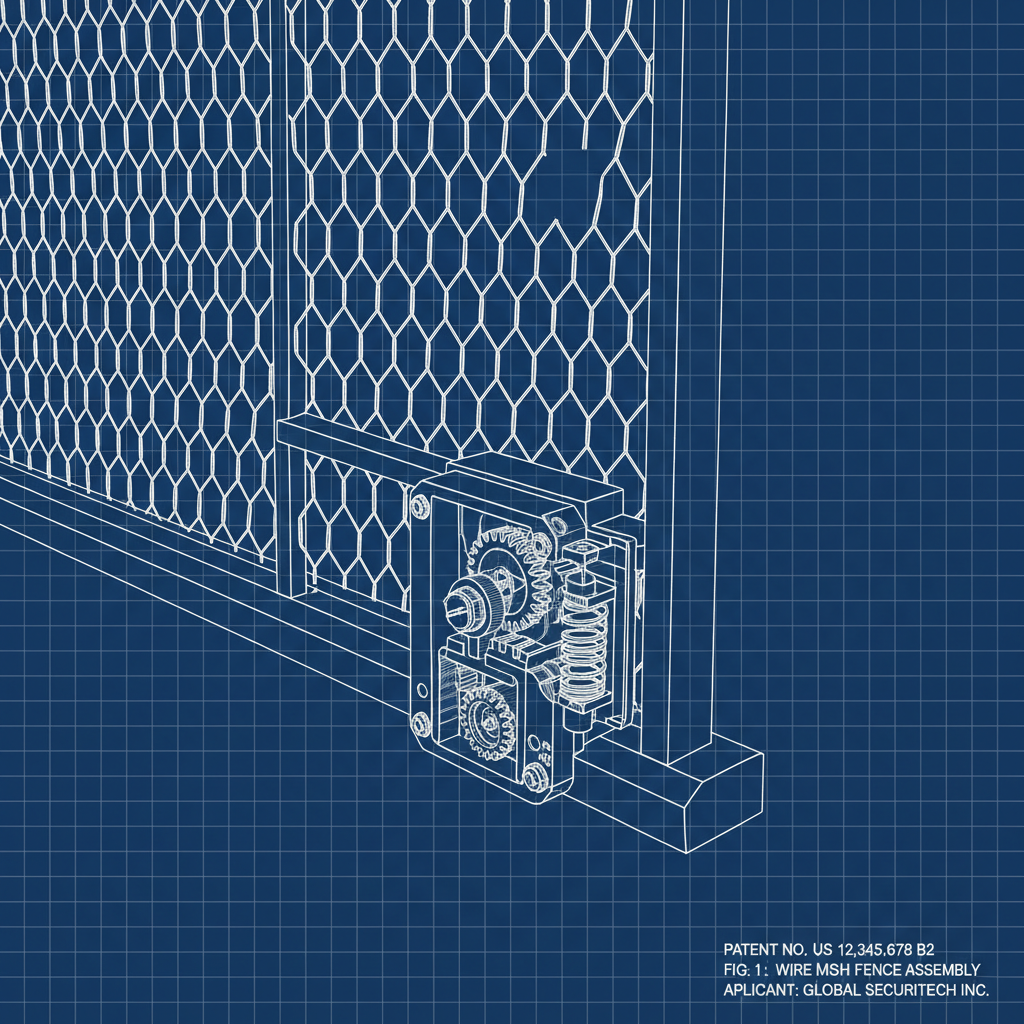
Coated wire mesh fencing plays a crucial role in modern security and containment solutions, extending far beyond simple perimeter protection. Its adaptability and durability make it a cornerstone in various industries, from agriculture and construction to high-security facilities and wildlife management. Understanding the nuances of coated wire mesh fencing is vital for professionals seeking reliable and cost-effective solutions for a diverse range of applications.
The global demand for effective fencing solutions is consistently growing, driven by increasing security concerns, infrastructure development, and the need for animal control and protection. According to market research reports, the wire mesh fencing market is projected to experience significant growth in the coming years, particularly in emerging economies. Coated wire mesh fencing specifically addresses challenges related to corrosion, longevity, and aesthetic appeal, making it a preferred choice for numerous projects worldwide.
This material provides a robust and versatile barrier against intrusion, damage, and environmental factors, ultimately contributing to safety, security, and efficient resource management. Its increasing adoption across diverse sectors showcases its importance in meeting evolving global needs, and understanding its properties is increasingly crucial.
Defining Coated Wire Mesh Fencing
Coated wire mesh fencing is a versatile and robust barrier constructed from interwoven wires, typically steel, that have been coated with materials like PVC, polyethylene, or galvanized zinc to enhance corrosion resistance and prolong service life. This coating process provides a protective layer against environmental factors such as moisture, UV radiation, and chemical exposure.
The application of coated wire mesh fencing extends beyond simple perimeter security. It's an integral component in infrastructure projects, agricultural applications, and safety measures in industrial settings. The material’s strength and longevity make it an ideal choice where durability and low maintenance are paramount.
The Global Landscape of Coated Wire Mesh Fencing
The demand for coated wire mesh fencing is intrinsically linked to global construction rates, infrastructure investments, and increasing security needs. Emerging economies, particularly in Asia-Pacific and Africa, exhibit a significant rise in demand due to rapid urbanization and expanding industrial sectors. The UN estimates that global urbanization will reach 68% by 2050, driving the demand for security and containment solutions.
The market is heavily influenced by regulations pertaining to safety and security standards, which vary across different regions. ISO certifications and adherence to international quality control standards are becoming increasingly crucial for manufacturers looking to compete in the global market. Furthermore, geopolitical events and increasing border security concerns also contribute to the sustained demand for robust fencing solutions.
Currently, key producing regions include China, Europe, and North America, but the landscape is shifting with increased production capacity in developing nations. This global reach necessitates understanding diverse regional requirements and logistics to effectively supply coated wire mesh fencing to meet growing international demands.
Core Components and Manufacturing Processes
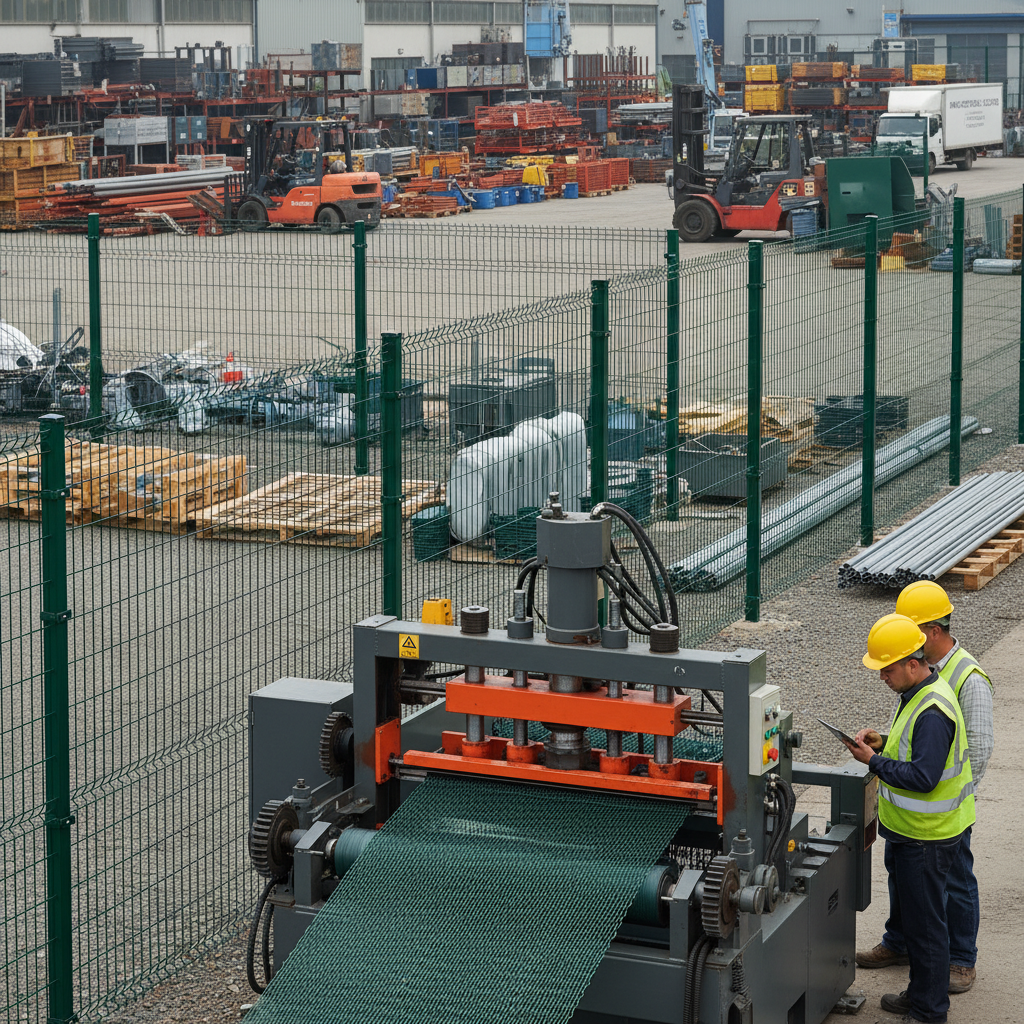
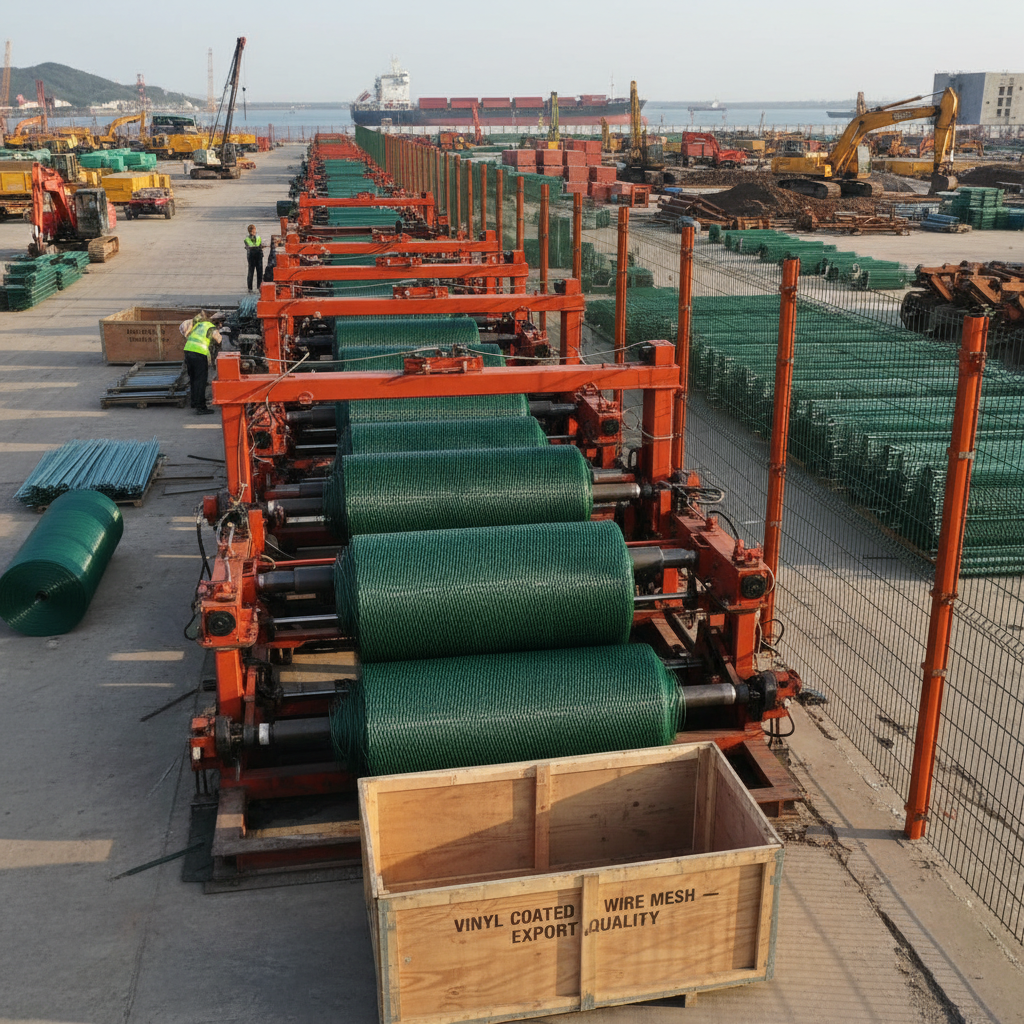
The core components of coated wire mesh fencing primarily involve the raw materials—typically low-carbon steel wire—and the coating materials, such as PVC or polyethylene. The manufacturing process begins with wire drawing, where steel rods are pulled through dies to achieve the desired wire diameter. This is followed by welding or weaving, creating the mesh structure.
The coating process is crucial. Wires undergo cleaning and pre-treatment to ensure optimal adhesion. This is followed by coating application – typically through dipping or spraying – and then curing to create a durable and protective layer. The quality of the coating directly impacts the fencing's lifespan and resistance to environmental degradation. Understanding these processes is critical for assessing product quality and longevity.
Different mesh patterns, such as welded wire mesh, chain link, and 358 anti-climb mesh, require specific manufacturing techniques. Furthermore, variations in wire gauge and mesh aperture size affect the overall strength and security level of the coated wire mesh fencing.
Key Performance Indicators of Coated Wire Mesh Fencing
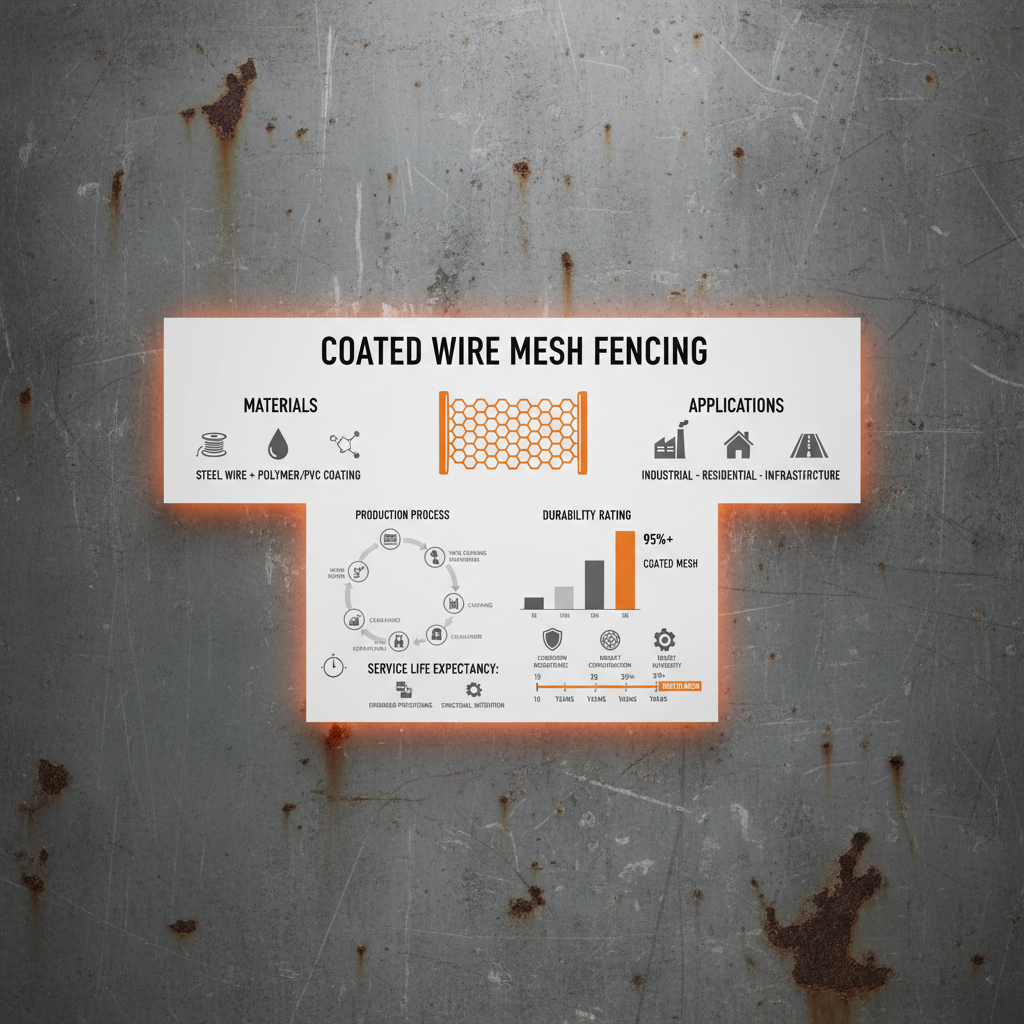
Several key performance indicators (KPIs) are used to evaluate the quality and suitability of coated wire mesh fencing. These include tensile strength, elongation, corrosion resistance, and coating adhesion. Tensile strength measures the material's ability to withstand pulling forces, while elongation indicates its ductility.
Corrosion resistance is often assessed using salt spray tests, measuring the time it takes for corrosion to appear on the coated surface. Coating adhesion is crucial for preventing premature failure and ensuring long-term protection. Each KPI significantly impacts the overall effectiveness and lifespan of the fencing.
Coated Wire Mesh Fencing KPI Comparison
Real-World Applications of Coated Wire Mesh Fencing
Coated wire mesh fencing finds applications across a diverse range of sectors. In agriculture, it’s used for livestock containment, crop protection, and preventing wildlife intrusion. In construction, it serves as temporary site fencing and security barriers. Industrial facilities leverage it for perimeter security and worker safety.
High-security installations, like airports and government facilities, utilize coated wire mesh fencing for its robust and anti-climb properties. Even in residential settings, it provides a cost-effective and visually appealing solution for boundary definition and privacy.
Advantages and Long-Term Investment Value
The advantages of choosing coated wire mesh fencing are numerous. Its high strength-to-weight ratio provides robust security without excessive material costs. The coating process significantly enhances corrosion resistance, extending the fence’s lifespan and reducing maintenance expenses. Installation is generally straightforward, leading to lower labor costs.
From a long-term investment perspective, coated wire mesh fencing offers exceptional value. Its durability minimizes the need for frequent replacements, lowering the total cost of ownership. The improved security it provides safeguards assets and reduces potential losses, contributing to a positive return on investment.
Future Trends and Innovations in Coated Wire Mesh Fencing
The future of coated wire mesh fencing is focused on enhancing performance and sustainability. Research into advanced coating materials, such as graphene-enhanced polymers, promises superior corrosion resistance and increased durability. Smart fencing technologies, integrating sensors and surveillance systems, are also gaining traction.
Automation in manufacturing processes is improving efficiency and reducing production costs. Additionally, a growing emphasis on eco-friendly materials and recycling programs is driving the development of sustainable fencing solutions. These innovations will shape the future of coated wire mesh fencing, aligning it with evolving environmental and technological demands.
The integration of digital twin technology for predictive maintenance and performance monitoring is also an emerging trend, allowing for proactive identification of potential issues and optimizing fence lifespan.
Analysis of Factors Affecting the Long-Term Performance of Coated Wire Mesh Fencing
| Environmental Exposure |
Coating Quality |
Material Grade |
Installation Practices |
| Coastal regions (High Salt Spray) |
PVC Coating (8/10) |
High-Tensile Steel (9/10) |
Professional Installation (9/10) |
| Industrial Zones (Chemical Exposure) |
Polyethylene Coating (7/10) |
Mild Steel (6/10) |
DIY Installation (5/10) |
| Rural Areas (Moderate Climate) |
Galvanized Zinc (6/10) |
Low-Carbon Steel (7/10) |
Standard Installation (7/10) |
| High-Altitude Environments (UV Exposure) |
UV-Resistant Coating (9/10) |
High-Tensile Steel (8/10) |
Professional Installation (8/10) |
| Agricultural Fields (Animal Impact) |
Heavy-Duty PVC Coating (8/10) |
High-Tensile Steel (9/10) |
Reinforced Installation (8/10) |
| Urban Areas (Vandalism Risk) |
Anti-Graffiti Coating (7/10) |
High-Tensile Steel (8/10) |
Secure Installation (7/10) |
FAQS
The lifespan of coated wire mesh fencing varies based on the coating type, environmental conditions, and maintenance. Generally, PVC-coated fencing can last 15-25 years, while galvanized options may last 10-20 years. Regular inspections and minor repairs can significantly extend its lifespan. Proper installation is also critical for maximizing longevity.
The coating type directly impacts the cost. Galvanized coatings are typically the most affordable, followed by PVC and polyethylene. More specialized coatings, like those with UV protection or anti-graffiti properties, are more expensive. The choice depends on the specific application and budget constraints. Understanding the trade-offs between cost and performance is essential.
Regular maintenance includes visual inspections for damage, cleaning to remove debris, and prompt repair of any broken wires or damaged coatings. Periodic re-coating of areas with compromised protection can extend the fence’s life. Addressing minor issues quickly prevents them from escalating into more costly repairs.
While the steel production itself has an environmental impact, coated wire mesh fencing is relatively sustainable due to its longevity and recyclability. The reduction in replacement frequency minimizes waste. Furthermore, some manufacturers are now utilizing recycled materials and implementing eco-friendly coating processes.
Both PVC and polyethylene are durable coatings, but PVC offers superior rigidity and impact resistance. Polyethylene is more flexible and provides better UV resistance. The choice depends on the specific environment and application requirements. PVC is often preferred for high-security applications, while polyethylene is suitable for areas with high sun exposure.
Wire gauge, measured in millimeters or gauge numbers, directly correlates with the strength of the fencing. Lower gauge numbers indicate thicker wires, resulting in greater tensile strength and resistance to cutting or climbing. Choosing the appropriate wire gauge is essential based on the level of security required. Higher-security applications demand thicker gauge wires.
Conclusion
In conclusion, coated wire mesh fencing represents a vital component of modern security and containment infrastructure. Its combination of durability, cost-effectiveness, and adaptability makes it a preferred solution across a wide spectrum of applications, from agricultural boundaries to high-security perimeters. Understanding the core components, manufacturing processes, and performance indicators is crucial for making informed decisions.
Looking ahead, continued innovation in coating materials, smart fencing technologies, and sustainable manufacturing practices will further enhance the value and applicability of coated wire mesh fencing. Investing in quality coated wire mesh fencing provides a long-term, reliable, and secure solution for a diverse range of needs, ensuring the protection of assets, property, and individuals.