
Understanding the Versatility of a Link Fence
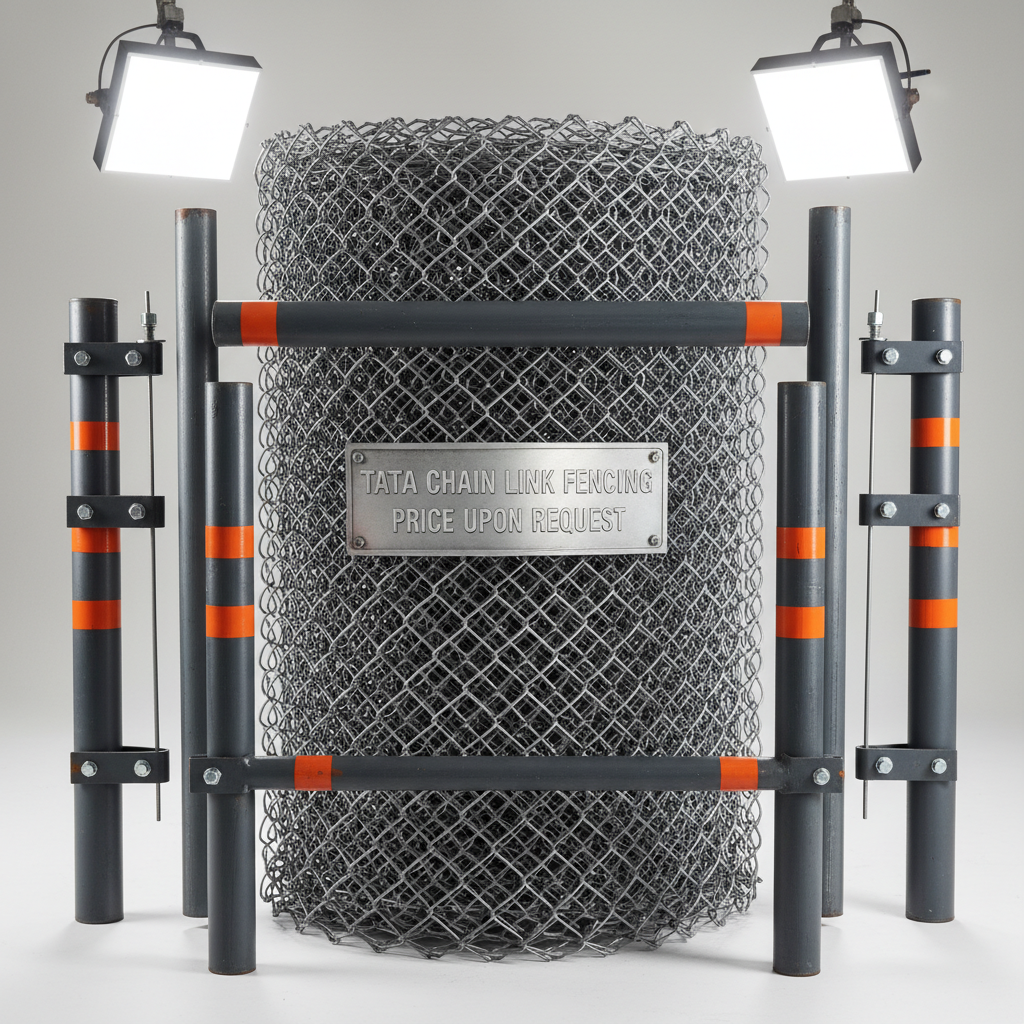
A link fence, also known as chain-link fencing, is a ubiquitous and highly practical security solution. It's a durable, cost-effective, and versatile option used for a wide range of applications, from residential boundaries to high-security industrial perimeters. This article delves into the specifics of link fences, covering their materials, applications, installation, benefits, and key considerations for choosing the right fence for your needs. We'll explore why fencing wire mesh remains a popular choice for both practical and aesthetic purposes.
Materials Used in Link Fence Construction
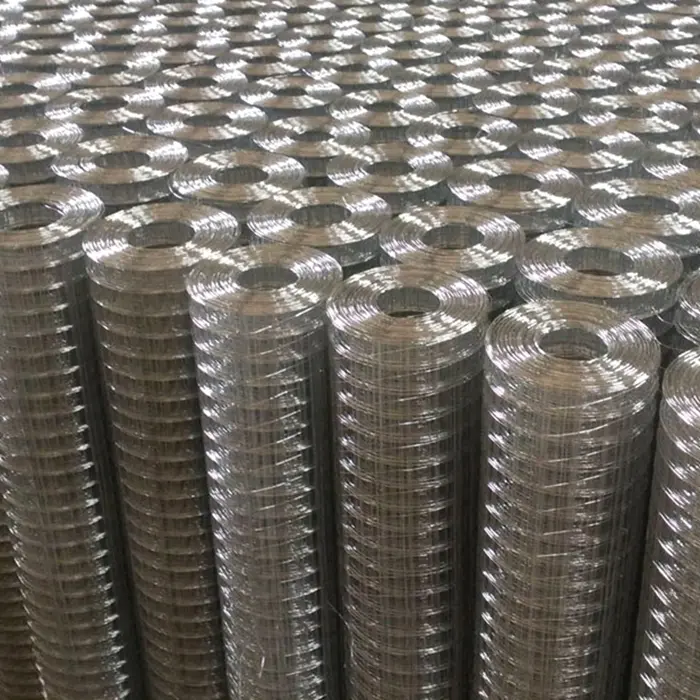
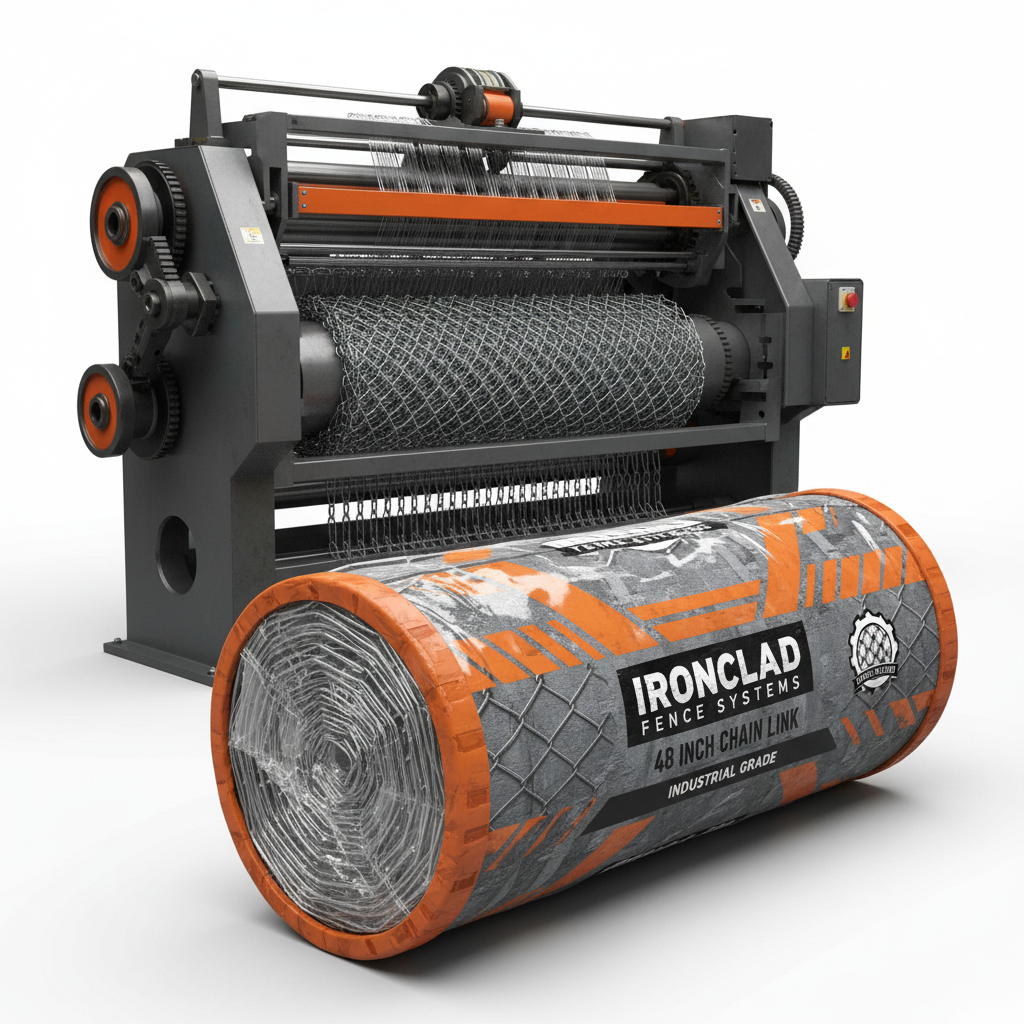
The core component of a link fence is the galvanized steel wire, woven together in a distinctive interlocking pattern. Galvanization provides a protective coating that resists rust and corrosion, extending the fence's lifespan. However, several other materials are crucial. Posts are typically made of steel, but can also be aluminum or wood. Tension wire runs along the top and bottom of the fence to maintain rigidity. Brace bands and tension bands secure the fence to the posts. Finally, fittings like caps and rails complete the structure. The quality of these materials directly impacts the longevity and durability of the chain link fence.
Applications of Link Fences: A Diverse Range
The adaptability of link fences makes them ideal for many situations. Common applications include: residential boundaries for pet and child containment, security fencing for commercial and industrial properties, tennis courts and other sports facilities, animal enclosures, and temporary fencing for construction sites. The mesh size and height can be customized to meet specific requirements. For instance, smaller mesh sizes are preferred for containing smaller animals, while taller fences are used for enhanced security. A well-installed wire mesh fence offers a blend of security and visibility.
Key Benefits: Durable, cost-effective, versatile, low maintenance, provides security while maintaining visibility.
Comparing Link Fences with Other Fencing Options
When considering fencing options, it’s helpful to compare chain link fences to alternatives like wood, vinyl, and wrought iron. Wood offers privacy but requires regular maintenance. Vinyl is low maintenance but more expensive. Wrought iron provides elegance and security but has a significantly higher cost. Link fences strike a balance between cost, security, and durability, making them a practical choice for many homeowners and businesses.
Factors to Consider When Choosing a Link Fence
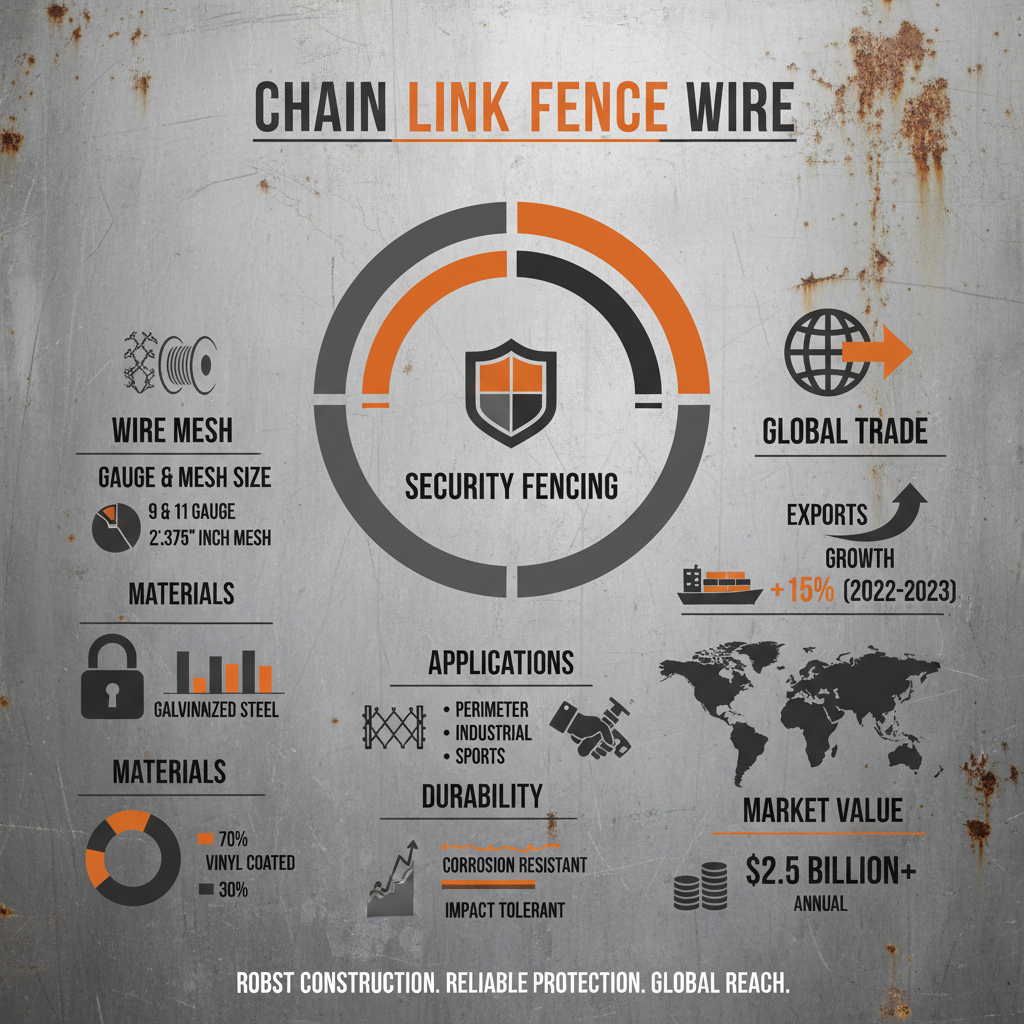
Selecting the right link fence involves considering several factors. These include the height of the fence, the gauge (thickness) of the wire, the mesh size, and the type of coating. Heavier gauge wire offers greater durability. Smaller mesh sizes provide better security. The coating (galvanized, vinyl-coated) impacts corrosion resistance and aesthetics. Professional installation is crucial to ensure the fence’s stability and longevity. Fencing wire mesh experts can provide guidance on selecting the optimal fence for your specific needs and environment.
Installation & Maintenance of Link Fences
Proper installation is vital for a chain link fence's longevity. This includes setting posts at the correct depth and spacing, properly stretching and securing the fabric, and ensuring all fittings are tight. Maintenance is relatively straightforward. Regular inspection for damage and occasional cleaning to remove dirt and debris are usually sufficient. If rust appears, applying a rust inhibitor can help prolong the fence’s life.
Conclusion: A Practical and Reliable Fencing Solution
The link fence remains a popular choice for countless applications due to its combination of affordability, durability, and versatility. Whether you need a secure perimeter for your property, a safe enclosure for animals, or a reliable barrier for a construction site, a chain link fence is an excellent investment.
Frequently Asked Questions (FAQs)
What is the typical lifespan of a chain link fence?
The lifespan of a chain link fence depends on several factors, including the quality of the materials, the climate, and the level of maintenance. However, with proper care, a galvanized steel chain link fence can easily last 15-20 years or more. Vinyl-coated chain link fences typically have an even longer lifespan, exceeding 20 years. Regular inspection and prompt repair of any damage will help maximize the fence's longevity. Choosing high-quality materials from a reputable supplier like Fencing Wire Mesh is crucial.
What is the difference between galvanized and vinyl-coated chain link?
Galvanized chain link is coated with a layer of zinc to protect against rust and corrosion. This is a cost-effective option that provides good protection in most environments. Vinyl-coated chain link has an additional layer of PVC plastic over the galvanization, offering even greater corrosion resistance and a more aesthetically pleasing appearance. Vinyl-coated fences are ideal for coastal areas or environments with high humidity. While more expensive upfront, the extended lifespan of vinyl-coated fences can make them a worthwhile investment. Explore the options at Fencing Wire Mesh to determine the best fit for your needs.
How much does a chain link fence typically cost?
The cost of a chain link fence varies depending on several factors, including the height, length, gauge of the wire, type of coating, and installation costs. As a general estimate, you can expect to pay between $15 and $40 per linear foot installed. Vinyl-coated fences are typically more expensive than galvanized fences. Obtaining quotes from multiple fencing contractors is recommended to get the best price. Fencing Wire Mesh provides competitive pricing and expert advice.
Is a permit required to install a chain link fence?
Whether a permit is required depends on your local building codes and regulations. Generally, fences exceeding a certain height (often 6 feet) require a permit. It's essential to check with your local city or county planning department before starting any fencing project to ensure you comply with all applicable regulations. Failure to obtain the necessary permits can result in fines or the requirement to remove the fence.