
Understanding Chain Link Fence Wire: A Comprehensive Guide
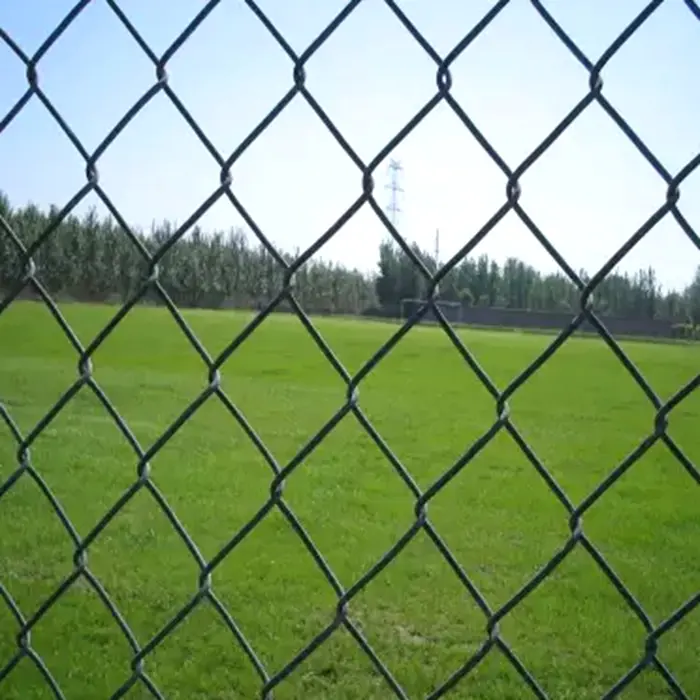
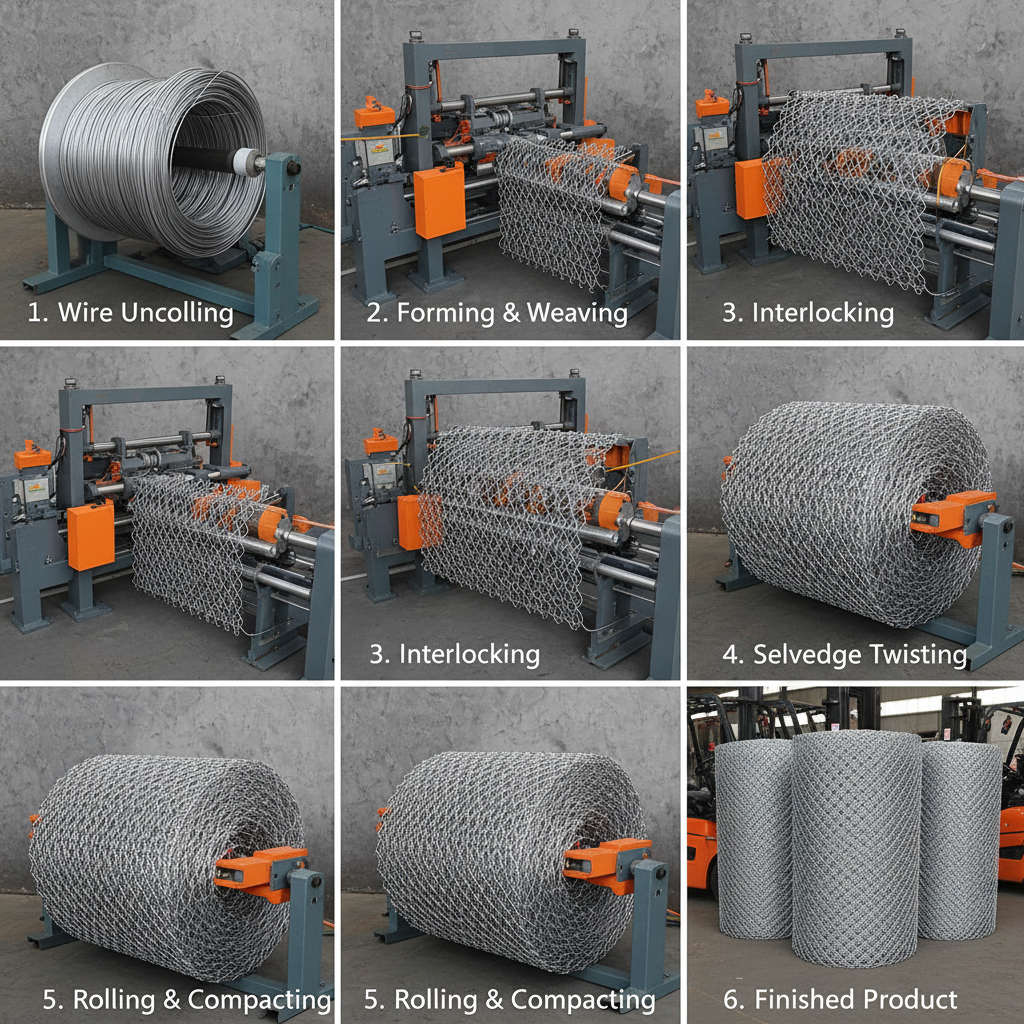
Chain link fence wire is a foundational component in security and containment solutions, providing a cost-effective and durable barrier for residential, commercial, and industrial applications. Choosing the right chain link fence wire is crucial for longevity, security, and overall performance. This article will delve into the various types, materials, applications, and factors to consider when selecting chain link fabric, offering a thorough understanding for both DIY enthusiasts and professionals. Proper selection will ensure a fence that withstands the elements and provides reliable protection for years to come.
Types of Chain Link Fence Wire
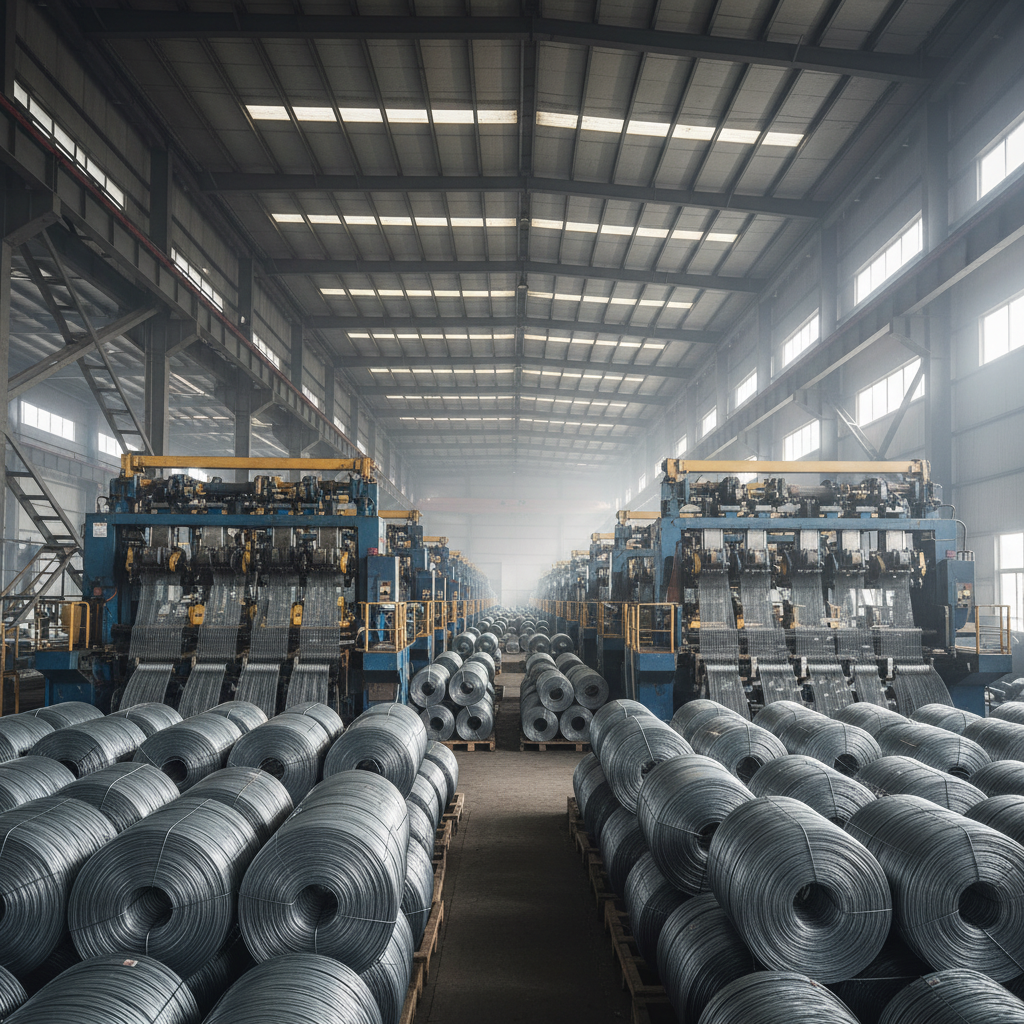
Chain link fence wire isn't a one-size-fits-all product. It comes in various types, each suited for different needs. The primary classification lies in the coating applied to the steel wire. The most common types include galvanized, vinyl-coated, and aluminized. Fencing Wire Mesh offers a wide selection of these to meet diverse demands.
Key Considerations: The type of coating significantly impacts the fence's resistance to corrosion, appearance, and cost. Vinyl-coated options provide the highest level of protection but also come with a higher price tag.
Galvanized vs. Vinyl-Coated Chain Link Fence Wire
Choosing between galvanized and vinyl-coated chain link fence wire often comes down to budget and long-term protection requirements. Galvanized wire is coated with zinc to prevent rust, offering a good balance of cost and corrosion resistance. However, the zinc coating can wear over time, particularly in harsh environments. Vinyl-coated wire, on the other hand, features a layer of PVC plastic over the galvanized steel, providing superior protection against rust, UV damage, and abrasion. This makes it ideal for coastal areas or industrial environments. The initial investment is higher, but the extended lifespan can make it more cost-effective in the long run.
Comparison Table:
• Galvanized: Cost-effective, good corrosion resistance, zinc coating can wear over time.
• Vinyl-Coated: Superior corrosion resistance, UV protection, longer lifespan, higher initial cost.
Factors to Consider When Selecting Chain Link Fence Wire
Several factors influence the optimal choice of chain link fence wire. These include the intended use of the fence (security, privacy, animal containment), the climate, and the surrounding environment. For high-security applications, a heavier gauge wire with a durable coating is recommended. In coastal areas, vinyl-coated wire is essential to withstand salt spray. Consider also the mesh size; smaller mesh sizes provide greater security and prevent smaller animals from passing through. Explore our range to find the perfect fit for your needs.
Chain Link Wire Gauge and Height: Choosing the Right Specifications
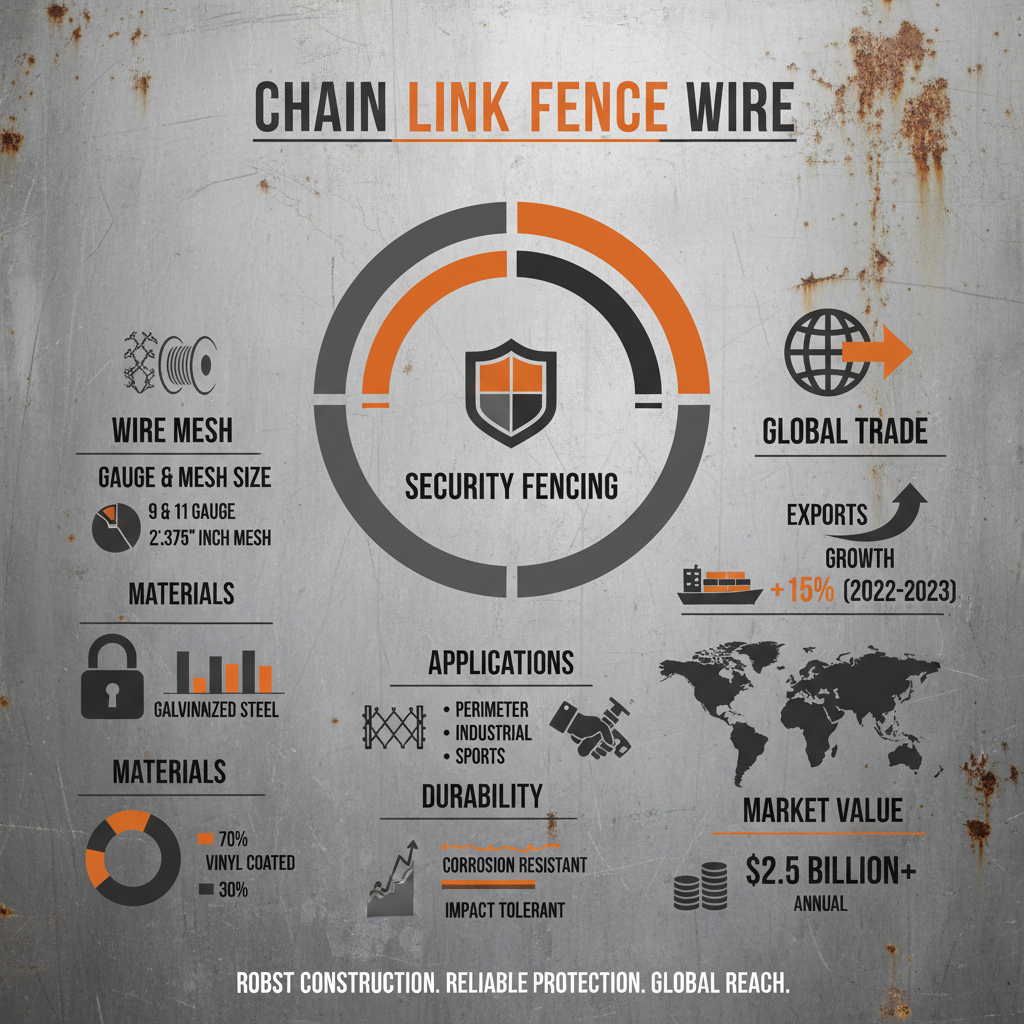
The gauge (thickness) and height of the chain link wire are critical factors determining the fence’s strength and overall effectiveness. Common gauges include 9, 11.5, and 12.5, with lower numbers indicating thicker wire. The height of the fence should be chosen based on the intended use and security needs. Popular heights range from 4 feet for residential applications to 6 or 8 feet for commercial or industrial settings. Properly selecting the gauge and height ensures the fence can withstand external forces and provide the desired level of security.
Where to Buy Quality Chain Link Fence Wire
When purchasing chain link fence wire, it's essential to choose a reputable supplier. Fencing Wire Mesh is a trusted source, offering a wide range of high-quality chain link fabric, competitive pricing, and expert advice. We can help you select the perfect wire for your project, ensuring a durable and secure fence that meets your specific needs.
Conclusion
Investing in quality chain link fence wire is crucial for a long-lasting and secure fencing solution. By understanding the different types, considering relevant factors, and choosing a reputable supplier like Fencing Wire Mesh, you can ensure a fence that provides reliable protection and enhances the value of your property.
Frequently Asked Questions (FAQs)
What is the best chain link wire gauge for a residential fence?
For most residential applications, a 9-gauge or 11.5-gauge chain link wire is sufficient. 9-gauge offers greater strength and durability, making it ideal for areas with high winds or potential for impact. 11.5-gauge provides a good balance of cost and strength for standard residential use. The height of the fence will also influence the appropriate gauge; taller fences typically require thicker wire for stability.
How long will a vinyl-coated chain link fence last?
A properly installed and maintained vinyl-coated chain link fence can last 20-30 years or even longer. The vinyl coating provides excellent protection against corrosion, UV damage, and weathering. Regular cleaning to remove dirt and debris will further extend its lifespan. However, extreme weather conditions or physical damage can shorten its longevity.
Is chain link fence wire recyclable?
Yes, chain link fence wire is typically recyclable. Both galvanized and vinyl-coated wire can be processed at metal recycling facilities. Removing any non-metal components, such as plastic ties or fabric, is essential before recycling. Contact your local recycling center for specific guidelines and acceptance criteria.
What is the standard roll length for chain link fabric?
The standard roll length for chain link fabric is typically 50 feet. However, other lengths, such as 100 feet, are also available. The roll width (height of the fence) varies depending on the desired fence height. It's essential to accurately measure the perimeter of your fencing project to determine the amount of fabric needed and minimize waste.