
Sound Barriers for Outside: A Comprehensive Guide
Noise pollution is a growing concern in many areas, impacting quality of life and even health. Effective sound barriers for outside spaces are crucial for mitigating these effects. This article will explore the various types, materials, installation considerations, and benefits of outdoor sound barriers, helping you find the right solution for your needs. Whether you're looking to reduce traffic noise, industrial sounds, or neighborly disturbances, understanding these options is the first step towards a more peaceful environment.
Understanding the Principles of Sound Reduction
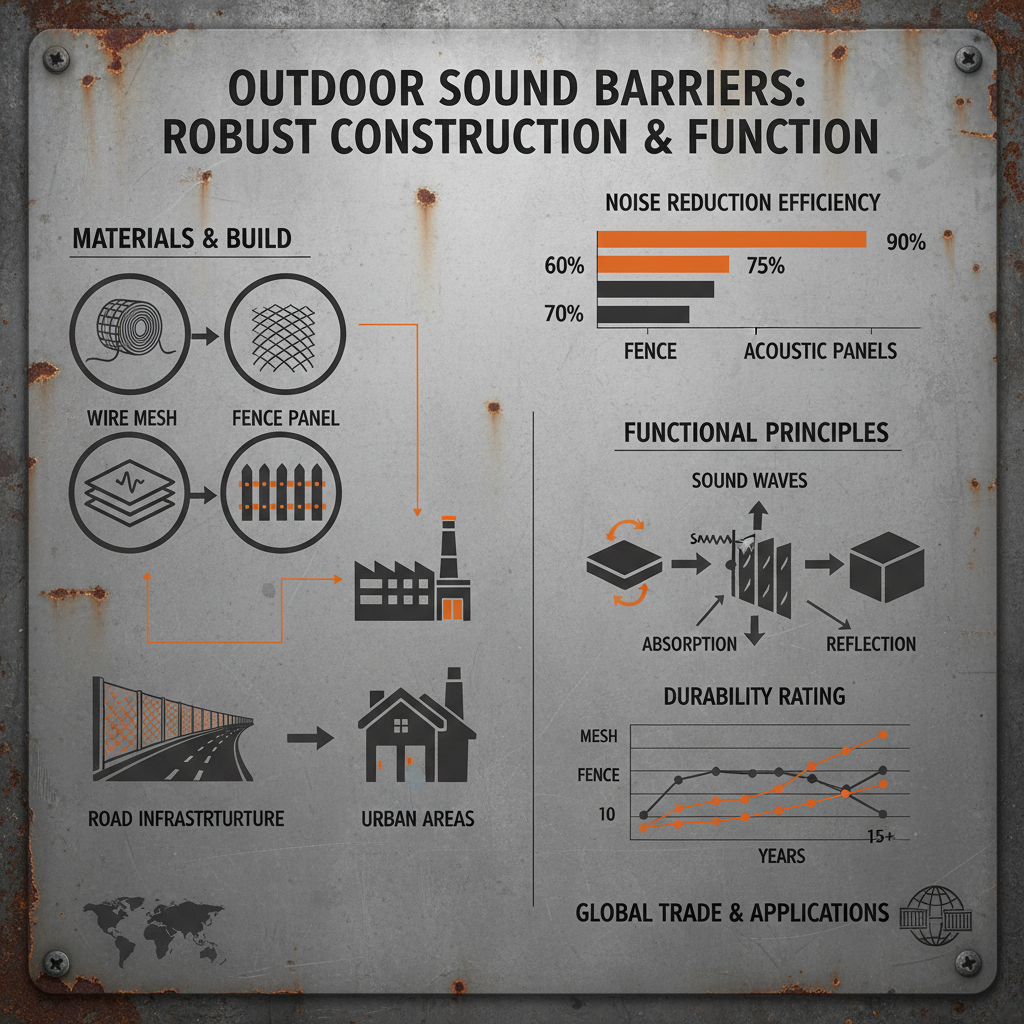
Sound travels in waves, and effective barriers work by blocking, reflecting, or absorbing these waves. Mass, density, and height are key factors in sound reduction. A heavier, denser material will be more effective at blocking sound. Higher barriers provide a greater "shadow zone," reducing the amount of sound that reaches the protected area. Absorption materials, such as certain foams and fabrics, can reduce echo and reverberation, further improving sound control. The location of the barrier relative to the noise source and the listener is also crucial for optimal performance. It's important to note that completely eliminating sound is rarely possible; the goal is to significantly reduce it to a more acceptable level.
Key Considerations: Mass, density, height, and material properties all contribute to the effectiveness of a sound barrier. Placement is also essential.
Types of Sound Barriers for Outside
There are several common types of outdoor sound barriers available. These include solid walls constructed from materials like concrete, brick, or wood. Earth berms, which are mounds of soil, are a natural and cost-effective option. Furthermore, specialized fencing systems designed specifically for sound reduction, often incorporating dense materials and absorption properties, are gaining popularity. Vegetative barriers, such as rows of trees and shrubs, can offer some sound reduction, though they are generally less effective than solid barriers. Choosing the right type depends on factors like noise level, budget, aesthetic preferences, and local regulations. Fencing Wire Mesh offers various specialized fencing systems designed for sound reduction.
Common Outdoor Sound Barrier Types:
• Concrete Walls
• Brick Walls
• Wood Fences
• Earth Berms
• Specialized Sound Reduction Fencing
• Vegetative Barriers
Materials Used in Sound Barriers for Outside
The materials used significantly impact the effectiveness of a sound barrier. Concrete and brick are highly dense and provide excellent sound blocking. Wood, while less dense, can still be effective, especially when combined with sound-absorbing materials. Metal fencing, especially when coupled with a sound-dampening core, can also be a viable option. Composite materials are becoming increasingly popular due to their durability and sound reduction properties. The specific material chosen should be appropriate for the environment and desired level of sound reduction. Considering the material's lifespan and maintenance requirements is also important.
Installation Considerations for Sound Barriers
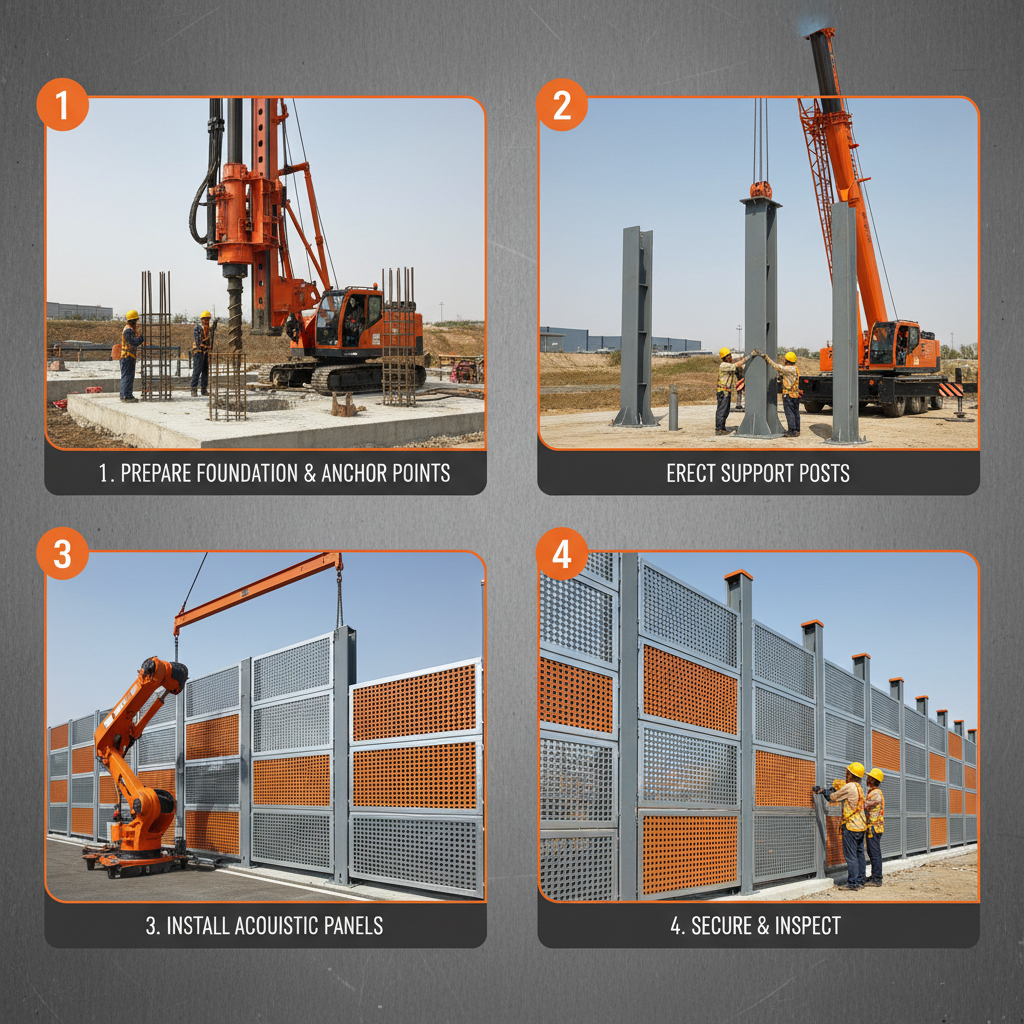
Proper installation is just as important as the choice of materials. The barrier should be securely anchored to prevent vibrations and gaps. Gaps, even small ones, can significantly reduce the effectiveness of the barrier. Consider the foundation and ensure it can support the weight of the structure. Local building codes and regulations may apply, so it’s essential to obtain any necessary permits before starting construction. For complex installations, professional assistance is highly recommended. Fencing Wire Mesh provides expert installation services for its sound barrier systems.
Benefits of Investing in Sound Barriers for Outside
Investing in effective sound barriers offers numerous benefits. Reduced noise pollution leads to improved sleep quality, reduced stress levels, and enhanced overall well-being. Increased property value is another advantage, as a quieter environment is highly desirable. Sound barriers can also create a more productive work environment and minimize the risk of noise-related health problems. Ultimately, sound barriers contribute to a more peaceful and enjoyable living and working space.
Conclusion: Creating a Quieter Environment
Choosing the right sound barriers for outside requires careful consideration of factors like noise level, budget, and aesthetic preferences. By understanding the principles of sound reduction, the different types of barriers available, and proper installation techniques, you can create a more peaceful and comfortable environment. Don't let noise pollution disrupt your life – explore your options and invest in a solution that works for you.
Frequently Asked Questions (FAQs)
How tall should a sound barrier be to be effective?
The ideal height depends on the distance between the noise source and the listener, as well as the frequency of the noise. Generally, a higher barrier is more effective, but there are diminishing returns. A barrier that completely blocks the line of sight between the source and listener is often a good starting point. For low-frequency sounds, a significantly taller barrier may be required. It’s important to consult with a sound engineering professional to determine the optimal height for your specific situation. Considerations also include local regulations regarding barrier height.
What is the difference between soundproofing and sound blocking?
Soundproofing aims to prevent sound from entering or leaving a space, typically by adding absorbent materials to walls, ceilings, and floors. Sound blocking, on the other hand, focuses on creating a barrier to deflect sound waves. Outdoor sound barriers are primarily sound blocking. Soundproofing involves reducing sound transmission through materials, while sound blocking focuses on interrupting the path of sound waves. They are different approaches to managing noise, and often used in combination.
Can vegetation effectively reduce noise pollution?
While vegetation can offer some sound reduction, it's generally less effective than solid barriers. Trees and shrubs can help absorb higher-frequency sounds and scatter sound waves, but they are not very effective at blocking lower-frequency noises. A dense row of trees can provide a modest reduction, but a significant improvement typically requires a combination of vegetation and a solid barrier. The effectiveness of vegetation also depends on the species, density, and height of the plants.
Are permits required for installing a sound barrier?
Yes, permits are often required for installing sound barriers, especially if they exceed a certain height or are located near property lines. Local building codes and zoning regulations vary significantly, so it's crucial to check with your local authorities before starting any construction. Failure to obtain the necessary permits can result in fines and delays. The permitting process may involve submitting site plans and details of the barrier's construction.