
Galvanized Chain: A Comprehensive Guide to Applications and Benefits
When it comes to security, lifting, and industrial applications, a reliable chain is paramount. Galvanized chain offers exceptional strength and corrosion resistance, making it a preferred choice across numerous industries. This article dives deep into the world of galvanized chain, exploring its uses, advantages, different types, and how to choose the right chain for your needs. We’ll highlight why selecting a high-quality galvanized chain is a crucial investment.
What is Galvanized Chain?
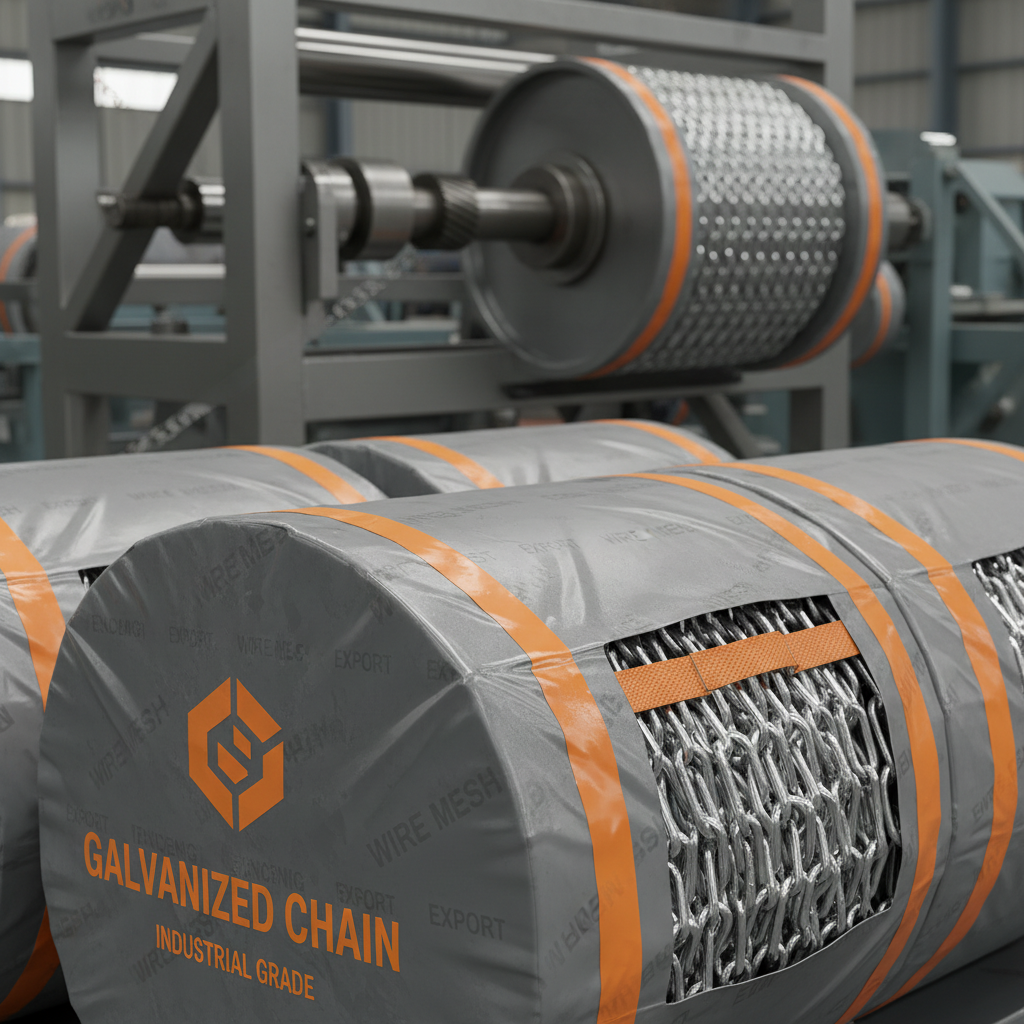
Galvanized chain is steel chain that has been coated with a layer of zinc through a process called galvanization. This zinc coating acts as a barrier, protecting the underlying steel from rust and corrosion. The galvanization process significantly extends the lifespan of the chain, especially in harsh environments. This makes galvanized chain ideal for both indoor and outdoor applications where exposure to moisture, salt, and other corrosive elements is common. The zinc coating sacrifices itself to corrosion before the steel does, providing long-lasting protection.
Key Benefit: Superior corrosion resistance thanks to the zinc coating, extending chain lifespan and reducing replacement costs.
Applications of Galvanized Chain
The versatility of galvanized chain allows it to be utilized in a wide array of applications. Common uses include lifting and rigging, securing loads, towing, animal handling, fencing, and even decorative purposes. In agricultural settings, it's frequently used for tying up livestock or securing gates. In industrial environments, galvanized chain is essential for hoisting materials and securing equipment. Its strength and durability make it a reliable choice for demanding tasks.
Common Applications:
• Lifting and Rigging
• Securing Loads (Trucks, Trailers)
• Towing Applications
• Agricultural and Animal Handling
• Fencing and Security
Galvanized Chain Grades and Working Load Limits
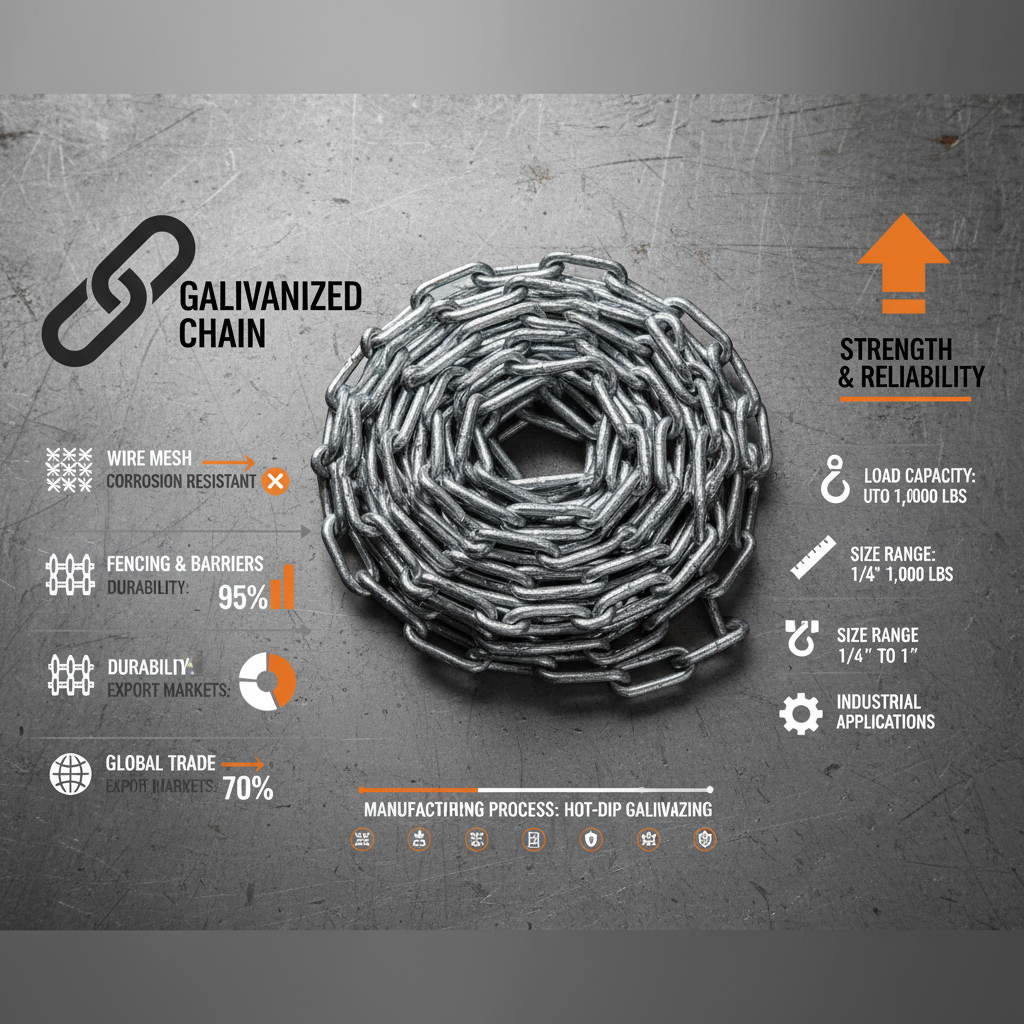
Galvanized chain comes in various grades, each with different strength characteristics and intended applications. Common grades include Grade 30, Grade 70, and Grade 80. The "grade" refers to the tensile strength of the chain. Crucially, it’s essential to understand the Working Load Limit (WLL) of each chain grade before use. The WLL is the maximum weight that should be safely lifted or supported by the chain. Exceeding the WLL can lead to chain failure and serious accidents.
Choosing the Right Galvanized Chain for Your Needs
Selecting the appropriate galvanized chain depends on several factors, including the intended use, the weight of the load, and the environmental conditions. Always prioritize safety by choosing a chain grade with a WLL that exceeds the maximum weight you’ll be lifting or supporting. Consider the chain's diameter, as larger diameters offer greater strength. Regularly inspect your chain for any signs of wear, damage, or corrosion. If you are unsure about which chain to use, consult with a rigging professional.
Maintaining and Inspecting Your Galvanized Chain
Proper maintenance is crucial for ensuring the longevity and safety of your galvanized chain. Regularly clean the chain to remove dirt, grime, and corrosive substances. Lubricate the chain to reduce friction and prevent wear. Most importantly, conduct thorough inspections before each use. Look for any signs of damage, such as cracks, stretched links, or corrosion. Discard any chain that shows signs of significant wear or damage. Following these practices will help to maximize the lifespan of your galvanized chain and ensure safe operation.
Conclusion: Investing in Quality Galvanized Chain
Choosing a high-quality galvanized chain from a reputable supplier like FencingWireMesh.com is a smart investment in safety, durability, and long-term cost savings. By understanding the different grades, applications, and maintenance requirements, you can select the perfect chain for your needs and ensure years of reliable performance.
Frequently Asked Questions (FAQs)
What is the difference between hot-dip galvanizing and electro-galvanizing?
Hot-dip galvanizing involves immersing the steel chain in a bath of molten zinc, creating a thicker, more durable coating. Electro-galvanizing uses an electric current to deposit a thinner layer of zinc. Hot-dip galvanizing provides superior corrosion protection and is typically used for chains intended for harsh environments. Electro-galvanizing is often used for applications where a smoother, more aesthetically pleasing finish is desired. The galvanized chain offered at FencingWireMesh.com utilizes hot-dip galvanizing for maximum durability.
How do I determine the correct Working Load Limit (WLL) for my application?
The WLL is the maximum safe weight the chain can support. Always calculate the total weight of the load you’ll be lifting or supporting, including the weight of any attachments. Select a chain with a WLL that is significantly higher than the total weight, providing a safety factor. As a general rule, a safety factor of 5:1 is recommended. Consult with a rigging professional if you are unsure about the appropriate WLL for your specific application.
What should I look for during a chain inspection?
During an inspection, carefully examine each link of the chain for any signs of cracks, wear, distortion, or corrosion. Pay close attention to areas where the chain is bent or subjected to high stress. Check for stretched links, which can indicate that the chain has been overloaded. Also, inspect the chain's attachments, such as hooks or shackles, for any damage. If you find any defects, immediately remove the chain from service.
Can galvanized chain be used in saltwater environments?
While galvanized chain offers good corrosion resistance, prolonged exposure to saltwater can eventually lead to corrosion. For applications in highly corrosive saltwater environments, consider using stainless steel chain, which offers superior resistance to saltwater corrosion. However, galvanized chain can be used in some saltwater applications with frequent cleaning and maintenance.