
Understanding Temporary Noise Barriers
In today’s bustling world, noise pollution is a pervasive issue, impacting both our health and quality of life. Construction sites, industrial areas, and even traffic can generate excessive noise levels. Temporary noise barriers offer an effective solution to mitigate these disturbances, providing a crucial layer of sound reduction. This article will delve into the applications, benefits, types, and key considerations when selecting temporary noise control solutions. Addressing noise issues proactively not only benefits those directly exposed but also fosters positive community relations.
Why Use Temporary Noise Barriers?
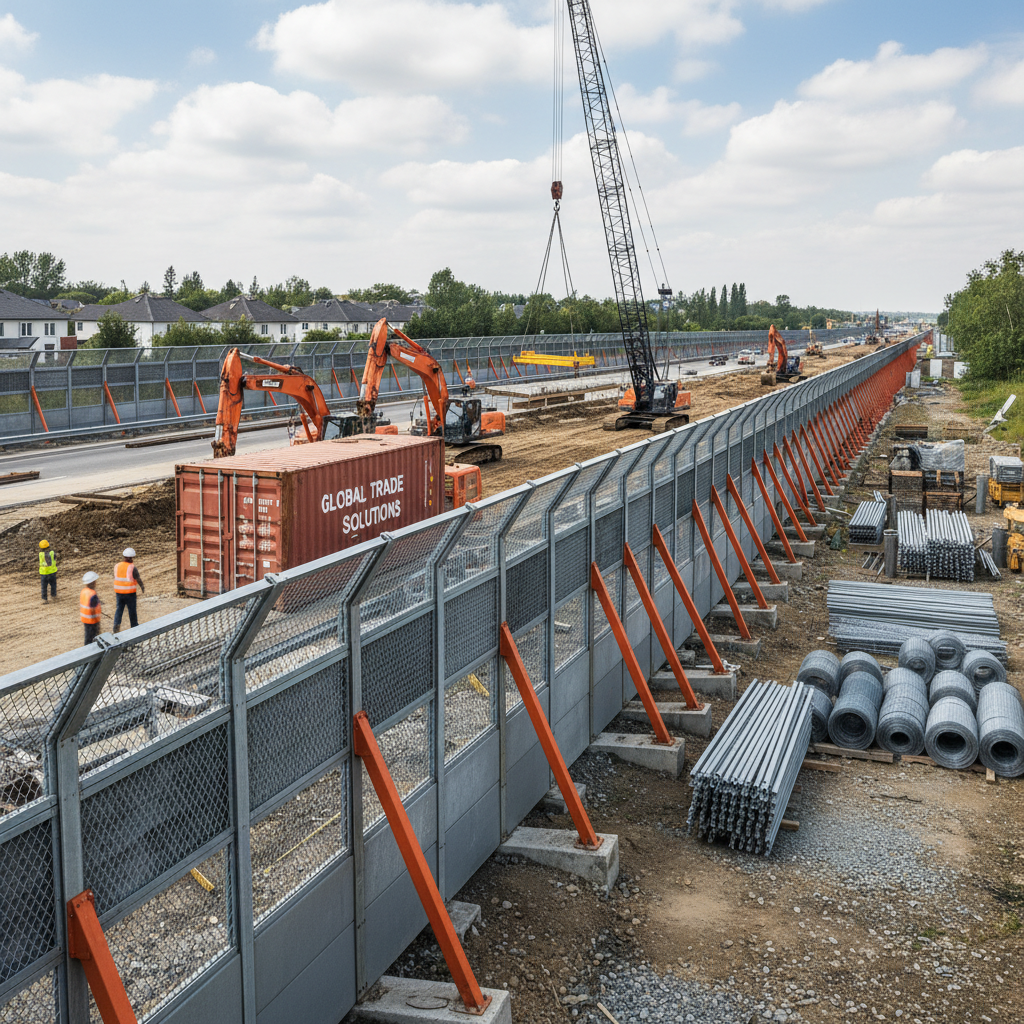
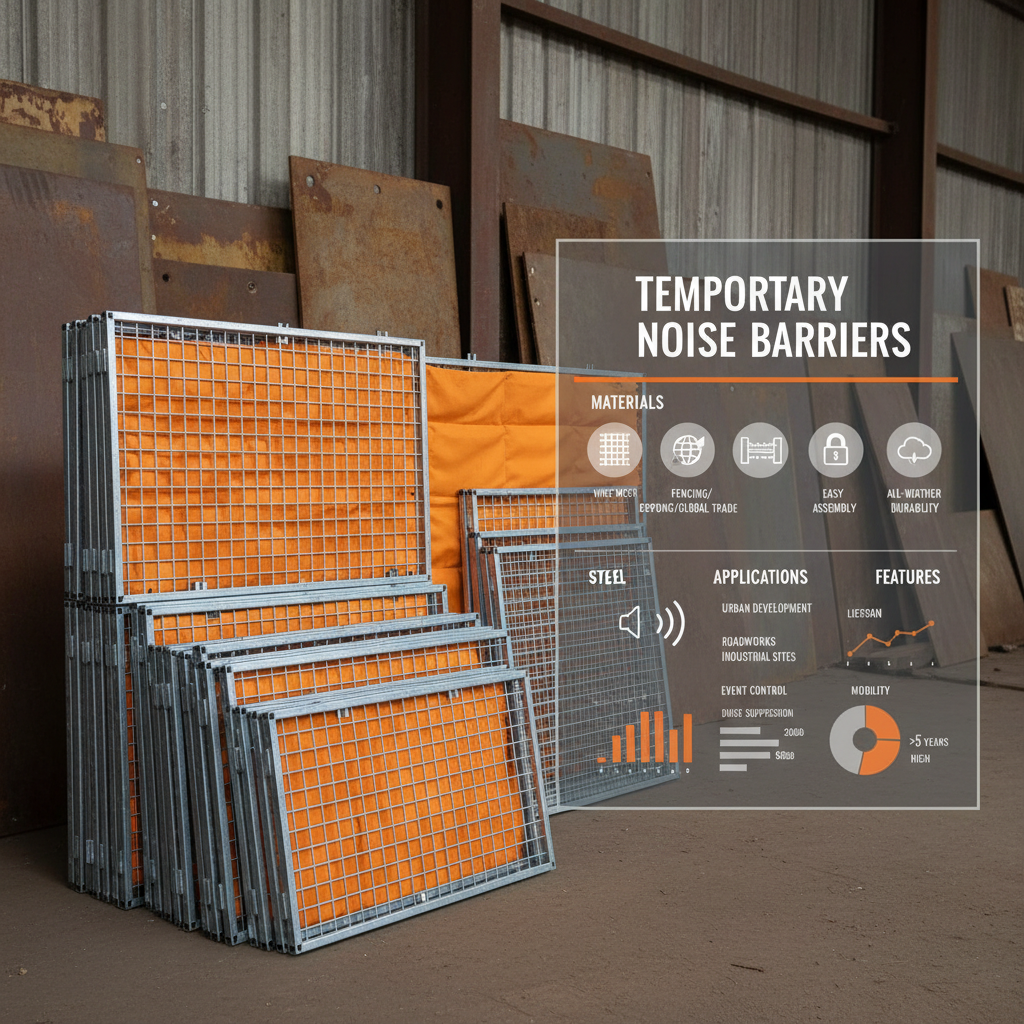
Temporary noise barriers are designed to reduce sound transmission from a source to a receiver. They are invaluable in situations where permanent noise reduction solutions aren’t feasible or cost-effective. Common applications include construction projects, outdoor events, roadwork, and industrial maintenance. Utilizing these barriers can minimize complaints from nearby residents, maintain worker safety by improving communication, and ensure compliance with local noise ordinances. Effectively controlling noise pollution demonstrates a commitment to both environmental responsibility and community well-being.
Key Benefits: Minimizes noise pollution, improves community relations, enhances worker safety, and ensures regulatory compliance.
Types of Temporary Noise Barriers
Several types of temporary noise barriers are available, each suited for different applications and noise reduction requirements. The most common include:
- Mass Loaded Vinyl (MLV) Barriers: Flexible and effective for blocking sound transmission.
- Composite Barriers: Combine MLV with a fiberglass or foam backing for enhanced performance.
- Solid Panel Barriers: Constructed from materials like plywood, metal, or plastic.
- Blanket Barriers: Often used for wrapping equipment or machinery to dampen noise.
The selection of the appropriate barrier type depends on factors such as the frequency of the noise, the distance between the source and receiver, and budget constraints.
Choosing the Right Barrier:
• Consider the noise frequency and intensity.
• Assess the distance between the noise source and sensitive receptors.
• Factor in site conditions and portability requirements.
• Evaluate budget and installation costs.
Temporary Noise Barriers: Material Comparison
Different materials offer varying levels of sound attenuation and come with unique advantages and disadvantages. Here's a comparative overview:
Installation and Best Practices
Proper installation is crucial for maximizing the effectiveness of temporary noise barriers. Ensure the barrier is tall and long enough to fully contain the noise source. Gaps or openings significantly reduce performance. Securely anchor the barrier to prevent movement or collapse, especially in windy conditions. Regular inspections are recommended to identify and address any damage or weaknesses. For optimal results, consider consulting with a noise control specialist to assess your specific needs and recommend the most appropriate solution. Fencing Wire Mesh offers expert guidance and a wide range of quality noise barrier products.
Conclusion: Investing in Noise Control
The Importance of Proactive Noise Management
Investing in temporary noise barriers is a proactive step towards creating a safer, more comfortable, and more harmonious environment. By effectively managing noise pollution, you protect the well-being of workers, maintain positive community relations, and ensure compliance with regulations. Don't underestimate the impact of noise control – it’s an investment that yields significant returns.
Frequently Asked Questions (FAQs)
What is the typical noise reduction achieved with a temporary barrier?
The amount of noise reduction varies depending on several factors, including the barrier's material, height, length, and proximity to the noise source. Generally, a well-installed barrier can reduce noise levels by 5 to 35 decibels (dB). Higher dB reduction typically requires more substantial and dense barrier materials. It’s essential to accurately assess the noise levels and select a barrier designed to achieve the desired reduction. For complex situations, a professional noise assessment is recommended.
Are temporary noise barriers weather-resistant?
Many temporary noise barriers are designed to withstand various weather conditions, including rain, wind, and sunlight. However, the degree of weather resistance varies depending on the material. MLV barriers are generally quite durable, while lighter materials like some fabrics may require additional protection. It's important to choose a barrier specifically rated for the expected weather conditions and to ensure it is properly secured to prevent damage or collapse.
How do I determine the appropriate height of a noise barrier?
The ideal height of a noise barrier depends on the distance between the noise source and the receiver, as well as the frequency of the noise. A general rule of thumb is that the barrier should be tall enough to break the direct line of sight between the source and the receiver. However, lower frequency sounds can diffract (bend) around barriers, so higher barriers may be necessary for those. Consulting with a noise control expert is the best way to determine the optimal height for your specific situation.
Are there any regulations regarding temporary noise barriers?
Yes, many local and regional authorities have regulations regarding noise levels and the use of noise barriers. These regulations may specify maximum permissible noise levels, required barrier heights, and permitting requirements. It’s crucial to research and comply with all applicable regulations before installing a temporary noise barrier. Failure to do so can result in fines or other penalties. Contact your local planning department for specific guidance.
2.webp "High quality Double Strand Barbed Wire Building Barbed Wire Fence")