
Understanding Noise Control Barriers: A Comprehensive Guide
In today's increasingly noisy world, effective noise control barriers are crucial for protecting health, improving productivity, and maintaining quality of life. From bustling highways to industrial sites, minimizing noise pollution is paramount. This article will provide a detailed overview of noise control barriers, covering their types, applications, benefits, and key considerations when choosing the right solution. We’ll explore how these barriers work and why selecting a quality barrier from a reputable source, like fencingwiremesh.com, is an important investment.
What are Noise Control Barriers?
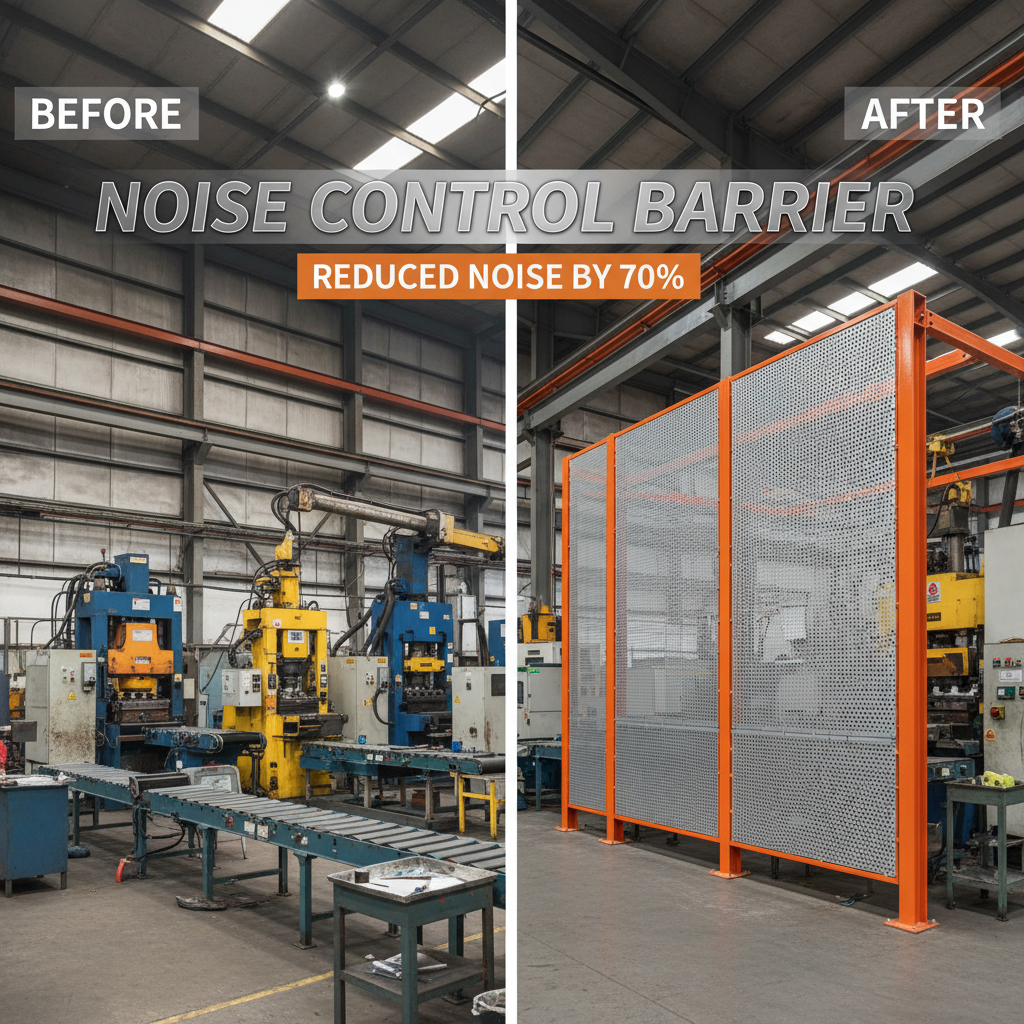
Noise control barriers, often referred to as sound barriers, are structures designed to reduce the transmission of noise from a source to a receiver. They work by blocking sound waves, reflecting them back to the source, or absorbing the sound energy. These barriers are essential in mitigating noise pollution in various settings, ranging from residential areas near highways to industrial facilities and construction sites. The effectiveness of a noise control barrier depends on several factors, including its height, length, material, and the frequency of the noise being blocked. Choosing the right materials and design is critical for achieving the desired noise reduction.
Key Benefits: Improved quality of life, enhanced worker productivity, compliance with noise regulations, and increased property values.
Types of Noise Control Barriers
There are several types of noise control barriers available, each with its own advantages and disadvantages. Common types include:
- Concrete Barriers: Durable and effective, commonly used along highways.
- Earth Berms: Natural-looking and relatively inexpensive, but require significant space.
- Wood Barriers: Cost-effective and aesthetically pleasing, but require regular maintenance.
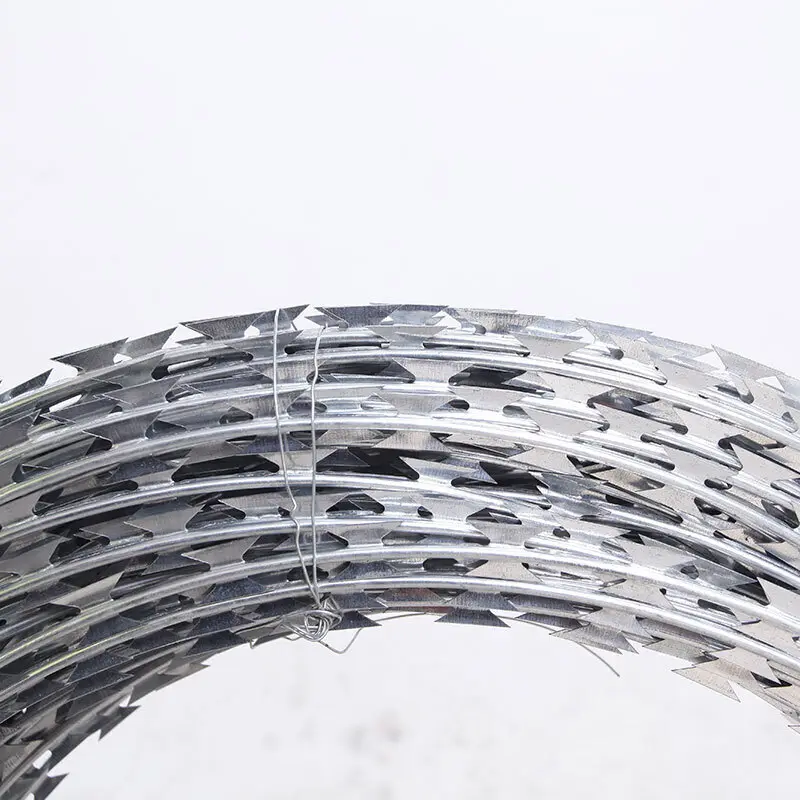
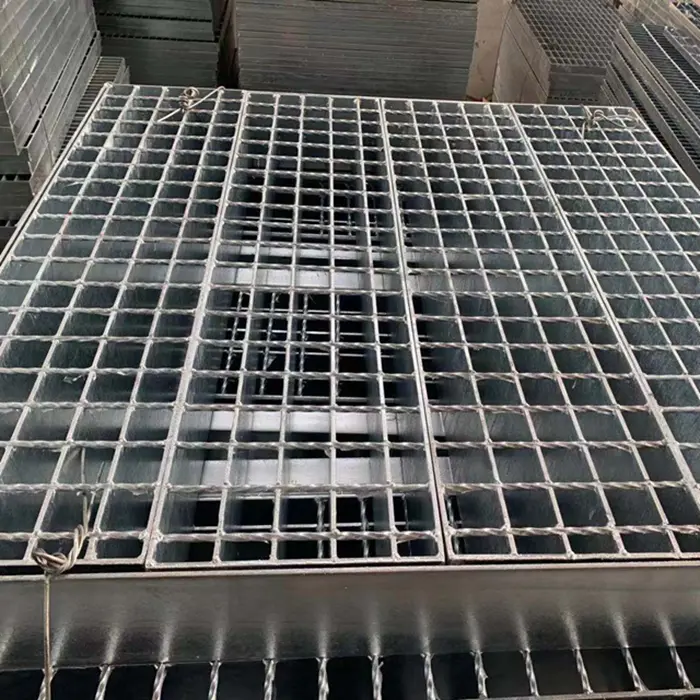
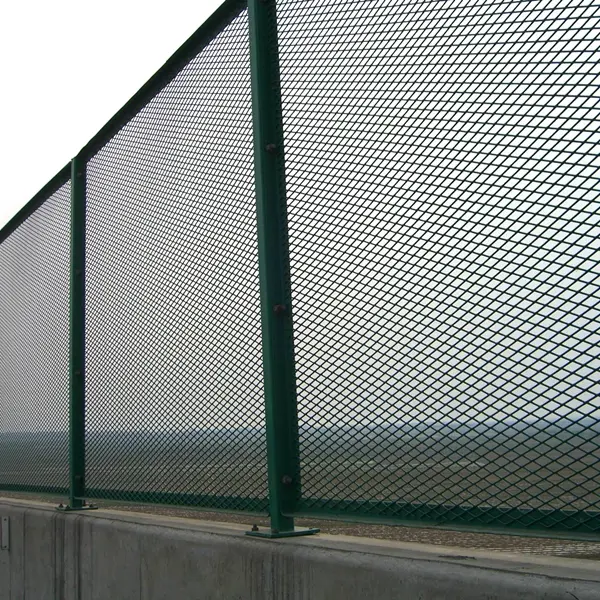
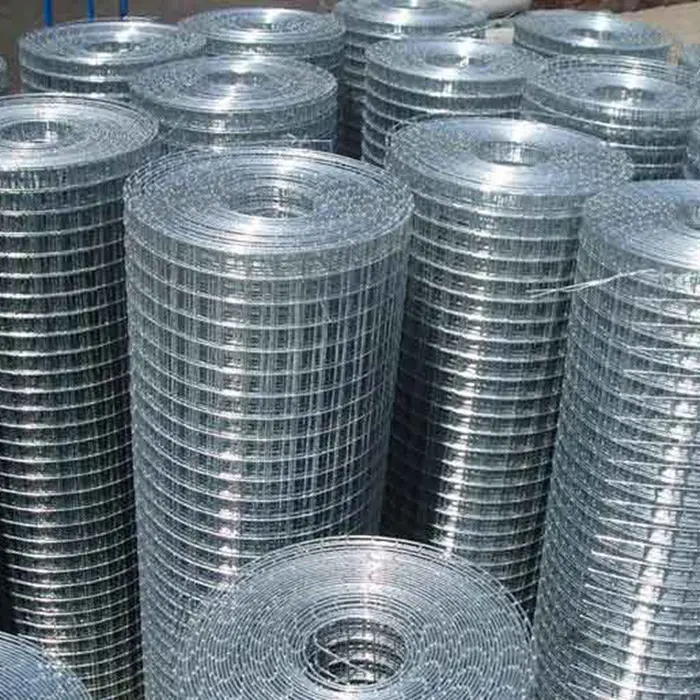
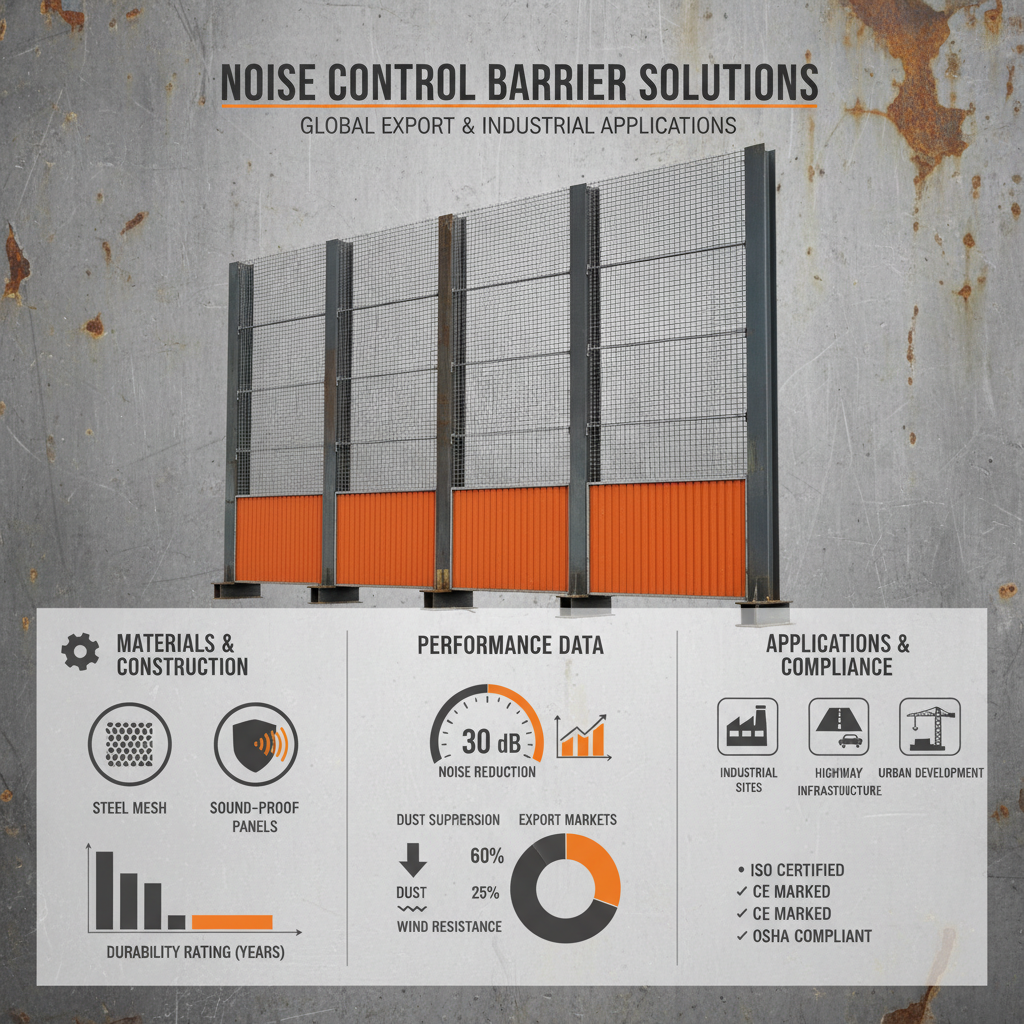
- Metal Barriers: Often constructed with galvanized steel or aluminum, offering durability and flexibility. Fencing Wire Mesh provides high-quality metal barrier solutions.
- Composite Barriers: Combining different materials for enhanced performance and aesthetics.
Noise Control Barrier Materials: A Comparison
The material used for a noise control barrier significantly impacts its effectiveness, cost, and lifespan. Here's a comparative look at common materials:
Applications of Noise Control Barriers
Noise control barriers are utilized in a wide array of applications, including:
- Highways: Protecting residential areas from traffic noise.
- Industrial Sites: Reducing noise levels from machinery and operations.
- Construction Sites: Mitigating noise pollution during construction activities.
- Commercial Buildings: Creating quieter environments for employees and customers.
- Residential Areas: Providing privacy and reducing noise from neighboring properties.
Choosing the Right Noise Control Barrier
Selecting the appropriate noise control barrier requires careful consideration of several factors. Key considerations include the frequency of the noise, the distance between the source and the receiver, the desired level of noise reduction, aesthetic requirements, and budgetary constraints. Consulting with experts in noise control, such as those at fencingwiremesh.com, can help ensure you choose the most effective solution for your specific needs. Proper installation is also crucial for maximizing the barrier's performance.
Conclusion: Investing in a Quieter Future
Implementing noise control barriers is a vital step towards creating healthier, more productive, and more livable environments. By understanding the different types of barriers, materials, and applications, you can make informed decisions that effectively mitigate noise pollution. Investing in a quality barrier from a trusted supplier like Fencing Wire Mesh is an investment in the well-being of your community and workforce.
Frequently Asked Questions (FAQs)
How tall does a noise control barrier need to be to be effective?
The required height of a noise control barrier depends on the distance between the noise source and the receiver, the frequency of the noise, and the desired level of noise reduction. Generally, taller barriers are more effective, but there are diminishing returns. A barrier must effectively break the line of sight between the source and the receiver to maximize performance. For most applications, a barrier height of at least 1.5 to 2 meters is recommended, but a professional noise assessment is crucial for determining the optimal height for your specific situation. Factors such as topography and surrounding structures also play a role.
What maintenance is required for metal noise control barriers?
Metal noise control barriers, particularly those made from galvanized steel or aluminum, generally require minimal maintenance. However, periodic inspection for corrosion, especially in coastal environments, is recommended. If corrosion is detected, it should be addressed promptly with appropriate coatings. Regular cleaning to remove dirt and debris can also help prolong the barrier's lifespan. Fencing Wire Mesh provides barriers with durable coatings designed to withstand harsh conditions.
Can noise control barriers be aesthetically pleasing?
Yes, noise control barriers can be designed to be aesthetically pleasing. Materials like wood and composite materials offer natural-looking options. Metal barriers can be painted or clad with decorative panels to blend with the surrounding environment. Even concrete barriers can be textured or painted to improve their visual appeal. Many manufacturers, including Fencing Wire Mesh, offer customizable barrier solutions to meet specific aesthetic requirements.
How effective are noise control barriers at low frequencies?
Low-frequency noise is more challenging to block than high-frequency noise because it has a longer wavelength. Therefore, noise control barriers are generally less effective at reducing low-frequency noise. To effectively mitigate low-frequency noise, taller and heavier barriers are required, and often, a combination of barrier height, mass, and absorptive materials is necessary. Earth berms can be particularly effective at absorbing low-frequency noise, but they require significant space.