
Sound Absorbing Barriers: A Comprehensive Guide
In today's increasingly noisy world, effective noise control is crucial for protecting health, improving productivity, and maintaining a comfortable environment. Sound absorbing barriers are a key component of this control, offering a practical and efficient solution to mitigate noise pollution. This article will explore the benefits, applications, types, and factors to consider when choosing sound absorbing barriers, with a focus on providing a clear understanding for anyone looking to reduce unwanted noise. Effective noise reduction isn’t just about comfort; it's a vital element in creating safer and more functional spaces.
Understanding the Benefits of Sound Absorbing Barriers
The primary benefit of sound absorbing barriers is, of course, noise reduction. However, the advantages extend beyond simply making an environment quieter. Reduced noise levels can lead to improved concentration, reduced stress, and enhanced communication. In industrial settings, this translates to increased productivity and fewer errors. In residential areas, it provides a more peaceful living environment. Furthermore, these barriers can contribute to compliance with noise regulations and improve overall quality of life. Properly implemented sound barriers are an investment in well-being and efficiency.
Key Benefits: Reduced noise levels, improved concentration, decreased stress, enhanced communication, increased productivity, regulatory compliance, and improved quality of life.
Common Applications for Sound Absorbing Barriers
Sound absorbing barriers find application in a diverse range of environments. Highway noise barriers are a common sight, protecting residential areas from traffic noise. Industrial facilities utilize them to contain machinery noise and protect workers. Construction sites employ barriers to mitigate noise pollution for nearby residents. Event venues often use portable barriers to control sound during concerts and festivals. Even indoor environments, such as offices and recording studios, benefit from strategically placed sound absorbing panels. The versatility of these barriers makes them a valuable tool for noise control in countless scenarios.
Application Areas:
• Highways and roadways
• Industrial facilities
• Construction sites
• Event venues
• Offices and studios
Types of Sound Absorbing Barriers
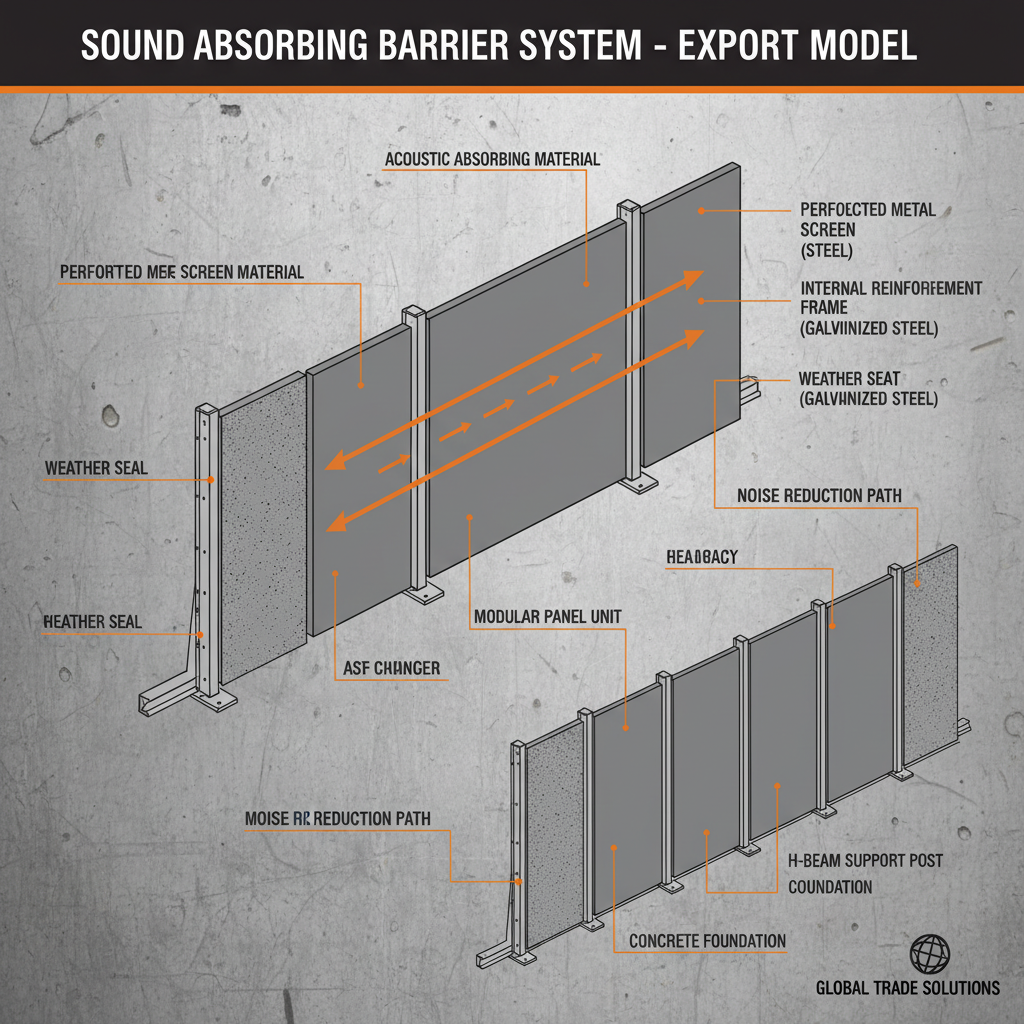
Several types of sound absorbing barriers are available, each with its own advantages and disadvantages. Common types include solid barriers (concrete, brick, wood), absorptive barriers (foam, fiberglass, mineral wool), and composite barriers (combining solid and absorptive materials). Solid barriers primarily reflect sound, while absorptive barriers convert sound energy into heat, reducing reflection. Composite barriers offer the best of both worlds, providing both reflection and absorption. The optimal type depends on the specific noise source, frequency, and environmental conditions.
Key Factors to Consider When Choosing Barriers
Selecting the right sound absorbing barrier requires careful consideration of several factors. Noise frequency is crucial – different materials absorb different frequencies more effectively. The height and length of the barrier are also important, impacting its effectiveness. Environmental conditions, such as wind and rain, must be considered to ensure durability and performance. Budget constraints will also influence the choice of materials and design. Consulting with a noise control specialist can help ensure the best possible outcome. Fencing Wire Mesh provides a range of solutions tailored to diverse needs.
Innovations and Future Trends in Sound Barrier Technology
The field of sound barrier technology is constantly evolving. Recent innovations include the use of recycled materials, such as reclaimed rubber and plastic, to create environmentally friendly barriers. The development of bio-based sound absorbing materials is also gaining traction. Furthermore, advancements in modeling and simulation software allow for more precise barrier design, optimizing performance and minimizing costs. Future trends point towards smart barriers that adapt to changing noise levels and integrate with smart city infrastructure.
Conclusion: Creating Quieter Environments with Sound Absorbing Barriers
Investing in sound absorbing barriers is a proactive step towards creating more comfortable, productive, and healthy environments. By understanding the different types, applications, and key considerations, you can make an informed decision that effectively addresses your noise control needs. From mitigating highway noise to enhancing workplace safety, these barriers offer a valuable solution for a wide range of challenges. Don't let noise pollution impact your quality of life – explore the possibilities of sound absorbing barriers today.
Frequently Asked Questions (FAQs)
What is the typical lifespan of a sound absorbing barrier?
The lifespan of a sound absorbing barrier depends on the materials used, the environmental conditions it's exposed to, and the level of maintenance it receives. Generally, well-maintained barriers constructed from durable materials like concrete or high-quality composites can last for 20-30 years or more. Barriers made from absorptive materials like foam may have a shorter lifespan, typically 5-10 years, and require periodic replacement. Regular inspections are essential to identify and address any damage or deterioration promptly, extending the barrier's overall lifespan.
How effective are sound absorbing barriers in reducing noise?
The effectiveness of sound absorbing barriers varies depending on several factors, including the barrier's height, length, material, and the frequency of the noise source. A well-designed barrier can typically reduce noise levels by 5-15 decibels. While a reduction of even a few decibels can be noticeable and significantly improve comfort, achieving substantial noise reduction often requires a combination of barriers, landscaping, and other noise control measures. Higher barriers generally provide more effective noise reduction, especially for lower-frequency sounds.
Are sound absorbing barriers aesthetically pleasing?
Historically, sound barriers were often utilitarian in appearance. However, modern sound barrier designs increasingly prioritize aesthetics. Manufacturers now offer a wide range of finishes, colors, and textures to blend seamlessly with the surrounding environment. Some barriers incorporate landscaping features, such as green walls or climbing plants, to enhance their visual appeal. Custom designs are also available to match specific architectural styles or branding requirements. Fencing Wire Mesh offers customizable options to ensure both functionality and visual harmony.
What is the cost of installing a sound absorbing barrier?
The cost of installing a sound absorbing barrier varies significantly depending on the size, materials, design complexity, and site conditions. Simple barriers made from readily available materials can cost a few dollars per square foot, while more elaborate custom designs can cost upwards of $50 per square foot or more. Installation costs also vary depending on the site's accessibility and the need for specialized equipment. It's essential to obtain multiple quotes from qualified contractors to get an accurate estimate for your specific project.