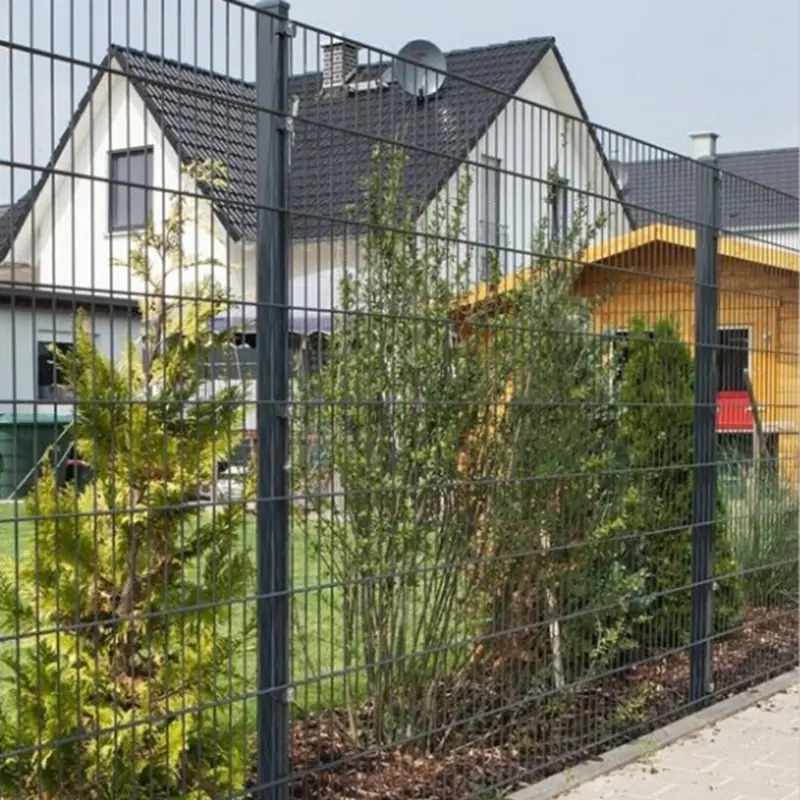

Understanding AC Sound Barriers: A Comprehensive Guide
Noise pollution is a growing concern in urban and industrial environments. Fortunately, effective solutions exist to mitigate these disturbances. AC sound barriers are a leading choice for reducing noise levels, providing peace and quiet to homes, businesses, and communities. This article will delve into the benefits, types, installation, and maintenance of AC sound barriers, equipping you with the knowledge to make informed decisions. Controlling sound is essential for both quality of life and regulatory compliance, and effective barriers are a crucial component of that effort.
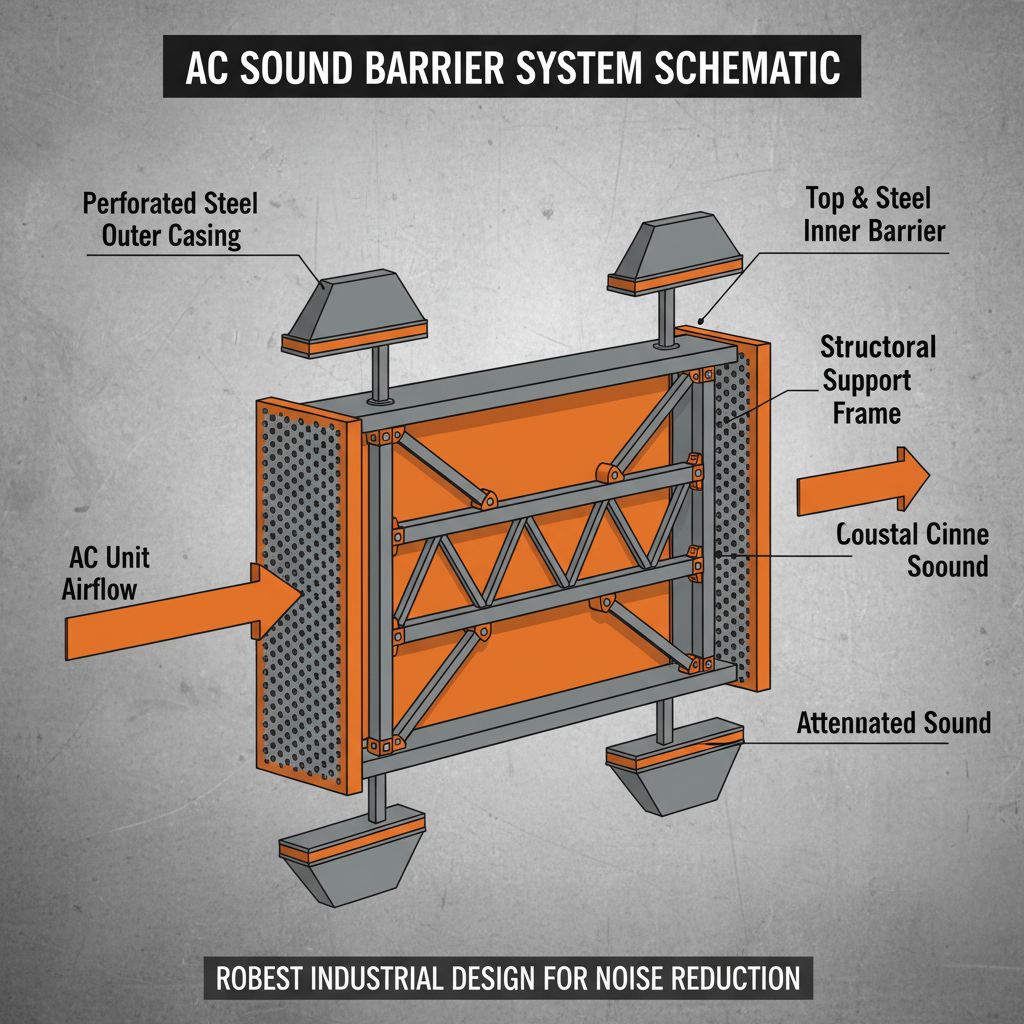
What are AC Sound Barriers?
AC sound barriers, typically constructed from materials like concrete, masonry, or specialized sound-absorbing composites, are designed to block or deflect sound waves. They work by creating a physical obstruction that forces sound to travel over or around the barrier, reducing its intensity. The effectiveness of a sound barrier depends on several factors including its height, length, density, and the distance between the noise source and the receiver. Modern barriers also utilize acoustic absorption techniques to minimize sound reflection and further reduce noise levels. These barriers can be freestanding structures or integrated into existing walls and fencing.
Key Highlights: AC sound barriers create a physical obstruction to reduce sound waves, utilizing density, height, and acoustic absorption to maximize effectiveness.
Types of AC Sound Barriers
Several types of AC sound barriers cater to different needs and budgets. Concrete barriers are highly effective but can be visually imposing. Masonry barriers, using brick or block, offer a more aesthetically pleasing appearance. Composite barriers, combining various materials like wood, metal, and acoustic foam, offer a balance of performance and aesthetics. Vegetative barriers, while less effective alone, can supplement other barriers and enhance the visual appeal. The choice of barrier type depends on the noise level, proximity to sensitive receptors, and aesthetic requirements. Fencing Wire Mesh specializes in durable and effective solutions for noise control.
Barrier Type Benefits:
• Concrete: High effectiveness, durable.
• Masonry: Aesthetically pleasing, durable.
• Composite: Balance of performance and aesthetics.
• Vegetative: Enhances visual appeal, supplements other barriers.
AC Sound Barrier Performance: Key Considerations
The effectiveness of an AC sound barrier is measured in decibels (dB) of noise reduction. Several factors influence performance. Height is critical – taller barriers provide more shadow area, reducing noise transmission. Density is also important; denser materials block sound more effectively. The distance between the noise source and the barrier, as well as the distance to the receiver, impacts the reduction achieved. Ground coupling, ensuring the barrier is firmly anchored to the ground, minimizes sound leakage. Finally, the frequency of the sound matters, as different materials perform differently at varying frequencies.
Installation and Maintenance of AC Sound Barriers
Proper installation is crucial for maximizing the effectiveness of an AC sound barrier. Foundations must be stable and adequately sized to support the barrier's weight. Panels should be tightly sealed to prevent sound leakage. Regular inspections are recommended to identify and address any damage or deterioration. This includes checking for cracks, loose connections, and vegetation growth that could compromise performance. Cleaning the barrier surface can also help maintain its acoustic properties. Professional installation from a reputable company, like Fencing Wire Mesh, ensures optimal results.
Applications of AC Sound Barriers
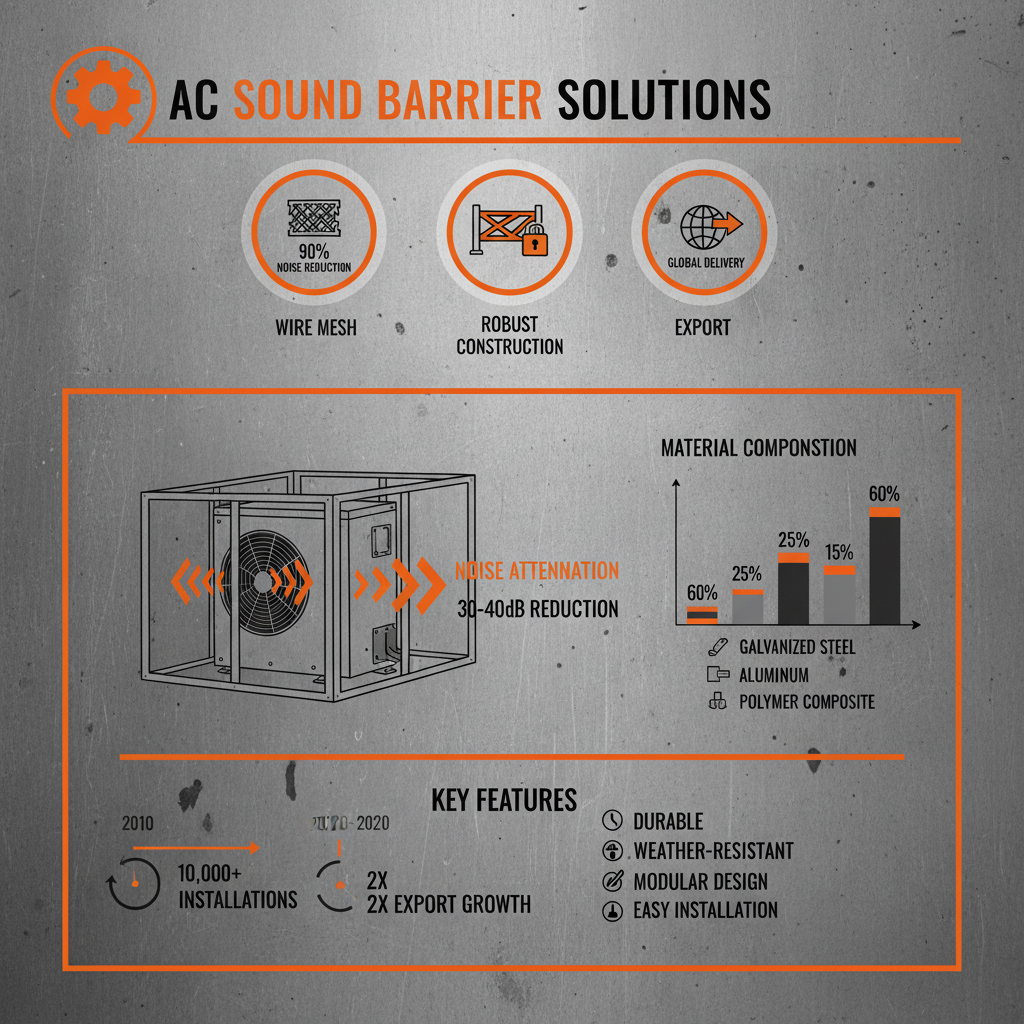
AC sound barriers are used in a wide variety of applications. Along highways and railways, they protect residential areas from traffic noise. Around industrial facilities, they mitigate noise pollution affecting neighboring communities. In commercial settings, they create quieter environments for employees and customers. They are also utilized in residential areas to create private outdoor spaces free from noise disturbances. The versatility of these barriers makes them a valuable solution for numerous noise control challenges.
Conclusion: Invest in Quiet with AC Sound Barriers
Investing in an AC sound barrier is a proactive step toward improving quality of life and complying with noise regulations. With a variety of materials and configurations available, you can find a solution tailored to your specific needs. Contact Fencing Wire Mesh today to discuss your project and discover the benefits of a quieter environment.
Frequently Asked Questions (FAQs)
What is the typical lifespan of an AC sound barrier?
The lifespan of an AC sound barrier varies depending on the materials used and environmental conditions. Concrete and masonry barriers can last for decades with minimal maintenance. Composite barriers typically have a lifespan of 15-20 years. Regular inspections and prompt repairs are essential for maximizing longevity. Factors like exposure to UV radiation, extreme temperatures, and chemical pollutants can accelerate deterioration. Proper installation and protective coatings can significantly extend the barrier’s service life.
How much noise reduction can I expect from an AC sound barrier?
The noise reduction achieved depends on several factors, including the barrier's height, density, length, and proximity to the noise source and receiver. A well-designed and installed barrier can typically reduce noise levels by 5-20 decibels. Higher barriers and denser materials generally provide greater reduction. Professional acoustic modeling can accurately predict the expected noise reduction for a specific site and barrier configuration.
Are permits required for installing an AC sound barrier?
Yes, permits are typically required for installing AC sound barriers, especially in residential or public areas. Permitting requirements vary depending on local zoning regulations and building codes. It's essential to check with your local authorities to determine the necessary permits and approvals before starting any construction work. Permit applications often require detailed site plans, barrier specifications, and acoustic analysis reports.
Can AC sound barriers be aesthetically customized?
Absolutely. AC sound barriers can be customized to blend with the surrounding environment. Options include incorporating architectural finishes, adding landscaping features, and using decorative panels. Composite barriers offer the greatest flexibility in terms of aesthetics. By carefully considering the visual impact, you can create a sound barrier that is both effective and visually appealing.