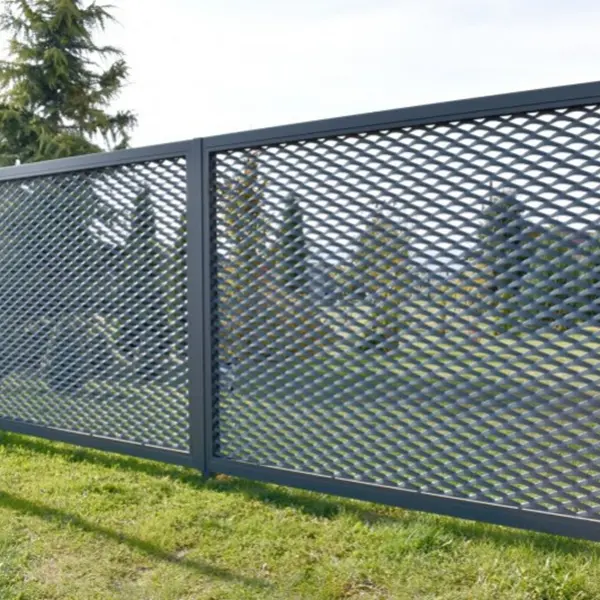

Noise Barriers for Homes: Creating a Peaceful Living Environment
In today's bustling world, finding peace and quiet within the comfort of your home can be a challenge. External noise pollution from traffic, neighbors, or industrial areas can significantly impact your well-being and quality of life. Fortunately, effective noise barriers for homes offer a practical solution. This article explores the benefits of noise barriers, different types available, installation considerations, and how to choose the right solution for your needs. A quieter home is a healthier, happier home, and investing in noise reduction is an investment in your peace of mind.
Understanding the Benefits of Noise Barriers
Implementing a noise barrier around your property offers a multitude of benefits. Primarily, it dramatically reduces unwanted noise levels, creating a more serene and relaxing environment. This is particularly crucial for those working from home, families with young children, or individuals sensitive to noise. Reduced noise also contributes to improved sleep quality, lower stress levels, and enhanced concentration. Furthermore, a well-designed noise barrier can enhance the aesthetic appeal of your property and potentially increase its value. Consider the long-term health and well-being advantages – a quieter life translates to a healthier life.
Key Benefits: Reduced noise levels, improved sleep quality, lower stress, enhanced concentration, increased property value.
Types of Noise Barriers for Residential Use
Several types of noise barriers are available for residential applications, each with its own advantages and drawbacks. Common options include solid fences constructed from materials like concrete, brick, or wood. These offer good noise reduction but can be visually imposing. Earth berms – mounds of earth – are a natural and effective option, but require significant space. More modern solutions involve specialized noise barrier panels made from acoustic materials, which offer high performance with a more streamlined appearance. Fencing Wire Mesh offers a range of acoustic fencing solutions designed for residential and commercial applications. The best choice depends on your budget, aesthetic preferences, and the level of noise reduction required.
Noise Barrier Options:
• Solid Fences (Concrete, Brick, Wood)
• Earth Berms
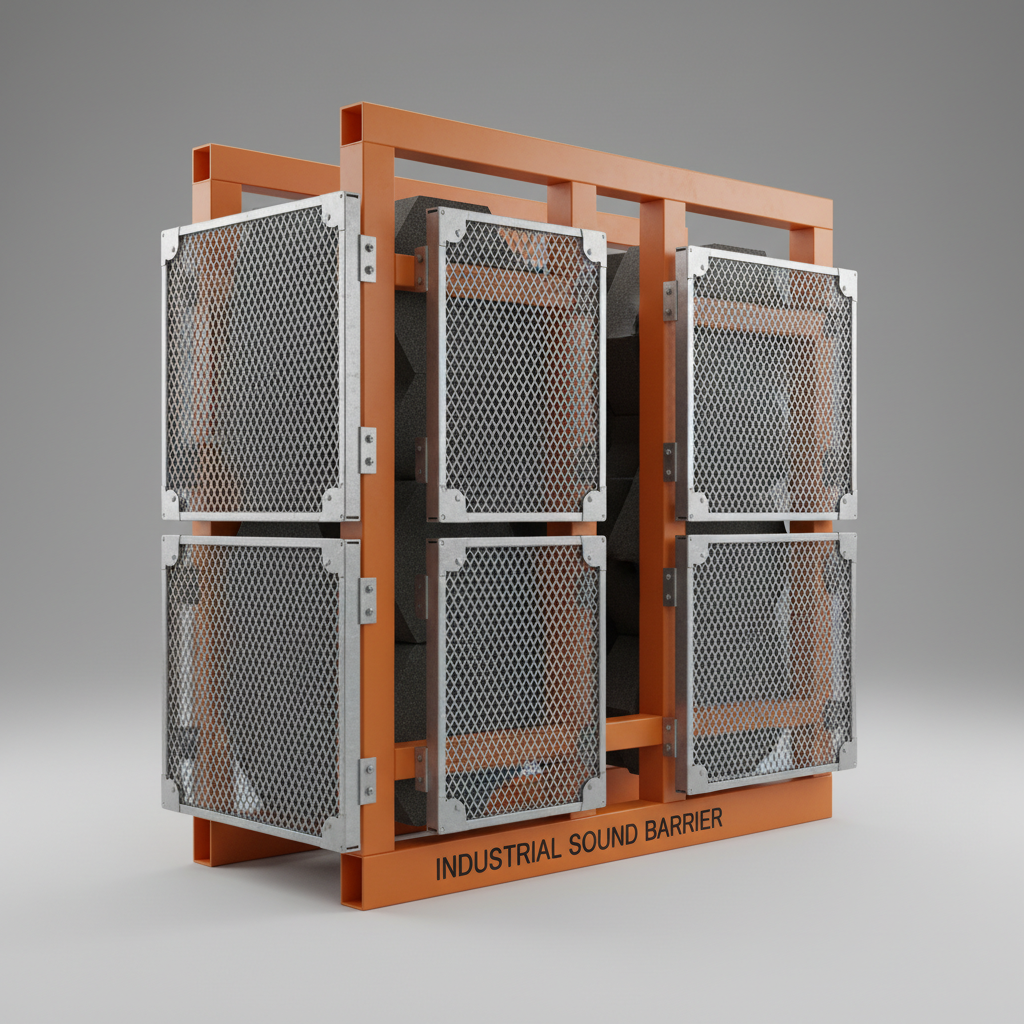
• Acoustic Panels
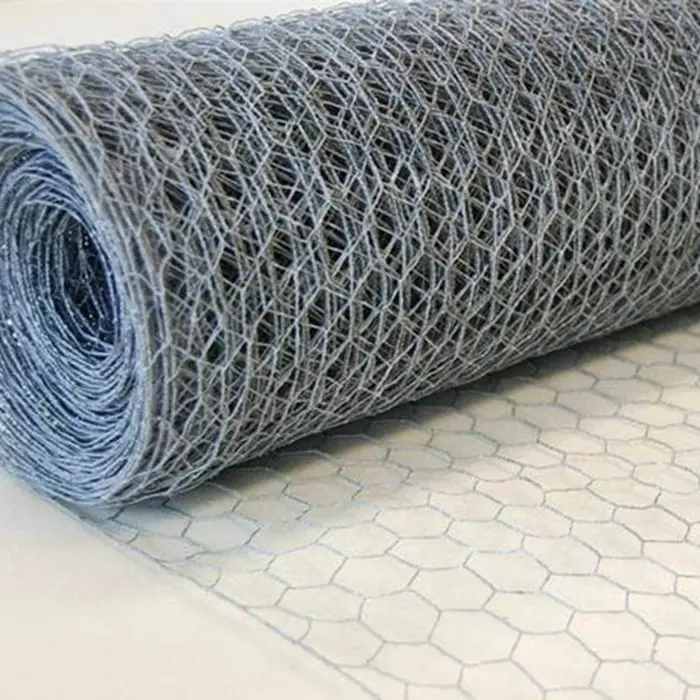
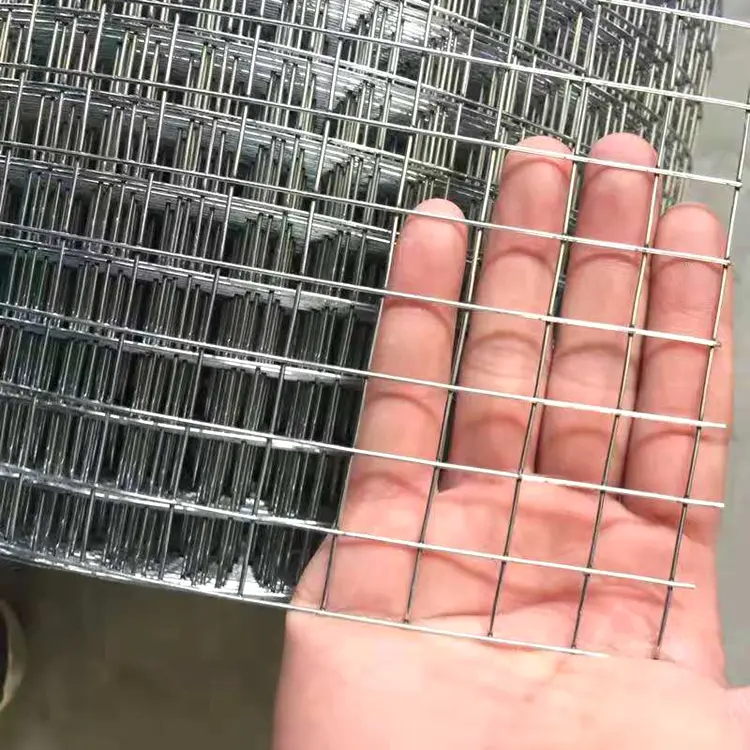
• Wire Mesh Noise Barriers
Comparing Noise Reduction Performance: Materials & STC Ratings
The effectiveness of a noise barrier is often measured by its Sound Transmission Class (STC) rating. Higher STC values indicate better noise reduction. Here's a comparison of common materials and their approximate STC ratings:
Installation Considerations for Optimal Performance
Proper installation is just as crucial as the material itself. Ensure the barrier is tall enough to block the direct line of sight to the noise source. Gaps at the bottom or sides will significantly reduce its effectiveness. For fences, consider a solid construction with minimal openings. Earth berms should be densely planted with vegetation to maximize sound absorption. Professional installation is recommended, particularly for acoustic panels and specialized systems, to ensure optimal performance and compliance with local building codes. It's also important to consider drainage to prevent water buildup near the barrier.
Choosing the Right Noise Barrier for Your Home
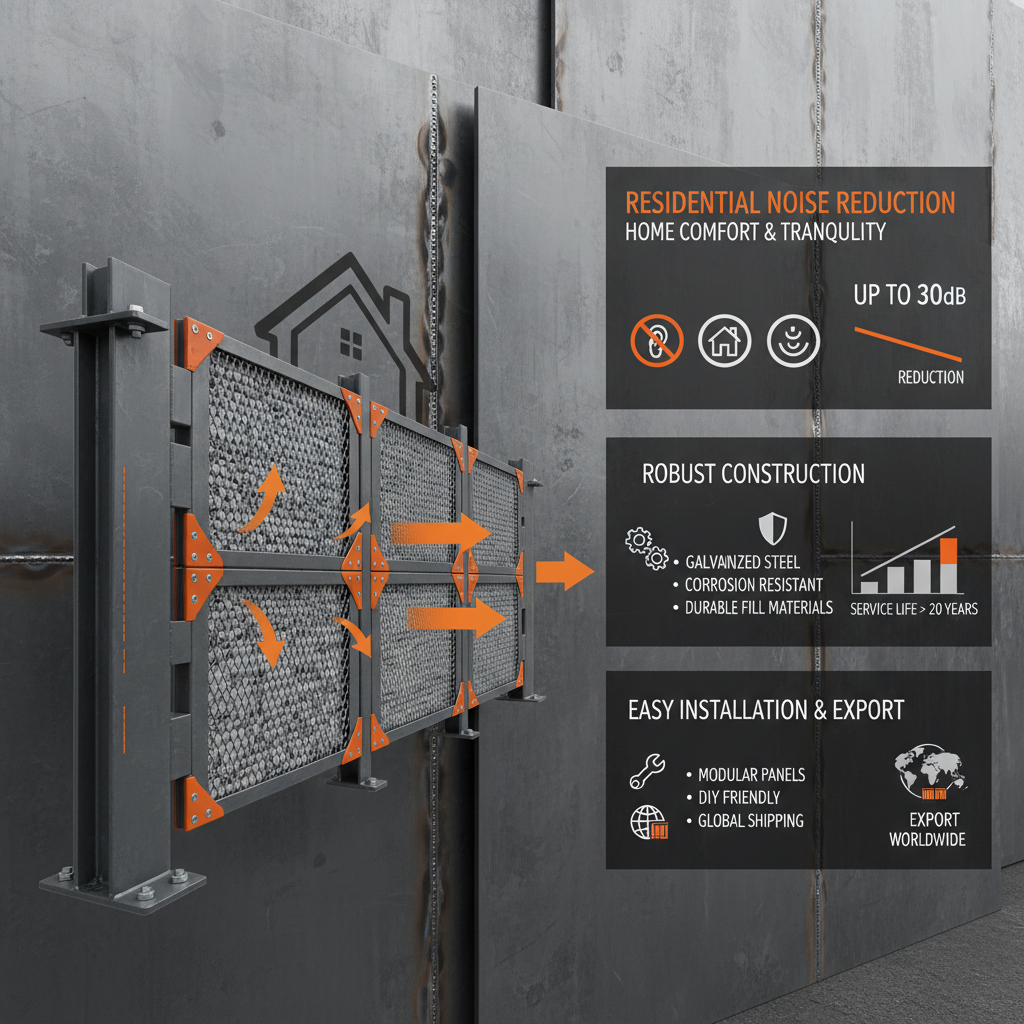
Selecting the ideal noise barrier involves assessing your specific needs and circumstances. Consider the intensity and frequency of the noise, your budget, aesthetic preferences, and local regulations. For high-frequency noise like traffic, a solid barrier is generally more effective. For low-frequency noise, a heavier, more massive barrier is required. Explore options from reputable suppliers like Fencing Wire Mesh, and consult with professionals to determine the best solution for your home. Remember, a quieter home is an investment in your well-being.
Conclusion: Reclaim Your Peace with Effective Noise Barriers
Investing in noise barriers for homes is a proactive step toward creating a more peaceful and enjoyable living environment. By carefully considering your needs and choosing the right solution, you can significantly reduce unwanted noise pollution and improve your quality of life. Don't let noise dictate your comfort – take control and reclaim your peace.
Frequently Asked Questions (FAQs)
What is the minimum height required for an effective noise barrier?
The minimum height depends on the distance between the noise source and your property, as well as the frequency of the noise. Generally, a barrier should be tall enough to break the direct line of sight to the noise source. For most residential applications, a height of at least 6 feet (1.8 meters) is recommended. However, taller barriers will provide more effective noise reduction, especially for lower-frequency sounds. Consider the angle of sound transmission and any potential reflections when determining the optimal height.
Can noise barriers be aesthetically pleasing?
Absolutely! While early noise barriers were often utilitarian in appearance, modern options offer a wide range of aesthetic choices. Acoustic panels can be customized with various colors and textures, blending seamlessly with your landscape. Wood fences can be stained or painted to match your home’s exterior. Even concrete barriers can be faced with attractive materials. Wire mesh noise barriers offer a sleek and modern look. You don't have to sacrifice aesthetics for noise reduction.
Do local regulations restrict the height or type of noise barriers I can install?
Yes, many municipalities have regulations governing the height, materials, and placement of fences and other structures, including noise barriers. Before starting any installation, it’s crucial to check with your local planning department to ensure compliance with zoning ordinances and building codes. Failure to do so could result in fines or the need to remove the barrier. Regulations often vary depending on property location and the intended purpose of the barrier.
Are there any maintenance requirements for noise barriers?
Maintenance requirements depend on the type of barrier. Wood fences may require periodic staining or sealing to protect against weathering. Concrete barriers may need occasional cleaning. Acoustic panels should be inspected for damage and repaired as needed. Wire mesh barriers may require cleaning to remove dirt and debris. Regular inspection and maintenance will help ensure the long-term effectiveness and appearance of your noise barrier.