
What Are Sound Barriers and Why Are They Important?
In today's increasingly noisy world, minimizing sound pollution is crucial for both health and quality of life. Sound barriers, also known as noise barriers, are structures designed to reduce sound transmission. They are commonly used alongside roadways, railways, and industrial areas to protect nearby communities from excessive noise. This article will explore the types of sound barriers, their effectiveness, materials used, and applications. Understanding these barriers helps appreciate their role in creating quieter and more livable environments.
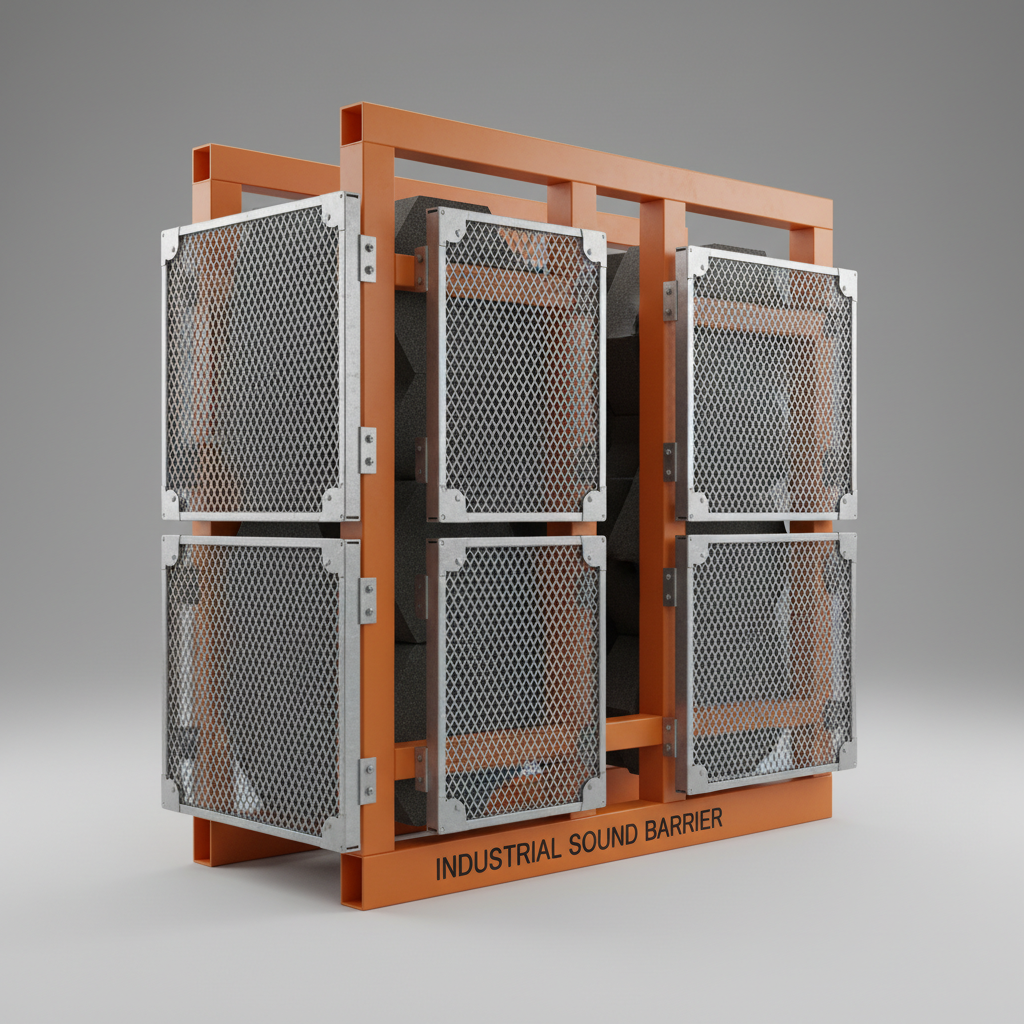
Types of Sound Barriers
Sound barriers come in various forms, each designed for specific applications and levels of noise reduction. The most common types include: Solid Walls – often constructed from concrete, masonry, or wood, these offer a substantial barrier to sound transmission. Earth Berms – naturally occurring or constructed mounds of earth that effectively absorb and deflect sound. Combination Walls – incorporating elements of both solid walls and earth berms for enhanced performance. Vegetative Barriers – while less effective than solid structures, dense vegetation can offer some noise reduction, particularly for higher frequencies. The choice of barrier type depends on factors like the noise source, distance to receptors, budget constraints, and aesthetic considerations.
Key Considerations: The effectiveness of a sound barrier depends on its height, length, and material density. Gaps or imperfections in the barrier can significantly reduce its performance.
Materials Used in Sound Barrier Construction
The materials used in constructing sound barriers significantly impact their effectiveness, durability, and cost. Common materials include: Concrete – a dense and durable material offering excellent sound attenuation. Masonry – brick or block construction provides good noise reduction, though generally less effective than concrete. Wood – a cost-effective option, but requires regular maintenance and offers lower sound isolation. Steel – often used in combination with other materials for structural support and enhanced soundproofing. Plastic/Composite Materials – increasingly popular due to their lightweight nature, durability, and sound-absorbing properties. Choosing the right material involves balancing performance, cost, and environmental factors.
Material Properties for Sound Attenuation:
• Density: Higher density materials generally block sound more effectively.
• Mass: Greater mass provides better sound isolation.
• Sound Absorption Coefficient: Indicates how well a material absorbs sound energy.
Effectiveness of Sound Barriers: Key Factors
The effectiveness of a sound barrier is measured in decibels (dB) of noise reduction. Several factors influence this reduction: Height of the barrier – taller barriers provide greater noise reduction, especially for low-frequency sounds. Length of the barrier – the barrier must be long enough to adequately shield the affected area. Distance from the noise source – the further the barrier is from the source, the less effective it will be. Sound wavelength – low-frequency sounds require taller barriers than high-frequency sounds. Ground absorption – the type of ground surface between the source and the barrier affects sound transmission. Properly designed and installed sound barriers can reduce noise levels by 5-20 dB, significantly improving the quality of life for nearby residents.
Applications of Sound Barriers
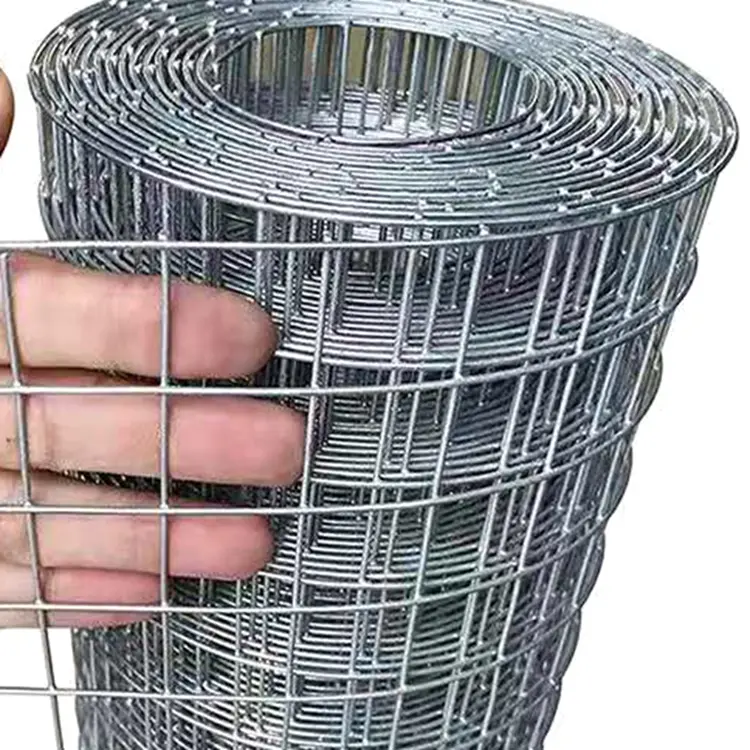
Sound barriers find applications in a wide range of settings: Highways and Roads – reducing traffic noise for nearby communities. Railways – mitigating noise from trains. Industrial Facilities – minimizing noise pollution from machinery and operations. Commercial Buildings – creating quieter environments for occupants and neighbors. Residential Areas – shielding homes from external noise sources. Fencing Wire Mesh provides a range of solutions suitable for sound barrier construction, including welded wire mesh panels and specialized noise reduction materials.
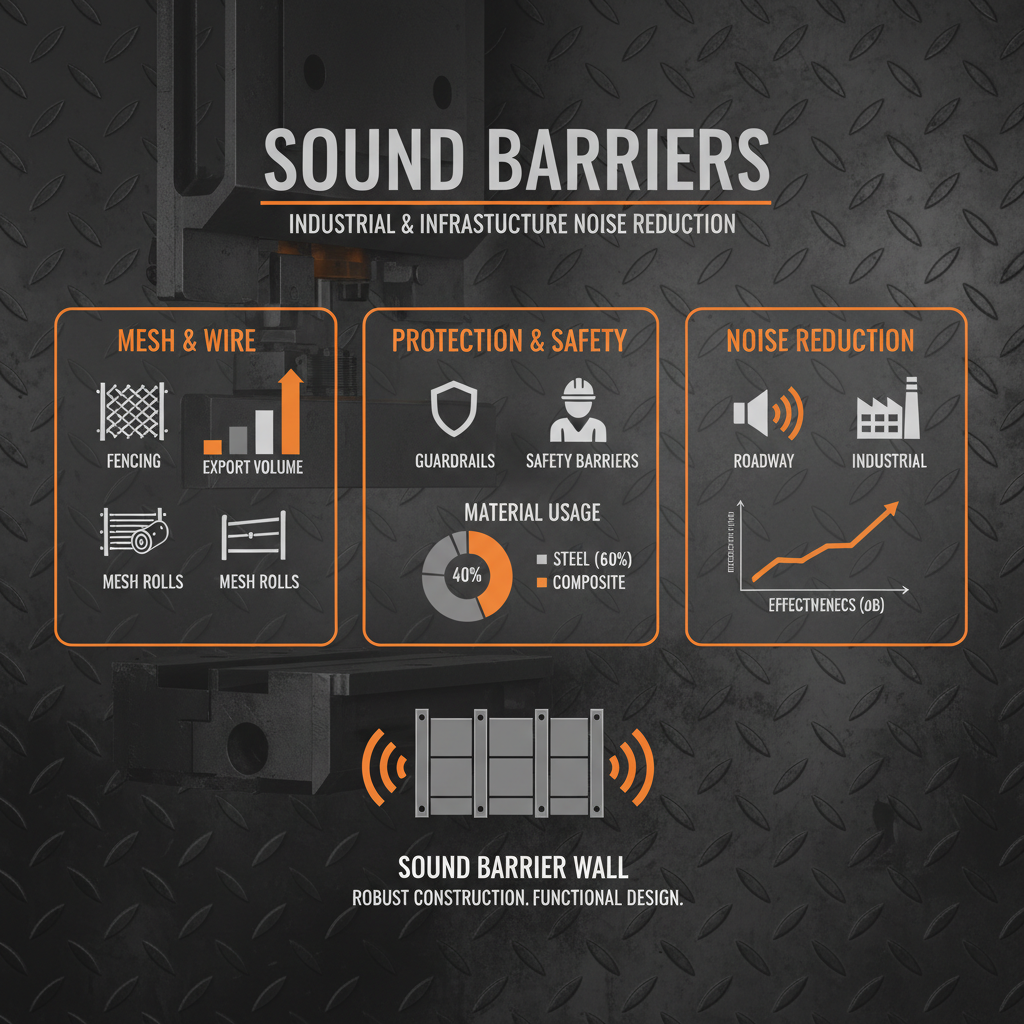
Future Trends in Sound Barrier Technology
Innovation in sound barrier technology continues to drive improvements in effectiveness and aesthetics. Emerging trends include: Green Sound Barriers – incorporating vegetation and sustainable materials for environmental benefits. Active Noise Control – using sound-canceling technology to neutralize noise. Modular Sound Barriers – pre-fabricated panels for faster and more cost-effective installation. Smart Sound Barriers – integrating sensors and data analytics to optimize performance. These advancements promise to deliver even more effective and sustainable solutions for noise pollution control.
Conclusion: Creating Quieter Environments
Sound barriers play a vital role in protecting communities from the harmful effects of noise pollution. By understanding the different types, materials, and factors influencing their effectiveness, we can create quieter and more livable environments for all. Fencing Wire Mesh is dedicated to providing high-quality sound barrier solutions to meet your specific needs.
Frequently Asked Questions (FAQs)
What is the typical lifespan of a concrete sound barrier?
A well-maintained concrete sound barrier can last for 50 years or more. However, factors like exposure to weather, de-icing salts, and physical impact can affect its lifespan. Regular inspections are crucial to identify and address any cracks, spalling, or other damage. Protective coatings can also be applied to enhance durability and extend its service life. Proper construction techniques and high-quality materials are essential for maximizing the longevity of a concrete barrier.
How much does a sound barrier typically cost?
The cost of a sound barrier varies significantly depending on factors such as the length, height, materials used, site conditions, and labor costs. Generally, costs can range from $20 to $100 or more per square foot. Earth berms are typically the least expensive option, while concrete walls are the most expensive. Factors like permitting, land acquisition, and environmental mitigation can also add to the overall cost. Obtaining multiple quotes from experienced contractors is recommended to ensure competitive pricing.
Are there any aesthetic considerations when building a sound barrier?
Yes, aesthetic considerations are often important, especially in residential areas. Sound barriers can be designed to blend into the surrounding environment through the use of architectural features, landscaping, and decorative finishes. Materials like textured concrete, wood cladding, and vegetation can enhance the visual appeal of the barrier. Community input is often sought during the design process to ensure the barrier is aesthetically acceptable to local residents.
What regulations govern the construction of sound barriers?
Sound barrier construction is typically governed by local, state, and federal regulations. These regulations may address noise standards, environmental impacts, permitting requirements, and construction safety. Compliance with these regulations is essential to ensure the barrier is legally permissible and environmentally sound. Working with experienced engineers and contractors who are familiar with local regulations is highly recommended.