
Understanding Noise Barriers Suppliers: A Comprehensive Guide
In today's increasingly noisy world, effective noise control is crucial for maintaining health, safety, and quality of life. Noise barriers play a vital role in mitigating noise pollution from various sources like highways, industrial sites, and construction zones. Finding reliable noise barriers suppliers is therefore paramount. This article will explore the key considerations when selecting a supplier, the types of noise barriers available, and the benefits of investing in effective noise control solutions. We'll also discuss factors influencing cost and quality, helping you make an informed decision.
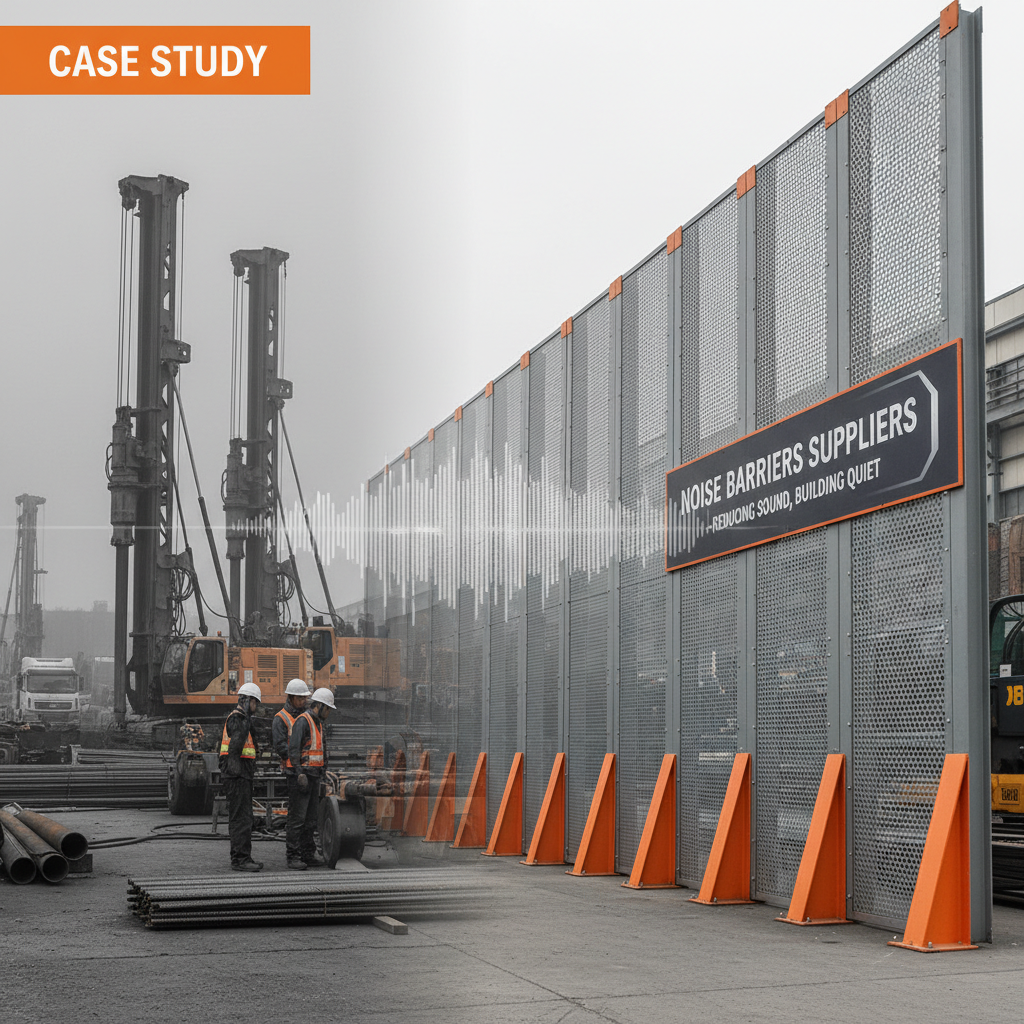
What to Look for in Noise Barriers Suppliers
Choosing the right supplier is more than just finding the lowest price. Several factors contribute to a successful partnership. Firstly, experience is crucial. A supplier with a proven track record demonstrates reliability and expertise. Secondly, assess their product range. Do they offer a variety of noise barrier types to meet diverse needs? Thirdly, inquire about customization options. Can they tailor solutions to your specific project requirements? Finally, consider their commitment to quality control and adherence to industry standards. Look for certifications and testimonials to validate their claims. A reputable noise barrier supplier will prioritize these aspects, ensuring a durable and effective solution.
Key Considerations: Experience, Product Range, Customization Options, Quality Control, Industry Standards.
Types of Noise Barriers Available from Suppliers
Noise barriers suppliers offer a range of products, each suited for different applications and noise reduction requirements. Common types include:
- Concrete Barriers: Durable and effective for high-noise environments, often used along highways.
- Wood Barriers: A more aesthetically pleasing option, often used in residential areas.
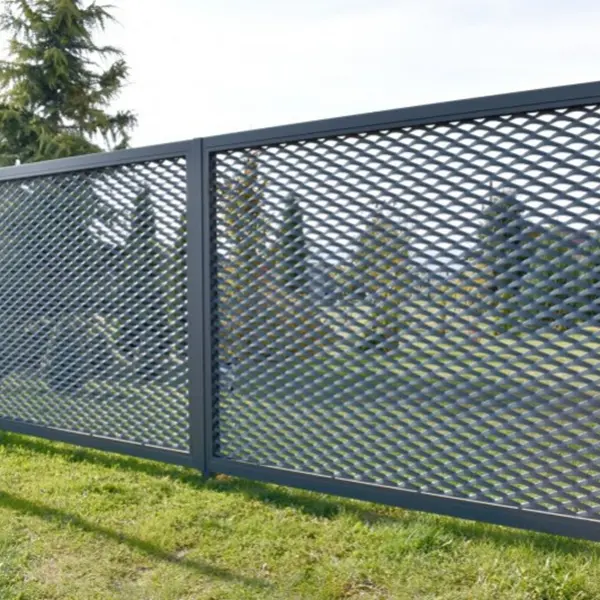
- Metal Barriers: Lightweight and easy to install, suitable for temporary or portable solutions.
- Earth Berms: Natural barriers constructed from soil, offering good noise reduction.
- Composite Barriers: Utilizing a combination of materials for optimized performance and aesthetics.
The best choice depends on factors like noise levels, budget, visual impact, and site conditions. Experienced suppliers can provide guidance in selecting the most appropriate type for your project. Fencing Wire Mesh offers a diverse portfolio of noise control solutions.
Choosing the Right Barrier:
• Consider noise levels and desired reduction.
• Evaluate budget and long-term costs.
• Assess visual impact and aesthetic requirements.
• Factor in site conditions and installation feasibility.
Comparing Noise Barrier Materials: Performance and Cost
Different materials offer varying levels of noise reduction and come with different price points. Understanding these differences is crucial when selecting a noise barriers supplier. Here’s a comparison:
The Importance of Customization with Noise Barriers Suppliers
Every project is unique. A one-size-fits-all approach rarely delivers optimal results. That’s why working with noise barriers suppliers who offer customization options is vital. This includes adjusting barrier height, length, and material to suit specific noise levels and site constraints. Furthermore, consider aesthetic customization – color, texture, and even landscaping integration can enhance the visual appeal of the barrier. A flexible supplier can collaborate with you to create a solution that effectively reduces noise while seamlessly blending into the surrounding environment.
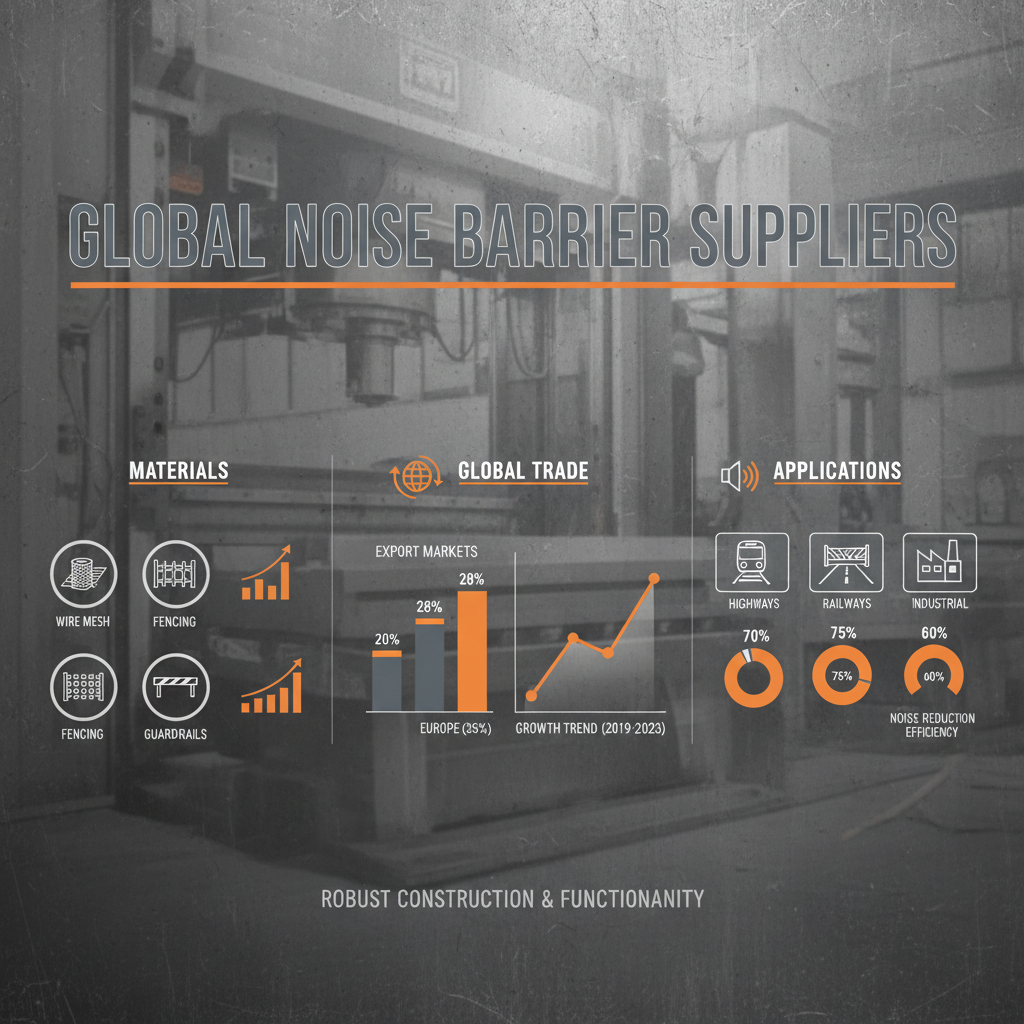
Future Trends in Noise Barrier Technology
The field of noise control is continually evolving. Current trends include the development of more sustainable materials, such as recycled plastics and bio-based composites. Researchers are also exploring innovative designs that maximize noise reduction efficiency while minimizing visual impact. Smart noise barriers, equipped with sensors and automated adjustments, are also emerging as a promising technology. Staying informed about these advancements and partnering with forward-thinking noise barriers suppliers will ensure you have access to the most effective and cutting-edge solutions.
Conclusion: Investing in a Quieter Future
Choosing the right noise barriers supplier is a crucial investment in the health, safety, and well-being of your community. By carefully considering factors like experience, product range, customization options, and quality control, you can find a partner who delivers effective, durable, and aesthetically pleasing noise control solutions. Don’t compromise on quality – prioritize a quieter future.
Frequently Asked Questions (FAQs)
What factors influence the cost of noise barriers?
Several factors impact the cost, including the material chosen (concrete being generally more expensive than wood or metal), the height and length of the barrier, the complexity of the installation, and any required customization. Site conditions, such as accessibility and ground preparation, also contribute. Additionally, transportation costs and permitting fees can add to the overall expense. Obtaining detailed quotes from multiple suppliers is essential for accurate budgeting.
How effective are noise barriers at reducing noise pollution?
Noise barriers can significantly reduce noise pollution, typically achieving noise reductions of 5-20 decibels (dB). The effectiveness depends on factors such as the height and length of the barrier, the distance between the noise source and the barrier, and the frequency of the noise. Higher barriers and closer proximity to the noise source generally result in greater noise reduction. Proper installation and sealing of gaps are also crucial.
What permits are typically required for installing noise barriers?
Permitting requirements vary depending on the location and the scope of the project. Generally, local building permits are required, and in some cases, environmental permits may also be necessary. It's essential to check with your local planning and zoning department to determine the specific permits required before starting installation. Some areas may have regulations regarding barrier height, materials, and aesthetic considerations.
What maintenance is required for noise barriers?
Maintenance requirements vary depending on the barrier material. Wood barriers typically require periodic staining or sealing to protect against weather damage. Metal barriers may need occasional cleaning and rust prevention treatments. Concrete barriers are generally low-maintenance but may require repair of cracks or chips. Regular inspections are recommended to identify and address any potential issues promptly.