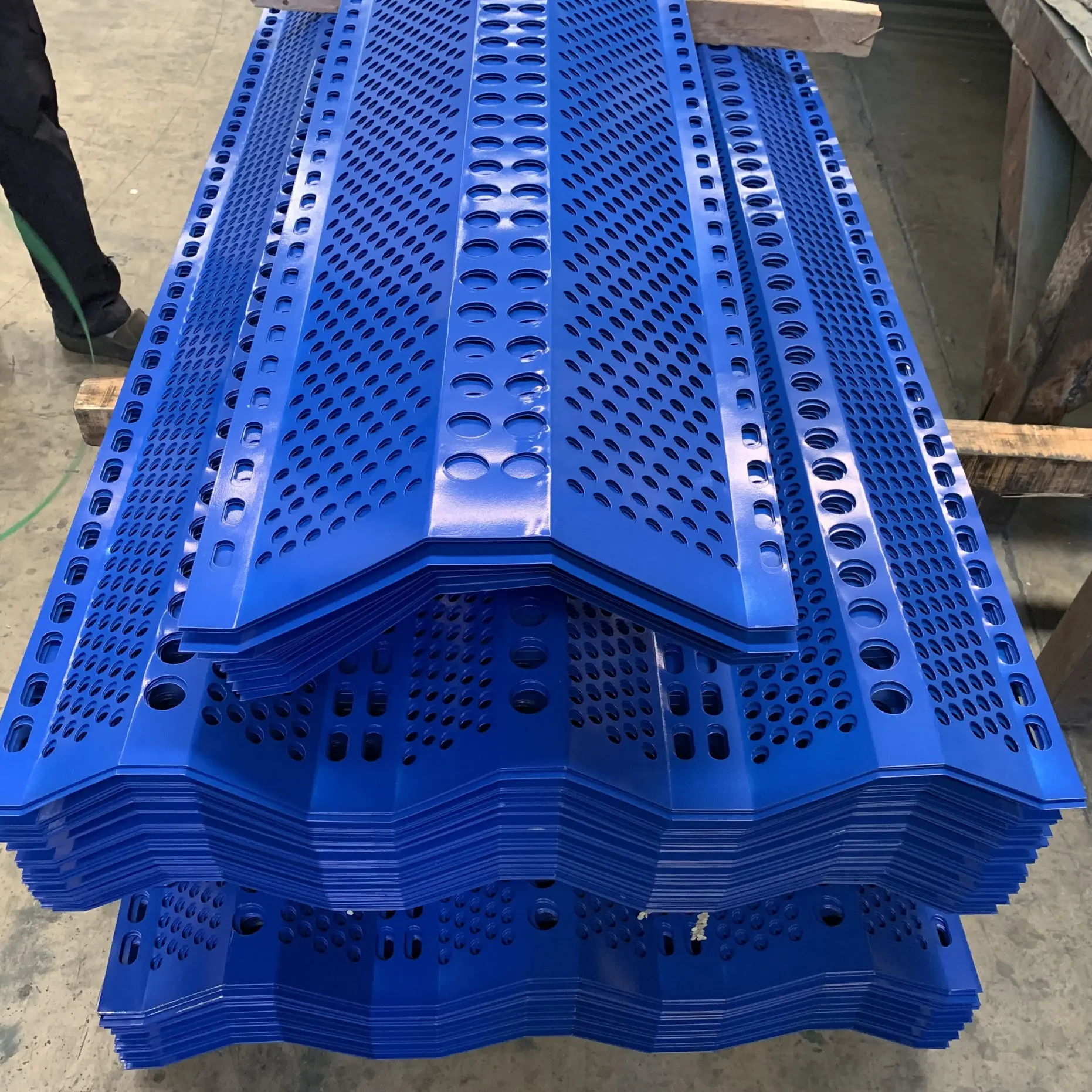

Understanding the Benefits of a Wind Break Fence
Protecting your property, crops, or livestock from harsh winds is crucial, and a wind break fence is an effective solution. This article will explore the benefits of wind break fences, different types available, installation considerations, and how to choose the right fence for your specific needs. Effective windbreaks can significantly reduce wind speed, preventing erosion, safeguarding valuable assets, and creating a more comfortable environment. Learn how FencingWireMesh.com can help you with your windbreak solutions.
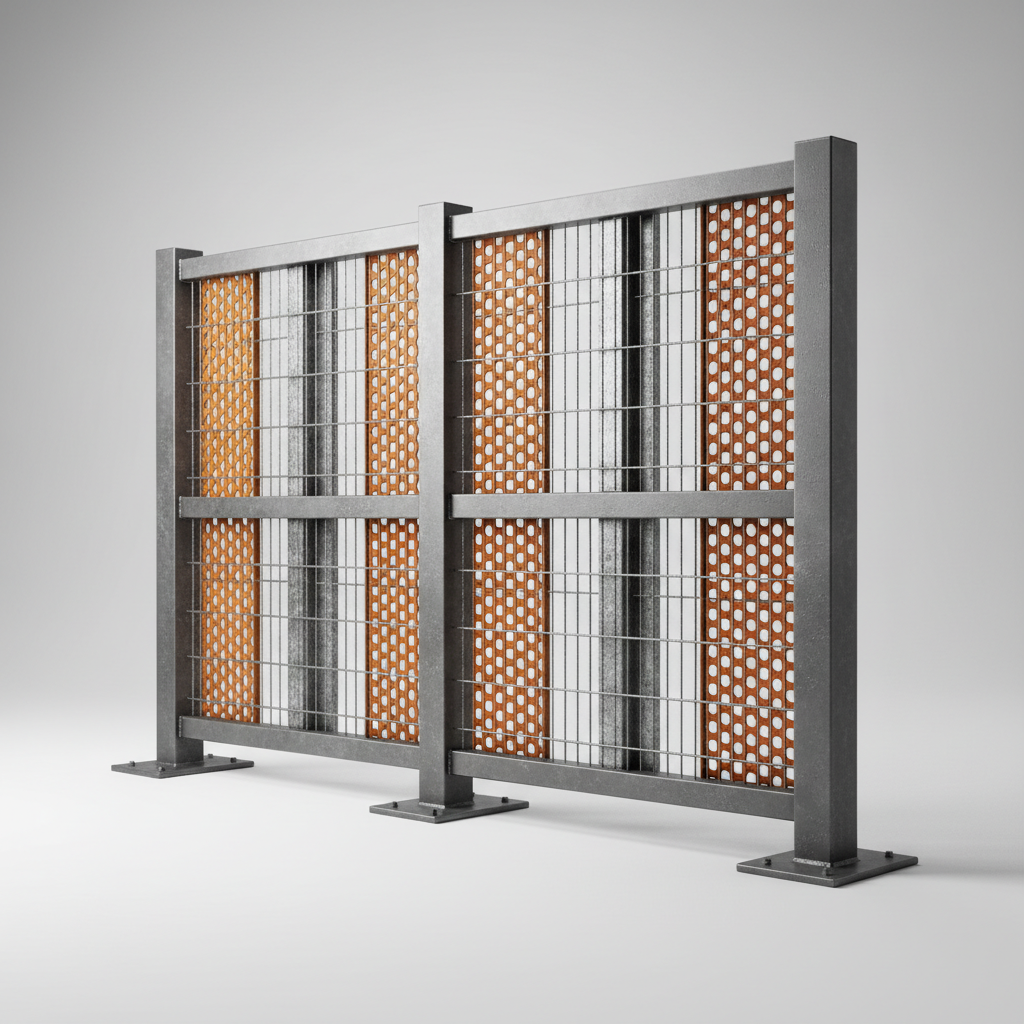
The Core Benefits of Installing a Wind Break Fence
A well-designed wind break fence provides a multitude of advantages. It reduces wind velocity, diminishing soil erosion and protecting crops from windburn. For livestock, a wind break provides shelter from cold winds, reducing stress and improving overall health and weight gain. Around buildings, a wind break can lower heating costs by blocking cold winds and reducing drafts. Furthermore, a strategically placed wind break can create microclimates, supporting beneficial insect populations and enhancing plant growth. Investing in a wind break fence is an investment in the long-term health and productivity of your property.
Key Highlights: Reduces wind velocity, protects crops and livestock, lowers heating costs, minimizes soil erosion, and creates beneficial microclimates.
Types of Wind Break Fences: Choosing the Right Solution
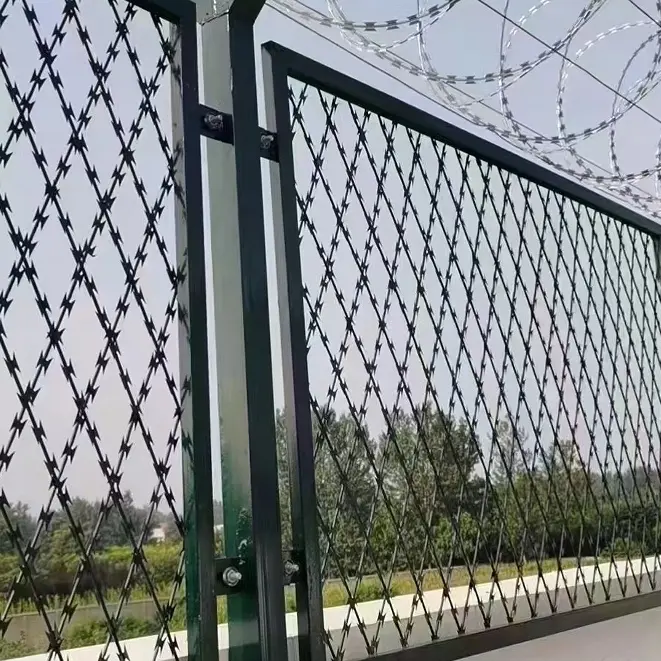
Several types of wind break fences are available, each with unique characteristics and suitability for different applications. Solid fences, constructed from wood or metal, offer maximum wind blockage but can create turbulence. Slatted fences, with gaps between boards, reduce turbulence while still providing significant wind reduction. Living windbreaks, utilizing rows of trees or shrubs, are environmentally friendly and offer aesthetic appeal, though they require time to mature. Woven wire fences, often used for livestock, can also provide a degree of wind protection when combined with other materials. Selecting the appropriate type depends on your specific requirements, budget, and landscape.
Wind Break Fence Options:
• Solid Fences (Wood, Metal)
• Slatted Fences
• Living Windbreaks (Trees, Shrubs)
• Woven Wire Fences
Wind Break Fence Comparison: Materials and Effectiveness
Different materials offer varying degrees of wind protection and durability. Wood fences are aesthetically pleasing but require regular maintenance. Metal fences are more durable but can be more expensive. Woven wire fences are cost-effective for livestock but offer limited wind blockage on their own. The effectiveness of a wind break also depends on its height, length, and density. Generally, a wind break should be at least 100 feet long to provide significant protection. The height should be sufficient to deflect wind down to ground level. Consider your specific needs and budget when comparing materials and configurations.
Installation Considerations for Your Wind Break Fence
Proper installation is critical for a wind break fence’s effectiveness and longevity. Posts should be firmly anchored in the ground to withstand wind pressure. The spacing between posts depends on the materials used and the anticipated wind load. Ensure the fence is level and aligned to maximize wind deflection. For living windbreaks, proper planting and ongoing maintenance are essential. When installing a wind break fence, consider local building codes and regulations.
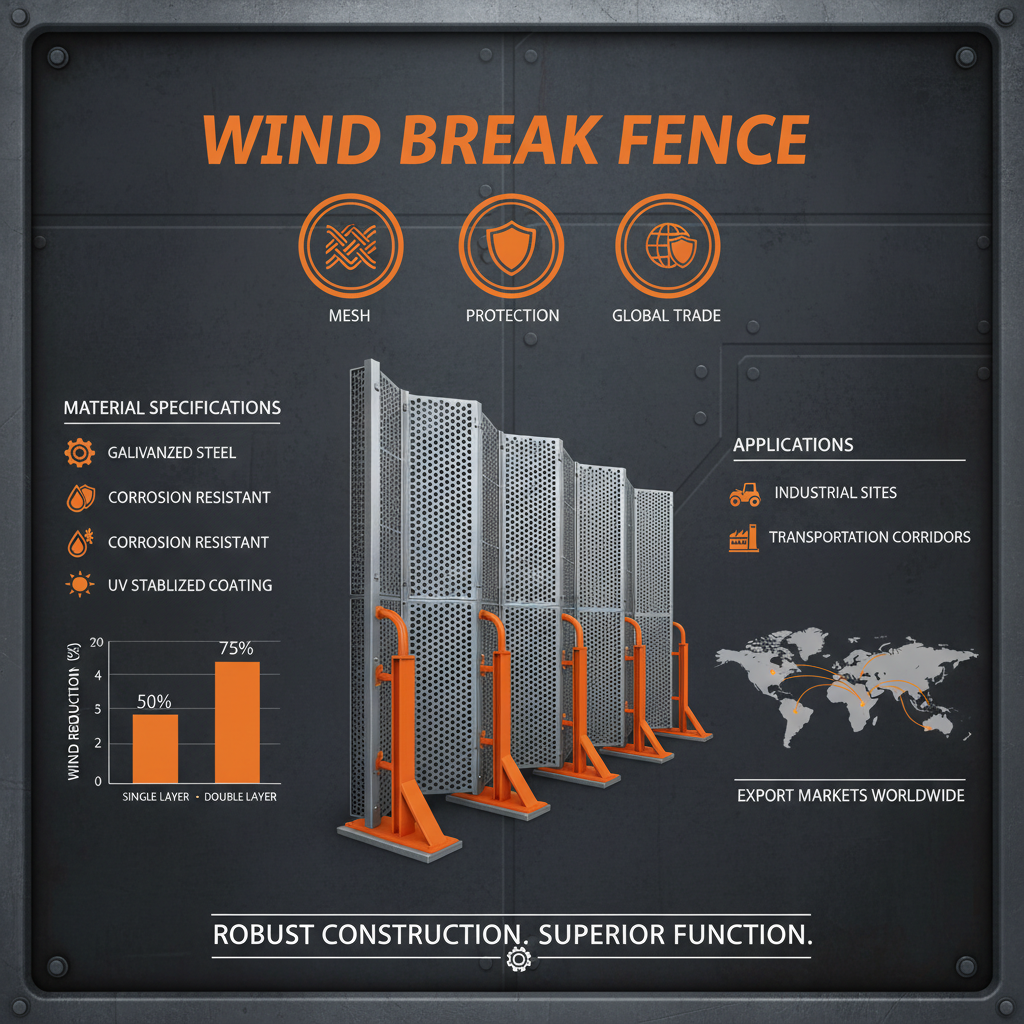
Finding the Right Wind Break Fence Solution at FencingWireMesh.com
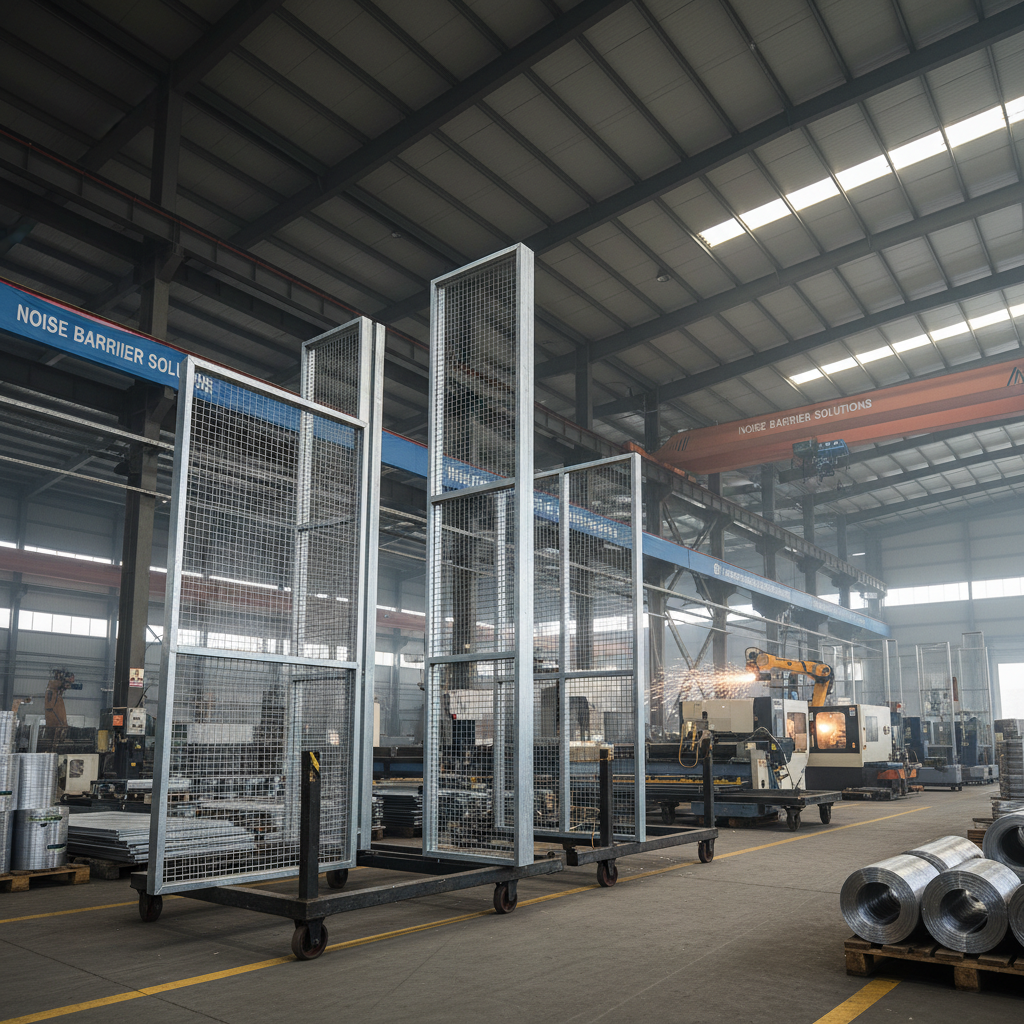
At FencingWireMesh.com, we offer a wide selection of high-quality fencing materials suitable for constructing effective wind break fences. Our knowledgeable team can help you choose the right materials and configurations for your specific needs. We provide durable and reliable solutions to protect your property and assets from the damaging effects of wind. Browse our selection today and experience the difference!
Conclusion: Investing in a Wind Break Fence for Long-Term Protection
A wind break fence is a smart investment for anyone looking to protect their property, crops, or livestock from the damaging effects of wind. With the right materials and installation, a wind break can provide years of reliable protection and enhance the overall value of your land. Explore the options available at FencingWireMesh.com and find the perfect solution for your needs.
Frequently Asked Questions (FAQs)
How far from my crops should I install a wind break fence?
Ideally, a wind break should be planted or installed at a distance of 2-5 times the mature height of the trees or fence. Too close, and you might experience wind tunneling, where wind speeds increase as it passes through gaps. Too far, and the protection is diminished. For example, if your mature trees will be 20 feet tall, the windbreak should be located 40-100 feet from your crops. This ensures optimal wind reduction across the widest area.
What height of wind break fence is most effective?
The most effective height for a wind break depends on the area you need to protect. Generally, a wind break should be at least half the height of the objects you're trying to protect. For broader protection, a height equal to the height of the objects is preferable. However, taller fences can be more expensive and may require stronger support structures. Consider the surrounding landscape and potential wind patterns when determining the ideal height.
Can a wind break fence help with snow management?
Yes, a wind break fence can significantly aid in snow management. By reducing wind speed, it allows snow to drift more evenly, preventing large drifts that can block roads or bury structures. Strategically placed wind breaks can trap snow in fields, providing valuable moisture for crops. However, it's important to consider the prevailing wind direction and position the fence accordingly to maximize its snow-control benefits.