
Effective Noise Barrier Solutions for a Quieter Environment
In today’s increasingly noisy world, the need for effective noise barrier solutions is more crucial than ever. Whether it's mitigating traffic noise, industrial sounds, or construction clamor, reducing noise pollution is vital for health, well-being, and productivity. This article will explore various noise barrier options, their applications, and factors to consider when choosing the right solution. We'll delve into the technologies used and how they contribute to creating quieter and more peaceful environments.
Understanding Noise Barriers: How They Work
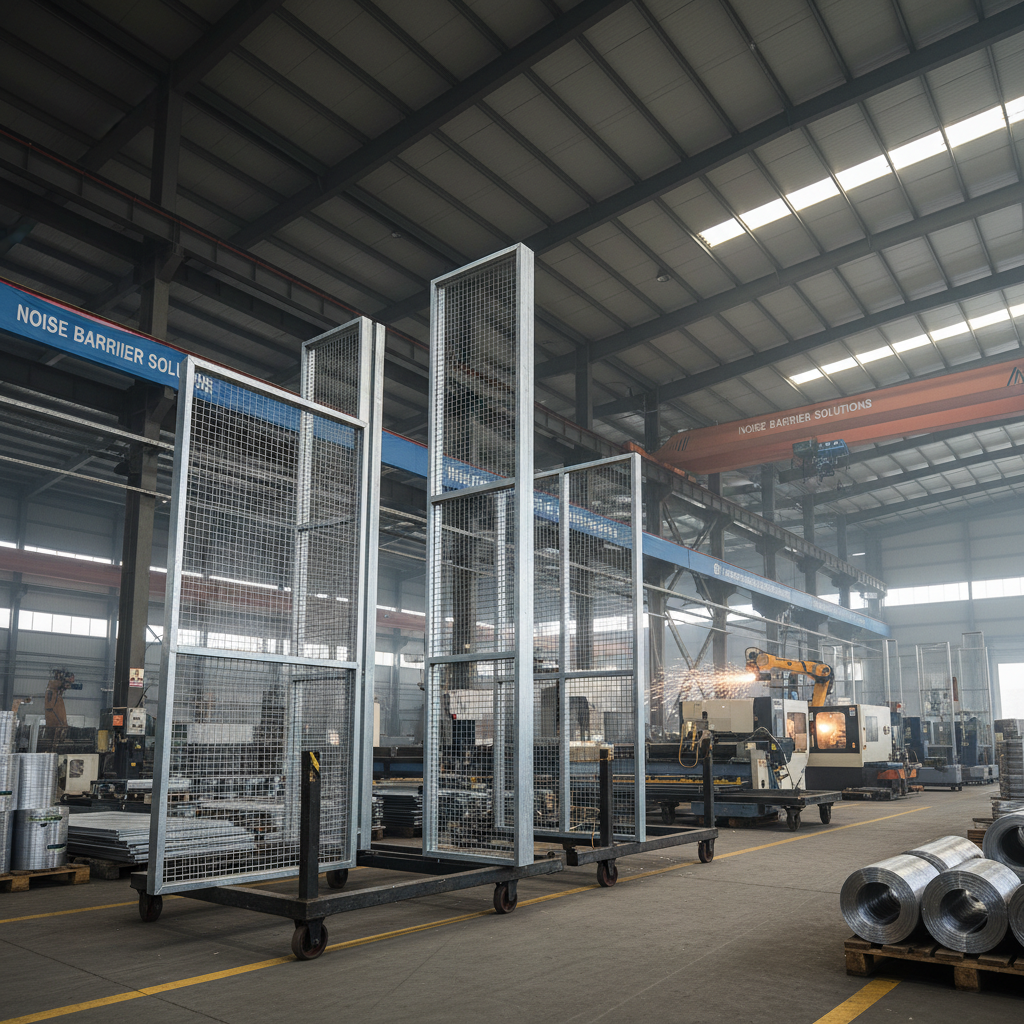
Noise barriers function by blocking or deflecting sound waves. The effectiveness of a barrier depends on its height, length, density, and material. Generally, taller and denser barriers provide greater noise reduction. There are three primary ways noise barriers work: blocking, absorption, and deflection. Blocking relies on the mass of the material to stop sound transmission. Absorption utilizes porous materials to dissipate sound energy as heat. Deflection redirects sound waves around the barrier. A combination of these principles is often used to achieve optimal results. Choosing the right noise barrier requires a comprehensive understanding of the specific noise source and the desired level of reduction.
Key Principles: Noise barriers work by blocking, absorbing, and deflecting sound waves. Their effectiveness depends on height, length, density, and material.
Types of Noise Barrier Solutions
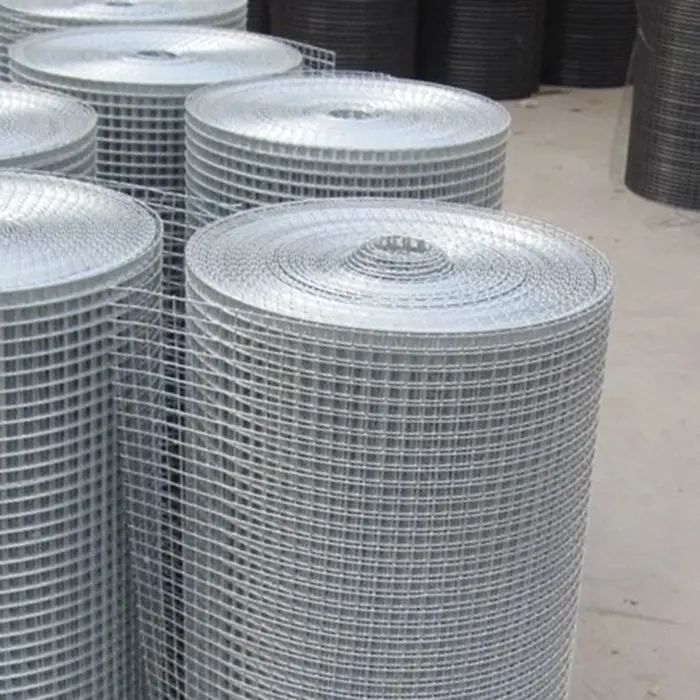
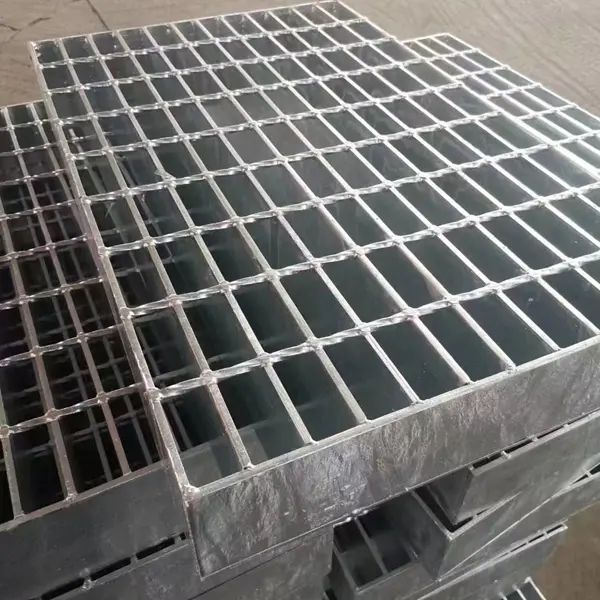
Several types of noise barriers are available, each suited to different applications. Common options include concrete walls, earth berms, wooden fences, and specialized acoustic panels. Concrete walls are highly effective due to their mass but can be visually intrusive. Earth berms are a natural solution, blending into the landscape, but require significant space. Wooden fences offer a more aesthetic appeal but provide less noise reduction than concrete. Acoustic panels, often made from recycled materials, are lightweight and versatile, ideal for temporary or indoor applications. Fencing wire mesh can also be incorporated into noise barrier systems, providing a cost-effective and durable solution.
Noise Barrier Types:
• Concrete Walls: High effectiveness, visually intrusive.
• Earth Berms: Natural, requires significant space.
• Wooden Fences: Aesthetic appeal, lower noise reduction.
• Acoustic Panels: Lightweight, versatile.
Noise Barrier Solutions: Comparing Material Performance
Different materials offer varying levels of noise reduction. The Sound Transmission Class (STC) rating measures a material's ability to block sound. Higher STC values indicate better noise reduction. Consider the specific noise frequencies you need to block when selecting a material. Low-frequency sounds require denser materials, while high-frequency sounds can be mitigated with lighter, absorbent materials. A well-designed noise barrier combines different materials to address a broader range of frequencies.
Applications of Noise Barriers in Different Sectors
Noise barriers find applications in a wide range of sectors. In transportation, they are crucial for mitigating highway and railway noise impacting residential areas. Industrial facilities utilize barriers to protect workers and neighboring communities from machinery noise. Construction sites employ temporary barriers to minimize disturbance during operations. Residential developments increasingly incorporate noise barriers to enhance privacy and create peaceful living environments. Selecting the appropriate noise barrier solution requires careful consideration of the specific environment and noise characteristics.
Choosing the Right Noise Barrier: Key Considerations
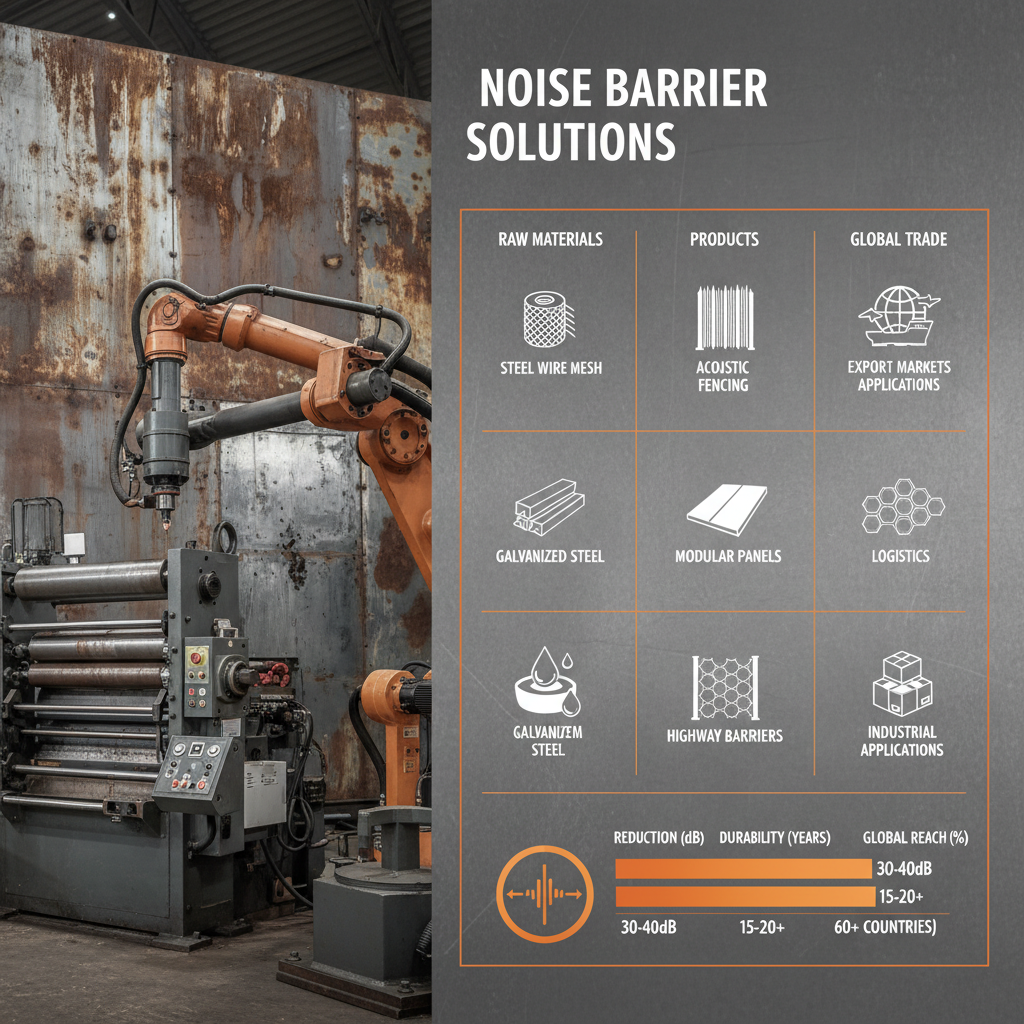
Selecting the optimal noise barrier involves evaluating several factors. The frequency and intensity of the noise source are critical. Site constraints, such as available space and aesthetic requirements, must also be considered. Budgetary limitations will influence material choices. Local regulations and permitting requirements may dictate specific barrier designs. Professional acoustic consultants can provide valuable insights and recommendations to ensure the selected solution effectively addresses the noise problem. Ultimately, the goal is to create a quieter, healthier, and more productive environment.
Conclusion: Invest in a Quieter Future
Effective noise barrier solutions are essential for creating healthier and more productive environments. By understanding the principles of noise reduction and carefully considering the available options, you can mitigate noise pollution and improve quality of life. Don't underestimate the importance of investing in a quieter future.
Frequently Asked Questions (FAQs)
What is the typical lifespan of a noise barrier?
The lifespan of a noise barrier varies depending on the material and environmental conditions. Concrete barriers can last for 50 years or more with minimal maintenance. Wooden barriers typically last 15-20 years, while acoustic panels may have a lifespan of 10-15 years. Regular inspections and maintenance, such as repairing cracks or replacing damaged sections, can extend the lifespan of any noise barrier. Factors like UV exposure, moisture, and vandalism can also impact longevity.
Are noise barriers effective in reducing low-frequency noise?
Low-frequency noise is more challenging to block than high-frequency noise because it has longer wavelengths. While noise barriers can reduce low-frequency noise, they typically require greater mass and height to be effective. Concrete barriers are generally better at blocking low frequencies than lighter materials like wood or acoustic panels. Combining a barrier with earth berms or other ground-level obstructions can further enhance low-frequency noise reduction.
Do noise barriers require permits or approvals?
Yes, in most jurisdictions, noise barriers require permits or approvals from local authorities. The specific requirements vary depending on the location and the height and length of the barrier. It's essential to check with your local planning and zoning department before starting any noise barrier project. Permits may be required to ensure the barrier meets safety standards, complies with aesthetic guidelines, and doesn't obstruct views or access.