
Understanding Steel Netting Fence: A Comprehensive Guide
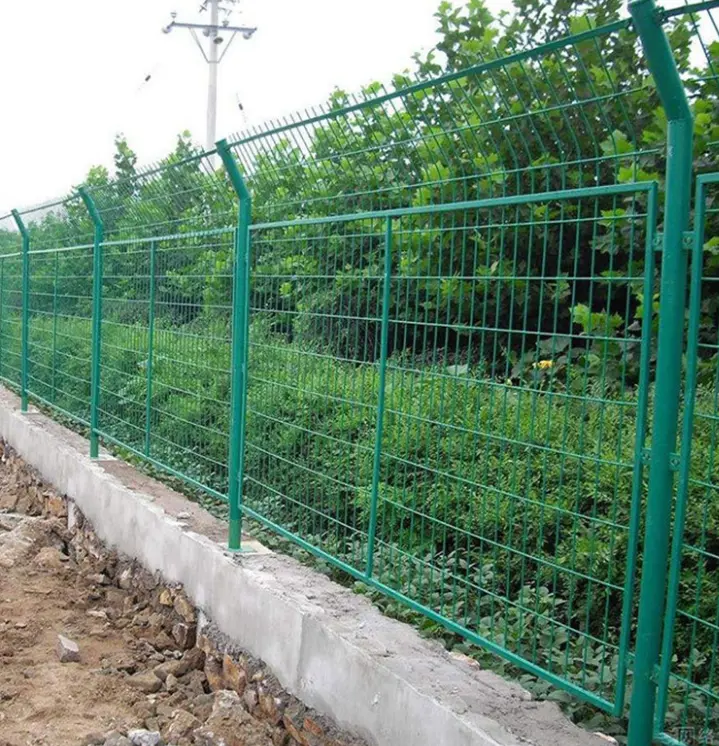
Steel netting fence, also known as welded wire mesh fencing, is a versatile and durable solution for a wide range of applications, from agricultural fencing to security perimeters. Its robust construction and adaptability make it a popular choice for both residential and commercial properties. This article will explore the benefits, applications, different types, and installation considerations of steel netting fence, providing a comprehensive overview for anyone considering this fencing option. We'll also delve into maintenance tips to ensure longevity and optimal performance.
The Benefits of Choosing Steel Netting Fence
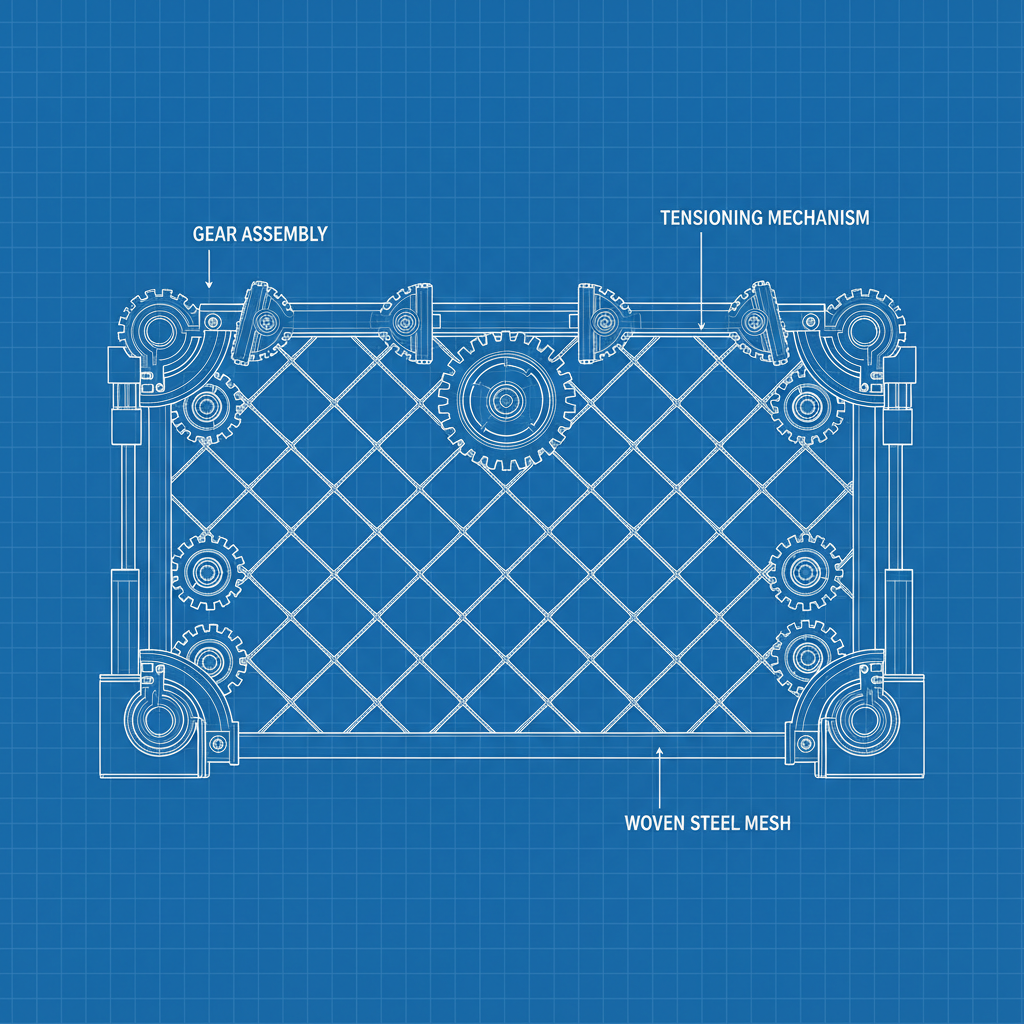
Steel netting fence offers several advantages over traditional fencing materials. Its galvanized or PVC-coated steel construction provides excellent resistance to corrosion, ensuring a long lifespan even in harsh weather conditions. The welded wire mesh design creates a strong and secure barrier, ideal for containing livestock, protecting gardens, or enhancing property security. Compared to chain-link fencing, steel netting provides a cleaner, more aesthetically pleasing appearance. Furthermore, it requires minimal maintenance, making it a cost-effective long-term solution. The ease of installation is another significant benefit, reducing labor costs and project timelines. Explore our range of steel netting fences to find the perfect fit for your needs.
Key Benefits: Corrosion resistance, durability, security, aesthetic appeal, low maintenance, and ease of installation.
Common Applications for Steel Netting Fence
The versatility of steel netting fence makes it suitable for a diverse range of applications. In agriculture, it's used to create secure paddocks for livestock, protecting animals while preventing escapes. For residential properties, it's an excellent choice for garden fencing, keeping out pests and protecting plants. Commercial applications include security fencing around industrial sites, construction zones, and storage facilities. It's also commonly used for temporary fencing during events or construction projects. Beyond these, steel netting is employed in poultry enclosures, erosion control, and even decorative landscaping projects. The adaptability in height and mesh size further expands its potential uses.
Application Examples:
• Agricultural fencing (livestock containment)
• Garden protection (pest control)
• Security perimeters (industrial sites, construction zones)
• Temporary fencing (events, construction)
Steel Netting Fence: Types and Specifications
Steel netting fence comes in various types, differing in wire gauge, mesh size, height, and coating. Common wire gauges range from 12.5 gauge to 20 gauge, with lower numbers indicating thicker, stronger wire. Mesh size, or the opening size between wires, affects the level of security and containment. Smaller mesh sizes are ideal for containing smaller animals or preventing intrusion. Heights typically range from 3 feet to 8 feet, depending on the application. Coatings, such as galvanized or PVC, provide corrosion resistance and enhance the fence's lifespan. Our team can help you choose the right specifications for your specific requirements.
Installation Considerations for Steel Netting Fence
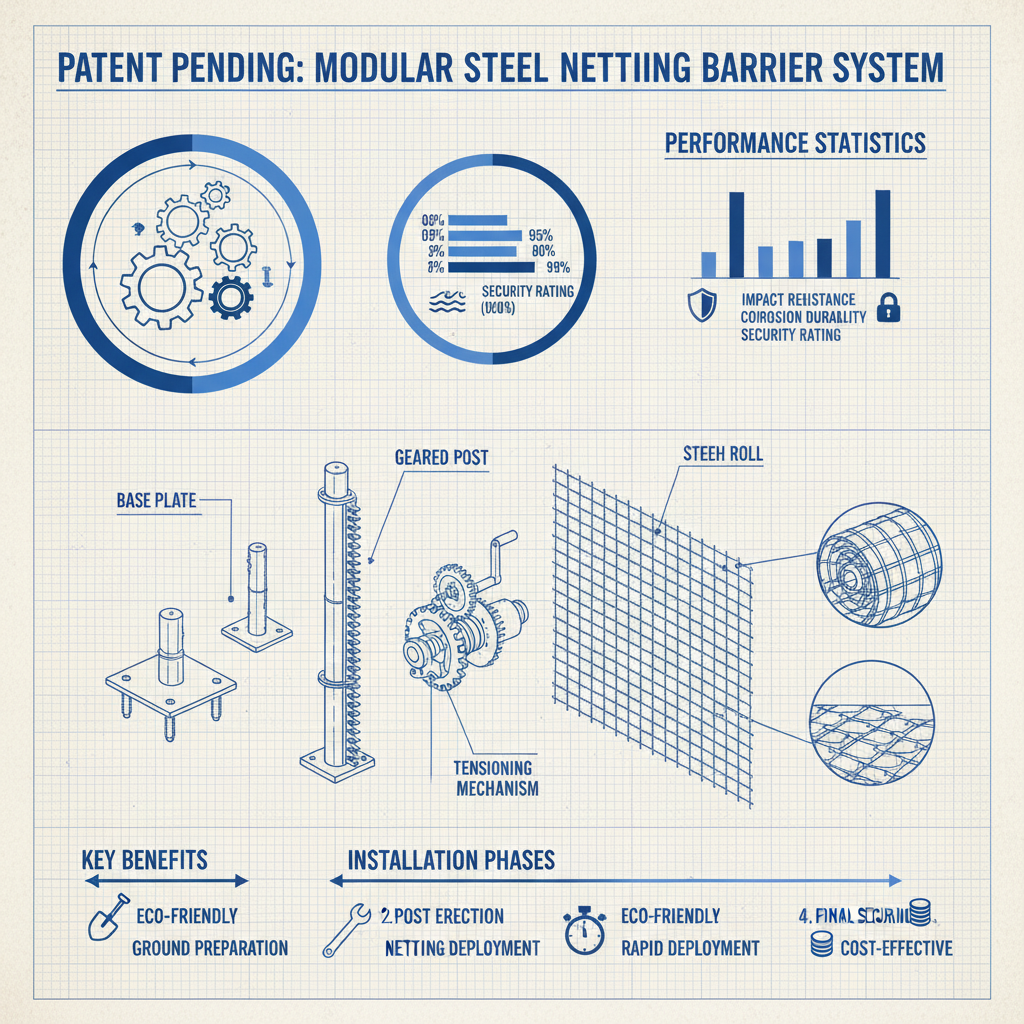
Proper installation is crucial for ensuring the longevity and effectiveness of your steel netting fence. Begin by carefully marking the fence line and setting posts at regular intervals (typically 8-10 feet apart). Use sturdy posts, such as wood or metal, and ensure they are firmly anchored in the ground. Secure the steel netting to the posts using tie wires, clips, or brackets. For increased stability, consider running a top rail along the posts. When installing on uneven terrain, adjust the height of the netting to maintain a consistent appearance. Always follow local building codes and regulations. Contact us for professional installation advice.
Maintenance and Longevity
Steel netting fence requires minimal maintenance, but regular inspections can help prolong its lifespan. Periodically check for loose tie wires or clips and repair them promptly. Remove any vegetation growing against the fence, as this can promote corrosion. If the fence is coated with PVC, inspect for any damage to the coating and touch up as needed. Clean the fence periodically with a mild detergent and water to remove dirt and debris. With proper care, a steel netting fence can provide years of reliable service.
Conclusion: A Reliable and Versatile Fencing Solution
Steel netting fence is a durable, versatile, and cost-effective fencing solution for a wide range of applications. Its robust construction, corrosion resistance, and ease of installation make it an excellent choice for agricultural, residential, and commercial properties. By understanding the different types, specifications, and installation considerations, you can choose the right fence for your needs and ensure a long-lasting, secure perimeter. Contact us today to discuss your fencing project.
Frequently Asked Questions (FAQs)
What is the typical lifespan of a steel netting fence?
The lifespan of a steel netting fence depends on several factors, including the quality of materials, the coating type, and the surrounding environment. Generally, a galvanized steel netting fence can last 15-20 years, while a PVC-coated fence can last even longer, up to 25 years or more. Regular maintenance, such as cleaning and repairing any damage, can significantly extend the fence's lifespan. Factors like saltwater exposure or harsh chemical environments can reduce longevity. Choosing a heavier gauge wire and a durable coating will also contribute to a longer lifespan.
What is the best way to prevent corrosion on a steel netting fence?
Corrosion is a primary concern with steel fencing. Choosing a fence with a durable coating, such as galvanized or PVC, is the most effective preventative measure. For galvanized fences, ensure the galvanization is thick and uniform. For PVC-coated fences, inspect for any damage to the coating and repair it promptly. Regularly cleaning the fence to remove dirt, debris, and salt buildup can also help prevent corrosion. In coastal areas or regions with high humidity, more frequent inspections and maintenance are recommended.
Can steel netting fence be used to contain aggressive animals?
Yes, steel netting fence can be used to contain aggressive animals, but the appropriate wire gauge and mesh size must be selected. For animals like cattle, horses, or goats, a heavier gauge wire (12.5 or 14) and a smaller mesh size (2" x 1" or 2" x 2") are recommended. For smaller animals, such as sheep or poultry, an even smaller mesh size is necessary. Reinforcing the bottom of the fence with additional wire or a concrete footing can prevent animals from digging underneath. Proper installation and sturdy posts are also critical for containing aggressive animals.