
Steel Mesh for Trailer: A Comprehensive Guide
When securing cargo for transport, the right materials are essential. Steel mesh for trailers offers a robust and versatile solution for a wide range of applications. This article provides a detailed overview of its benefits, uses, specifications, and considerations for choosing the right mesh for your needs. Understanding the strengths and characteristics of steel mesh is crucial for ensuring safe and compliant transportation of goods.
Understanding the Benefits of Steel Mesh
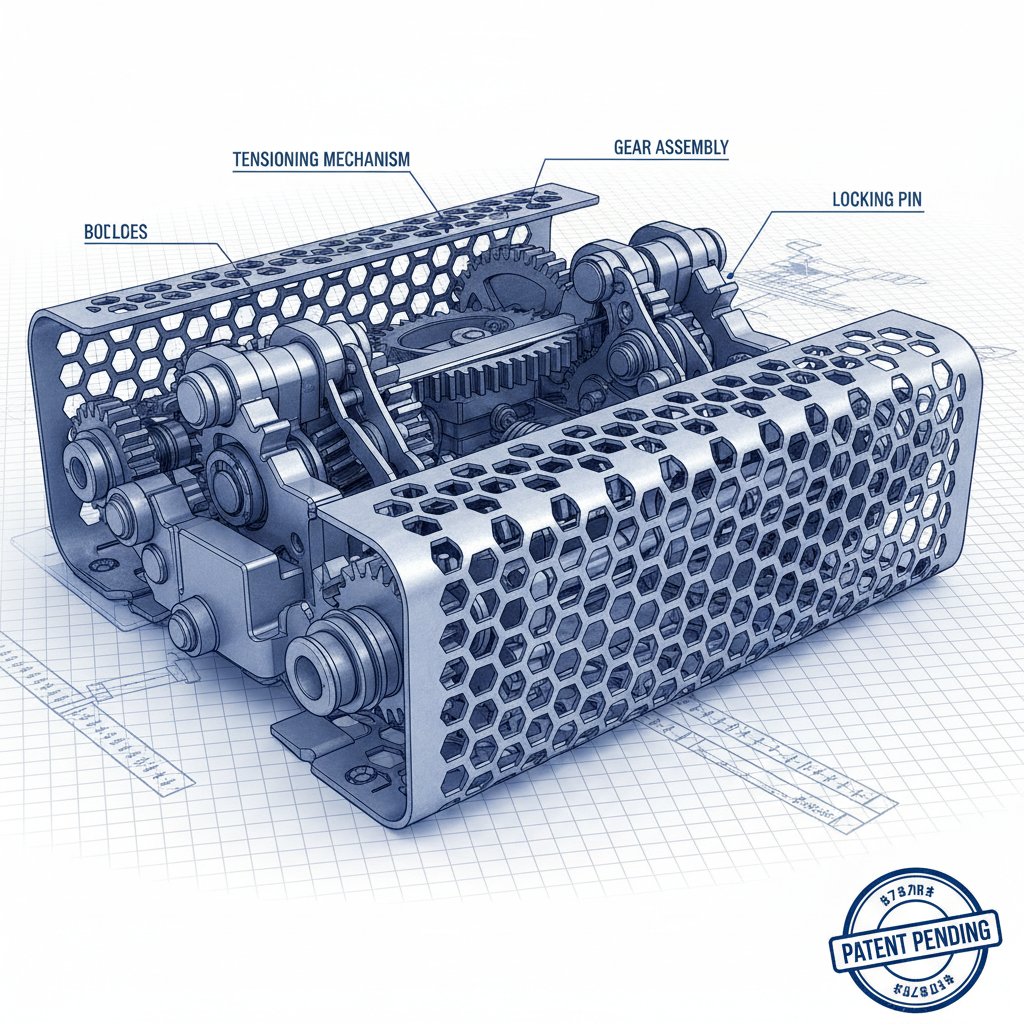
Steel mesh, specifically designed for trailer applications, provides exceptional strength and durability. It’s resistant to tearing, punctures, and the harsh conditions often encountered during transport. Unlike other materials, steel mesh maintains its integrity even under heavy loads or extreme weather. This makes it ideal for securing a variety of cargo, from building materials to machinery. Furthermore, steel mesh is relatively lightweight compared to solid steel alternatives, minimizing added weight to the trailer. The open weave design allows for airflow and visibility, improving overall safety and efficiency.
Key Highlights: Provides exceptional strength, durability, and resistance to tearing and punctures. Maintains integrity under heavy loads and extreme weather conditions.
Applications of Steel Mesh for Trailers
The applications for steel mesh in trailer cargo securing are diverse. It's commonly used as a decking material for flatbed trailers, providing a secure base for loading and tying down cargo. It's also utilized as a sidewall or headboard component to contain loads and prevent shifting during transit. In addition, steel mesh can be fabricated into custom-fit cages or enclosures for specific cargo types, such as lumber, pipes, or machinery. Its versatility makes it a cost-effective and reliable solution for a wide range of transportation needs. From construction materials to agricultural products, steel mesh ensures safe and compliant delivery.
Application Benefits:
• Provides a secure base for cargo.
• Contains loads and prevents shifting.
• Can be custom-fabricated for specific cargo.
• Ensures safe and compliant transportation.
Steel Mesh vs. Other Cargo Securing Methods
Compared to traditional cargo securing methods like straps, chains, or tarps, steel mesh offers significant advantages. Straps can stretch and loosen over time, compromising load security. Chains are heavy and can damage cargo. Tarps offer limited protection against shifting and weather exposure. Steel mesh, on the other hand, provides a permanent, rigid structure that distributes weight evenly and minimizes the risk of movement. It also offers superior protection against the elements compared to tarps. Choosing steel mesh represents a long-term investment in safety and efficiency.
Choosing the Right Steel Mesh: Specifications to Consider
Selecting the appropriate steel mesh requires considering several factors, including mesh size (aperture), wire diameter, and steel grade. Mesh size determines the amount of airflow and visibility. Wire diameter affects the strength and durability of the mesh. Steel grade impacts its resistance to corrosion and wear. Common steel grades used for trailer mesh include carbon steel and galvanized steel. Galvanized steel offers enhanced corrosion resistance, making it ideal for use in harsh environments. When choosing, be sure to consult with a supplier to determine the optimal specifications for your specific cargo and transportation needs.
Compliance and Regulations
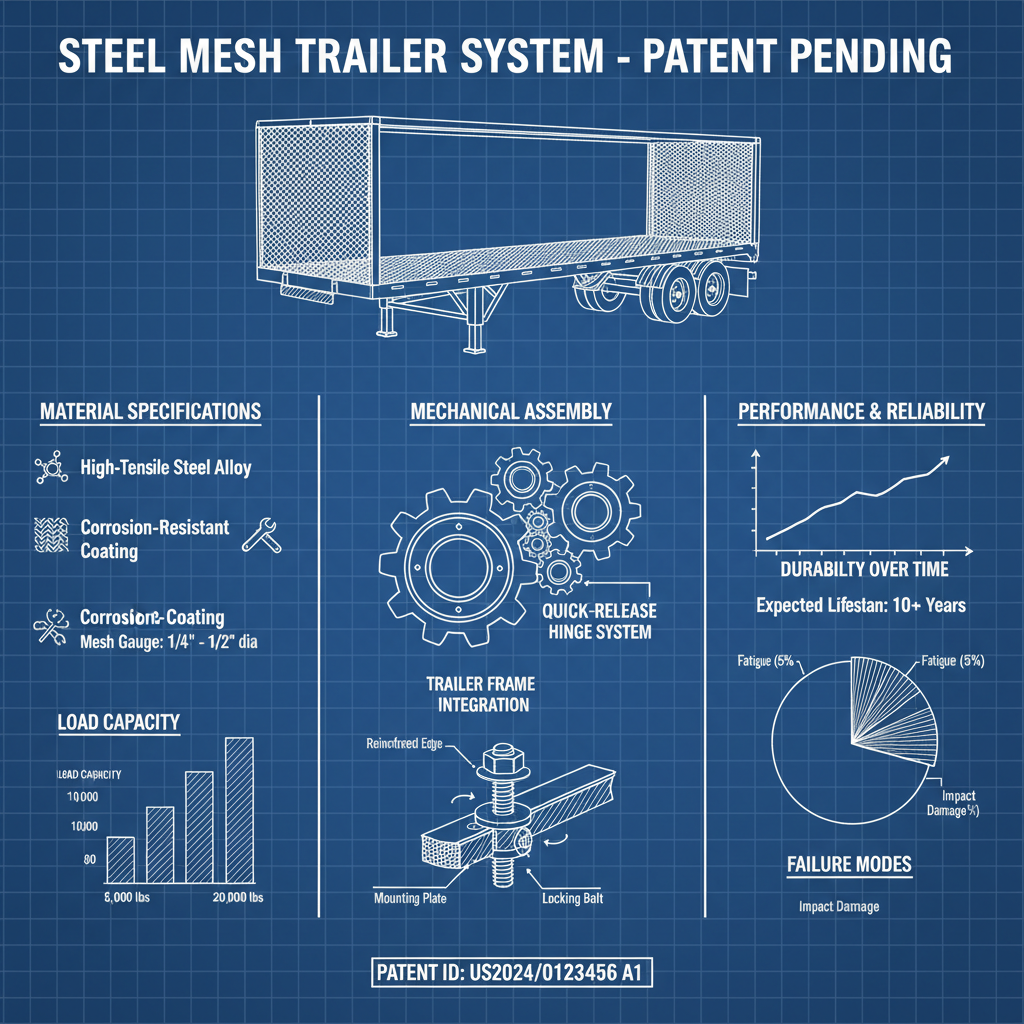
When using steel mesh for cargo securing, it's essential to comply with relevant transportation regulations. These regulations vary by country and region, and typically address load securement requirements. Ensuring that the steel mesh meets the necessary strength and durability standards is crucial for maintaining compliance and avoiding penalties. It’s recommended to consult with a transportation safety professional to confirm that your chosen mesh and securing methods meet all applicable requirements. FencingWireMesh.com provides high-quality steel mesh designed to meet industry standards.
Conclusion: Secure Your Load with Confidence
Investing in high-quality steel mesh for your trailers provides a durable, reliable, and cost-effective solution for cargo securing. By understanding the specifications, applications, and regulations surrounding its use, you can ensure the safe and compliant transportation of your goods. Choose FencingWireMesh.com for all your steel mesh needs.
Frequently Asked Questions (FAQs)
What is the difference between carbon steel and galvanized steel mesh?
Carbon steel is a strong and durable material, but it is susceptible to rust and corrosion when exposed to moisture. Galvanized steel, on the other hand, is coated with a layer of zinc, which provides excellent corrosion resistance. This makes galvanized steel a better choice for applications where the mesh will be exposed to rain, snow, salt, or other corrosive elements. While carbon steel is generally less expensive, the added corrosion protection of galvanized steel often justifies the higher cost in the long run, especially for trailers frequently used in challenging environments.
How do I properly install steel mesh on a trailer?
Proper installation is crucial for ensuring the mesh's effectiveness. First, ensure the trailer frame is clean and free of debris. Use appropriate fasteners – bolts, screws, or rivets – compatible with both the mesh and the trailer frame. Space the fasteners evenly to distribute the load and prevent stress points. If welding is required, use a qualified welder and appropriate welding techniques. Always double-check that the mesh is securely attached before loading any cargo. Consult with a professional trailer mechanic if you're unsure about any aspect of the installation process.
What mesh size is best for securing lumber?
For securing lumber, a mesh size of 2" x 4" is generally recommended. This size provides sufficient support and prevents the lumber from shifting during transport, while still allowing for good airflow. However, the optimal mesh size may vary depending on the size and type of lumber being transported. For smaller pieces of lumber, a smaller mesh size (e.g., 1" x 2") may be preferable. It’s important to ensure the mesh size is appropriate for the cargo to prevent damage and maintain safety.
How often should I inspect the steel mesh for damage?
Regular inspection is crucial for maintaining the integrity of the steel mesh. Inspect the mesh before each use for any signs of damage, such as cuts, bends, rust, or loose fasteners. Pay close attention to areas that are subject to high stress or wear. If any damage is detected, repair or replace the mesh immediately. Document the inspections and any maintenance performed to ensure a consistent safety record.