
Understanding Rolled Wire Mesh: A Comprehensive Guide
Rolled wire mesh is a versatile material widely used in various industries, from construction and agriculture to security and manufacturing. Its unique properties – strength, durability, and cost-effectiveness – make it a popular choice for a wide range of applications. This article will delve into the details of rolled wire mesh, covering its types, uses, manufacturing process, and factors to consider when purchasing. Whether you're a contractor, farmer, or DIY enthusiast, this guide will provide you with the knowledge you need to make informed decisions about this essential material.
Types of Rolled Wire Mesh
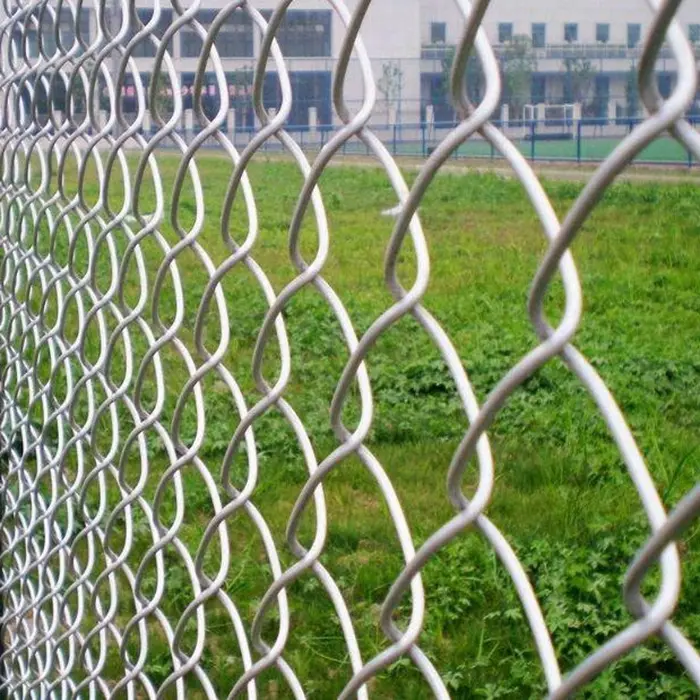
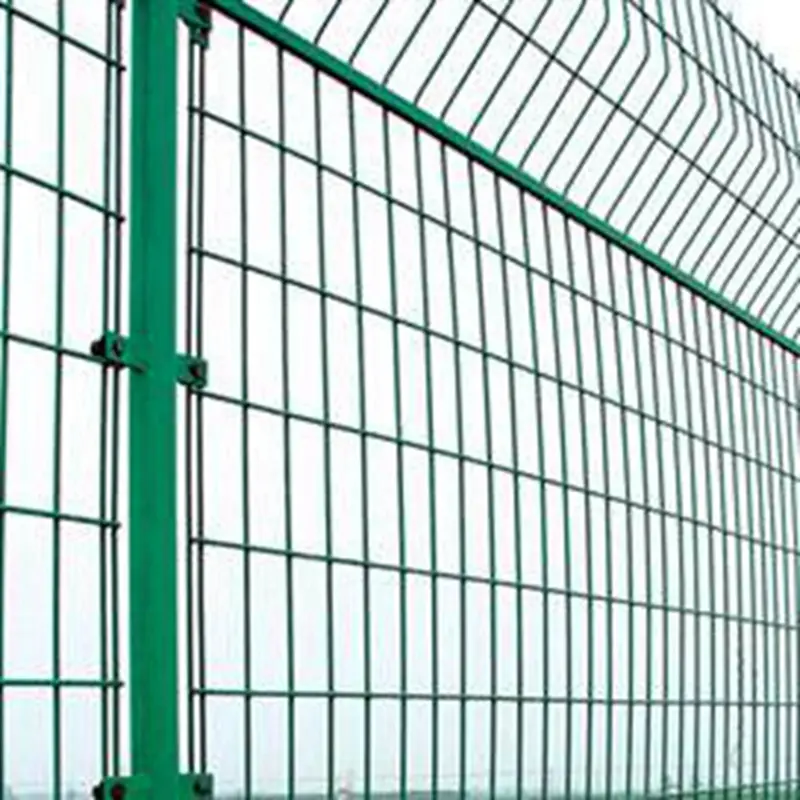
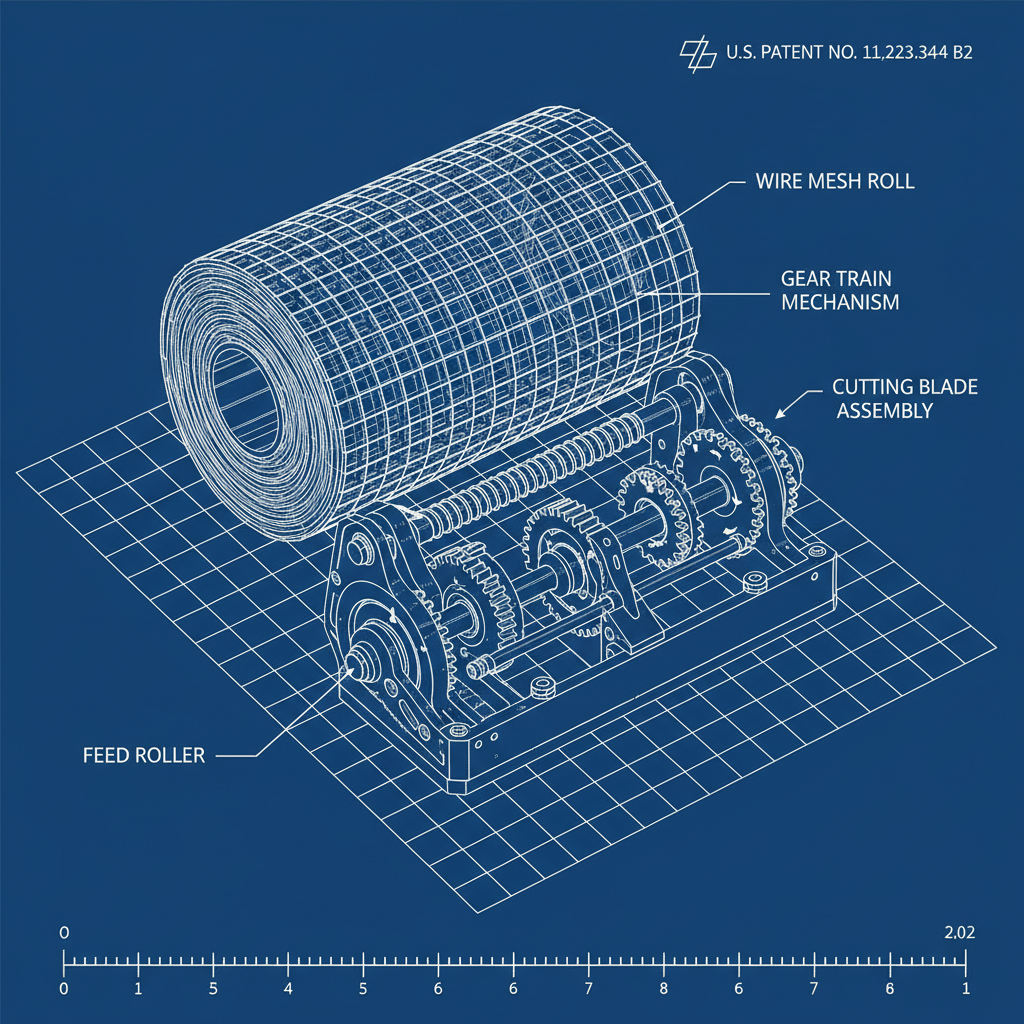
Rolled wire mesh isn’t a one-size-fits-all product. It comes in several varieties, each suited to specific applications. The most common types include welded wire mesh, woven wire mesh, and hexagonal wire netting (chicken wire). Welded wire mesh is created by welding wires together at each intersection, resulting in a rigid and strong structure. Woven wire mesh is formed by interweaving wires in a regular pattern, offering flexibility and a smooth surface. Hexagonal wire netting, known for its affordability, is twisted and woven to create a diamond-shaped pattern. The choice depends on the required strength, flexibility, and opening size for your project. Understanding these differences is crucial for selecting the appropriate wire mesh for optimal performance.
Key Highlights: Rolled wire mesh comes in welded, woven, and hexagonal varieties, each with unique properties suited for different applications.
Applications of Rolled Wire Mesh
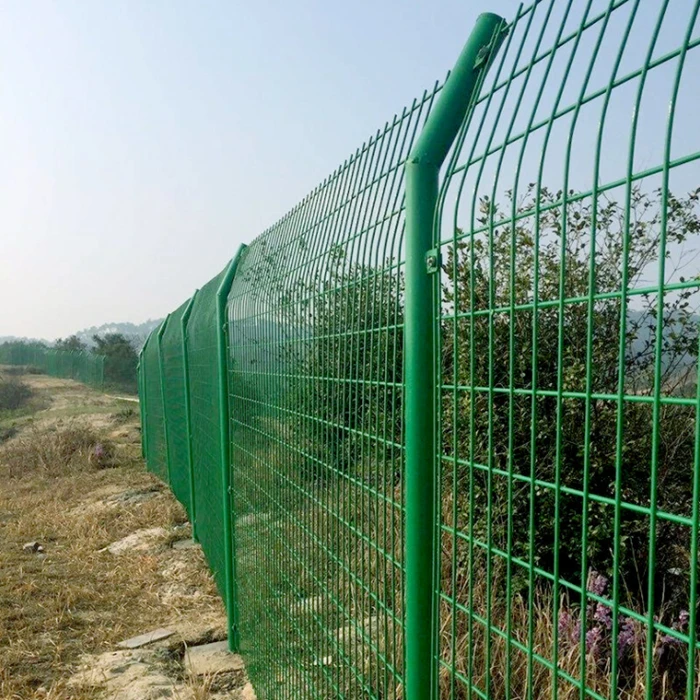
The versatility of rolled wire mesh leads to a vast array of applications. In construction, it's used for reinforcing concrete, creating formwork, and providing protective barriers. Agriculture utilizes it for fencing livestock, creating poultry enclosures, and supporting plant growth. Security applications include perimeter fencing, cage construction, and protection against intrusion. Industries like manufacturing employ it for screening, filtration, and component support. From simple garden fencing to complex industrial projects, the applications of rolled wire mesh are practically limitless.
Common Applications:
• Construction: Concrete reinforcement, formwork
• Agriculture: Livestock fencing, poultry enclosures
• Security: Perimeter fencing, cages
• Manufacturing: Screening, filtration
Rolled Wire Mesh: A Comparison of Materials
The material used to create rolled wire mesh significantly impacts its properties and suitability for different applications. Common materials include galvanized steel, stainless steel, and PVC-coated steel. Galvanized steel offers a good balance of strength and corrosion resistance, making it ideal for outdoor applications. Stainless steel provides superior corrosion resistance, especially in harsh environments. PVC-coated steel offers both corrosion resistance and a protective coating, making it suitable for applications where aesthetics are important. Consider the environmental conditions and the required lifespan of the mesh when selecting the appropriate material. Choosing the right material ensures long-lasting performance and minimizes maintenance costs.
Manufacturing Process of Rolled Wire Mesh
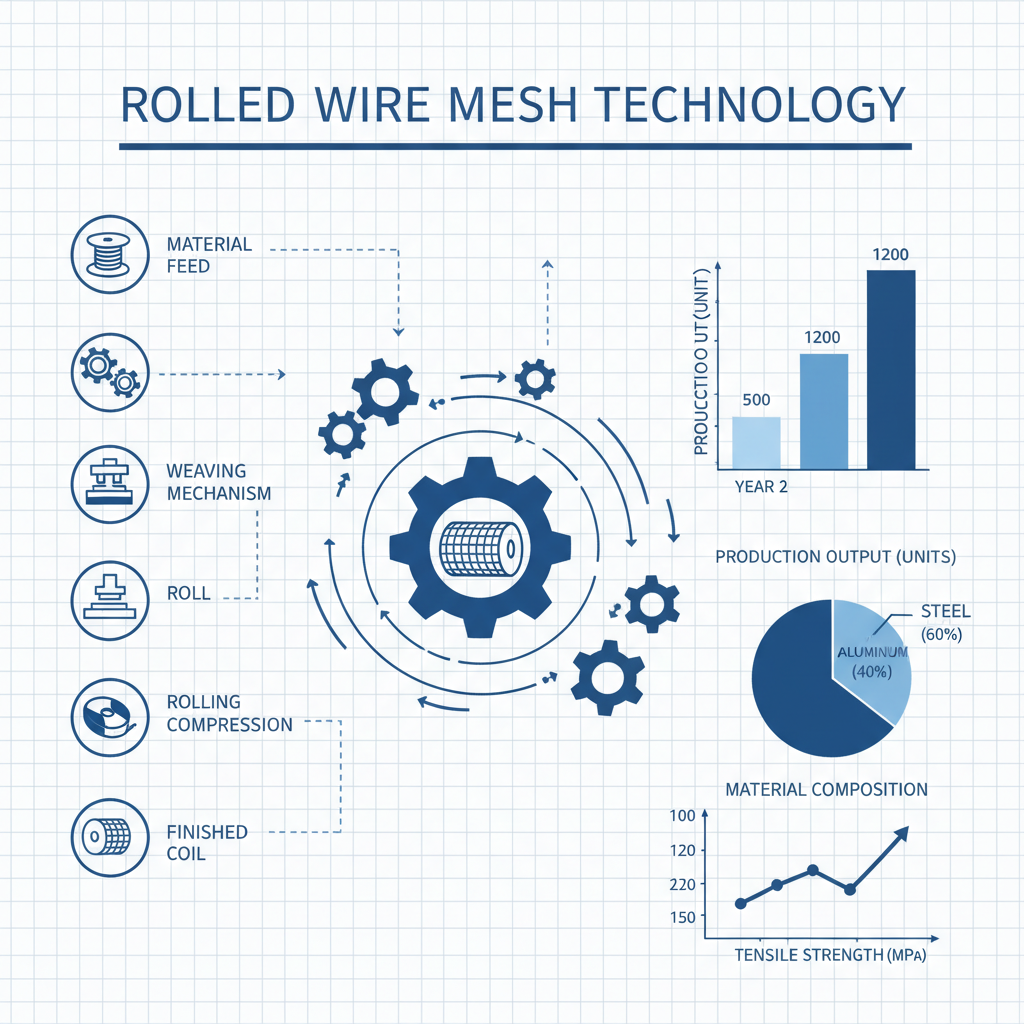
The creation of rolled wire mesh involves a series of carefully controlled processes. For welded wire mesh, wires are precisely positioned and then electronically welded together at their intersection points. Woven wire mesh, on the other hand, utilizes a weaving loom to interlock wires in a specific pattern. Hexagonal wire netting is created by twisting wires around each other to form a diamond-shaped opening. Following the primary forming process, the mesh often undergoes treatments like galvanizing or PVC coating to enhance its durability and resistance to corrosion. Quality control measures are implemented throughout the entire manufacturing process to ensure consistency and adherence to industry standards.
Factors to Consider When Purchasing Rolled Wire Mesh
When purchasing rolled wire mesh, several factors should be considered. The wire gauge (thickness) determines the strength and rigidity of the mesh. The mesh opening size impacts its filtering or containment capabilities. The roll height and length should be appropriate for your project requirements. Finally, the material and coating should be selected based on the intended environment and desired lifespan. It’s essential to purchase from a reputable supplier who can provide accurate specifications and quality assurance. Careful consideration of these factors will ensure you select the right mesh for your needs.
Conclusion: Choosing the Right Rolled Wire Mesh
Rolled wire mesh is a valuable material with a broad range of applications. By understanding the different types, materials, and manufacturing processes, you can make an informed decision and select the perfect mesh for your project. Don't hesitate to consult with experts at FencingWireMesh.com to ensure you get the best product for your needs.
Frequently Asked Questions (FAQs)
What is the typical lifespan of rolled wire mesh?
The lifespan of rolled wire mesh varies depending on the material, coating, and environmental conditions. Galvanized steel mesh typically lasts 10-20 years, while stainless steel can last for decades. PVC-coated mesh offers extended longevity, particularly in corrosive environments. Regular inspection for damage, such as rust or tears, is recommended. Proper installation and maintenance can significantly extend the lifespan of the mesh. Factors like exposure to salt water, UV radiation, and abrasive materials can accelerate degradation.
How do I properly install rolled wire mesh?
Proper installation is crucial for the longevity and effectiveness of rolled wire mesh. Begin by ensuring the ground is level and properly prepared. Use appropriate posts or supports spaced according to the mesh's requirements. Secure the mesh to the supports using wire ties, staples, or clips designed for the material. Ensure the mesh is taut and free of wrinkles. For fencing applications, consider using tension wires to maintain a tight and secure barrier. Always follow the manufacturer's instructions and local building codes.
Can rolled wire mesh be cut to size?
Yes, rolled wire mesh can be cut to size using various tools. For thinner gauges, wire cutters or tin snips are suitable. Heavier gauges may require bolt cutters or a metal-cutting saw. Always wear appropriate safety gear, including gloves and eye protection, when cutting wire mesh. After cutting, smooth any sharp edges to prevent injury. The specific cutting method will depend on the material and thickness of the mesh.
What are the safety precautions when working with wire mesh?
Working with wire mesh can present certain safety hazards. Always wear gloves to protect your hands from sharp edges. Eye protection is essential to prevent injuries from flying wire fragments. Wear appropriate clothing to cover exposed skin. When cutting wire mesh, use the correct tools and follow safety guidelines. Be mindful of the potential for entanglement and trip hazards. Proper handling and safety precautions are crucial to prevent injuries.