
Understanding Noise Barrier Price & Factors Influencing Cost
Controlling noise pollution is crucial for a variety of environments, from highways and industrial sites to residential areas. Noise barriers are an effective solution, but understanding the noise barrier price can be complex. This article delves into the various factors influencing cost, provides a price overview, and helps you navigate the considerations when budgeting for a noise reduction solution. We will explore different types of barriers, materials, installation complexities and what to expect when getting a quote.
Factors Affecting Noise Barrier Price
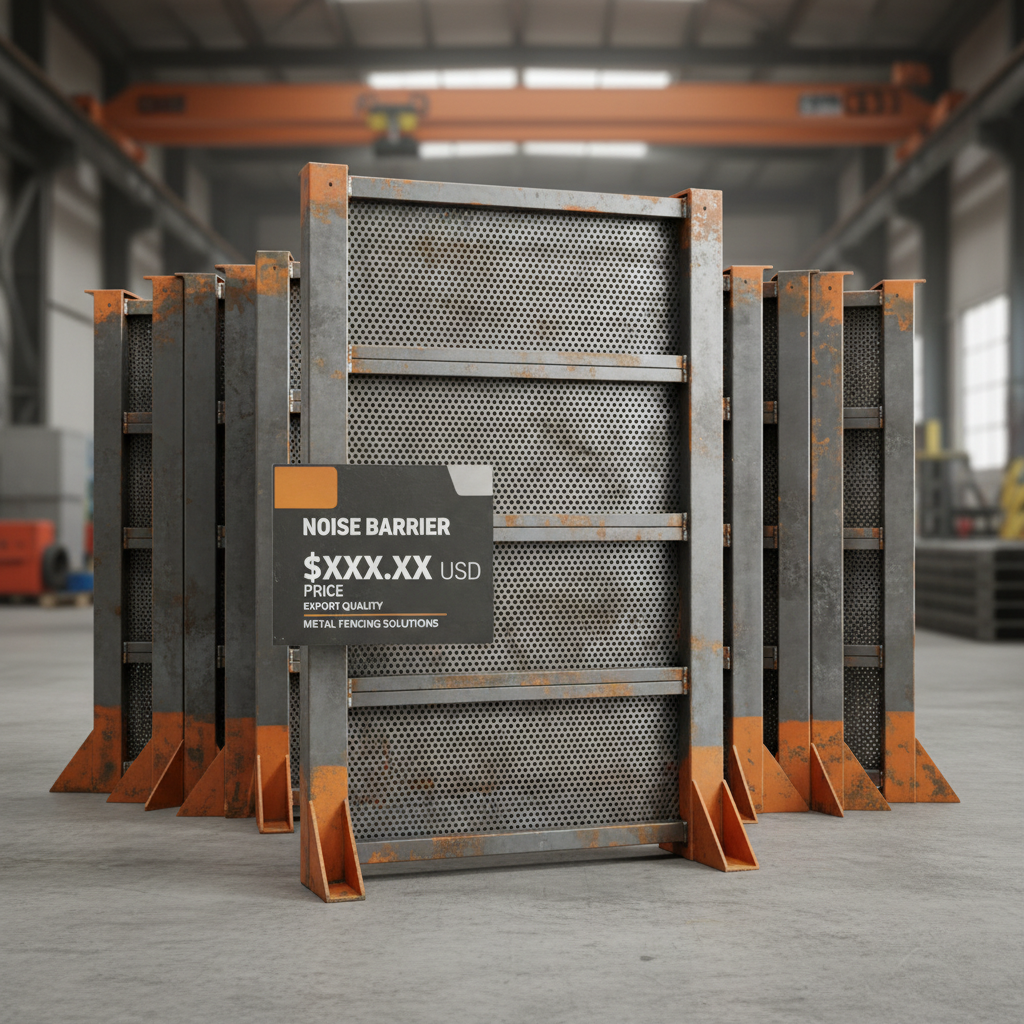
Several key factors determine the final noise barrier price. The most significant include the barrier's length and height – naturally, larger barriers require more materials and labor. Material selection plays a substantial role; concrete barriers are generally more expensive than wood or composite options. The terrain and site accessibility also impact installation costs. Complex sites requiring specialized equipment will increase the overall price. Finally, local regulations and permitting fees can add to the project's expense. A thorough site assessment is critical for accurate cost estimation.
Key Cost Drivers: Barrier size (length & height), material type, site accessibility, installation complexity, permitting fees.
Common Noise Barrier Materials and Their Costs
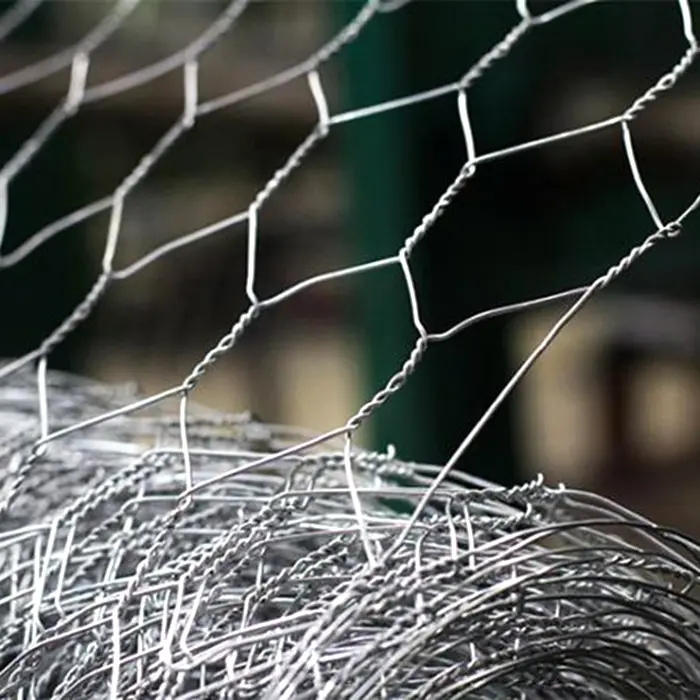
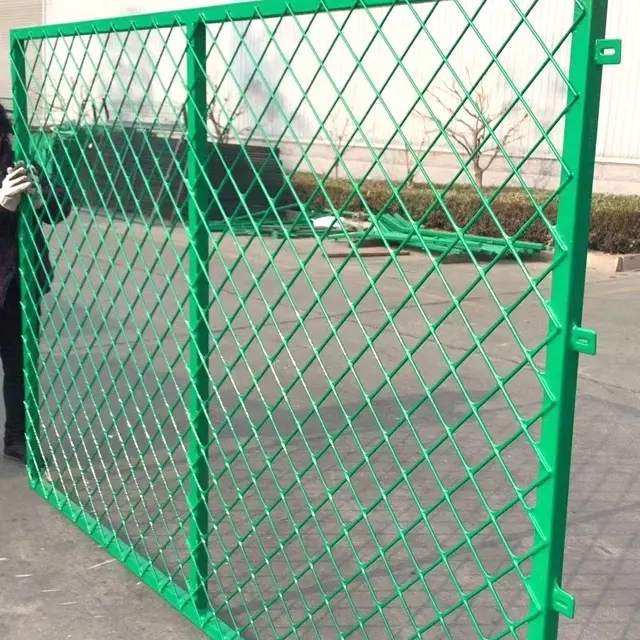
Different materials offer varying levels of noise reduction, durability, and aesthetic appeal, each with its own price point. Wood barriers are typically the most affordable option, but they require regular maintenance. Concrete barriers provide excellent soundproofing but are the most expensive. Composite materials, like recycled plastic or fiberglass, offer a balance between cost, durability, and performance. Metal noise barriers, often utilizing wire mesh panels, are increasingly popular due to their cost-effectiveness and ease of installation.
Comparing Noise Reduction and Price: A Visual Guide
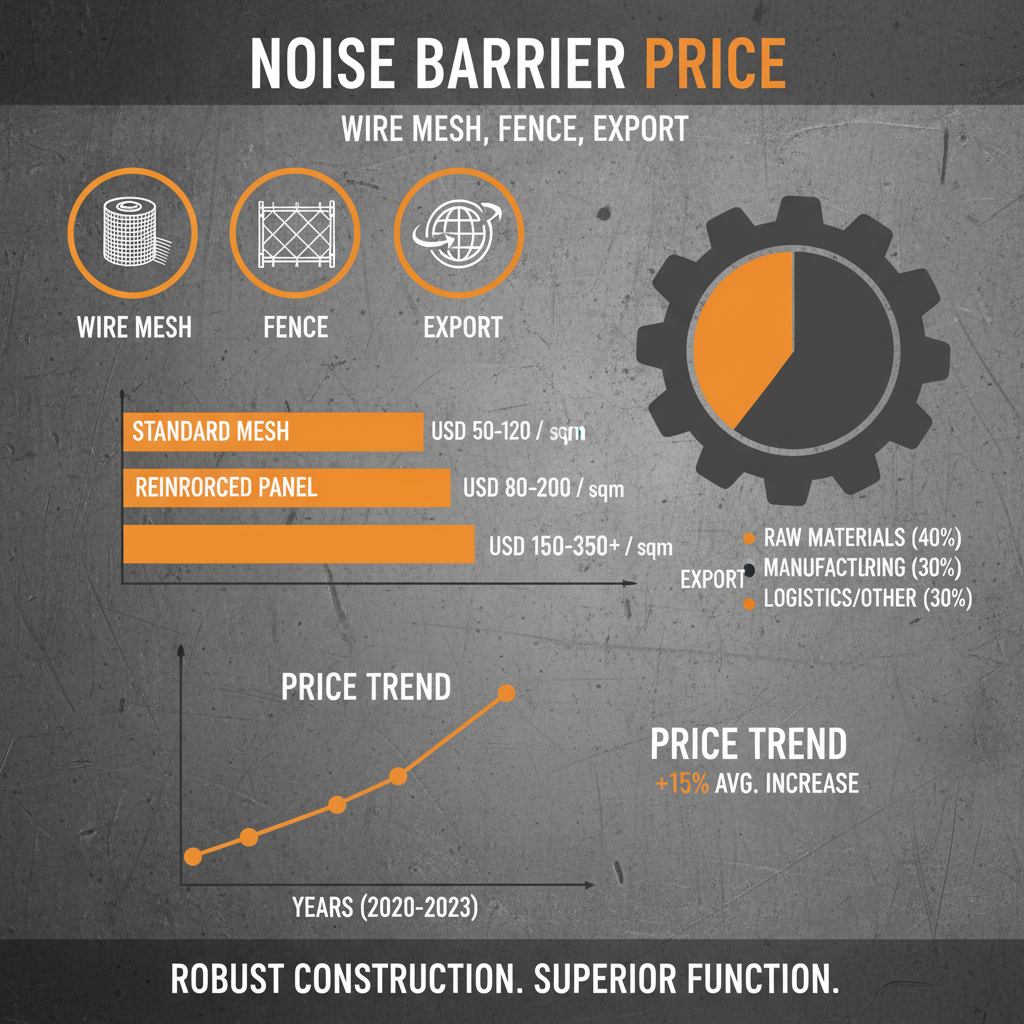
The chart below illustrates the general relationship between noise reduction capability and approximate cost. It's important to note that these are estimates, and actual performance can vary based on specific product design and installation quality. Factors such as sound frequency also affect a barrier’s overall performance.
Installation Costs & Site Preparation
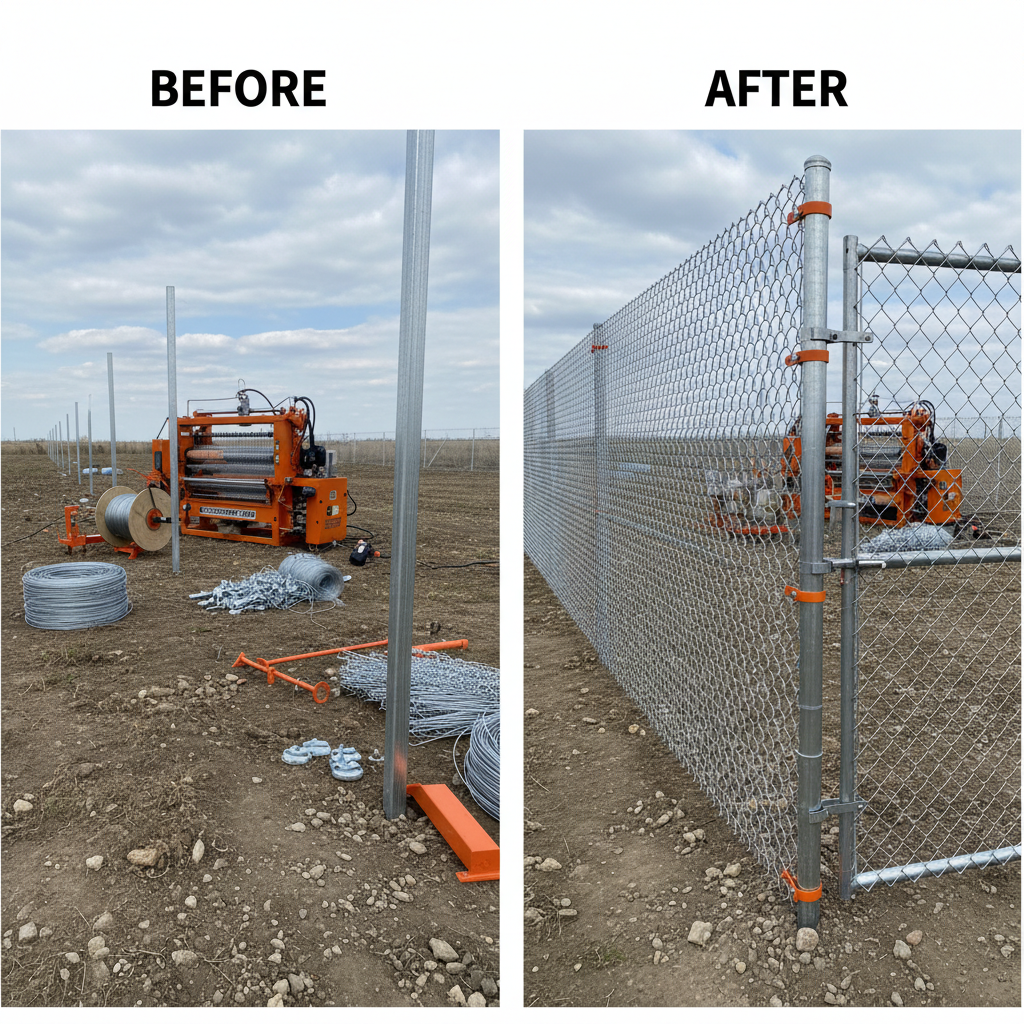
Installation costs can represent a significant portion of the total noise barrier price. These costs depend on factors like site access, soil conditions, and the need for excavation or foundation work. More complex installations may require permits, engineering drawings, and professional contractors. Site preparation, including clearing vegetation and leveling the ground, also adds to the expense. A detailed site survey is essential for accurately estimating installation costs. Contacting FencingWireMesh for a consultation can help you understand the specific costs associated with your project.
Obtaining Accurate Quotes: What to Expect
To get an accurate noise barrier price, request quotes from multiple suppliers. Provide detailed information about your project, including the barrier length, height, desired material, and site conditions. A reputable supplier will conduct a site visit to assess the installation challenges and provide a comprehensive quote that includes materials, labor, permitting fees, and any necessary site preparation work. Ensure the quote clearly outlines the scope of work and payment terms. Don’t hesitate to ask questions and clarify any ambiguities before making a decision.
Conclusion: Investing in a Quieter Environment
Understanding the factors influencing noise barrier price is the first step towards creating a more peaceful environment. By carefully considering your needs, budget, and site conditions, you can choose the most effective and cost-efficient noise reduction solution. FencingWireMesh provides high-quality noise barriers and expert guidance to help you achieve optimal results. Invest in a quieter future today.
Frequently Asked Questions (FAQs)
What is the typical lifespan of a noise barrier?
The lifespan of a noise barrier varies significantly depending on the material used. Wood barriers typically last 10-20 years with regular maintenance, while concrete barriers can last 50 years or more. Composite and metal barriers generally offer a lifespan of 25-30+ years. Environmental factors like weather exposure, UV radiation, and potential impacts also affect longevity. Regular inspection and maintenance can extend the lifespan of any noise barrier.
Do noise barriers require permits?
Yes, in most cases, noise barriers require permits from local authorities. Regulations vary depending on the location and the height and length of the barrier. Permits ensure the barrier meets safety standards and doesn't violate zoning laws. It's crucial to check with your local planning department before starting any construction. The supplier or installer can often assist with the permitting process.
Can noise barriers be aesthetically pleasing?
Absolutely! Noise barriers don't have to be visually unappealing. Modern materials and designs offer a variety of aesthetic options. Wood barriers can be stained or painted to blend with the surroundings. Composite barriers are available in various colors and textures. Even concrete barriers can be finished with decorative facades or landscaping. Metal mesh barriers can also be customized with different colors and patterns.
How effective are noise barriers at reducing noise pollution?
Noise barriers can significantly reduce noise pollution, typically providing a reduction of 5-15 decibels. The effectiveness depends on factors like barrier height, length, material, and the distance between the noise source and the barrier. Higher and longer barriers generally provide greater noise reduction. Solid barriers are more effective than porous ones. Proper installation and site considerations are also crucial for maximizing noise reduction.