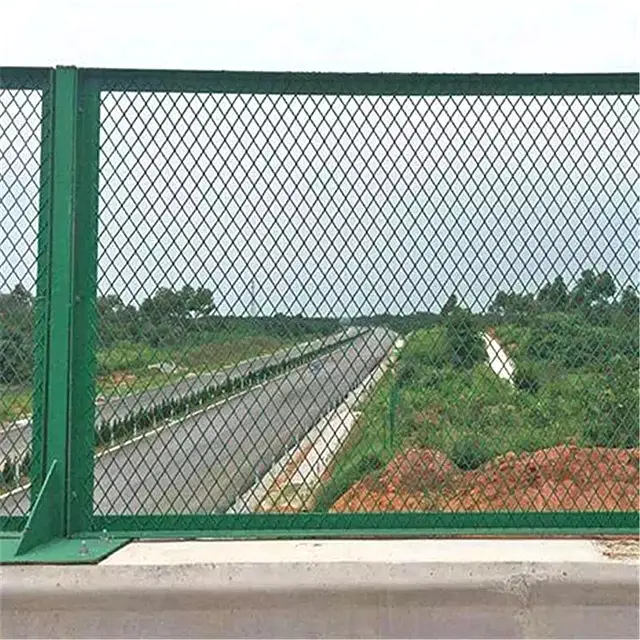

Understanding Mobile Noise Barriers
In today’s increasingly noisy world, effective noise control is paramount, especially in industrial, construction, and event settings. Mobile noise barriers offer a flexible and efficient solution for mitigating noise pollution. These portable barriers are designed to be easily deployed and relocated, making them ideal for temporary noise control needs. This article delves into the benefits, applications, types, and considerations when choosing a mobile noise barrier, providing a comprehensive guide for professionals and anyone seeking to reduce noise levels in various environments.
The Benefits of Utilizing Mobile Noise Barriers
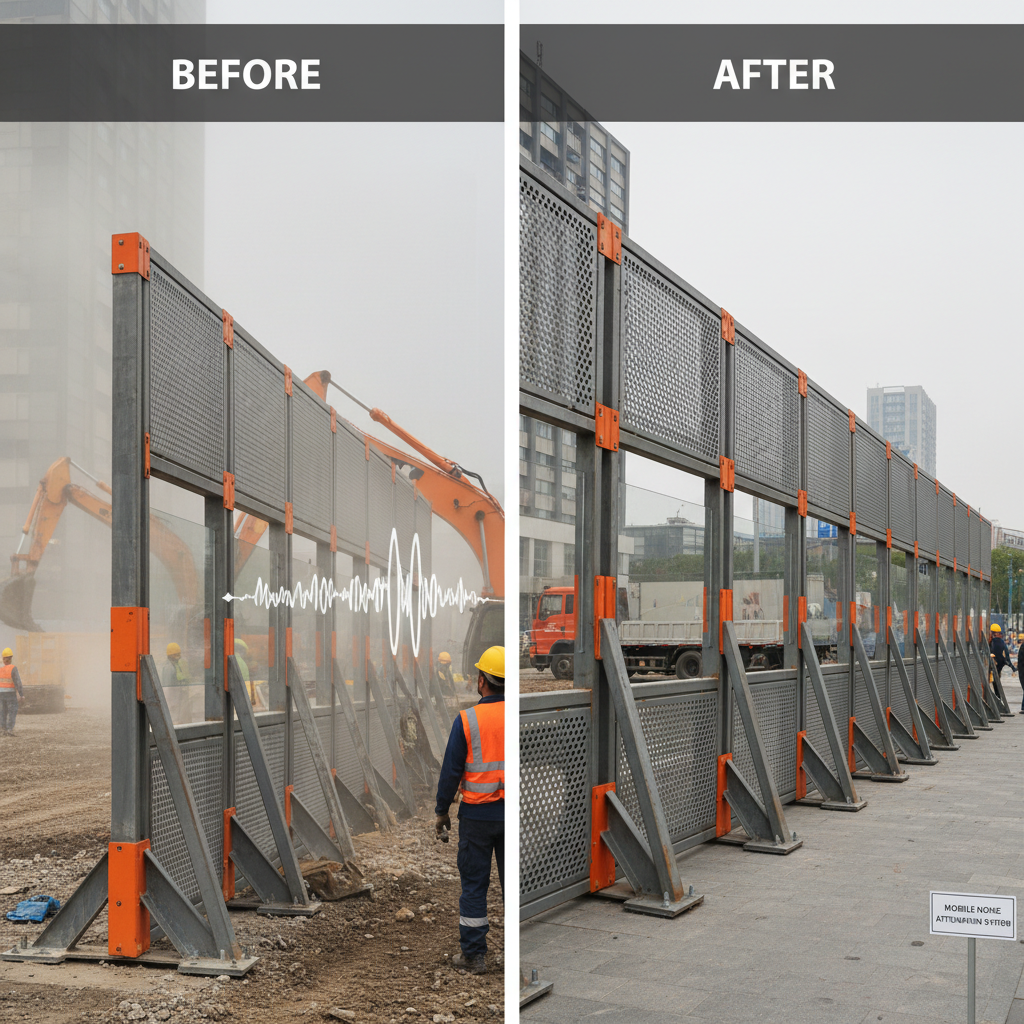
Mobile noise barriers provide several key advantages over permanent noise control solutions. Their portability allows for quick deployment in response to changing noise sources or project locations. They are a cost-effective alternative to constructing permanent walls or enclosures. Beyond these logistical benefits, they directly contribute to improved worker safety by reducing noise exposure, enhancing communication on job sites, and minimizing disruption to surrounding communities. Furthermore, compliance with noise regulations is significantly easier to achieve with adaptable noise control measures like these. Fencing Wire Mesh provides high-quality mobile barrier solutions.
Key Benefits: Portability for quick deployment, Cost-effectiveness compared to permanent solutions, Improved worker safety and communication, Easier compliance with noise regulations.
Applications of Mobile Noise Barriers
The versatility of mobile noise barriers makes them suitable for a wide range of applications. Construction sites commonly utilize them to mitigate noise from heavy machinery and reduce disturbances to nearby residents. Event organizers employ them to contain sound from concerts, festivals, and outdoor performances. Industrial facilities use them to isolate noisy equipment or processes. They're also beneficial for road and rail construction, temporary traffic management, and even shooting ranges. Any situation requiring temporary, adaptable noise reduction can benefit from the implementation of a mobile noise barrier.
Common Application Areas:
• Construction Sites
• Outdoor Events (Concerts, Festivals)
• Industrial Facilities
• Road & Rail Construction
Types of Mobile Noise Barriers: A Comparative Look
Several types of mobile noise barriers are available, each with its own characteristics and suitability for different applications. Common types include mass-loaded vinyl barriers, fabric-wrapped barriers, and composite barriers. Mass-loaded vinyl barriers are highly effective due to their density, providing excellent sound attenuation. Fabric-wrapped barriers offer a more aesthetically pleasing appearance and are often used at events. Composite barriers combine different materials for optimized performance and durability. The choice depends on factors like noise reduction requirements, budget, and visual considerations. Explore the diverse range of options at Fencing Wire Mesh.
Key Considerations When Selecting a Mobile Noise Barrier
When choosing a mobile noise barrier, several factors should be considered. The first is the required level of noise reduction. Assess the noise source and the acceptable noise level in the surrounding environment. Barrier height and length are also crucial – taller and longer barriers provide greater attenuation. Consider the site conditions, including wind exposure and ground stability. Finally, think about storage and transportation requirements. Ensure the barrier is easy to transport and store when not in use. Fencing Wire Mesh offers consultation services to help determine the best barrier for your specific needs.
Ensuring Effective Implementation & Long-Term Performance
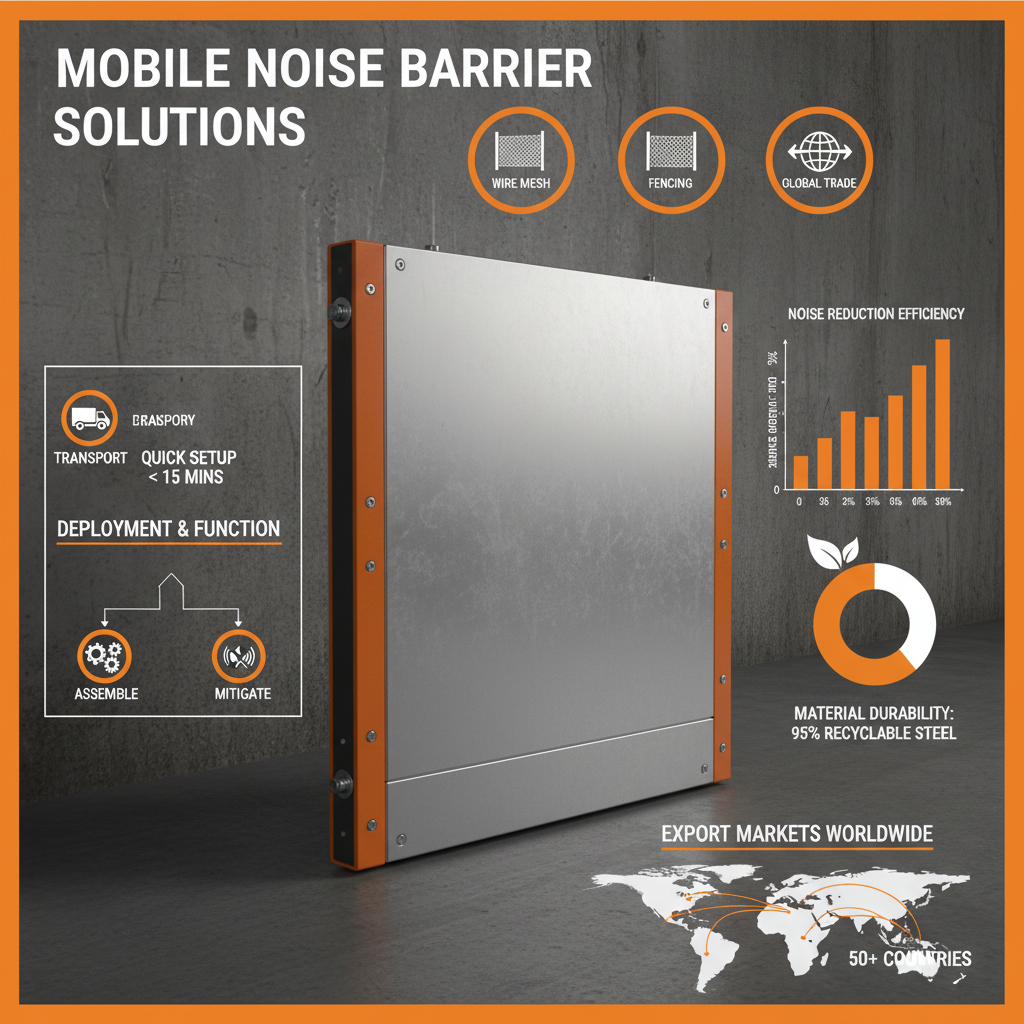
Proper installation and maintenance are vital to maximizing the effectiveness of a mobile noise barrier. Ensure the barrier is securely anchored to prevent it from being blown over by wind. Inspect the barrier regularly for damage, such as tears or cracks, and repair any issues promptly. Keep the barrier clean and free of debris. Finally, remember that mobile barriers are most effective when used in conjunction with other noise control measures, such as source control and sound absorption. Investing in durable, well-maintained barriers from a reputable supplier like Fencing Wire Mesh is crucial for long-term noise reduction success.
Conclusion: Creating Quieter Environments with Mobile Solutions
Mobile noise barriers offer a practical and effective solution for managing noise pollution in a variety of settings. By understanding the different types available, carefully considering your specific needs, and implementing proper installation and maintenance practices, you can create quieter, more comfortable, and compliant environments. Fencing Wire Mesh is a trusted provider of high-quality mobile noise barriers, offering expert advice and solutions to meet your noise control challenges.
Frequently Asked Questions (FAQs)
How much noise reduction can I realistically expect from a mobile barrier?
The level of noise reduction varies depending on several factors, including the barrier’s material, height, length, and proximity to the noise source. Generally, you can expect a reduction of 5-15 decibels (dB). Higher-density materials like mass-loaded vinyl offer better performance. Consider the frequency of the noise – lower frequencies are more difficult to block. Proper installation, with minimal gaps at the base and sides, is also crucial for maximizing noise reduction. Consulting with a noise control specialist can provide a more accurate assessment for your specific situation.
Are mobile noise barriers suitable for outdoor use in all weather conditions?
Most mobile noise barriers are designed for outdoor use, but their suitability for specific weather conditions varies. Barriers made from weather-resistant materials like PVC or coated fabrics can withstand rain and moderate wind. However, extremely high winds can pose a risk of the barrier being blown over, so proper anchoring is essential. Materials can degrade over time with prolonged UV exposure. It’s important to choose a barrier designed for the climate you’ll be using it in and to inspect it regularly for wear and tear.
How easy is it to install and move a mobile noise barrier?
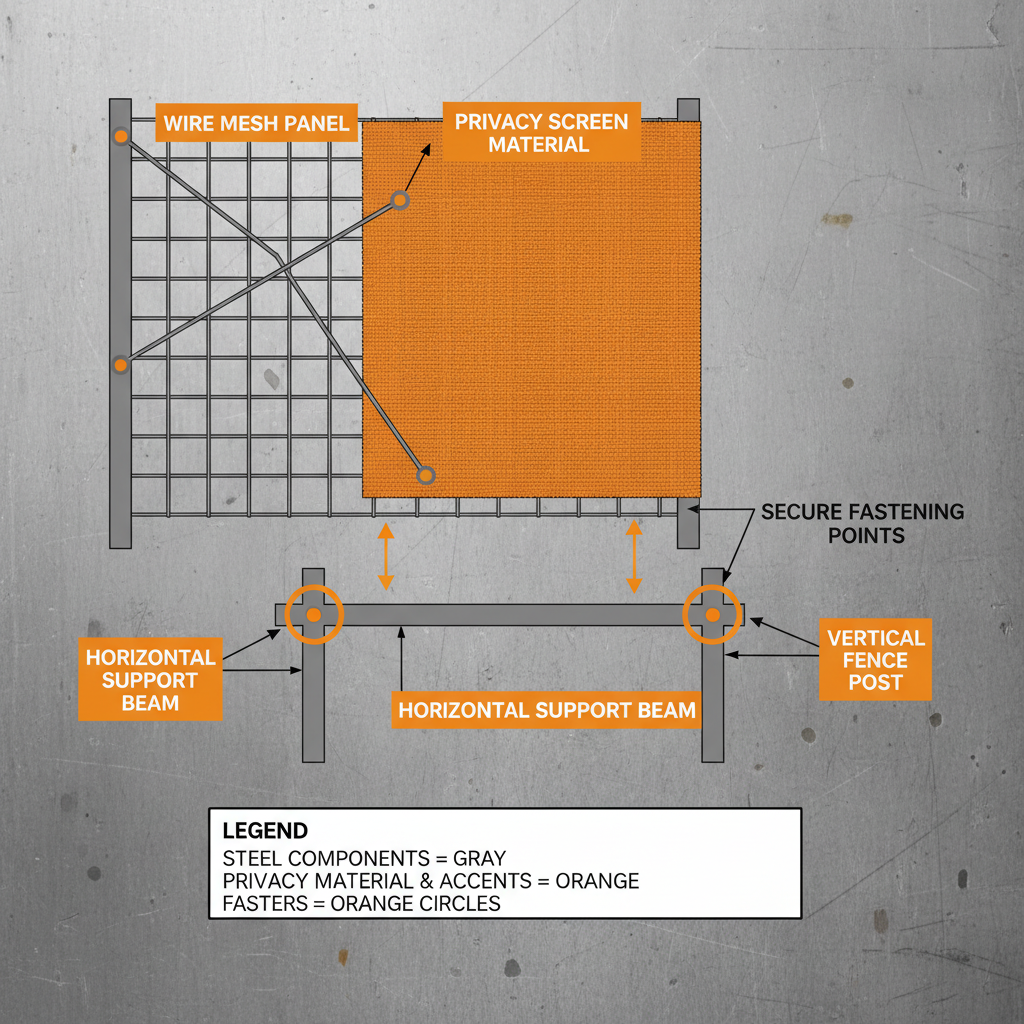
Mobile noise barriers are designed for relatively easy installation and relocation. Most barriers come in modular sections that can be connected quickly and easily using simple fasteners. The weight of the sections can vary, but many are designed to be handled by two people. Proper anchoring is crucial for stability, and may require additional hardware depending on the ground conditions. Fencing Wire Mesh provides detailed installation guides and support to ensure a smooth process.