
Understanding and Implementing Effective Acoustic Barriers
In today’s increasingly noisy world, effective noise control is crucial for protecting health, enhancing productivity, and maintaining quality of life. Acoustic barriers, also known as sound barriers, play a vital role in mitigating noise pollution. These structures are designed to reduce sound transmission from noise sources to sensitive receptors, such as residential areas, offices, or neighboring properties. This article provides a comprehensive guide to acoustic barriers, covering their principles, types, materials, applications, and installation considerations. Understanding these elements is key to implementing a successful noise reduction strategy.
The Science Behind Acoustic Barriers
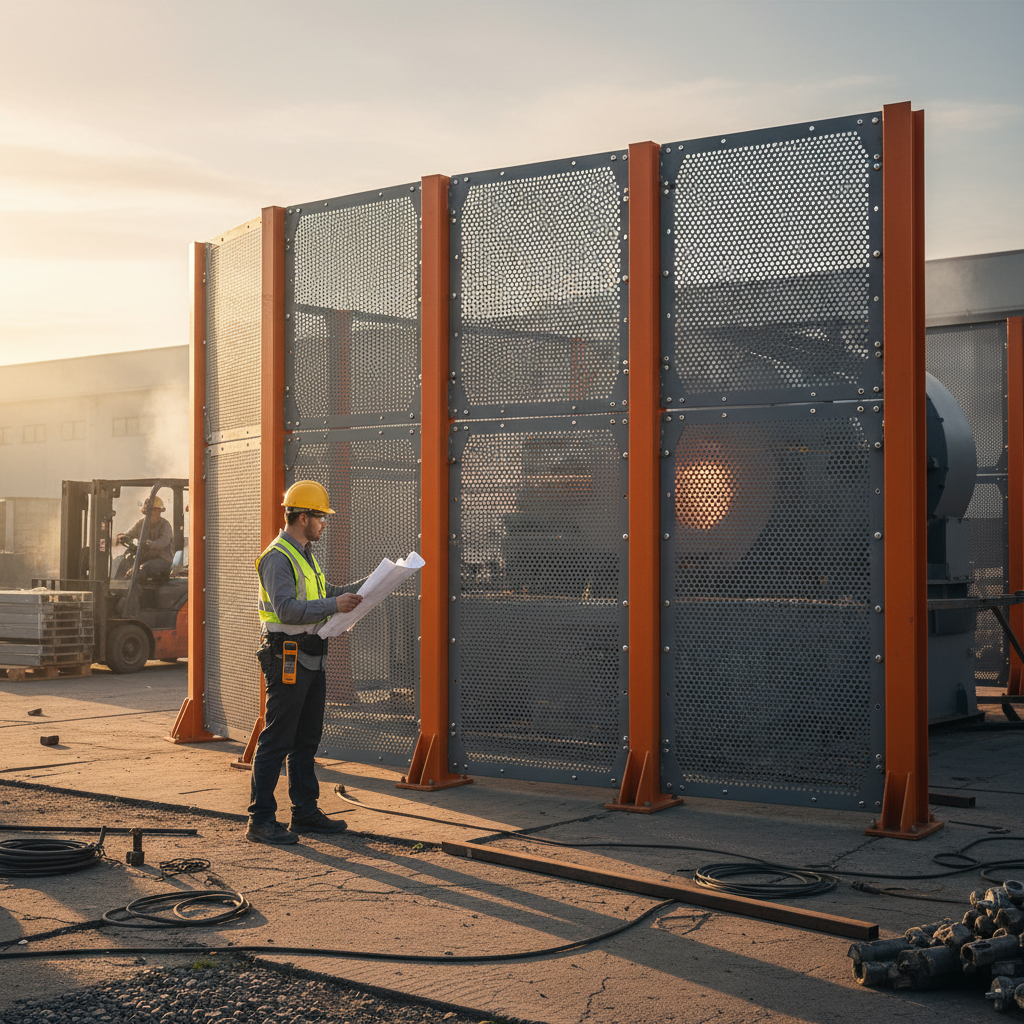
Acoustic barriers work by utilizing several key principles. The primary mechanism is sound reflection. When sound waves encounter a barrier, a portion of the energy is reflected back towards the source. Secondly, sound absorption plays a role, especially in barriers constructed with porous materials. These materials convert sound energy into heat, reducing the amount of sound that passes through. Finally, diffraction occurs as sound waves bend around the edges of the barrier, but a well-designed barrier minimizes this effect. The effectiveness of an acoustic barrier depends on factors such as its height, length, material density, and the frequency of the sound. Higher and longer barriers generally provide greater noise reduction, and denser materials are more effective at blocking sound transmission.
Key Principles: Sound reflection, sound absorption, and diffraction minimization are the core principles behind effective acoustic barriers. Proper barrier design considers all of these factors to maximize noise reduction.
Types of Acoustic Barriers
Acoustic barriers come in a variety of types, each suited to different applications and environments. Solid barriers, constructed from materials like concrete or brick, provide excellent noise reduction but can be visually intrusive. Absorptive barriers utilize sound-absorbing materials like mineral wool or fiberglass encased in a porous facade, reducing both reflected and transmitted sound. Composite barriers combine solid and absorptive elements for optimal performance. Vegetative barriers (using trees and shrubs) can offer some noise reduction, particularly at higher frequencies, but are generally less effective than engineered solutions. The choice of barrier type depends on factors like noise levels, aesthetic considerations, budget constraints, and site limitations.
Acoustic Barrier Types:
• Solid Barriers: High noise reduction, visually dominant.
• Absorptive Barriers: Reduces reflection and transmission.
• Composite Barriers: Optimal performance through combined elements.
• Vegetative Barriers: Limited effectiveness, aesthetically pleasing.
Materials Used in Acoustic Barriers
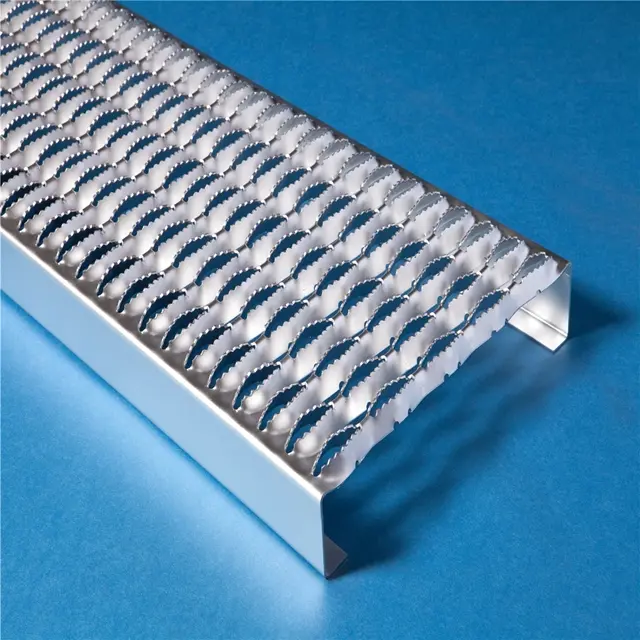
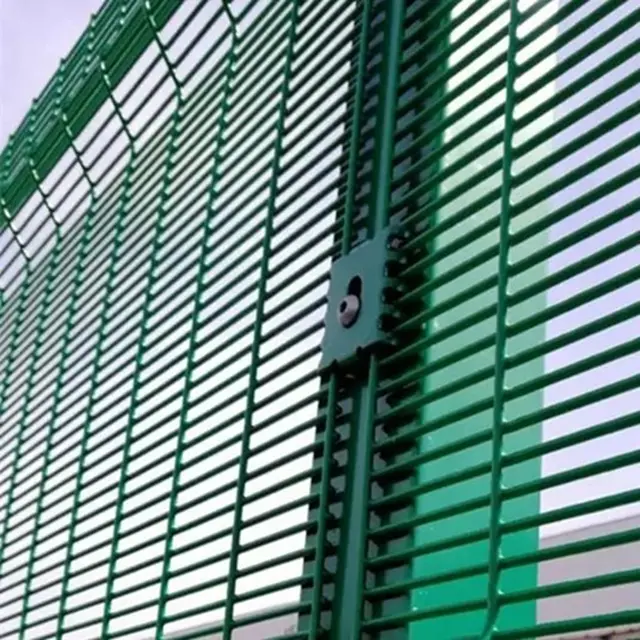
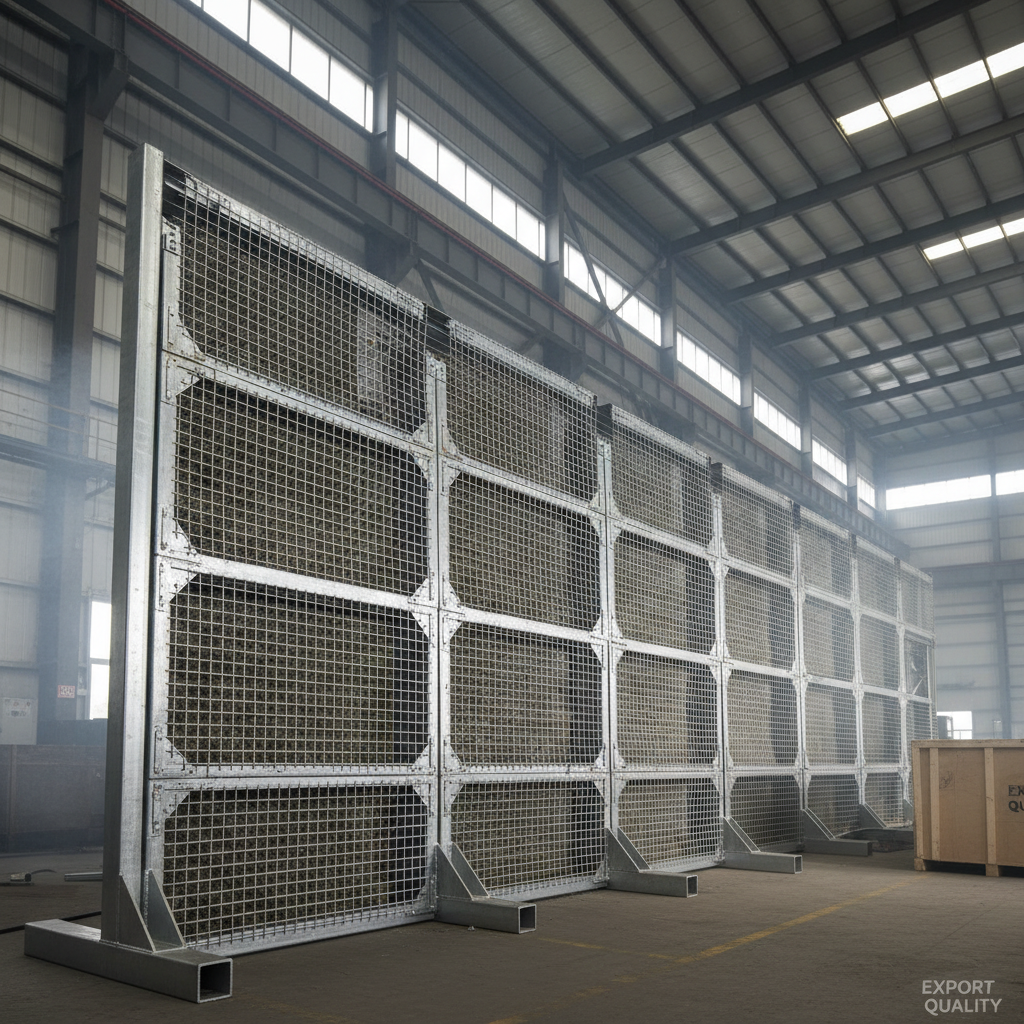
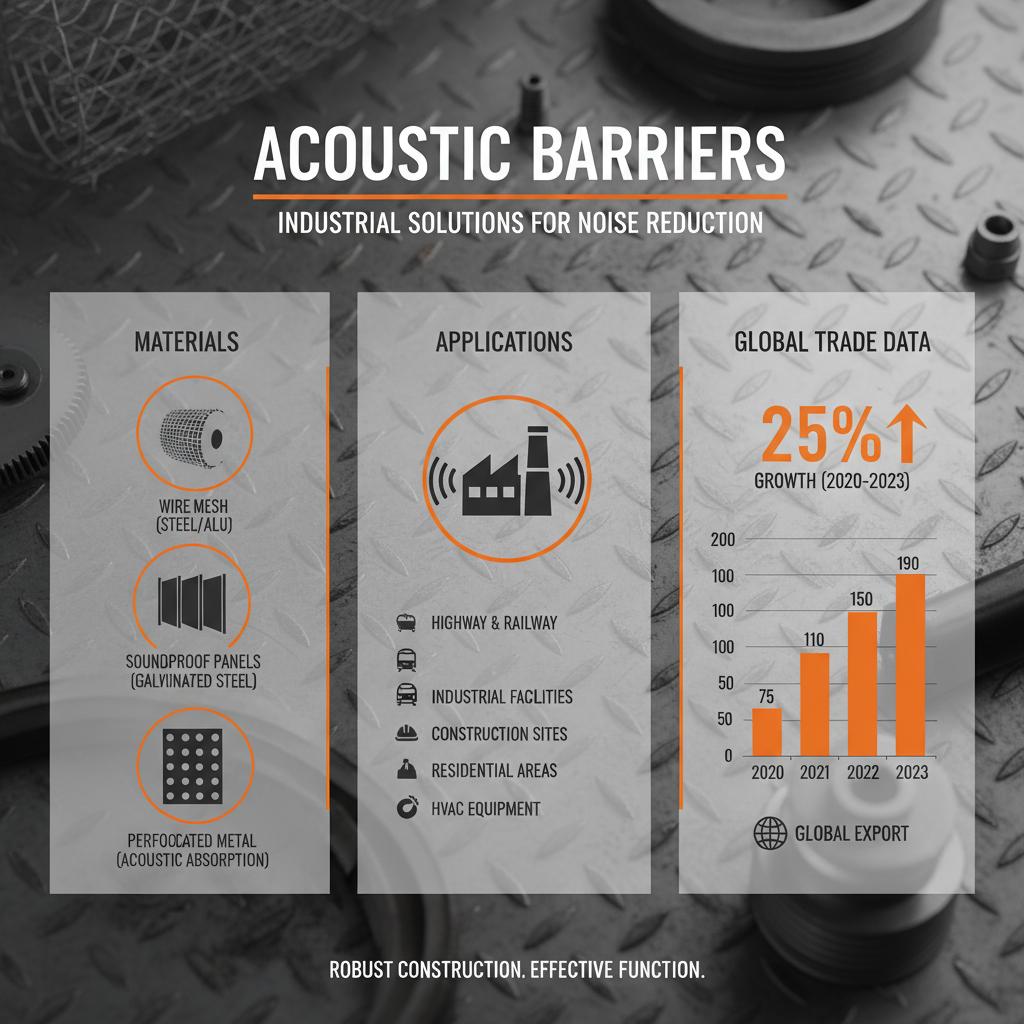
The material selection significantly influences the effectiveness of an acoustic barrier. Common materials include: Concrete, providing excellent mass and sound blocking capabilities; Brick, offering similar performance to concrete with aesthetic variations; Wood, a more sustainable option, often used in absorptive barriers; Metal (steel or aluminum) frequently used for framing and cladding; Mineral Wool/Fiberglass, highly effective sound-absorbing materials; and Recycled Rubber, an environmentally friendly choice for absorptive barriers. Choosing the right material involves balancing acoustic performance, cost, durability, and environmental impact. Fencing Wire Mesh offers solutions using metal structures ideal for acoustic barrier frames and cladding.
Applications of Acoustic Barriers
Acoustic barriers find applications across a wide range of sectors. Highway noise barriers are frequently used to protect residential areas from traffic noise. Industrial noise barriers mitigate noise from manufacturing plants, construction sites, and other industrial facilities. Commercial noise barriers reduce noise levels around office buildings, shopping centers, and entertainment venues. Residential noise barriers can be implemented to address noise from neighbors or nearby sources. Furthermore, acoustic barriers are used in shooting ranges, concert venues, and other specialized applications requiring precise noise control. Properly implemented barriers can dramatically improve the quality of life for affected communities.
Installation and Maintenance Considerations
Proper installation is critical for the effectiveness of acoustic barriers. Foundations must be stable and capable of supporting the barrier's weight. Barriers should be securely anchored to prevent wind damage. Gaps or openings in the barrier must be minimized to avoid sound leakage. Regular maintenance, including inspection for damage and cleaning of absorptive materials, is essential to maintain optimal performance. Damaged sections should be repaired promptly. Fencing Wire Mesh provides robust framing solutions ensuring stable and long lasting installations.
Conclusion: Creating Quieter Environments with Acoustic Barriers
Effective noise control is paramount in today’s world, and acoustic barriers offer a proven solution. By understanding the principles, types, materials, and installation considerations outlined in this article, you can implement noise reduction strategies that enhance quality of life, protect health, and improve productivity. Invest in sound solutions for a quieter, more peaceful future.
Frequently Asked Questions (FAQs)
How high does an acoustic barrier need to be to be effective?
The required height of an acoustic barrier depends on the distance between the noise source and the receiver, the frequency of the noise, and the desired level of noise reduction. Generally, a higher barrier provides greater noise reduction, especially for lower frequencies. As a rule of thumb, the barrier should be tall enough to break the line of sight between the noise source and the receiver. Calculations based on sound propagation models are recommended to determine the optimal height for specific situations. Factors like topography and surrounding obstructions also need to be considered.
What is the difference between soundproofing and sound blocking?
Soundproofing and sound blocking are often confused, but they are distinct concepts. Sound blocking (using acoustic barriers) aims to reduce the amount of sound that travels from a source to a receiver. It focuses on preventing sound waves from reaching their destination. Soundproofing, on the other hand, focuses on reducing sound reflection within a space. This is typically achieved through the use of absorptive materials to dampen sound waves and reduce reverberation. Acoustic barriers primarily provide sound blocking, while soundproofing focuses on improving the acoustic environment inside a room or building.
Are there any environmental considerations when choosing acoustic barrier materials?
Yes, environmental considerations are crucial. Choosing sustainable and recycled materials can minimize the environmental impact of acoustic barriers. Materials like recycled rubber and sustainably sourced wood are excellent choices. Consider the embodied energy of the materials (the energy required to produce them) and their potential for recyclability at the end of their lifespan. Also, assess the potential impact of the barrier on local ecosystems, especially if it involves vegetation removal. Responsible material sourcing and design are essential for environmentally conscious noise control.
How do wind conditions affect the performance of acoustic barriers?
Wind can significantly affect the performance of acoustic barriers, primarily by bending sound waves over the top of the barrier – a phenomenon called “downwind sound transmission”. Strong winds blowing from the noise source towards the receiver can reduce the effectiveness of the barrier, particularly at lower frequencies. Barrier design can mitigate this effect by increasing the barrier height or incorporating angled tops. Furthermore, careful site selection and orientation can minimize the impact of wind on sound propagation. Windbreaks may also be used in conjunction with acoustic barriers to further reduce downwind sound transmission.