
Sound Reducing Barriers: A Comprehensive Guide
In today’s increasingly noisy world, effective sound reducing barriers are essential for protecting health, improving concentration, and ensuring compliance with noise regulations. From industrial settings to residential areas, controlling noise pollution is a growing concern. This article provides a detailed overview of sound reducing barriers, exploring their types, applications, benefits, and crucial considerations for choosing the right solution. We'll cover how to effectively mitigate unwanted noise and create quieter, more peaceful environments.
Understanding the Principles of Sound Reduction
Before diving into barrier types, it's important to understand how sound travels and how barriers interrupt this process. Sound travels as waves, and its energy dissipates as it moves further from the source. Sound reduction barriers work by blocking the direct path of sound waves, forcing them to travel over or around the barrier. This increases the distance the sound must travel, reducing its intensity. Key principles include mass, absorption, and damping. Effective sound barriers utilize these principles to maximize noise reduction.
Key Principles: Mass, absorption, and damping all contribute to effective sound reduction. Heavier materials, absorbent surfaces, and damping techniques minimize sound transmission.
Types of Sound Reducing Barriers
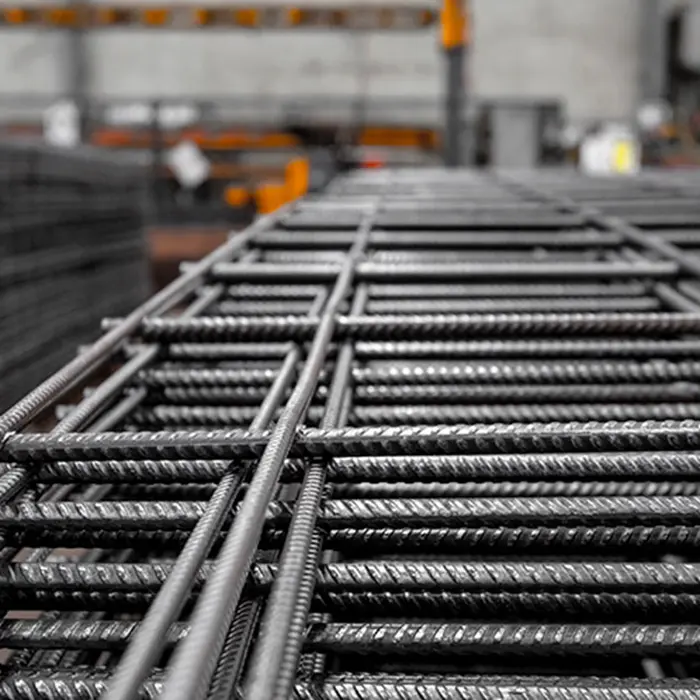
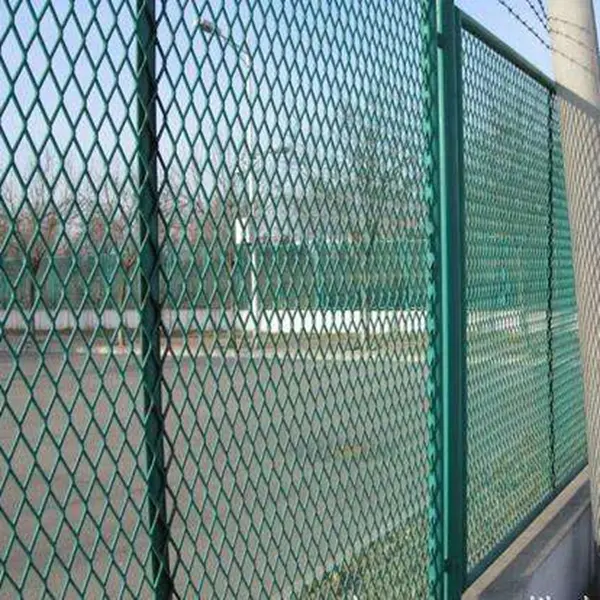
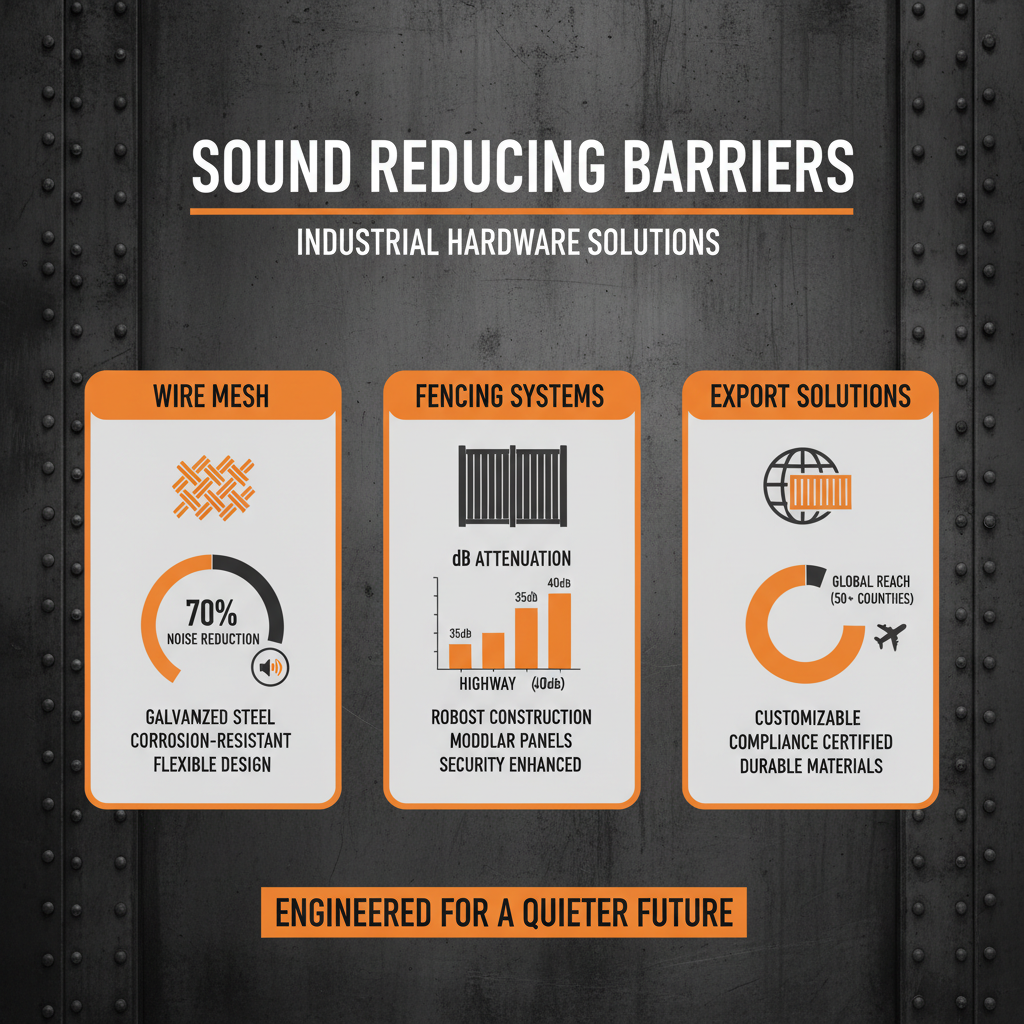
Several types of barriers are available, each suited for different applications and noise levels. Common options include concrete walls, earth berms, wooden fences, and specialized noise barrier panels. Concrete walls offer excellent mass and durability, while earth berms utilize natural materials. Wooden fences, while cost-effective, often require additional treatment for optimal performance. Wire mesh barriers, often used in combination with absorbent materials, provide a flexible and effective solution. Choosing the right type depends on the specific noise source, budget, and aesthetic requirements.
Barrier Type Benefits:
• Concrete Walls: High mass, durable, long-lasting.
• Earth Berms: Natural, cost-effective, visually appealing.
• Wooden Fences: Affordable, easy to install.
• Wire Mesh Barriers: Flexible, adaptable, often used with absorbent materials.
Sound Reducing Barriers: Applications Across Various Industries
The need for effective sound reducing barriers spans a wide array of industries. Industrial facilities utilize barriers to protect workers from harmful noise levels generated by machinery. Transportation infrastructure, such as highways and railways, employs barriers to mitigate noise pollution for nearby residents. Construction sites rely on barriers to minimize disruption to surrounding communities. Even residential areas benefit from barriers to reduce noise from traffic, neighbors, or commercial activities. The applications are diverse, but the underlying goal remains the same: to create a quieter, more habitable environment.
Selecting the Right Sound Reducing Barrier
Choosing the most effective sound barrier requires careful consideration of several factors. The frequency of the noise source is critical; low-frequency sounds require more massive barriers than high-frequency sounds. The distance between the source and the receiver also plays a role. Height and length of the barrier are essential design considerations. Furthermore, local regulations and aesthetic preferences must be taken into account. Consulting with a noise control specialist can help ensure optimal performance and compliance.
Material Properties and Noise Reduction Coefficients
Different materials possess varying noise reduction capabilities. The Noise Reduction Coefficient (NRC) measures a material’s ability to absorb sound. Higher NRC values indicate greater sound absorption. Concrete has a low NRC, reflecting most sound energy. Wood has a moderate NRC, while porous materials like fiberglass and mineral wool have high NRC values. Combining materials, such as applying absorptive materials to a wire mesh barrier, can significantly enhance noise reduction. The table below illustrates typical NRC values for common materials:
Conclusion: Creating Quieter Environments with Effective Barriers
Investing in effective sound reducing barriers is a vital step towards creating healthier, more productive, and more peaceful environments. By understanding the principles of sound reduction, exploring the available barrier types, and carefully considering your specific needs, you can significantly mitigate noise pollution and improve quality of life. Don't let noise control be an afterthought – prioritize it for the benefit of your well-being and compliance.
Frequently Asked Questions (FAQs)
What is the difference between soundproofing and sound reduction?
Soundproofing aims to completely block sound transmission, typically by sealing a space to prevent any sound waves from entering or leaving. Sound reduction, on the other hand, focuses on minimizing the intensity of sound waves. Sound reducing barriers fall into this category. Soundproofing is more complex and expensive, often requiring significant structural changes. Sound reduction is a more practical and cost-effective solution for many noise control situations, making it ideal for mitigating noise pollution in outdoor environments and across industrial settings.
How tall should a sound reducing barrier be to be effective?
The ideal height of a sound reducing barrier depends on the distance between the noise source and the receiver, as well as the frequency of the noise. Generally, the barrier should be tall enough to break the direct line of sight between the source and the receiver. A good rule of thumb is to ensure the barrier is at least 1/3 taller than the height of the noise source. However, a professional noise assessment is recommended to determine the optimal barrier height for a specific situation.
Are wire mesh barriers as effective as concrete walls?
While concrete walls offer superior mass and therefore greater sound reduction for low frequencies, wire mesh barriers can be highly effective when combined with absorptive materials. The wire mesh provides structural support, while the absorptive materials dampen sound waves and reduce reflections. This combination can achieve comparable noise reduction levels to concrete walls, particularly for higher frequencies, and at a lower cost. The effectiveness depends on the density of the wire mesh, the type and thickness of the absorptive material, and the overall barrier design.
What maintenance is required for sound reducing barriers?
The maintenance requirements vary depending on the barrier material. Concrete walls typically require minimal maintenance, but may need occasional cleaning or repair of cracks. Wooden fences require regular painting or staining to protect them from the elements. Wire mesh barriers may need periodic inspection for corrosion or damage, and the absorptive materials may need to be replaced over time. Regular inspection and proactive maintenance are essential to ensure the long-term effectiveness of the barrier.