The selection of a high-quality steel wire mesh fence is a critical decision for any facility manager or property owner seeking to balance security, visibility, and long-term durability. In an era where perimeter security is under constant pressure from both environmental stressors and unauthorized intrusions, understanding the engineering behind these structures is essential for maximizing investment and ensuring safety.
Globally, the demand for reinforced boundary solutions has surged as industrial zones and urban infrastructure expand. A robust steel wire mesh fence serves as more than just a physical barrier; it is a psychological deterrent and a structural asset that protects valuable assets while maintaining the aesthetic and functional flow of the surrounding environment.
Whether you are securing a high-risk government installation, a commercial warehouse, or a residential perimeter, the versatility of steel mesh allows for tailored configurations. From anti-climb designs to PVC-coated variants, the modern industry offers a spectrum of options that cater to specific climate conditions and security levels, ensuring that the boundary remains impenetrable yet permeable to air and light.
Global Industry Context of Steel Wire Mesh Fence
On a global scale, the infrastructure for perimeter security has evolved rapidly. According to international industrial standards and ISO guidelines, the transition toward galvanized and powder-coated materials has significantly reduced maintenance costs for large-scale projects. The steel wire mesh fence has become the gold standard for critical infrastructure, including airports, power plants, and military bases, where failure is not an option.
However, the industry faces the challenge of balancing extreme strength with corrosion resistance, especially in coastal regions. The rise of urban density and the need for "invisible" yet strong security have pushed manufacturers to innovate beyond traditional chain-link patterns toward high-tensile, 3D, and anti-climb mesh systems that provide superior protection without creating a fortress-like atmosphere.
Definition and Technical Meaning of Steel Mesh
In simple commercial terms, a steel wire mesh fence is a boundary system constructed from interwoven or welded steel wires, forming a grid pattern that provides structural rigidity and security. Unlike wooden or concrete walls, the mesh design allows for wind permeability and clear lines of sight, which are essential for surveillance and emergency response.
Technically, these fences are categorized by their manufacturing process—either welded, where wires are joined at intersections via electrical resistance welding, or woven, where wires are entwined. This distinction is crucial because welded mesh typically offers higher rigidity and a cleaner aesthetic, making it ideal for high-security areas, while woven mesh provides more flexibility for uneven terrains.
Beyond the basic structure, the modern interpretation of steel mesh includes specialized coatings like Hot-Dip Galvanizing (HDG) and PVC, which shield the steel from oxidation. This technical evolution ensures that the fence meets humanitarian and industrial needs by providing safe, long-lasting enclosures for everything from livestock management to high-voltage electrical substations.
Core Components for Maximum Durability
The effectiveness of a steel wire mesh fence begins with the quality of the raw steel. High-tensile carbon steel is often the preferred choice, providing the necessary yield strength to resist impacts and attempts at cutting or bending. The gauge of the wire determines the fence's overall strength and its ability to withstand external pressures over decades of use.
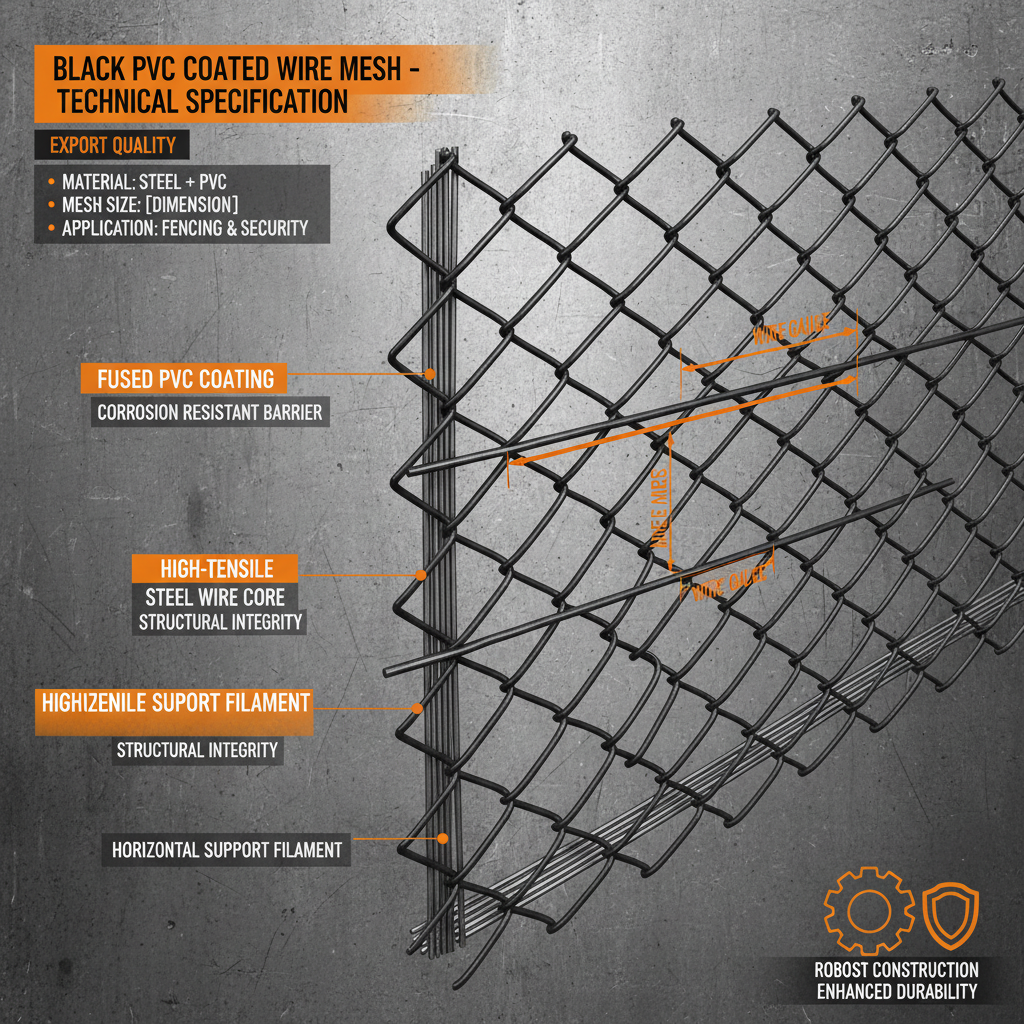
Coating technology is the second pillar of durability. Whether utilizing a zinc-rich galvanization process or a multi-layer powder coating, the goal is to prevent rust. For a steel wire mesh fence deployed in saline or humid environments, the application of a PVC outer layer serves as a critical barrier, extending the lifespan of the structure by 15-20 years compared to untreated steel.
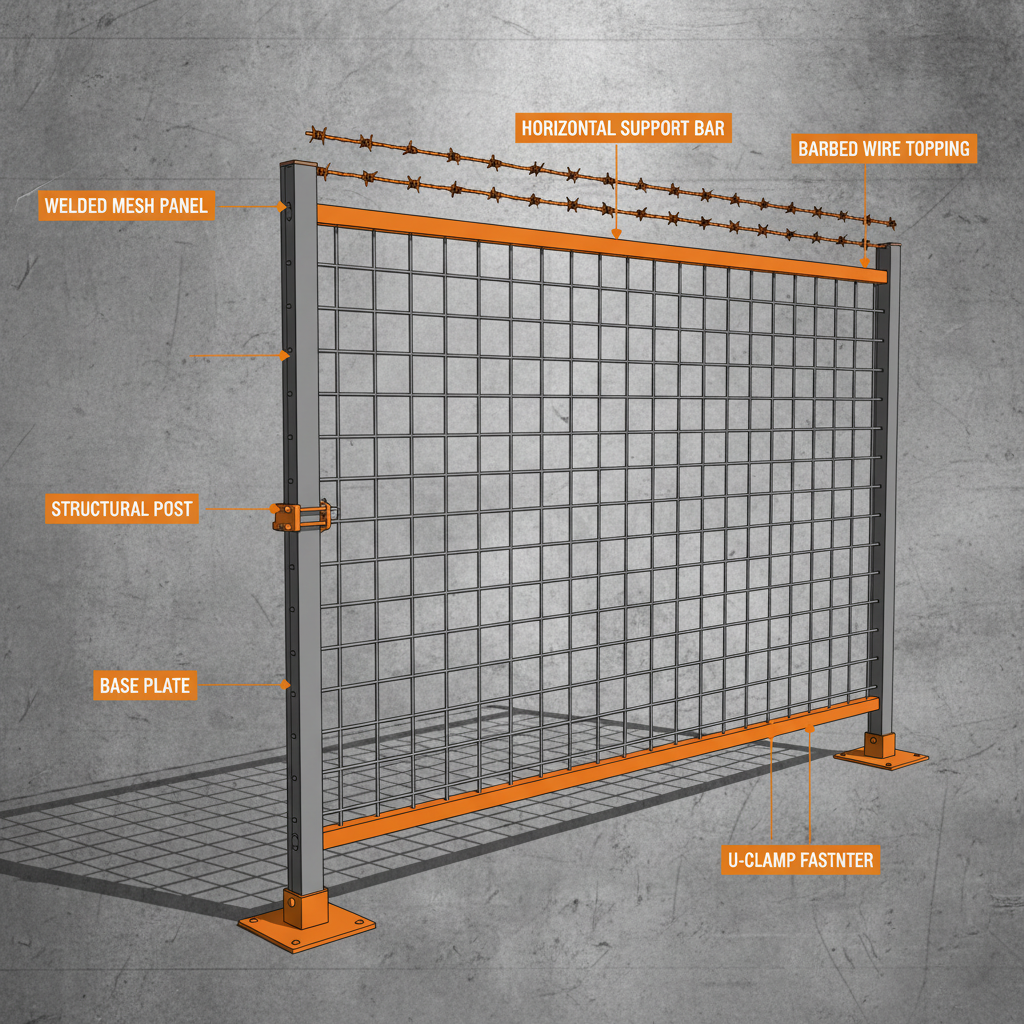
Finally, the integration of support posts and fixing hardware cannot be overlooked. The stability of the mesh depends on the rigidity of the posts and the security of the fasteners. Using heavy-duty brackets and anti-theft bolts ensures that the steel wire mesh fence remains taut and upright, preventing sagging and reducing the risk of structural breaches.
Global Applications and Industrial Use Cases
The versatility of the steel wire mesh fence makes it indispensable across various global sectors. In the energy sector, specifically around solar farms and wind turbines, these fences prevent wildlife interference and unauthorized human access while allowing wind to pass through, reducing the wind load on the structure.
In industrial zones, such as chemical plants or refineries, the "358 Anti-Climb" variant is frequently employed. Its tight apertures make it nearly impossible for intruders to find a foothold or use standard cutting tools, providing a high-security envelope. Similarly, in remote mining operations in regions like Australia or Canada, heavy-duty galvanized mesh is used to delineate safe zones from hazardous excavation areas.
Security Performance Comparison of Steel Wire Mesh Fence Types
Advantages and Long-Term Economic Value
Investing in a professional steel wire mesh fence offers a compelling return on investment (ROI) due to its longevity. Unlike wooden fences that rot or plastic fences that degrade under UV exposure, steel mesh maintains its structural integrity for decades. The reduction in replacement frequency translates directly into lower long-term capital expenditure.
Beyond the numbers, there is a significant "peace of mind" value. The reliability of a steel barrier fosters a sense of trust and safety for employees and residents. Furthermore, the scalability of these systems allows for easy expansions; as a facility grows, the mesh can be extended or reinforced without requiring a complete teardown, showcasing an innovative approach to modular growth.
Future Trends in Fencing Innovation
The future of the steel wire mesh fence is inextricably linked to the "Smart City" movement. We are seeing the integration of IoT sensors directly into the mesh structure. These sensors can detect vibrations or wire-cutting attempts in real-time, alerting security personnel to the exact location of a breach via a digital dashboard.
Sustainability is also driving material science. New alloys are being developed that offer higher strength with lower carbon footprints during production. Additionally, there is a shift toward "Green Fencing," where steel mesh is designed to support climbing plants, blending high-security boundaries with urban reforestation efforts to combat heat island effects.
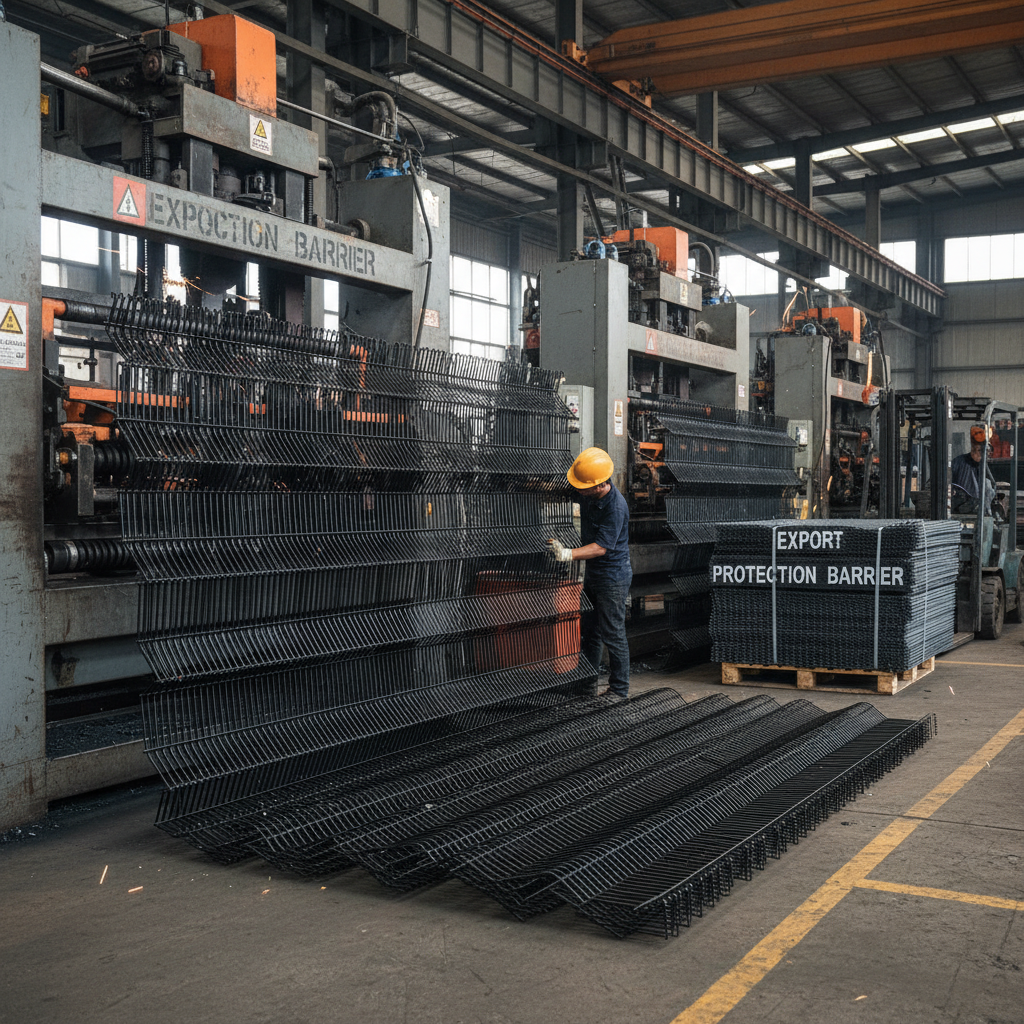
Automation in manufacturing, such as robotic welding and AI-driven quality control, is ensuring that every panel of a steel wire mesh fence is identical in strength and dimension. This precision reduces installation time and ensures that there are no weak points in the perimeter, creating a seamless shield around protected assets.
Common Challenges and Engineering Solutions
One of the most persistent challenges with a steel wire mesh fence is corrosion in extreme environments. Salt spray in coastal areas can penetrate traditional coatings. The engineering solution is the adoption of "Duplex Systems," which combine hot-dip galvanizing with an additional powder coating, creating two independent layers of protection.
Another common issue is "fence sag," where the mesh loses tension over time due to temperature fluctuations. To solve this, engineers now utilize tensioning wires and adjustable bracing systems that allow for the fence to be "re-tightened" without needing to replace the entire section, significantly extending the operational life of the installation.
Finally, the struggle between high security and aesthetic appeal is often a point of contention. The solution lies in customized architectural mesh, where the steel wire mesh fence is designed with specific patterns and colors that complement the surrounding architecture while maintaining the same anti-climb properties.
Technical Analysis of Steel Wire Mesh Fence Performance and Costs
| Fence Type |
Corrosion Resistance (1-10) |
Installation Speed |
Maintenance Cost |
| Galvanized Chain Link |
6 |
Very Fast |
Low |
| PVC Coated Welded Mesh |
9 |
Fast |
Very Low |
| 358 Anti-Climb Mesh |
8 |
Moderate |
Low |
| 3D Panel Fence |
7 |
Very Fast |
Moderate |
| Stainless Steel Mesh |
10 |
Slow |
Minimal |
| Expanded Metal Fence |
7 |
Moderate |
Moderate |
FAQS
Welded mesh is created by fusing wires together at every intersection using heat, resulting in a rigid, stable structure with a clean look. Woven mesh is created by intertwining wires, which allows for more flexibility and makes it better suited for undulating ground or areas where the fence may need to absorb impact without snapping. Welded is typically preferred for security, while woven is common in agricultural settings.
The lifespan depends heavily on the environment and the coating thickness. A standard hot-dip galvanized fence can last 20-30 years in temperate climates. However, if a PVC coating is added on top of the galvanization, the lifespan can extend to 50 years or more by providing an airtight seal that prevents moisture and salt from reaching the base steel.
Yes, significantly. Anti-climb mesh (like the 358 system) uses a much smaller aperture (gap size), which prevents intruders from getting a finger-hold or a toe-hold. Additionally, the wires are thicker and harder to cut with manual pliers compared to the thinner, twisted wires found in traditional chain-link fences, making it the superior choice for high-security perimeters.
Absolutely. Most manufacturers offer a wide range of heights, from 1.2 meters for residential use to over 3 meters for industrial security. Color customization is typically achieved through powder coating or PVC dipping, allowing the fence to blend into the natural landscape (green/brown) or match corporate branding (grey/black/white) without compromising the protective properties of the steel.
Prevention starts with proper installation. Using a tensioning wire (top, middle, and bottom) ensures the mesh is pulled taut against the posts. For existing fences, installing adjustable tensioners or adding additional support struts at corners and ends can resolve sag. Choosing high-tensile steel also minimizes the natural stretching that occurs during temperature shifts.
For coastal environments, a "Duplex" coating is the best option. This involves a thick layer of hot-dip galvanizing followed by a high-grade PVC or powder coating. The galvanization provides sacrificial protection, while the outer layer blocks salt spray. Stainless steel (Grade 316) is the ultimate premium choice for maximum corrosion resistance in marine environments.
Conclusion
In summary, the steel wire mesh fence represents the optimal intersection of strength, versatility, and longevity. By understanding the nuances between welded and woven structures, the importance of advanced coatings like PVC and galvanization, and the strategic application of anti-climb technology, property owners can create perimeters that are not only secure but also cost-effective over the long term.
As we look toward a future of integrated smart security and sustainable materials, the evolution of steel mesh will continue to provide the backbone for global infrastructure protection. We recommend conducting a site-specific risk assessment to choose the right mesh gauge and coating, ensuring your boundary remains a reliable asset for decades to come. Visit our website for professional guidance and high-quality solutions: www.fencingwiremesh.com