
Understanding Chain Wire Fencing: A Comprehensive Guide
Chain wire fencing, also known as hurricane fencing or chain-link fencing, is a versatile and cost-effective security solution widely used in residential, commercial, and industrial applications. Its durability, affordability, and ease of installation make it a popular choice for perimeter security, animal containment, and recreational facilities. This article delves into the specifics of chain wire fencing, exploring its materials, applications, installation tips, and benefits. Whether you're looking to secure your property, contain livestock, or create a safe play area, chain wire fencing offers a practical and reliable solution.
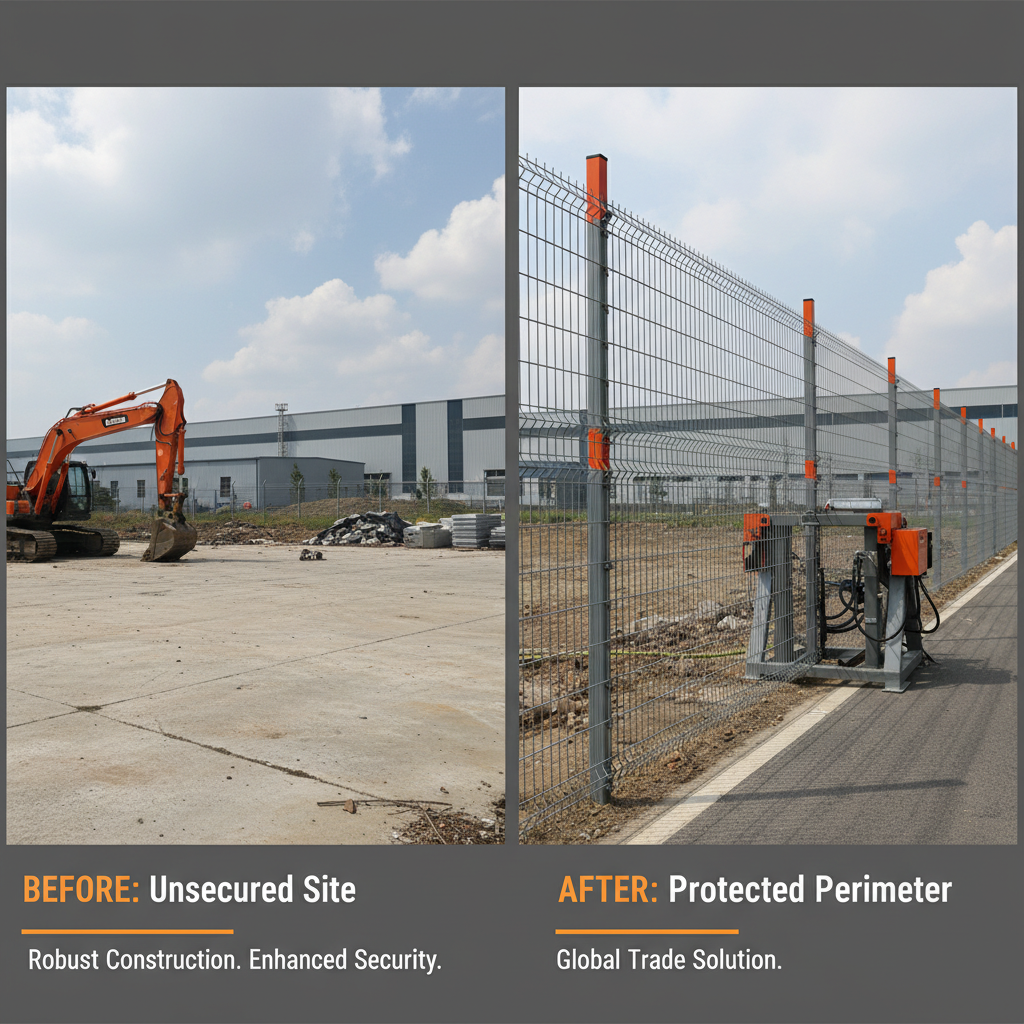
What is Chain Wire Fencing Made Of?
Chain wire fencing is constructed from woven steel wire that is formed into interlocking diamond-shaped patterns. The wire is typically galvanized with zinc to prevent rust and corrosion, extending the lifespan of the fence. Heavier gauge wires provide greater strength and durability. Common wire gauges range from 9 gauge (heavy duty) to 14 gauge (light duty). The framework supporting the wire mesh typically consists of steel posts, top rails, and tension bars. These components are also often galvanized to resist the elements. The quality of the galvanization significantly impacts the fence's resistance to corrosion. Choosing a reputable supplier like Fencing Wire Mesh ensures high-quality materials and construction.
Key Components: Galvanized steel wire mesh, steel posts, top rails, tension bars, fittings and hardware.
Common Applications of Chain Wire Fencing
Chain wire fencing's versatility shines through its diverse range of applications. Residential homeowners often use it to secure backyards, swimming pools, and pet enclosures. Commercial properties utilize it for perimeter security around warehouses, factories, and storage facilities. Schools and parks frequently employ chain wire fencing to delineate boundaries and create safe play areas. Agricultural applications include containing livestock, creating paddocks, and protecting crops. The affordability and durability of chain wire fencing make it an ideal choice for large-scale projects and areas requiring robust security.
Typical Use Cases:
• Residential Security
• Commercial Perimeter Security
• Animal Containment
• Sports Fields and Courts
Chain Wire Fencing: Gauge, Height, and Coating – What to Consider
Choosing the right chain wire fencing involves considering several factors, including wire gauge, fence height, and coating type. The gauge refers to the thickness of the wire; lower numbers indicate thicker, more durable wire. Common heights range from 3ft to 8ft, depending on the security needs and intended application. Coatings, such as galvanization and vinyl, provide corrosion resistance and enhance the aesthetic appeal of the fence. Here's a breakdown of common specifications:
Installation Considerations for Chain Wire Fencing
Proper installation is crucial for the longevity and effectiveness of chain wire fencing. The first step involves setting the posts securely in concrete, ensuring they are plumb and properly spaced. Next, the top rail is attached to the posts, providing support for the chain wire fabric. The chain wire is then unrolled and tensioned using tension bars and tension bands. Finally, tie wires are used to secure the chain wire to the top rail and intermediate rails. Professional installation is recommended to ensure a secure and aesthetically pleasing result. Fencing Wire Mesh provides resources and expertise to assist with your installation needs.
Benefits of Choosing Chain Wire Fencing
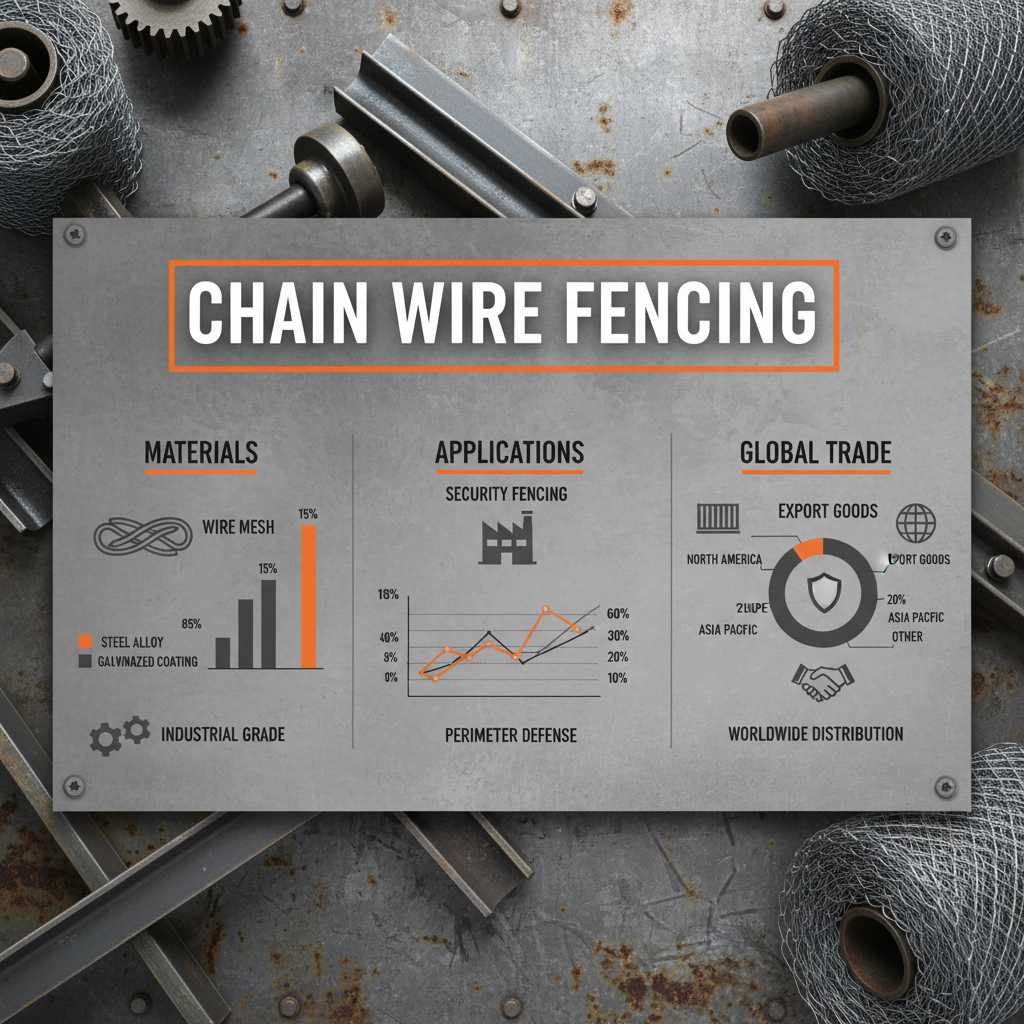
Chain wire fencing offers a multitude of benefits. It's a highly cost-effective security solution compared to other fencing options like wood or iron. Its durable construction ensures long-lasting performance, requiring minimal maintenance. The open weave design allows for visibility, making it ideal for areas where monitoring is important. It's also relatively easy to install, reducing labor costs. Furthermore, chain wire fencing is a versatile option that can be customized to meet specific needs, such as adding privacy slats or barbed wire for enhanced security.
Conclusion: A Secure and Practical Fencing Solution
Chain wire fencing remains a popular choice for a wide range of applications due to its affordability, durability, and versatility. Whether you need to secure your property, contain animals, or create a safe play area, chain wire fencing from Fencing Wire Mesh provides a reliable and cost-effective solution. Invest in quality materials and proper installation to ensure long-lasting performance and peace of mind.
Frequently Asked Questions (FAQs)
What is the typical lifespan of chain wire fencing?
The lifespan of chain wire fencing varies depending on the coating and environmental conditions. Galvanized chain wire typically lasts 10-20 years, while vinyl-coated fencing can last 15-25 years or even longer. Regular maintenance, such as cleaning and inspecting for damage, can extend the lifespan. Coastal areas with high salt exposure may require more frequent maintenance or the use of heavier-duty coatings. Choosing a reputable supplier like Fencing Wire Mesh ensures you receive high-quality materials designed for longevity.
Can chain wire fencing be used for animal containment?
Yes, chain wire fencing is commonly used for animal containment, particularly for dogs, horses, and livestock. However, the appropriate gauge and height of the fence will depend on the size and breed of the animal. For smaller animals, a smaller mesh size may be necessary to prevent escape. For larger animals, a heavier gauge wire and taller fence height are recommended. Adding a top rail can also prevent animals from reaching over the fence.
What are privacy slats, and how do they enhance chain wire fencing?
Privacy slats are inserts that are woven into the chain wire mesh to reduce visibility and provide a degree of privacy. They are typically made from polyethylene or PVC and come in various colors. Privacy slats can significantly enhance the aesthetic appeal of chain wire fencing while also providing additional security and wind protection. They are a cost-effective way to transform a basic chain wire fence into a more visually appealing and private barrier.
Is chain wire fencing difficult to repair?
Chain wire fencing is relatively easy to repair. Minor damage, such as broken wires, can often be repaired with wire connectors or by re-tensioning the fence. More significant damage, such as a broken post, may require replacement of the affected section. Having a basic understanding of fence construction and using the right tools can make the repair process straightforward. For complex repairs, consulting a professional fencing contractor is recommended.
3.webp "ODM Double Barbed Wire Fence For Farm fences Made Of Galvanized wire Mesh")