
Understanding Galvanized Chain Link: A Comprehensive Guide
Galvanized chain link is a versatile and durable fencing solution widely used in various applications, from security perimeters to agricultural enclosures. Its corrosion resistance, coupled with its affordability and ease of installation, makes it a popular choice for both residential and commercial properties. This article provides an in-depth look at galvanized chain link, covering its benefits, applications, types, installation considerations, and long-term maintenance. We’ll also discuss how to choose the right chain link for your specific needs. Explore our selection of high-quality chain link fencing today!
The Benefits of Choosing Galvanized Chain Link
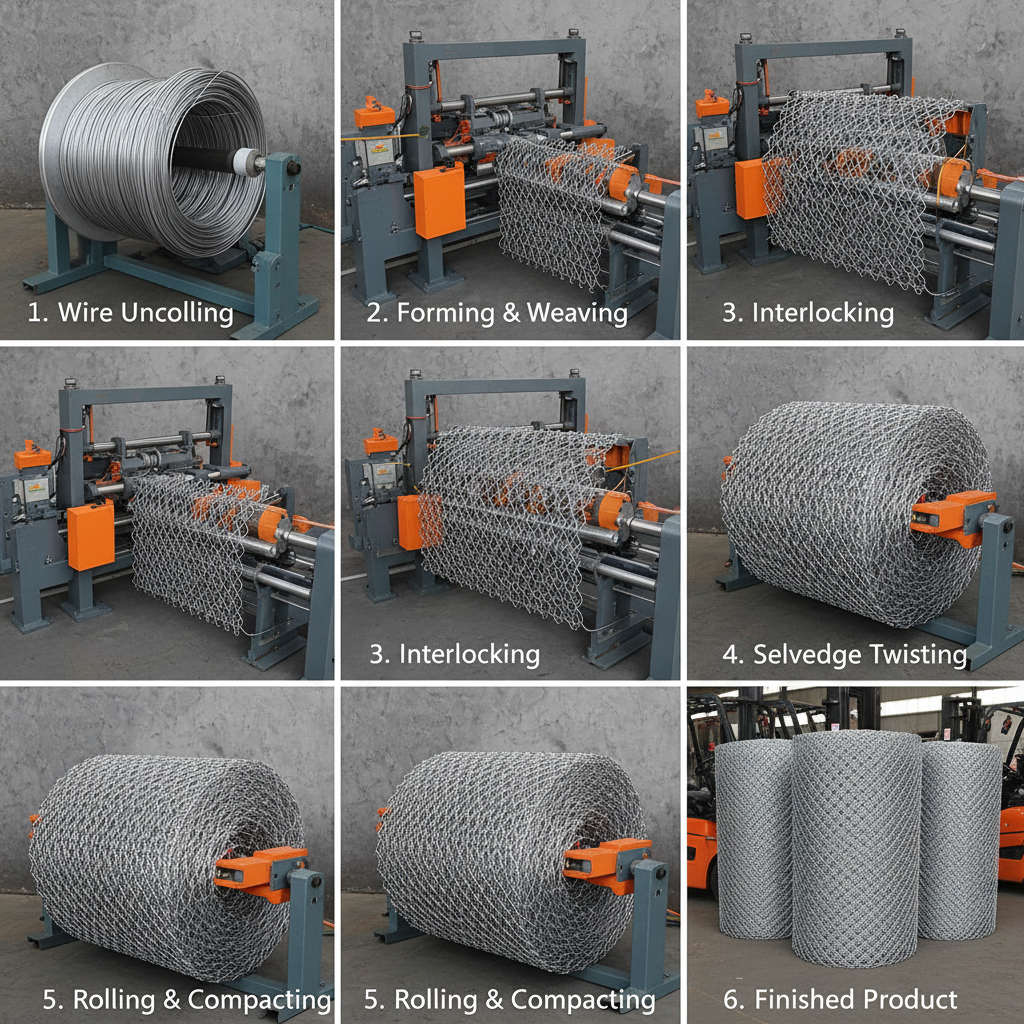
The primary advantage of galvanized chain link is its exceptional resistance to corrosion. The galvanization process – applying a protective zinc coating – prevents rust and degradation, even in harsh weather conditions. This makes it significantly more durable than non-galvanized alternatives. Furthermore, chain link is relatively inexpensive compared to other fencing options like wood or wrought iron. It requires minimal maintenance, offering a cost-effective, long-lasting solution. It also allows for clear visibility, which can be an advantage for security applications. The open weave design doesn’t obstruct lines of sight, providing enhanced monitoring capabilities.
Key Highlights: Excellent corrosion resistance, affordable, low maintenance, and provides clear visibility. Chain link provides a secure barrier for various needs.
Applications of Galvanized Chain Link Fencing
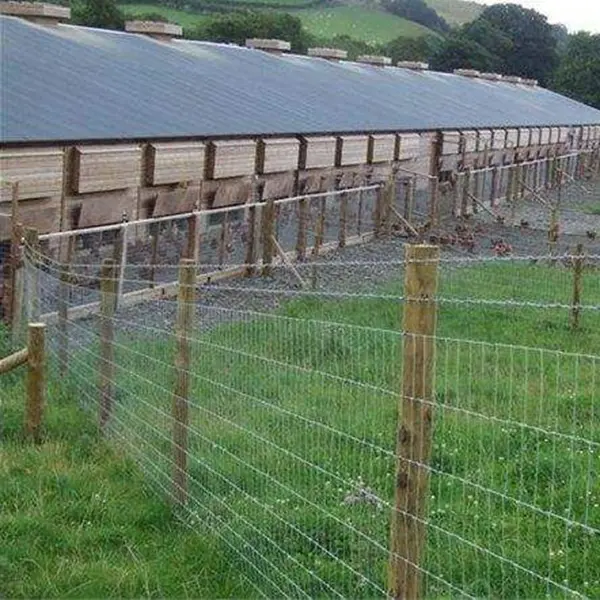
Galvanized chain link is incredibly versatile and finds applications in a wide range of settings. Common uses include: Security fencing around commercial properties, schools, and industrial facilities; perimeter fencing for residential homes, offering security and privacy; animal enclosures for farms and agricultural operations; tennis courts and baseball fields, providing a safe and durable boundary; and temporary fencing for construction sites or events. Its adaptability and strength make it a practical solution for countless fencing needs.
Common Applications:
• Security Fencing
• Residential Boundaries
• Animal Enclosures
• Sports Fields
• Temporary Barriers
Types of Galvanized Chain Link: A Detailed Comparison
While all galvanized chain link shares the core benefit of corrosion resistance, different types are available to meet specific requirements. The main distinctions lie in the wire gauge (thickness) and the coating thickness. Heavier gauges offer greater strength and durability. Coating thickness affects the level of protection against rust. Here's a comparison:
Installation Considerations for Galvanized Chain Link
Proper installation is crucial for ensuring the longevity and effectiveness of your galvanized chain link fence. Key considerations include: Post spacing – typically 8-10 feet apart for optimal support; post depth – at least 2-3 feet deep for stability; using appropriate hardware – galvanized steel components are essential to prevent corrosion; and tensioning the chain link fabric correctly – proper tensioning ensures a taut and secure fence. If you’re not experienced with fence installation, it’s best to consult a professional installer.
Maintenance and Longevity
While galvanized chain link is relatively low-maintenance, periodic inspections can help extend its lifespan. Regularly check for any signs of damage, such as broken wires or loose hardware. Clean the fence periodically to remove dirt and debris. If rust spots appear, address them promptly with a rust-inhibiting primer and paint. With proper care, a galvanized chain link fence can provide decades of reliable service. Browse our extensive range of fencing solutions at FencingWireMesh.com!
Conclusion: The Enduring Value of Galvanized Chain Link
Galvanized chain link remains a popular fencing choice due to its durability, affordability, and versatility. Understanding the different types, installation requirements, and maintenance practices ensures you make the right investment for your specific needs. By choosing quality materials and proper installation, you can enjoy a secure and long-lasting fencing solution.
Frequently Asked Questions (FAQs)
What is the difference between galvanized and vinyl-coated chain link?
While both offer corrosion resistance, they do so in different ways. Galvanized chain link is coated with zinc, providing a protective layer. Vinyl-coated chain link has a layer of PVC plastic over the galvanized wire. Vinyl coating adds color, increased corrosion protection (especially against certain chemicals), and a slightly softer feel, but it's generally more expensive. Galvanized is a great standard choice, while vinyl-coated is often preferred in coastal areas or environments with harsh chemicals.
How long will a galvanized chain link fence last?
The lifespan of a galvanized chain link fence depends on several factors, including the quality of the galvanization, the climate, and maintenance. Typically, it can last 15-20 years or even longer with proper care. Areas with high humidity, salt air, or industrial pollution may require more frequent maintenance. Regular cleaning and addressing any rust spots promptly will significantly extend its lifespan.
Is chain link fencing a secure option?
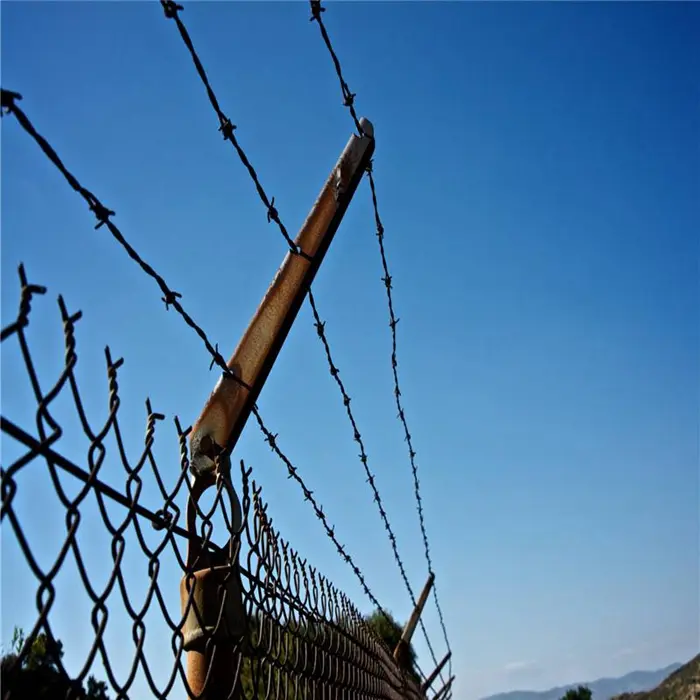
Yes, chain link fencing is a highly effective security solution. While it doesn't offer complete visual privacy, its open weave allows for clear visibility for monitoring. When combined with appropriate height, sturdy posts, and secure gates, it provides a strong deterrent against unauthorized access. Adding security features like razor wire or barbed wire can further enhance its security level.
What is the best gauge chain link for a dog enclosure?
For a dog enclosure, a 9-gauge or 11.5-gauge chain link is typically recommended, depending on the size and breed of the dog. Larger, more powerful breeds may require the heavier 9-gauge for added durability and to prevent them from damaging or escaping through the fence. Ensure the bottom of the fence is securely anchored to prevent digging. Consider using a smaller mesh size at the bottom to contain smaller breeds.