
Understanding the Versatility of a Cyclone Fence
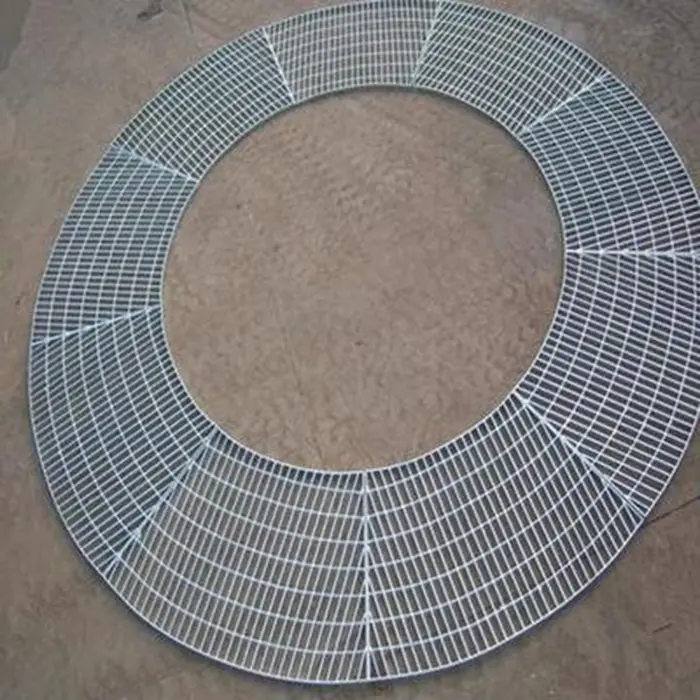
A cyclone fence, also known as chain-link fencing, is a widely used and cost-effective solution for a variety of perimeter security and containment needs. Its robust construction and inherent flexibility make it an ideal choice for residential, commercial, and industrial applications. From securing properties to containing animals, a cyclone fence provides a dependable barrier. This article will explore the benefits, applications, installation considerations, and material options for cyclone fences, providing a comprehensive guide for potential buyers. We’ll help you understand why it continues to be a popular choice for fencing solutions globally.
Key Benefits of Choosing a Cyclone Fence
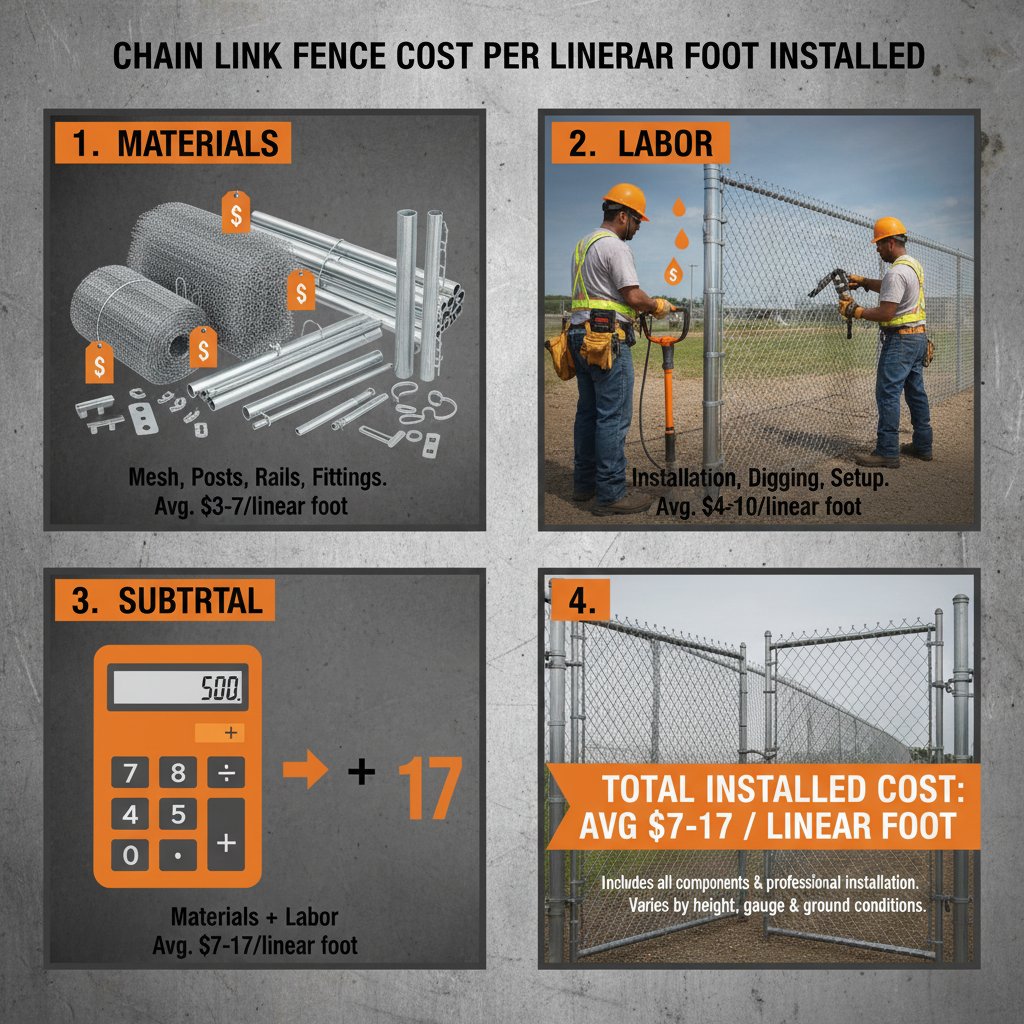
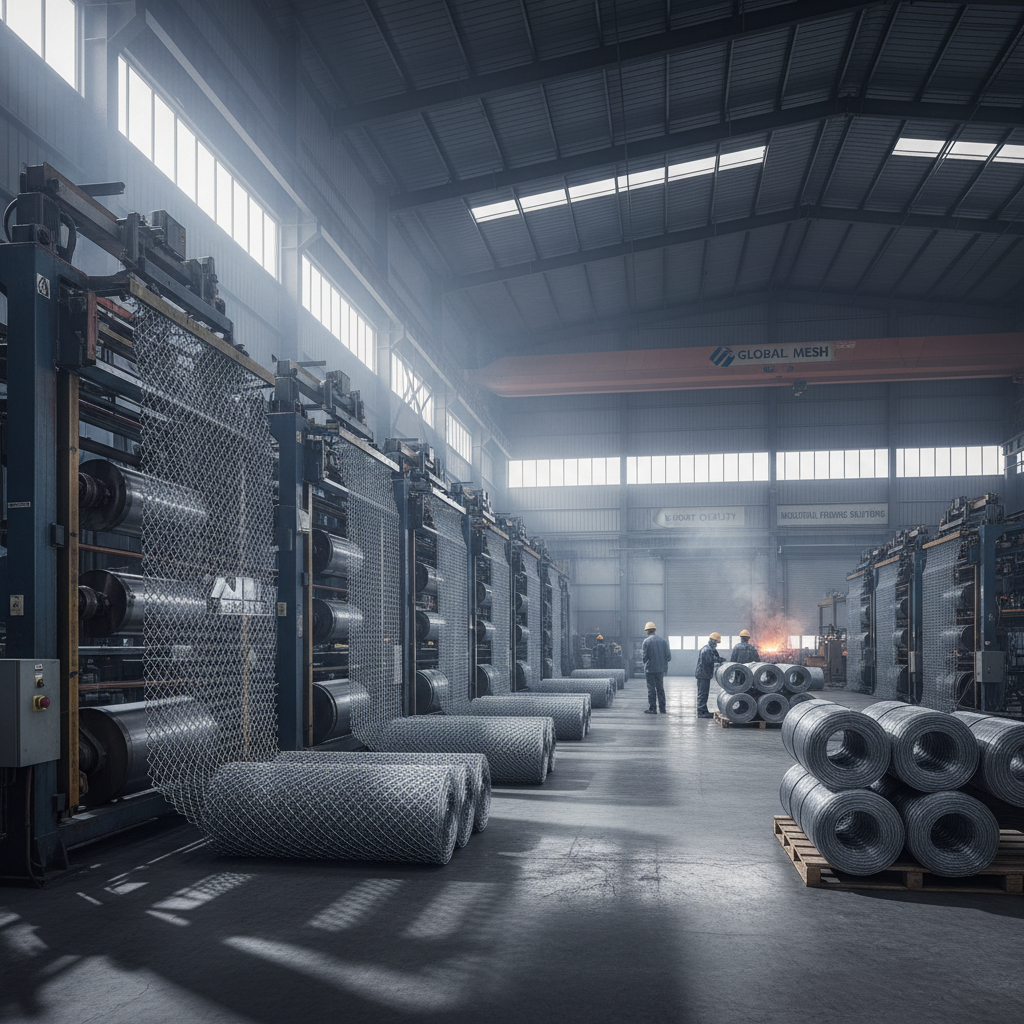
Cyclone fences offer a compelling combination of benefits, making them a preferred choice for many. First and foremost, they are remarkably durable and resistant to wear and tear, providing long-lasting security. They require minimal maintenance compared to other fencing materials like wood, reducing long-term costs. The open mesh design allows for good visibility, which is important for security monitoring and aesthetic considerations. Importantly, cyclone fences are relatively easy and quick to install, leading to cost savings on labor. Fencing Wire Mesh offers a wide range of cyclone fencing options to fit your specific needs.
Key Highlights: Durable, low maintenance, good visibility, easy installation, cost-effective security.
Common Applications for Cyclone Fencing
The adaptability of cyclone fencing means it’s suitable for a diverse range of applications. Residential properties often utilize it for yard boundaries and pet containment. Commercial businesses and industrial facilities rely on it for perimeter security, safeguarding assets and controlling access. Schools and parks commonly use it for playground enclosures and general boundary demarcation. Sporting facilities often employ cyclone fencing as spectator barriers and to define playing areas. Animal enclosures, from farms to zoos, benefit from its secure containment properties.
Application Areas:
• Residential Boundaries
• Commercial Security
• Industrial Perimeter Control
• Sports Field Enclosures
Cyclone Fence Materials and Specifications
Cyclone fences are typically constructed from galvanized steel wire, which offers excellent corrosion resistance. For enhanced protection, PVC-coated cyclone fencing is available, providing an additional layer of defense against the elements and improving the aesthetic appearance. The wire gauge, mesh size, and post size are crucial specifications to consider based on the intended application and security requirements. Heavier gauge wire and smaller mesh sizes provide greater security. Post spacing is also important; closer spacing increases stability.
Installation Considerations for a Cyclone Fence
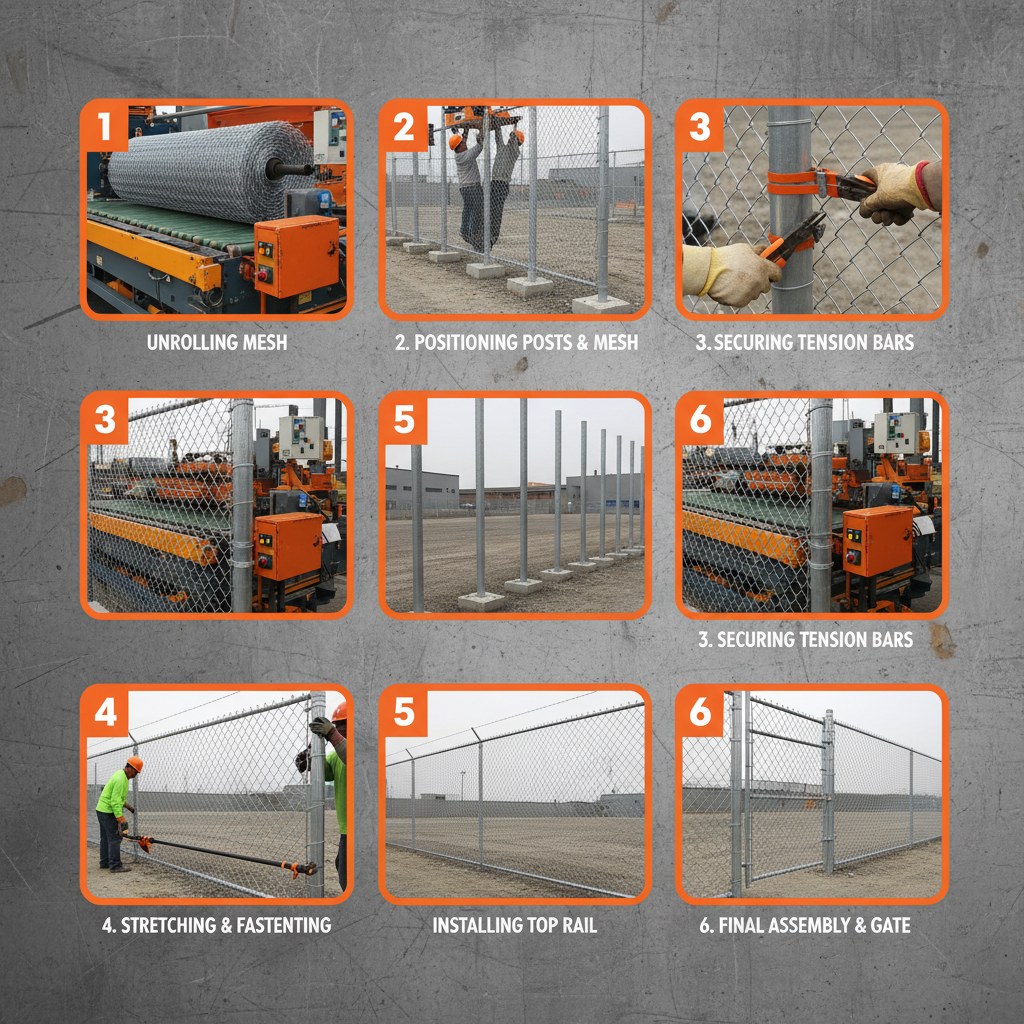
Proper installation is critical to the longevity and effectiveness of a cyclone fence. It’s recommended to hire professional installers, especially for larger projects. Key considerations include ensuring posts are set at the correct depth and spacing, using appropriate tensioning techniques for the wire mesh, and securing the fence to sturdy terminals and bracing. The ground conditions also play a role, as unstable soil may require additional reinforcement. Always check local regulations and permitting requirements before starting any fencing project. Consult with experts at Fencing Wire Mesh for guidance on installation best practices.
Comparing Cyclone Fencing to Other Options
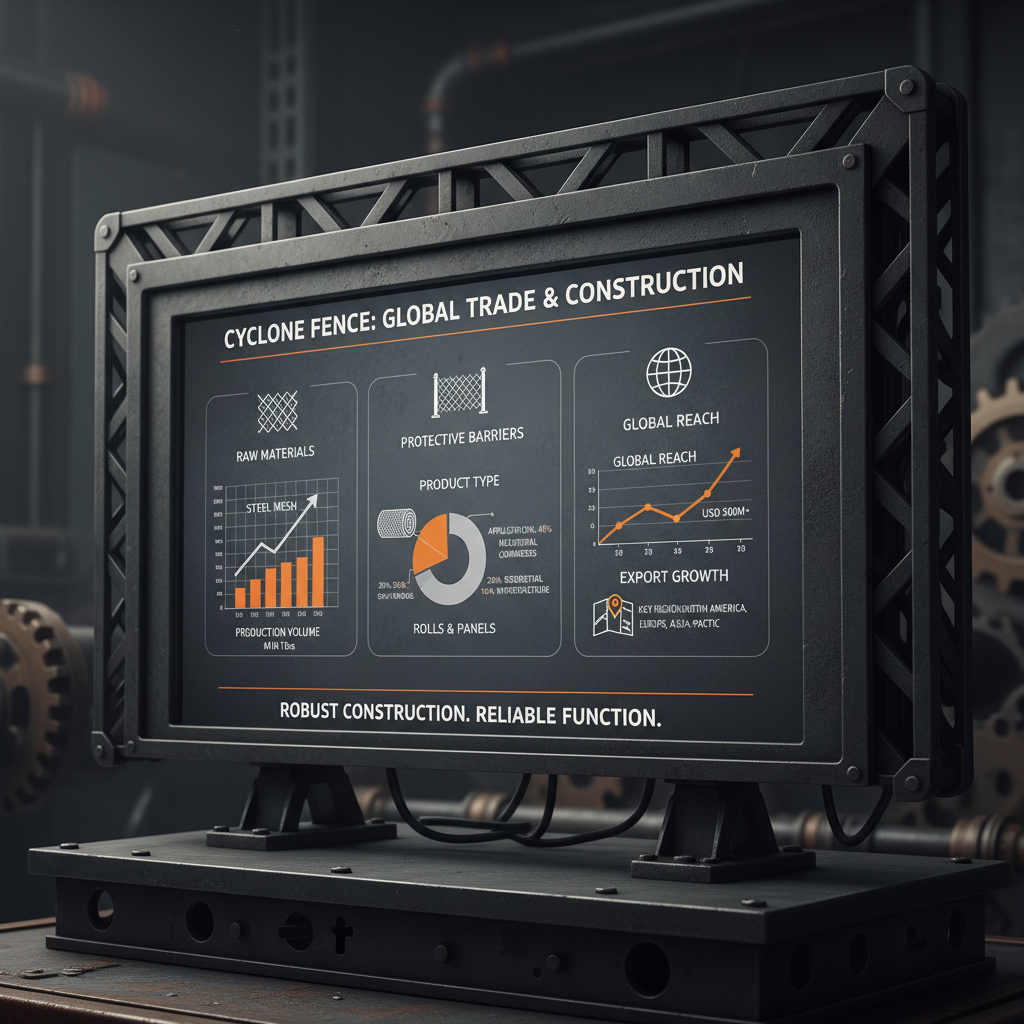
When considering fencing options, it's helpful to compare cyclone fencing to alternatives like wood, vinyl, and wrought iron. Wood fences offer privacy but require significant maintenance. Vinyl fences are low-maintenance but can be more expensive. Wrought iron provides high security and aesthetic appeal but is the most costly option. Cyclone fencing strikes a balance, providing good security, durability, and affordability. Its open design may not offer the same level of privacy as solid fences, but its visibility can be an advantage for security purposes.
Conclusion: A Reliable and Versatile Fencing Solution
The cyclone fence remains a popular choice for a reason. Its combination of affordability, durability, and versatility makes it suitable for a wide range of applications. Whether you're securing a residential property, protecting a commercial site, or containing animals, a cyclone fence offers a reliable and cost-effective solution. Investing in a quality cyclone fence from a reputable supplier like Fencing Wire Mesh ensures long-lasting performance and peace of mind.
Frequently Asked Questions (FAQs)
What is the typical lifespan of a cyclone fence?
With proper installation and maintenance, a cyclone fence can last for 10-20 years or even longer. Galvanized steel fences typically have a longer lifespan than those without galvanization. PVC-coated fences offer enhanced corrosion resistance, further extending their durability. Regular inspection for signs of rust or damage is recommended. Replacing damaged components promptly can prevent further deterioration and prolong the overall lifespan of the fence.
Is a cyclone fence suitable for high-security applications?
While cyclone fencing provides a good level of security, its effectiveness in high-security applications depends on several factors. Using a heavier gauge wire, smaller mesh size, and closer post spacing will significantly enhance its security. Adding security toppings, such as barbed wire or razor wire, can further deter intruders. Professional installation is crucial to ensure the fence is properly tensioned and secured. For extremely high-security needs, other fencing options like wrought iron or reinforced concrete may be more appropriate.
What maintenance is required for a cyclone fence?
Cyclone fences require relatively minimal maintenance. Regular inspection for signs of rust or damage is important. If rust appears, it can be treated with a rust inhibitor and repainted. Ensure that the fence posts remain plumb and that the wire mesh is properly tensioned. Remove any vegetation growing around the fence, as this can contribute to corrosion and damage. For PVC-coated fences, occasional cleaning with mild soap and water will help maintain their appearance.
How does the height of a cyclone fence affect its security?
The height of a cyclone fence directly impacts its security. A higher fence is more difficult to climb and provides a greater barrier to entry. For residential properties, a 1.8-meter (6-foot) fence is generally sufficient. Commercial and industrial applications often require higher fences, typically 2.4 meters (8 feet) or taller, especially in areas with higher security concerns. Consider adding security toppings to further enhance the deterrent effect.