
Understanding Chain Link Fence Cost Per Foot Installed
When planning a security or property boundary solution, a chain link fence is a popular and cost-effective choice. Knowing the chain link fence cost per foot installed is crucial for budgeting and making informed decisions. This article will break down the factors that influence pricing, provide a cost estimate, explore different options, and offer tips for getting the best value. We'll help you navigate the pricing landscape to ensure you get a secure and reliable fence within your budget.
Factors Influencing Chain Link Fence Cost
Several key factors determine the final chain link fence cost per foot installed. These include the height and gauge of the chain link fabric, the post material and spacing, the type of gate(s) included, and the labor costs in your area. Terrain complexity also plays a role – installing a fence on uneven ground requires more labor and potentially more materials. Furthermore, local permits and regulations can add to the overall expense. The quality of materials significantly impacts the price; heavier gauge wire and galvanized or vinyl-coated finishes will be more expensive but offer greater durability and longevity.
Key Cost Influencers: Height, gauge, post type, gate quantity, labor rates, terrain, and material quality.
Average Chain Link Fence Cost Per Foot Installed (2024)
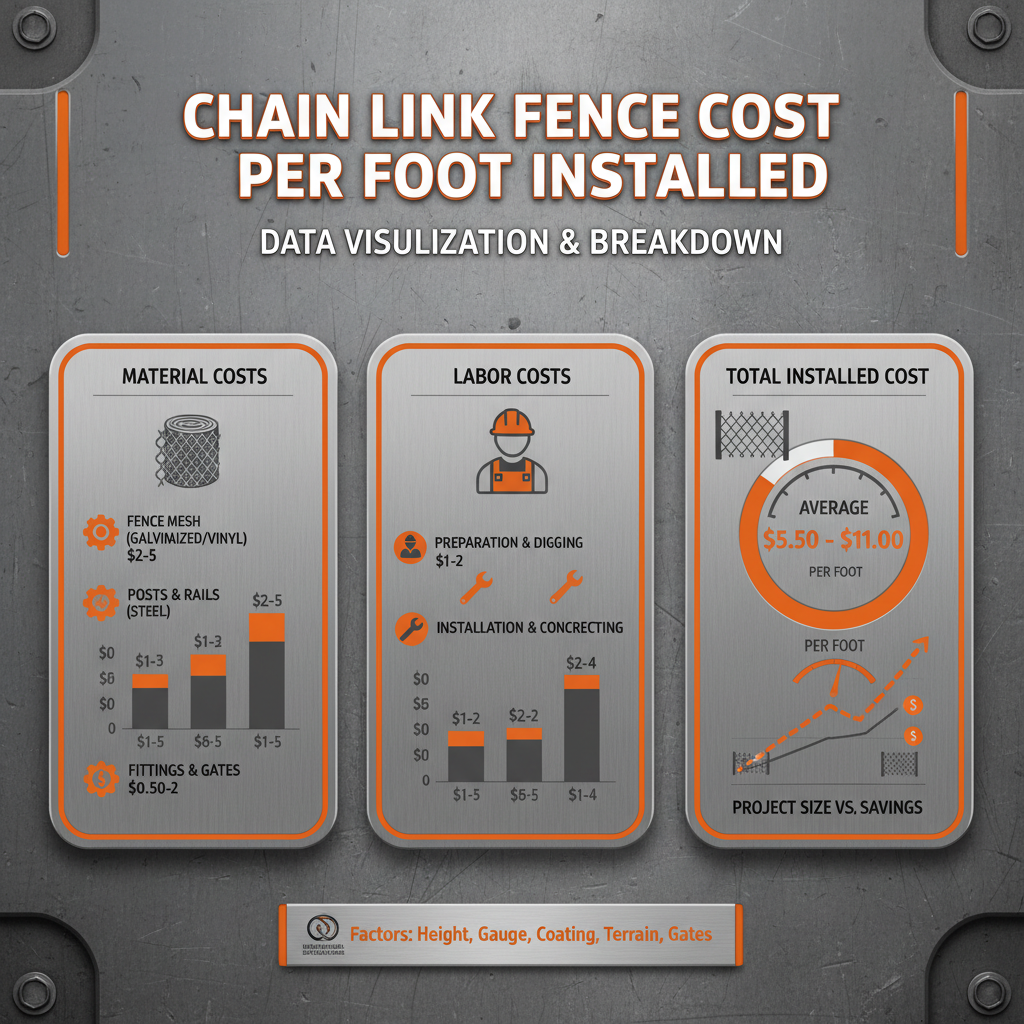
As of late 2024, the average chain link fence cost per foot installed generally ranges from $15 to $35. However, this is a broad estimate. Here's a more detailed breakdown based on height and material quality:
Comparing Chain Link Options: Cost vs. Durability
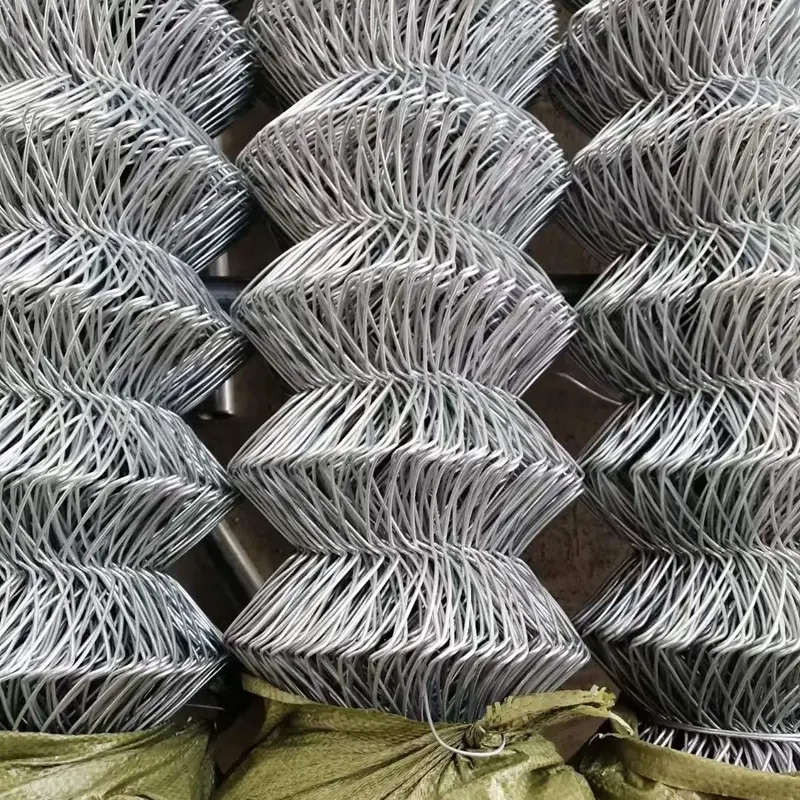
The type of chain link fabric you choose directly impacts both the cost and the durability of your fence. Lighter gauge wire is less expensive but more susceptible to stretching and damage. Heavier gauge wire offers superior strength and longevity, making it a worthwhile investment for high-security applications or areas prone to harsh weather. Vinyl-coated chain link provides added corrosion resistance and a more aesthetically pleasing appearance, but it typically comes at a higher price point. Consider your security needs and local climate when selecting the appropriate fabric.
Gate Costs and Installation
Don't forget to factor in the cost of gates! A standard 4-foot wide walk-through gate can add $150-$300 to the total cost, including installation. Larger double-drive gates will be significantly more expensive, ranging from $400 to $800 or more, depending on the size and automation features. Gate hardware, such as latches and hinges, also contributes to the expense. Automated gates require additional electrical work and control systems, further increasing the overall cost.
Tips for Saving Money on Your Chain Link Fence
Several strategies can help you minimize the chain link fence cost per foot installed. Getting multiple quotes from reputable fencing contractors is essential. Consider performing some of the site preparation work yourself, such as clearing vegetation and marking post locations. Opt for galvanized chain link if corrosion isn't a major concern, as it's more affordable than vinyl-coated options. Finally, avoid unnecessary gate features or automation if they aren't essential for your needs. Contacting Fencing Wire Mesh can provide you with quality materials for a competitive price.
Conclusion: Planning Your Chain Link Fence Investment
Understanding the factors that influence the chain link fence cost per foot installed is the first step toward making a smart investment. By carefully considering your needs, comparing options, and obtaining quotes from qualified contractors, you can ensure you get a secure, durable, and cost-effective fence solution. Remember to prioritize quality materials and professional installation for long-lasting results.
Frequently Asked Questions (FAQs)
What is the typical lifespan of a chain link fence?
A properly installed and maintained chain link fence can last for 20-30 years or even longer. Galvanized chain link typically has a longer lifespan than uncoated options. Vinyl-coated chain link offers the best corrosion resistance and can last even longer. Regular inspection and maintenance, such as cleaning and repairing any damaged sections, are crucial for maximizing the fence's lifespan. Environmental factors, such as exposure to salt air or harsh chemicals, can also affect its longevity.
Do I need a permit to install a chain link fence?
Yes, in most municipalities, you will need a permit to install a chain link fence. Permit requirements vary depending on your location and the height of the fence. It’s crucial to check with your local building department before starting any installation work. Failure to obtain a permit can result in fines or require you to remove the fence. The permit process usually involves submitting a site plan and adhering to specific height restrictions and setback requirements.
What is the best post material for a chain link fence?
The most common post materials for chain link fences are galvanized steel, aluminum, and wood. Galvanized steel posts are the most affordable and durable option, but they can be susceptible to rust over time. Aluminum posts are rust-resistant but are generally more expensive and less strong than steel. Wood posts are the least expensive upfront but require regular maintenance to prevent rot and insect damage. The best post material depends on your budget, climate, and desired longevity.