
Understanding Absorptive Sound Barriers for Noise Control
In today's increasingly noisy world, effective noise control is crucial for both health and productivity. Absorptive sound barriers represent a significant advancement in mitigating noise pollution across a variety of applications, from industrial settings to residential areas. These barriers work by converting sound energy into heat, reducing the intensity of noise reaching sensitive receptors. This article will provide a comprehensive overview of absorptive sound barriers, their benefits, applications, materials, and installation considerations, helping you determine the best solution for your noise control needs. Choosing the correct barrier can significantly improve the quality of life and work environments.
How Absorptive Sound Barriers Work
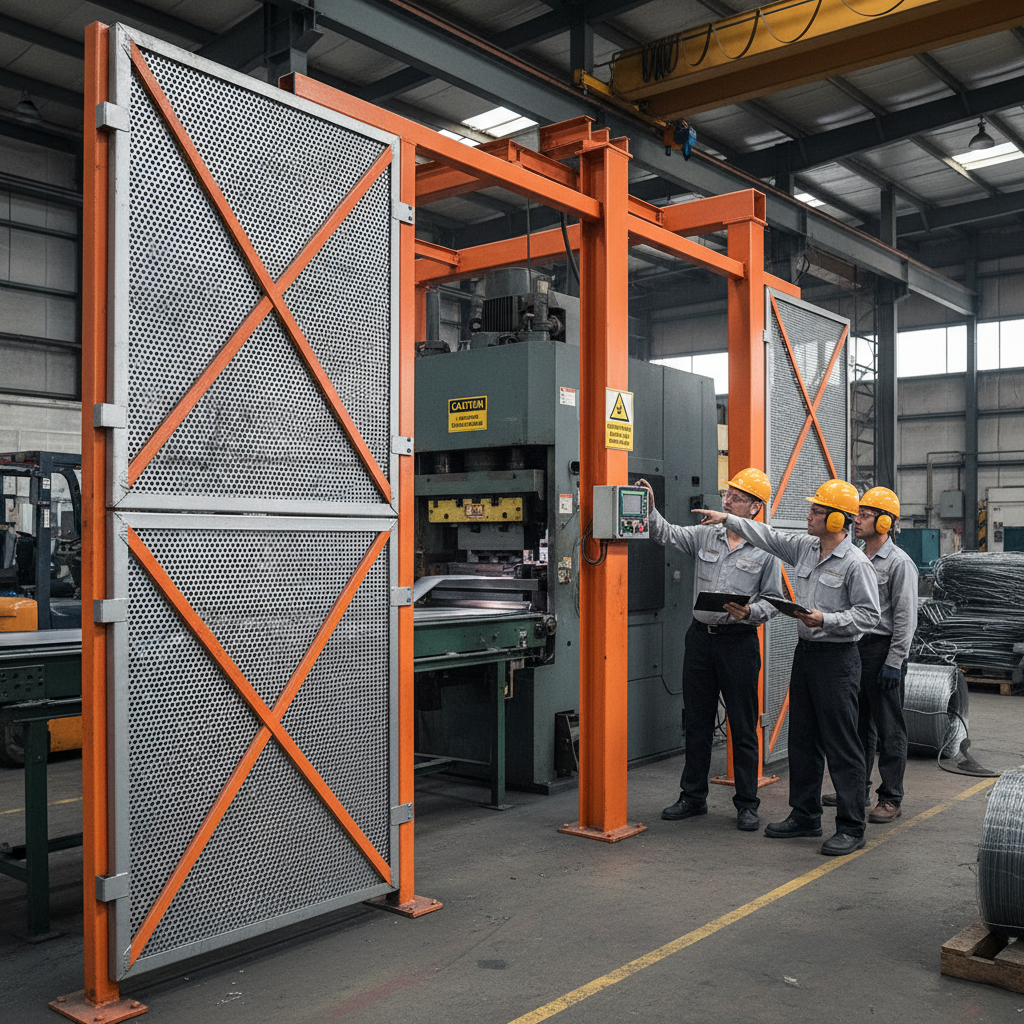
Unlike reflective barriers that bounce sound waves back, absorptive sound barriers are designed to absorb sound energy. They achieve this by utilizing porous materials containing numerous interconnected air voids. When sound waves enter these voids, friction converts the sound energy into a very small amount of heat, thereby diminishing the noise level. The effectiveness of an absorptive barrier depends on several factors including the material’s thickness, density, and porosity. This makes absorptive barriers particularly effective at reducing noise in enclosed or semi-enclosed spaces where reflections can exacerbate the problem. They are often used in conjunction with other noise control strategies for optimal results. Understanding the science behind absorptive materials is key to selecting the right solution for a given environment.
Key Highlights: Absorptive sound barriers reduce noise by converting sound energy into heat through porous materials. Their effectiveness relies on material thickness, density, and porosity.
Common Materials Used in Absorptive Sound Barriers
A variety of materials can be used to create effective absorptive sound barriers. Some of the most common include fiberglass, mineral wool, acoustic foam, and open-cell foam. Each material offers different levels of absorption, durability, and cost-effectiveness. Fiberglass and mineral wool are often used in industrial applications due to their high noise reduction coefficients (NRC) and fire resistance. Acoustic foam, particularly open-cell foam, is favored for studios and home theaters where sound quality is paramount. More sustainable options, like recycled cotton or cellulose, are also gaining popularity. The choice of material depends on the specific application, budget, and environmental considerations. You can find a wide range of suitable materials through providers like Fencing Wire Mesh.
Material Comparison:
• Fiberglass/Mineral Wool: High NRC, fire-resistant, durable.
• Acoustic Foam: Excellent sound absorption, lightweight, used for studios.
• Open-Cell Foam: High porosity, ideal for detailed sound control.
• Recycled Cotton/Cellulose: Sustainable, good absorption, eco-friendly.
Applications of Absorptive Sound Barriers
The versatility of absorptive sound barriers makes them suitable for a wide range of applications. In industrial settings, they can reduce noise from machinery and equipment, improving worker safety and productivity. Along highways and railways, they mitigate noise pollution for nearby residents. In commercial buildings, they create quieter office spaces and conference rooms. Home theaters and recording studios benefit from their ability to enhance sound clarity and reduce echoes. Even in residential settings, absorptive panels can significantly reduce noise transmission between rooms. The key is to properly assess the noise source and select the appropriate barrier material and design.
Installation Considerations for Optimal Performance
Proper installation is crucial to maximizing the effectiveness of absorptive sound barriers. Barriers should be installed tightly against the noise source or along the path of sound transmission, leaving no gaps where sound can leak through. Sealing any cracks or openings is essential. The height and length of the barrier should be sufficient to fully block the line of sight between the noise source and the receiver. In some cases, a combination of absorptive and reflective materials may be used to achieve optimal results. Professional installation is recommended for complex projects. Fencing Wire Mesh provides expertise and materials to ensure successful implementation.
Conclusion: Creating Quieter Environments with Absorptive Sound Barriers
Absorptive sound barriers are a powerful tool for mitigating noise pollution and improving quality of life. By understanding their principles, materials, and installation requirements, you can select the best solution for your specific needs. Investing in effective noise control measures is not only beneficial for health and well-being but also for productivity and overall environmental quality.
Frequently Asked Questions (FAQs)
What is the Noise Reduction Coefficient (NRC)?
The Noise Reduction Coefficient (NRC) is a measure of how well a material absorbs sound. It represents the average percentage of sound energy absorbed across a range of frequencies. NRC values range from 0 to 1, with 1 indicating perfect absorption. Higher NRC values generally indicate better sound absorption performance. When selecting an absorptive sound barrier, it's important to consider the NRC rating in relation to the specific noise frequencies you're trying to control. Different materials absorb different frequencies more effectively.
Are absorptive barriers fire resistant?
Some absorptive materials are naturally fire-resistant, such as mineral wool and fiberglass. However, other materials, like acoustic foam, may be flammable unless treated with fire retardants. It's crucial to choose materials that meet relevant fire safety standards, especially in industrial or commercial applications. Always check the product specifications and certifications to ensure the material is suitable for your environment. Compliance with local building codes is essential.
Can absorptive barriers be used outdoors?
Yes, but careful material selection is key. Outdoor absorptive barriers must be able to withstand exposure to the elements, including rain, sunlight, and temperature fluctuations. Materials like fiberglass and mineral wool are often used outdoors due to their durability and weather resistance. It's also important to ensure the barrier is securely anchored to prevent it from being blown over by wind. Protective coverings may be necessary to extend the lifespan of the material.
What is the difference between absorptive and reflective sound barriers?
Absorptive barriers reduce noise by absorbing sound energy and converting it to heat, while reflective barriers bounce sound waves back. Absorptive barriers are most effective at reducing noise in enclosed spaces, while reflective barriers are better suited for outdoor applications where the goal is to redirect sound away from sensitive areas. Often, a combination of both types of barriers provides the most effective noise control solution.