
Steel Mesh for Climbing Plants: A Comprehensive Guide
Looking to create a stunning vertical garden or provide robust support for your climbing plants? Steel mesh is an excellent solution, offering both aesthetic appeal and practical functionality. This guide will explore the benefits of using steel mesh, different types available, installation tips, and suitable plant choices. Discover how to transform your outdoor space with the enduring strength and beauty of steel mesh.
Why Choose Steel Mesh for Climbing Plants?
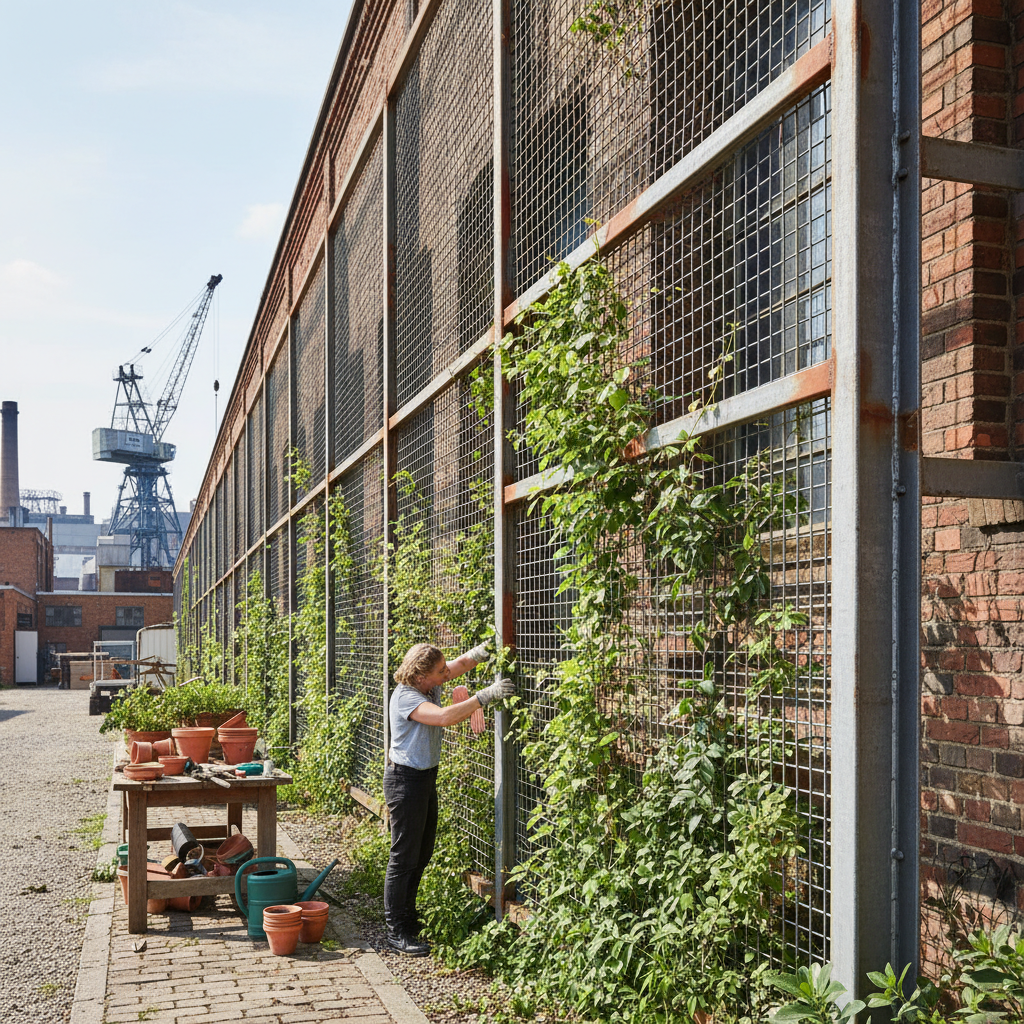
Unlike traditional wood trellises, steel mesh for climbing plants offers superior durability and longevity. It's resistant to rot, pests, and weathering, ensuring a long-lasting structure. Its open grid design allows for excellent air circulation, promoting healthy plant growth and minimizing the risk of fungal diseases. Steel mesh also provides a clean and modern aesthetic, complementing various garden styles. Furthermore, it’s relatively lightweight and easy to install, making it a practical choice for both beginners and experienced gardeners.
Key Benefits: Superior durability, pest and rot resistance, excellent air circulation, modern aesthetic, and ease of installation.
Types of Steel Mesh Available
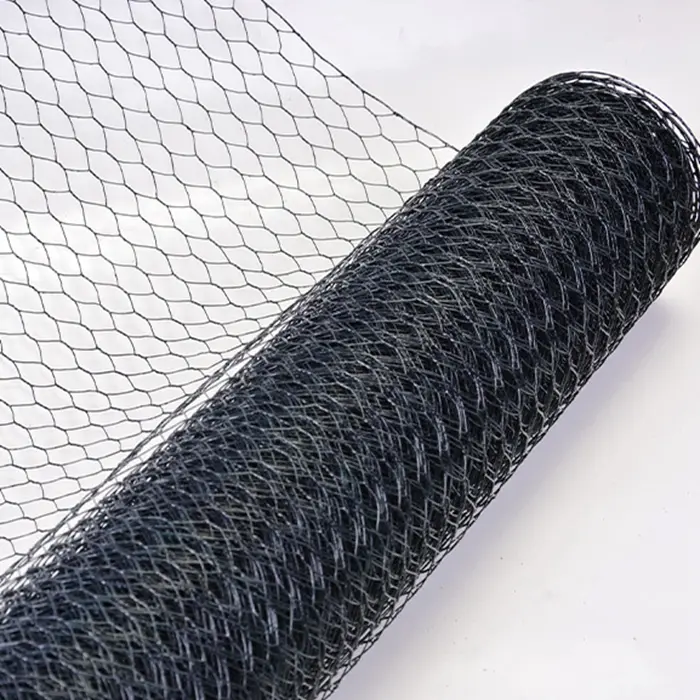
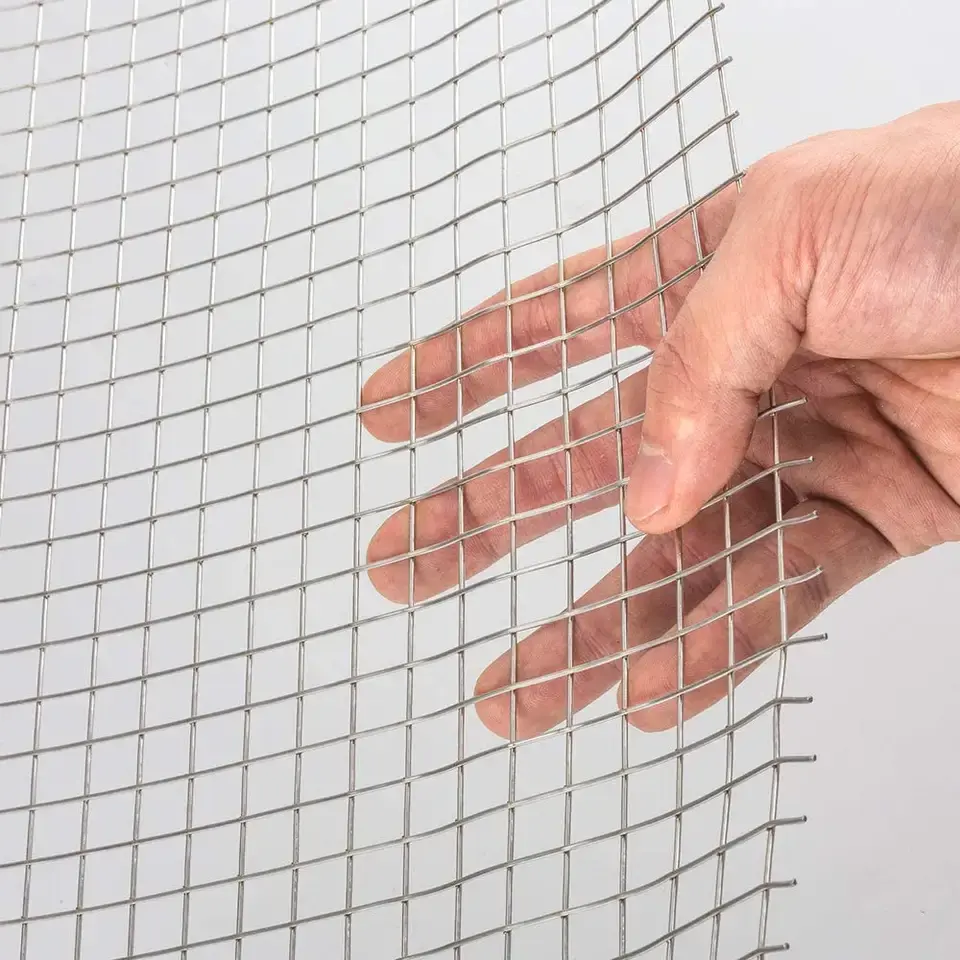
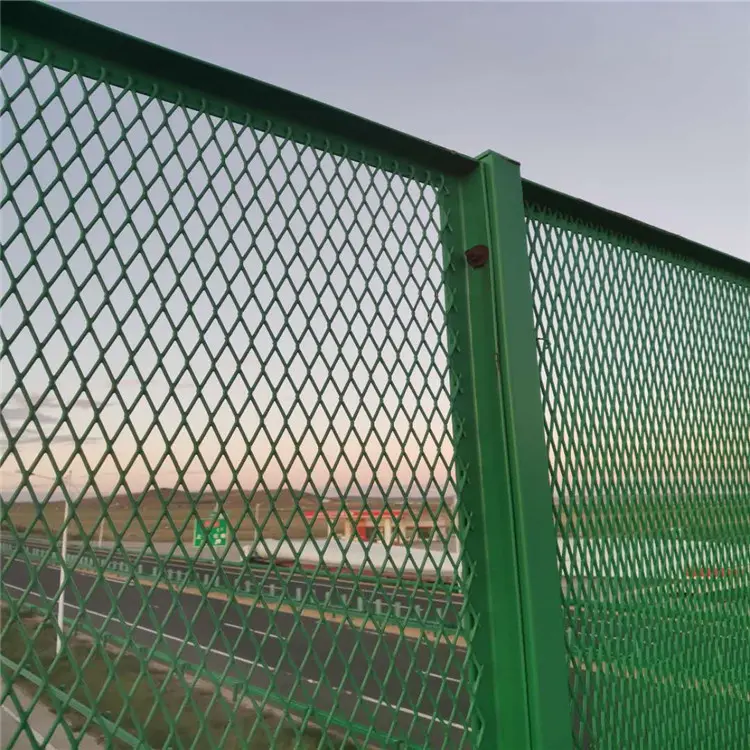
Several types of steel mesh are suitable for supporting climbing plants. Welded wire mesh is a popular choice due to its strength and rigidity. Hexagonal wire mesh, also known as chicken wire, offers a more rustic look and is best suited for lighter climbing plants. Chain-link fence mesh provides a robust and secure structure, ideal for heavier vines. The mesh size (aperture) is also important. Smaller mesh sizes are better for plants with tendrils, while larger mesh sizes are suitable for plants that twine or cling. Selecting the right mesh type depends on the plant’s weight, growth habit, and desired aesthetic.
Mesh Type Comparison:
• Welded Wire Mesh: Strong, rigid, versatile.
• Hexagonal Wire Mesh: Rustic look, lighter plants.
• Chain-Link Fence Mesh: Robust, secure, heavier vines.
Installing Your Steel Mesh: A Step-by-Step Guide
Installing steel mesh for climbing plants is a relatively straightforward process. First, determine the desired location and size of your structure. Install sturdy posts, such as wooden posts or metal poles, at regular intervals. Securely attach the steel mesh to the posts using wire, zip ties, or specialized mesh fasteners. Ensure the mesh is taut to provide adequate support. For larger structures, consider adding horizontal supports to prevent sagging. Always wear appropriate safety gear, including gloves and eye protection, during installation.
Choosing the Right Plants for Steel Mesh
Many climbing plants thrive on steel mesh. Clematis, with its beautiful flowers, is a popular choice. Grapevines add a touch of rustic charm and provide delicious fruit. Honeysuckle offers fragrant blooms and attracts pollinators. Climbing roses provide elegance and color. Consider the plant's mature size and growth habit when selecting varieties. Ensure the steel mesh is strong enough to support the plant's weight. Regularly prune and train your plants to maintain their shape and prevent them from becoming overgrown.
Product Specifications and Options from Fencing Wire Mesh
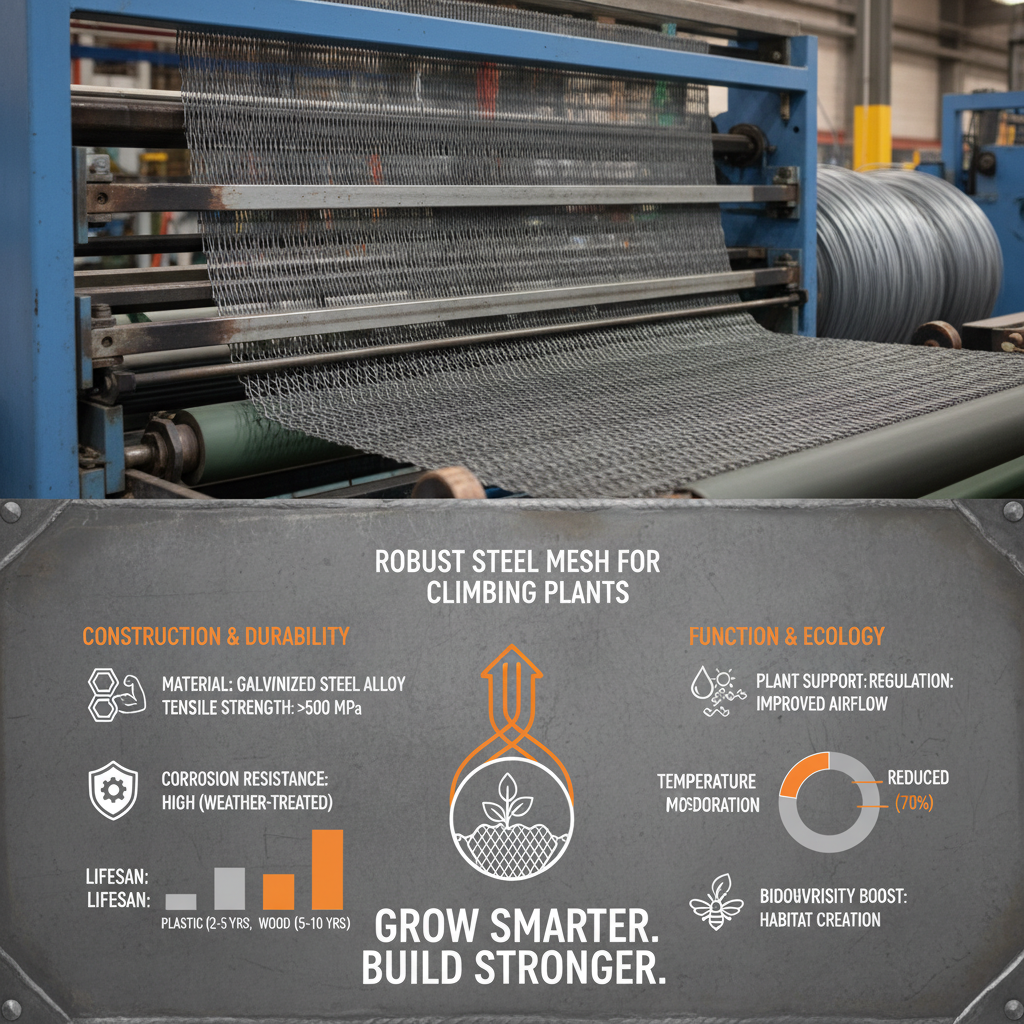
At Fencing Wire Mesh, we offer a wide range of steel mesh options to suit your climbing plant needs. We can provide custom sizes and mesh configurations to fit your specific requirements. Our steel mesh is made from high-quality materials, ensuring durability and longevity. We also offer expert advice to help you choose the right mesh for your plants and installation. Explore our product catalog today!
Conclusion: Elevate Your Garden with Steel Mesh
Steel mesh offers a durable, aesthetically pleasing, and practical solution for supporting climbing plants. With a variety of mesh types and customization options available at Fencing Wire Mesh, you can create a stunning vertical garden that will enhance your outdoor space for years to come. Invest in quality steel mesh and enjoy the beauty of thriving climbing plants!
Frequently Asked Questions (FAQs)
What is the best mesh size for climbing roses?
For climbing roses, a mesh size of around 75mm x 75mm (3 inches x 3 inches) is generally ideal. This size provides sufficient support for the rose canes as they grow and allows for good air circulation. Larger mesh sizes may not offer enough support, while smaller mesh sizes might restrict growth. Consider the specific variety of climbing rose as well; more vigorous varieties may benefit from a slightly smaller mesh size.
How do I prevent rust on my steel mesh?
Rust prevention is crucial for the longevity of your steel mesh. Galvanized steel mesh offers excellent rust resistance. For added protection, consider using PVC-coated steel mesh, which provides a waterproof barrier against corrosion. Regularly inspect the mesh for any signs of rust and address them promptly with a rust inhibitor or paint. Avoid using harsh chemicals or abrasive cleaners that can damage the protective coating. Proper installation and maintenance will significantly extend the lifespan of your steel mesh.
Can steel mesh be used for edible climbing plants, like grapes?
Yes, steel mesh can be safely used for edible climbing plants like grapes. However, ensure the mesh is galvanized or PVC-coated to prevent any potential leaching of harmful substances into the fruit. Choose a mesh size that can adequately support the weight of the grapes as they mature. Regularly inspect the mesh for any damage or corrosion and replace it if necessary. Prioritize food-safe materials and practices when growing edible plants.
What is the best way to attach climbing plants to the steel mesh?
There are several ways to attach climbing plants to steel mesh. For plants with tendrils, they will naturally grip the mesh. For plants that twine, you can use soft plant ties (avoid wire, as it can damage the stems) to gently secure them to the mesh. Space the ties evenly along the stem and avoid tying them too tightly. Regular pruning and training will help encourage the plants to climb and spread across the mesh.