
Choosing the Right Steel Net for Garden Applications
Protecting your garden from pests, supporting climbing plants, or creating a defined aesthetic – a steel net for garden offers versatile solutions. This article delves into the benefits of using steel netting in your garden, explores different types, installation tips, and provides guidance on choosing the best option for your specific needs. Understanding the various factors involved ensures you select a durable, effective, and aesthetically pleasing solution for your outdoor space.
The Benefits of Using Steel Netting in Your Garden
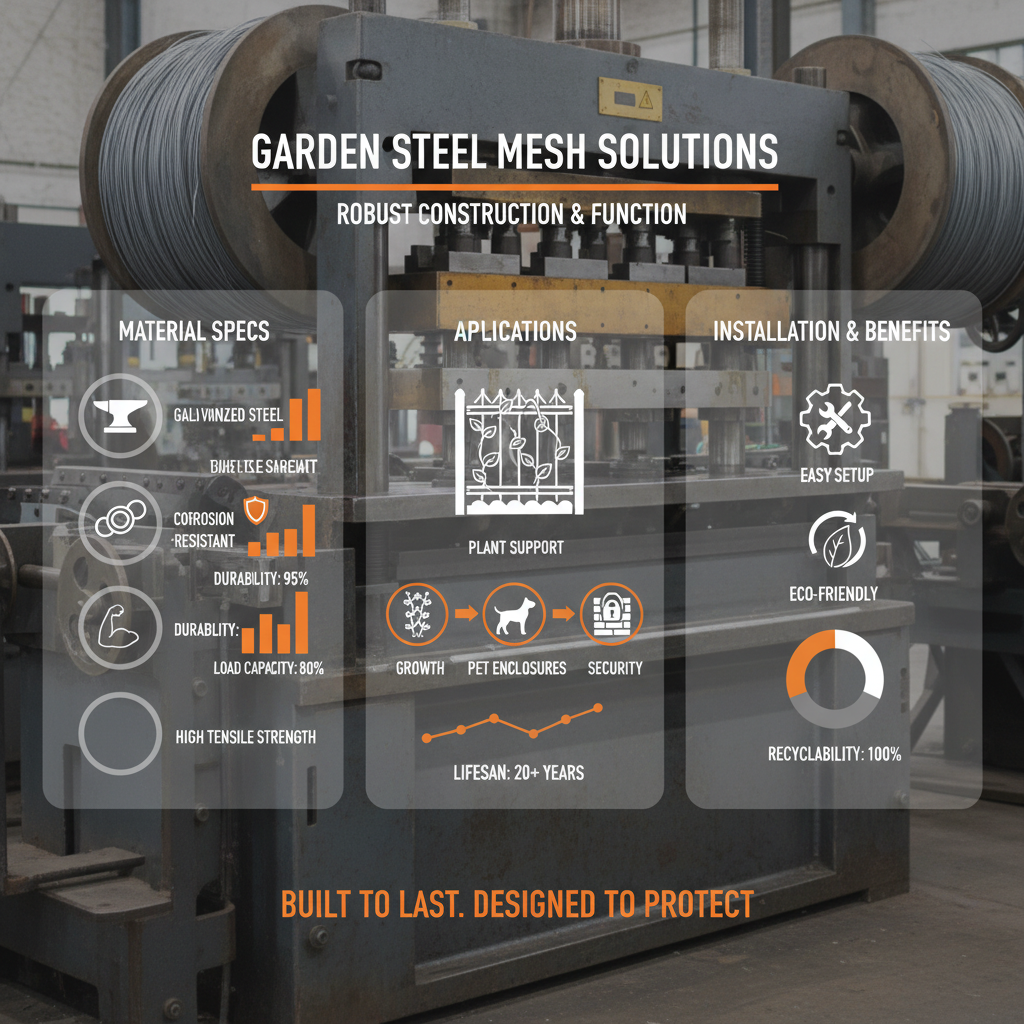
Steel netting provides a robust and long-lasting solution for numerous garden applications. Unlike plastic netting, steel is resistant to UV degradation, meaning it won’t become brittle and break down in sunlight. It also withstands harsh weather conditions and is incredibly durable against animal damage. This makes it ideal for protecting fruits, vegetables, and flowers from birds, rabbits, and other pests. Furthermore, steel netting offers excellent support for climbing plants like beans, peas, and cucumbers, encouraging healthy growth and maximizing yields. It’s a sustainable choice, recyclable at the end of its lifespan, and adds a stylish, industrial-chic touch to your garden.
Key Highlights: Steel netting offers superior durability, pest protection, plant support, and aesthetic appeal compared to traditional garden netting options.
Types of Steel Net for Garden Applications
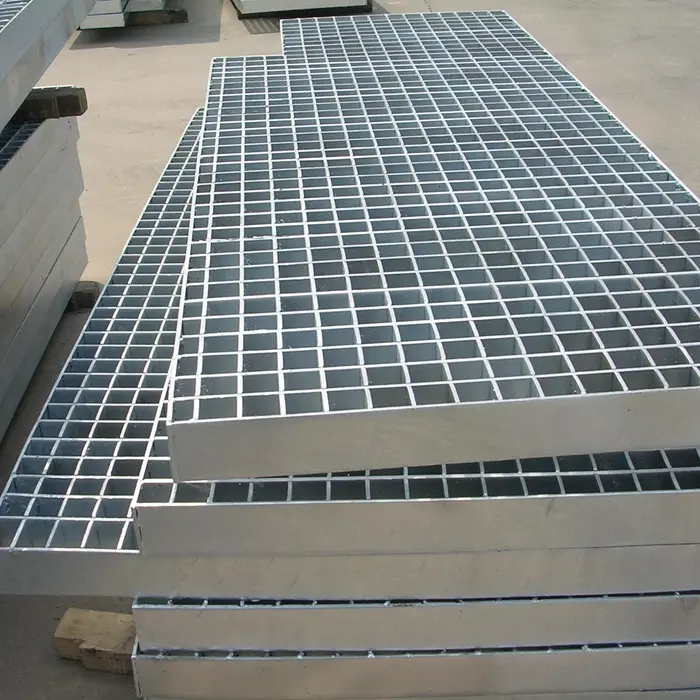
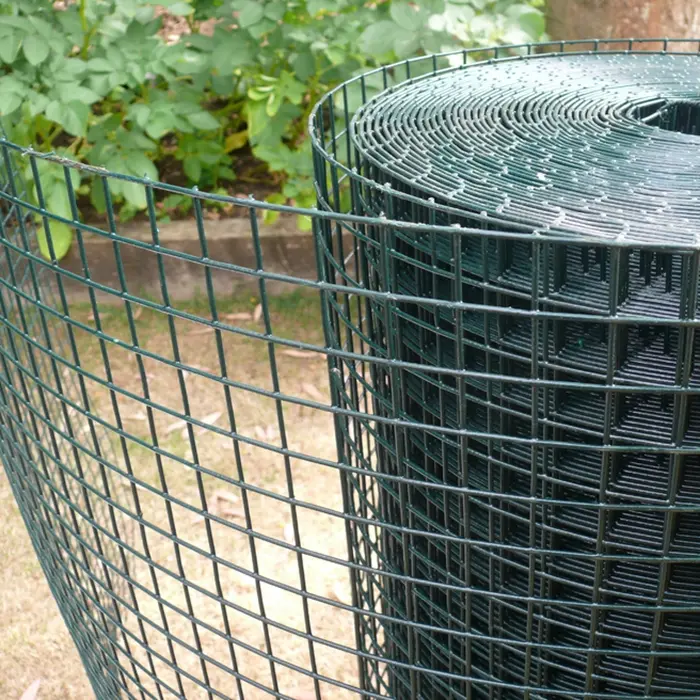
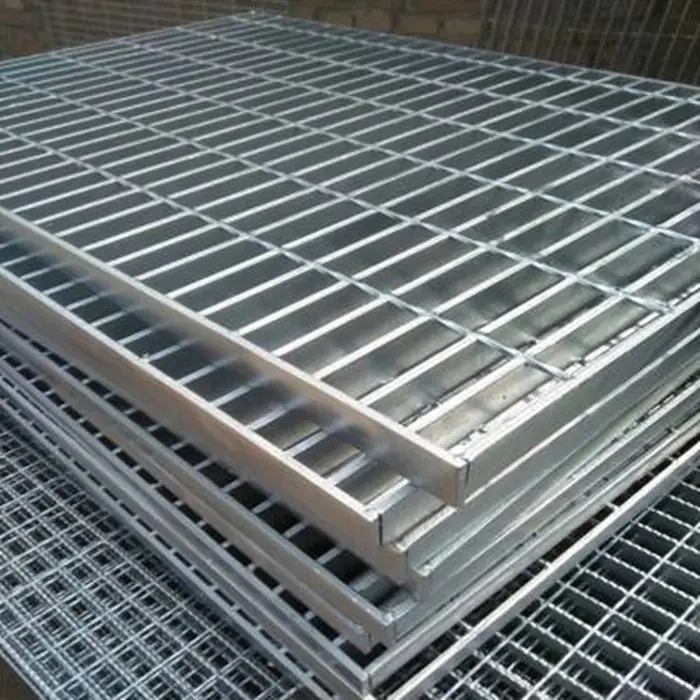
Several types of steel netting cater to different garden needs. Welded wire mesh is a popular choice for general fencing and pest control, offering a rigid structure and uniform openings. Hexagonal wire netting, often galvanized, is lightweight and flexible, ideal for creating barriers around plants or along garden borders. Chain link fencing, while typically used for larger areas, can be adapted for smaller garden sections requiring strong security. Finally, expanded metal mesh provides a unique aesthetic and is often used for decorative purposes or to create climbing structures. The best choice depends on the specific application, desired level of security, and aesthetic preference.
Types of Steel Netting:
• Welded Wire Mesh: Rigid, uniform openings, pest control.
• Hexagonal Wire Netting: Lightweight, flexible, barriers and borders.
• Chain Link Fencing: Strong security, larger areas.
• Expanded Metal Mesh: Decorative, climbing structures.
Steel Netting: A Comparison of Materials and Costs
When selecting steel netting, consider the material and its associated costs. Galvanized steel offers excellent rust resistance and is a cost-effective option. Stainless steel provides superior corrosion protection, ideal for coastal areas or environments with high humidity, but comes at a higher price point. Powder-coated steel offers aesthetic appeal and additional protection against the elements. The thickness of the wire (gauge) also affects the strength and cost – heavier gauges are more durable but also more expensive.
Installation Tips for Steel Garden Netting
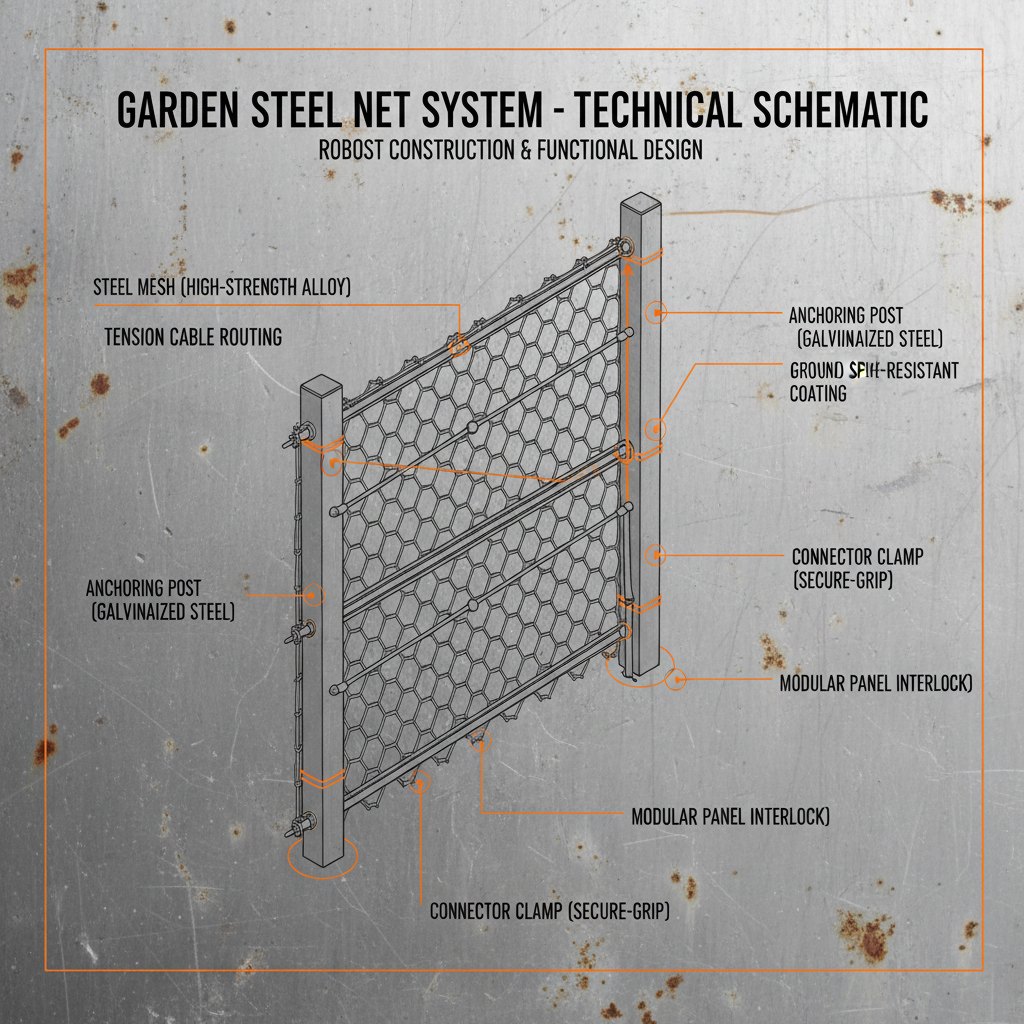
Proper installation is crucial for ensuring the effectiveness and longevity of your steel netting. Start by clearing the area and marking the desired perimeter. Use sturdy posts (wood or metal) spaced appropriately for the netting type. Secure the netting to the posts using wire, clips, or staples designed for metal. Ensure the netting is taut and properly tensioned to prevent sagging and maintain its protective barrier. For climbing plants, create horizontal supports along the netting to provide adequate anchoring points. Always wear gloves and eye protection during installation to prevent injuries.
Finding the Right Steel Net for Your Garden: Where to Buy
Finding a reliable supplier is essential. FencingWireMesh.com offers a comprehensive selection of steel netting products specifically suited for garden applications. We provide various gauges, mesh sizes, and materials to meet your specific requirements. Our team can also offer expert advice on selecting the right netting for your needs and provide detailed installation guidance. We are committed to providing high-quality products and exceptional customer service.
Conclusion: Enhance Your Garden with Durable Steel Netting
Investing in a steel net for garden provides a long-lasting, effective, and aesthetically pleasing solution for pest control, plant support, and garden security. Choose the right material, mesh size, and installation method to ensure optimal performance. Explore the wide range of options available at FencingWireMesh.com and create a thriving and protected garden space.
Frequently Asked Questions (FAQs)
How do I prevent rust on my steel garden netting?
While galvanized and stainless steel offer good rust resistance, regular maintenance can further prolong the life of your netting. Periodically inspect for any signs of rust and apply a rust-inhibiting coating or paint to affected areas. Avoid prolonged contact with acidic materials like fertilizers or certain soil types. Cleaning the netting with a mild detergent and water can also help remove corrosive substances.
What mesh size is best for keeping rabbits out of my garden?
For effective rabbit control, a mesh size of 1 inch or smaller is recommended. Rabbits can squeeze through larger openings. Welded wire mesh with a 1x1 inch or 1x2 inch grid is a popular choice. Ensure the netting is buried at least 6 inches deep to prevent rabbits from digging underneath.
Can steel netting be used to support heavy fruit-bearing plants?
Yes, but it’s crucial to choose a robust gauge of steel netting and provide adequate support. Heavier gauge wires and closer mesh spacing will offer better support. Reinforce the netting with additional posts or horizontal supports to distribute the weight evenly and prevent sagging. Regularly inspect the supports to ensure they remain stable.
Is steel netting safe for use around pets and wildlife?
While steel netting is durable, it’s important to consider potential hazards to pets and wildlife. Ensure the edges are smooth and free of sharp points. Avoid using netting with very small mesh sizes where animals could become entangled. Regularly inspect the netting for any damage that could pose a risk. Consider using alternative materials if you have concerns about animal safety.